The choices you make today can stay with your baby for a lifetime.
When you’re pregnant, your baby is connected to everything you eat, drink, and experience. This means that what goes into your body affects your baby, too. Choosing to stay away from smoking, drinking, and drugs can be one of the best things you do to give your baby a healthy start.
Alcohol, Tobacco, and Drugs:
How They Can Affect Your Baby
Many women choose to protect their babies by avoiding harmful substances during pregnancy. Alcohol, tobacco, and drugs can hurt a baby’s growth and development. For example, e-cigarettes and vaping devices contain nicotine and other chemicals that can be just as harmful as regular cigarettes.
You can make choices now that will help protect your baby’s health forever.
Quit Smoking for Your Baby’s Health
When you smoke, your baby is exposed to harmful chemicals. Quitting now can help protect your baby’s growth and development. Babies exposed to smoke before or after birth may have a higher chance of:
Being born too small or too early
Experiencing breathing or sleeping problems
Facing behavior issues later in life
Even secondhand smoke can harm your baby. Babies who are around secondhand smoke are at greater risk of asthma, ear infections, allergies, and Sudden Infant Death Syndrome (SIDS).
What You Can Do Now:
Quit smoking today! It’s never too late to stop.
Ask for help—support is available if quitting feels hard.
After Your Baby Arrives:
Keep your baby away from smoke. Don’t allow anyone to smoke around your baby.
Breastfeed your baby, and stay smoke-free. Smoking can reduce milk supply and affect your baby’s growth.
Take a Break from Alcohol
Alcohol can harm your baby at any stage of pregnancy. There is no safe amount to drink while pregnant. Drinking alcohol can cause a range of serious problems, including fetal alcohol spectrum disorders (FASD). Babies with FASD may have birth defects, vision and hearing problems, learning disabilities, and behavioral issues.
What You Can Do Now:
If you’re pregnant, it’s safest not to drink at all.
If you’re struggling to stop, reach out for help—there are resources to support you.
After Your Baby Arrives:
Be very cautious about drinking alcohol, if you choose to drink at all.
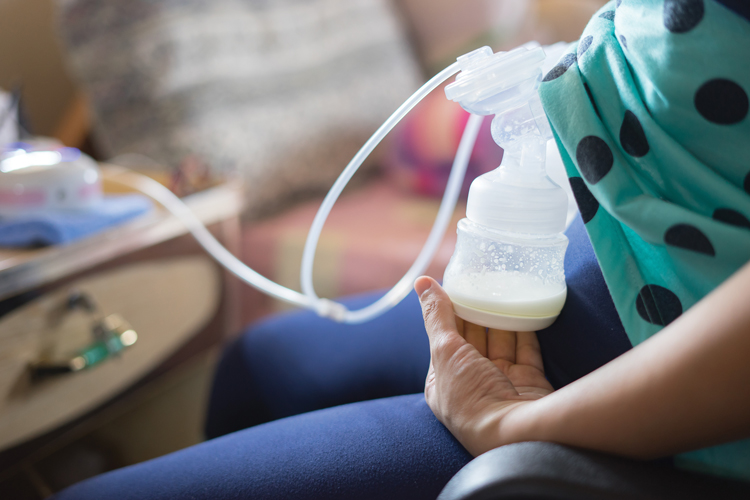
If you choose to drink, wait until your baby is at least 3 months old and breastfeeding is going well. You may consume a single alcoholic drink, then wait at least 4 hours after before breastfeeding. You may also express breast milk before drinking to feed your baby later.
Remember, your baby depends on you. Be responsible. Stay sober.
Stay Off Drugs for a Safer Pregnancy
Any street drug, including marijuana, cocaine, heroin, ecstasy, and meth, can harm your baby. Misusing prescription drugs can also be harmful if they’re not taken exactly as prescribed. Using these substances can increase the risk of birth defects, premature birth, and other serious health issues.
What You Can Do Now:
Protect your baby by staying drug-free.
If you need help stopping drug use, ask for support. Trying again, even if it’s difficult, can make a huge difference.
After Your Baby Arrives:
Stay drug-free to support your baby’s health. Remember, drugs can pass through your breast milk and affect your baby.
Ask Before Taking Any Medicines
Before taking any medicine, check with your doctor. Some medicines, even common ones like pain relievers and allergy pills, may not be safe during pregnancy. Taking the wrong medicine could lead to birth defects or developmental problems.
What You Can Do Now:
Tell your doctor about all medicines, vitamins, or supplements you take.
If you get sick, ask which medicines are safe for you and your baby.
After Your Baby Arrives:
Check with your doctor before taking any medicines if you’re breastfeeding, as they can pass through your breast milk.
Getting Support: A Healthy Start for Your Baby Begins Today
Choosing not to smoke, drink, or use drugs while pregnant or breastfeeding is one of the most important things you can do for your baby’s health. Remember, help is available if you need it.
Talk to your doctor or WIC clinic for additional support and referrals.
Call 1-800-NCA-CALL (1-800-622-2255) for help with quitting alcohol or drugs.
Remember, your baby depends on you for a healthy, safe start in life. With the right choices and support, you can make a positive difference that will last a lifetime.
Install this web app on your iPhone: tap and then Add to Home Screen.
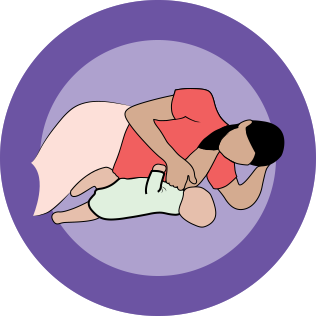
Side-Lying Hold
For the right breast, lie on your right side with your baby facing you.
Pull your baby close. Your baby’s mouth should be level with your nipple.
In this position, you can cradle your baby’s back with your left arm and support yourself with your right arm and/or pillows.
Keep loose clothing and bedding away from your baby.
Reverse for the left breast.
This hold is useful when:
You had a C-section
You want to rest while baby feeds
You are breastfeeding in the middle of the night
You and your baby are comfortable in this position
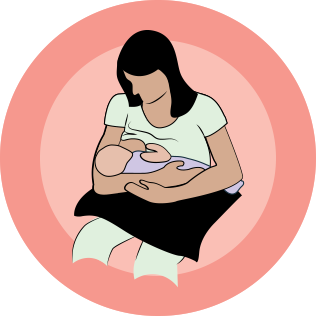
Cross-Cradle Hold
For the right breast, use your left arm to hold your baby’s head at your right breast and baby’s body toward your left side. A pillow across your lap can help support your left arm.
Gently place your left hand behind your baby’s ears and neck, with your thumb and index finger behind each ear and your palm between baby’s shoulder blades. Turn your baby’s body toward yours so your tummies are touching.
Hold your breast as if you are squeezing a sandwich. To protect your back, avoid leaning down to your baby. Instead, bring your baby to you.
As your baby’s mouth opens, push gently with your left palm on baby’s head to help them latch on. Make sure you keep your fingers out of the way.
Reverse for the left breast.
This hold is useful when:
Your baby is premature
Your baby has a weak suck
Your baby needs help to stay latched
Your baby needs extra head support
You and your baby are comfortable in this position
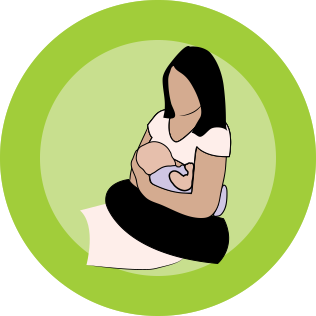
Clutch or “Football” Hold
For the right breast, hold your baby level, facing up, at your right side.
Put your baby’s head near your right nipple and support their back and legs under your right arm.
Hold the base of your baby’s head with your right palm. A pillow underneath your right arm can help support your baby’s weight.
To protect your back, avoid leaning down to your baby. Bring baby to you instead.
Reverse for the left breast.
This hold is useful when:
You had a C-section
You have large breasts
You have flat or inverted nipples
You have a strong milk let-down
You are breastfeeding twins
Your baby likes to feed in an upright position
Your baby has reflux
You and your baby are comfortable in this position
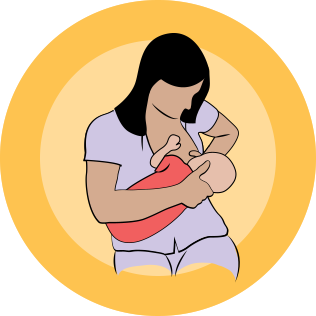
Cradle Hold
For the right breast, cradle your baby with your right arm. Your baby will be on their left side across your lap, facing you at nipple level.
Your baby’s head will rest on your right forearm with your baby’s back along your inner arm and palm.
Turn your baby’s tummy toward your tummy. Your left hand is free to support your breast, if needed. Pillows can help support your arm and elbow.
To protect your back, avoid leaning down to your baby. Instead, bring your baby to you.
Reverse for the left breast.
This hold is useful when:
Your baby needs help latching on
You and your baby are comfortable in this position
Laid-Back Hold
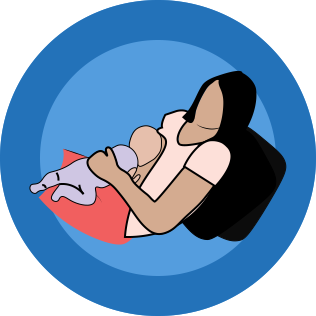
Lean back on a pillow with your baby’s tummy touching yours and their head at breast level. Some moms find that sitting up nearly straight works well. Others prefer to lean back and lie almost flat.
You can place your baby’s cheek near your breast, or you may want to use one hand to hold your breast near your baby. It’s up to you and what you think feels best.
Your baby will naturally find your nipple, latch, and begin to suckle.
This hold is useful when:
Your baby is placed on your chest right after birth
You have a strong milk let-down
You have large breasts
You and your baby are comfortable in this position