
Skip to Content Skip to Footer
Wyoming WIC
Wyoming WIC
  • Home
  • Women
    • Women
      Breastfeeding
    • Women
      Healthy Tips for Moms
    • Women
      Postpartum
    • Women
      Pregnant
  • Infants
    • Infants
      Feeding & Nutrition
    • Infants
      Growth & Development
  • Children
    • Children
      Toddlers
    • Children
      2-5 Year Olds
  • Families
    • Families
      Activity and Play
    • Families
      Dads
    • Families
      Food & Family Meals
    • Families
      Immunizations
    • Families
      Safety
  • Content Suite
  • Food Shopping Guide
  • Español
Smiling child eating spaghetti with a fork

Who Needs a Gluten-Free Diet?

  • Home
  • Content Suite
  • Who Needs a Gluten-Free Diet?
November 25, 2026 General /Family

people-white Who Needs a Gluten-Free Diet?

Gluten-free diets get a lot of attention on social media. They are needed for some health conditions, but for most people, there’s really no evidence that cutting out gluten will improve health or lead to weight loss.

question What is Gluten?

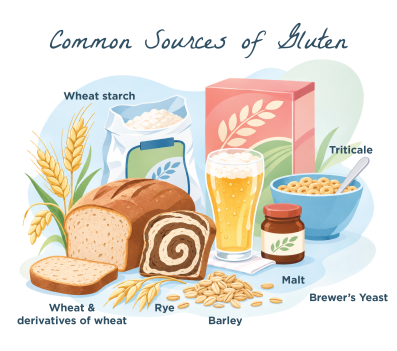
Gluten is a protein found in wheat, barley, and rye. Foods made from these grains, including many breads, pastas, and cereals, contain gluten. It may also be found in soups, sauces, and other packaged foods.

Did you know?

Oats themselves don’t contain gluten. However, oats may come into contact with gluten during growing or processing.

Common sources of gluten icon
Nurse smiling at a mother and child at a clinic

Person in shield Who Should Avoid Gluten

1.

People with celiac disease

Celiac disease affects about 1 in 100 people worldwide. When someone with this disease eats gluten, their immune system attacks the small intestine. This damage can make it harder for the body to absorb nutrients. People with celiac disease need a strict gluten-free diet for life, even if they have no symptoms.

2.

Some people with gluten sensitivity

Some people feel sick after eating gluten or wheat but do not have celiac disease or a wheat allergy. This is called non-celiac gluten sensitivity.

Tip!

Avoiding certain foods may help. A health care provider can help them find the cause and choose a diet that meets their needs.

3.

People with a wheat allergy need to avoid wheat

A wheat allergy is different from celiac disease. It can cause hives, vomiting, or trouble breathing. Some people with this allergy can eat barley and rye. Their provider can explain which foods are safe.

search Symptoms to Watch For

Celiac disease and gluten sensitivity can cause some of the same symptoms.

Symptoms may include:
  • Belly pain, gas, or bloating
  • Diarrhea or constipation
  • Feeling very tired

Some people with celiac disease have no clear symptoms. Celiac disease can also cause low iron, bone or joint pain, and an itchy rash. Children may have trouble gaining weight or growing as expected.

Remember!

These symptoms can have many causes. Talk with your health care provider rather than trying to diagnose yourself.

health-right Get Tested Before Removing Gluten

Talk with your healthcare provider before starting a gluten-free diet. Cutting out gluten before testing can make celiac disease harder to find. If you have already stopped eating gluten, tell your provider before making more diet changes.

There is no single test for gluten sensitivity, but testing usually starts with blood tests. You may also need a procedure called an endoscopy. This is a medical procedure where a doctor uses a thin tube with a camera to look at your small intestine and take tiny tissue samples.

Your provider may first check for celiac disease, wheat allergy, and other causes. They may then suggest a trial diet and ask you to track your symptoms. Feeling better without gluten doesn’t prove that gluten was the cause – other parts of wheat can cause symptoms, too.

If a parent, sibling, or child has celiac disease, be sure to mention this to your healthcare provider, as it often runs in families.

notebook facts Tips for Eating Gluten-Free

If you need to avoid gluten, these tips can help. Steps to prevent contact with gluten are especially important for people with celiac disease.

1.
Read food labels every time

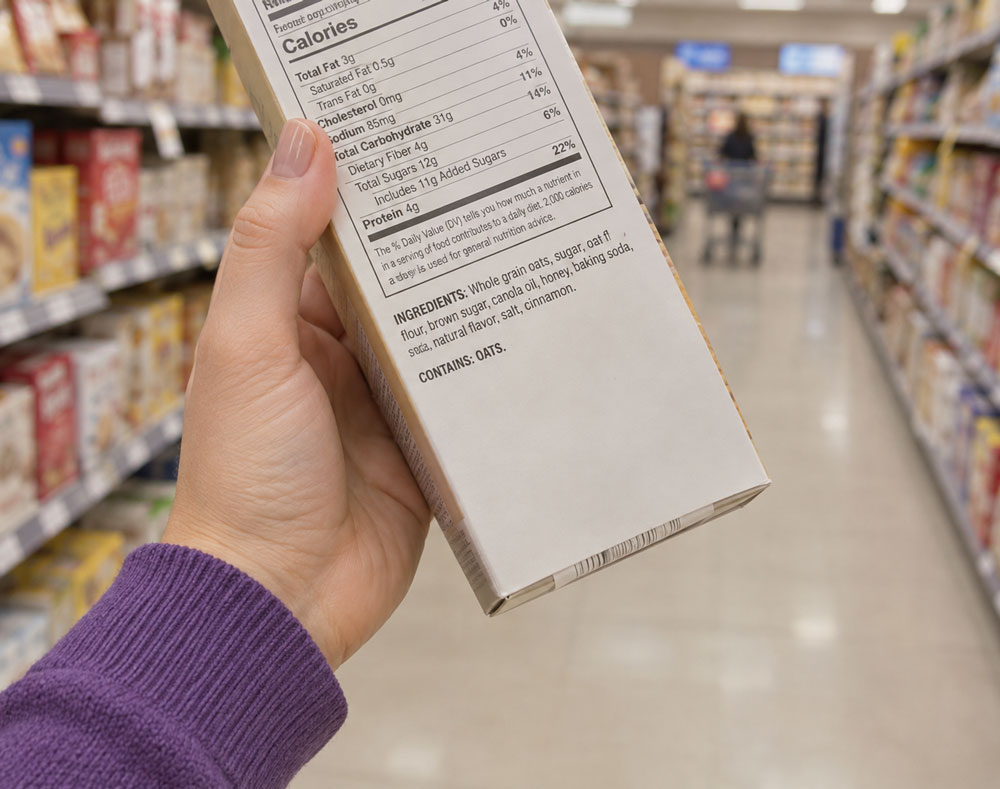
Avoid wheat, barley, rye, and triticale, a mix of wheat and rye. Spelt, farina, semolina, and graham flour are forms of wheat. Barley malt and malt vinegar also contain gluten. “Wheat-free” does not mean “gluten-free.”

2.
Know what the label means

Food companies do not have to use a “gluten-free” label. When they do, foods covered by FDA rules must meet strict standards, including having less than 20 parts per million of gluten. That is a very small amount. Warnings about shared equipment are also optional for food companies to put on food labels. If you have a wheat allergy, check for wheat even when a product is labeled gluten-free.

3.
Choose a variety of foods

Plain fruits, vegetables, beans, eggs, meat, fish, and potatoes are naturally gluten-free. Grains such as corn, rice, quinoa, and buckwheat are also gluten-free. Added sauces or seasonings may contain gluten, so check labels.

4.
Choose oats carefully

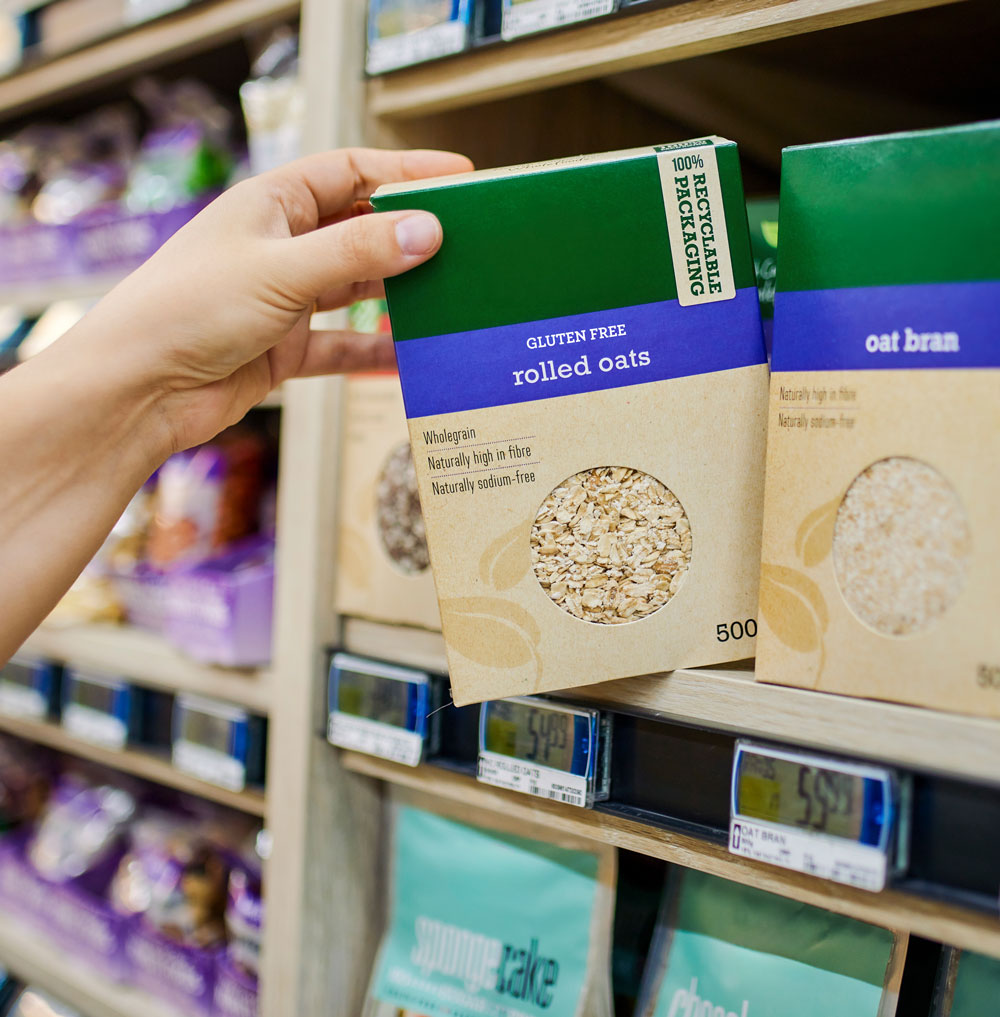
Oats can pick up gluten during growing or processing. Choose oats labeled gluten-free. If you have celiac disease, ask your provider or dietitian whether oats are right for you.

5.
Keep gluten out of your food

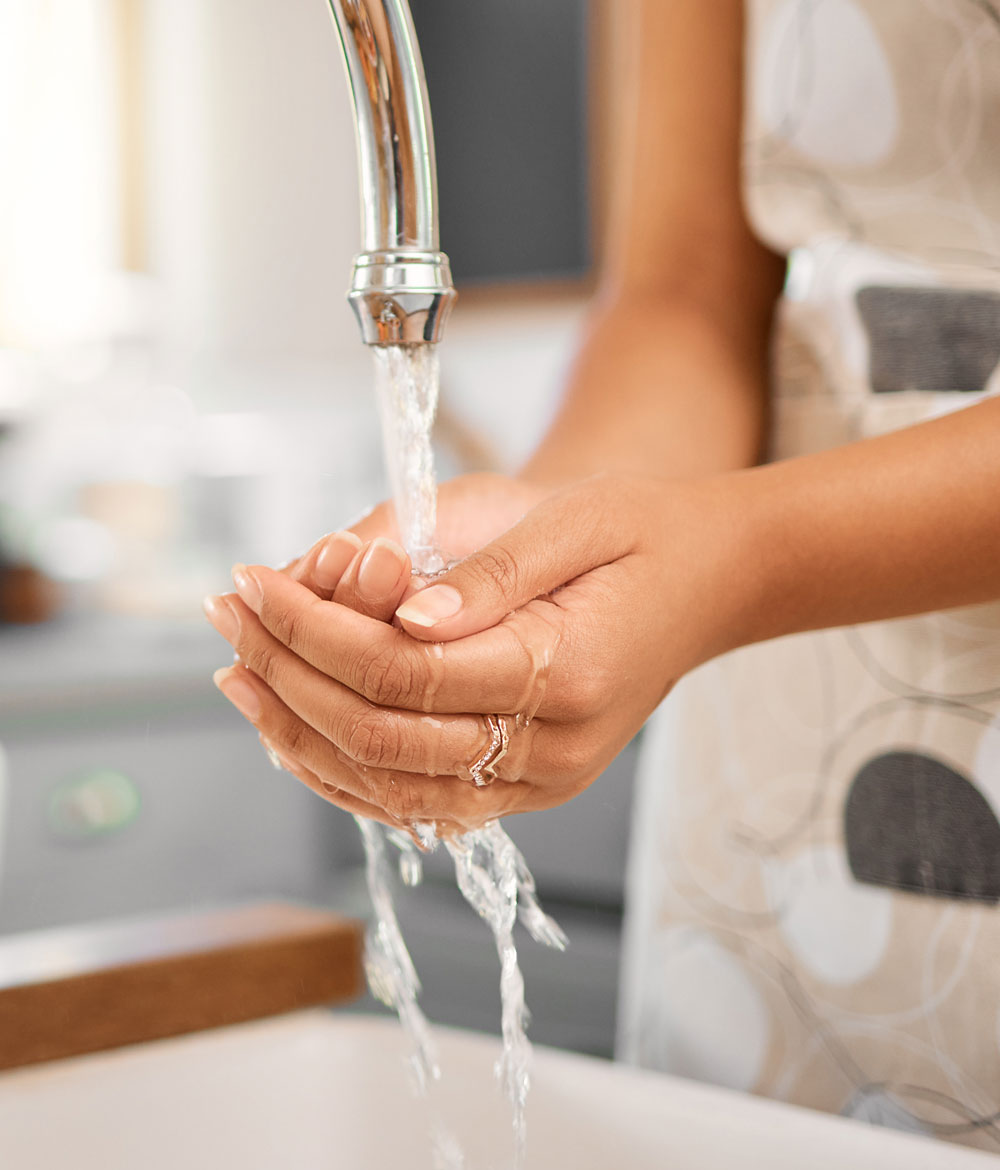
Crumbs and flour can spread gluten to other foods. This is called cross-contact. Wash hands, counters, dishes, and utensils well with soap and water. Use a separate toaster or toaster bags made for this purpose. Keep crumbs out of shared butter, jam, and other spreads.

6.
Plan ahead when eating out

Tell restaurant staff if you have celiac disease. Ask about ingredients and how food is prepared. A shared fryer or cooking surface can spread gluten. Bring a safe dish to gatherings and keep gluten-free snacks with you.

Abstract line art depicting connected geometric shapes

Sticking with a gluten-free diet can require careful attention, but doing so can help those with celiac disease, gluten sensitivity, or wheat allergies. Your healthcare provider or a WIC dietitian can help you build an eating plan that supports your health and fits your needs.

whiteblub For More Information

Celiac disease and a gluten-free diet from NIDDK
Gluten-free food labels from the FDA
Gluten-free recipes from the National Celiac Association

REFERENCES:

National Celiac Association. (2026). Gluten-Free Recipes.
https://nationalceliac.org/gluten-free-recipes/

National Institute of Diabetes and Digestive and Kidney Diseases. (2020, October). Definition & Facts for Celiac Disease.
https://www.niddk.nih.gov/health-information/digestive-diseases/celiac-disease/definition-facts

National Institute of Diabetes and Digestive and Kidney Diseases. (2020, October). Eating, Diet, & Nutrition for Celiac Disease.
https://www.niddk.nih.gov/health-information/digestive-diseases/celiac-disease/eating-diet-nutrition

United States Food and Drug Administration. (2018, July 16). Gluten and Food Labeling.
https://www.fda.gov/food/nutrition-education-resources-materials/gluten-and-food-labeling

Author: Amanda Hojnacki

Do you find this post helpful?

Show some love here!

SMS Communication Consent

Anonymous25 Sep 2026

For young children, make sure the apple pieces are very small and soft after baking.

Scroll To Top

You May Also Like...

September 16, 2026

Kid-Friendly Apple Cinnamon Oat Cups | WIC Recipe

Apple Cinnamon Oat Cups: A Kid-Friendly Taste of Fall September often brings busy mornings, new school routines, and the first hints of fall. It’s also a great time to enjoy…

Read More
0
1
September 2, 2026

Protecting Your Family from Cyclospora: Summer Food & Water Safety

How to Protect Your Family from Cyclospora Food safety is always a hot topic in the summer; rising temperatures means more bacteria growth when food isn’t handled properly. And when…

Read More
0
0
July 22, 2026

The Benefits of Family Meals for Kids and Parents

The Benefits of Eating Meals Together as a Family Think about your family meals for a moment. How often does your family sit down and eat together? Is the TV…

Read More
0
0
WATCH VIDEOS
  • Infant
    • Infant Pacifiers: Benefits, Safety Tips, and When to Wean
    • When to Start Peanut and Egg to Help Prevent Allergies
    • The Basics of Paced Bottle-Feeding
    • How Do I Know If My Baby Could Be Tongue-Tied?
    • Protect Your Baby from Cronobacter
  • Children
    • Food, Feelings, and Your Child’s Health | How Nutrition Affects Mood
    • Simple Child Safety Tips Every Parent Should Know
    • Shopping With Kids: A Simple Way to Help Them Like More Foods
    • Pumpkin Fun: Free and Healthy Activities for Kids Under 5
    • Letting Your Child Play with Food Can Be a Good Thing
  • General /Family
    • Kid-Friendly Apple Cinnamon Oat Cups | WIC Recipe
    • Protecting Your Family from Cyclospora: Summer Food & Water Safety
    • The Benefits of Family Meals for Kids and Parents
    • Meet the Milks: Dairy and Plant-Based Choices
    • Avoiding Food Waste
  • Women
    • Breastfeeding in Public: Know Your Rights and Feel Prepared
    • Weaning from Breastfeeding: When You and Your Child Are Ready
    • Postpartum Psychosis: Signs and Where to Get Help
    • Breastfeeding After a C-Section: Tips for WIC Moms
    • Breastfeeding Nipple Pain: What’s Normal and When to Get Help
  • Recipes
    • Pumpkin Peanut Butter Oat Balls
    • Boo-Berry Yogurt Cups: Easy Halloween Snack for Kids
    • Rainbow Fruit Salsa with Cinnamon Chips | Healthy Family Snack Recipe
    • Healthy Red, White, and Blue Snacks for Kids
    • Simple Meals with Canned Fish: Easy, Healthy & Budget-Friendly Ideas
Wyoming WIC WDH Public Health

CONTACT US

1-888-996-9378
health.wyo.gov/wic
  • How to apply for WIC

Resources

  • WIC Shopper
  • WIC Smart
  • WIC Breastfeeding Support
  • Wyoming Medicaid
  • Wyoming 211
  • Tell a friend about WIC!
  • Guide to Using Your WIC Benefits
  • Wyoming WIC Facebook
  • Wyoming WIC Instagram
  • Wyoming WIC

USDA is an equal opportunity provider, employer, and lender.

Cookie PolicyPrivacy Policy

© Brush Art Corporation
This website is operated by Brush Art Corporation on behalf of the Wyoming Department of Health.

Install this web app on your iPhone: tap and then Add to Home Screen.
Share to Social

Share this link via

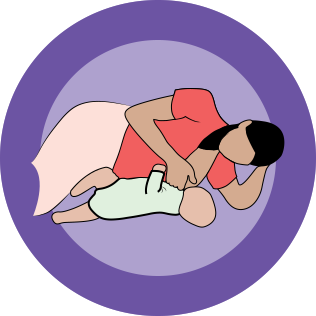
SIDE-LYING HOLD

Side-Lying Hold

  1. For the right breast, lie on your right side with your baby facing you.
  2. Pull your baby close. Your baby’s mouth should be level with your nipple.
  3. In this position, you can cradle your baby’s back with your left arm and support yourself with your right arm and/or pillows.
  4. Keep loose clothing and bedding away from your baby.
  5. Reverse for the left breast.

This hold is useful when:

  • You had a C-section
  • You want to rest while baby feeds
  • You are breastfeeding in the middle of the night
  • You and your baby are comfortable in this position
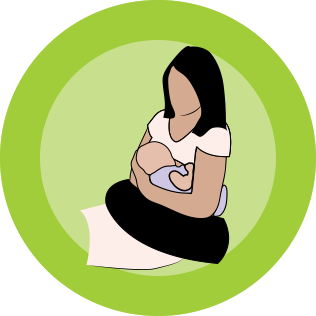
CROSS-CRADLE HOLD

Cross-Cradle Hold

  1. For the right breast, use your left arm to hold your baby’s head at your right breast and baby’s body toward your left side. A pillow across your lap can help support your left arm.
  2. Gently place your left hand behind your baby’s ears and neck, with your thumb and index finger behind each ear and your palm between baby’s shoulder blades. Turn your baby’s body toward yours so your tummies are touching.
  3. Hold your breast as if you are squeezing a sandwich. To protect your back, avoid leaning down to your baby. Instead, bring your baby to you.
  4. As your baby’s mouth opens, push gently with your left palm on baby’s head to help them latch on. Make sure you keep your fingers out of the way.
  5. Reverse for the left breast.

This hold is useful when:

  • Your baby is premature
  • Your baby has a weak suck
  • Your baby needs help to stay latched
  • Your baby needs extra head support
  • You and your baby are comfortable in this position
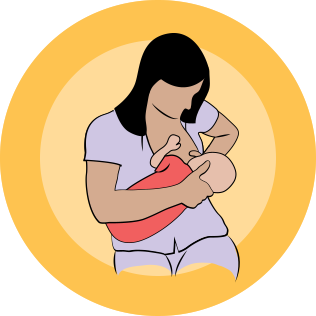
CLUTCH OR “FOOTBALL” HOLD

Clutch or “Football” Hold

  1. For the right breast, hold your baby level, facing up, at your right side.
  2. Put your baby’s head near your right nipple and support their back and legs under your right arm.
  3. Hold the base of your baby’s head with your right palm. A pillow underneath your right arm can help support your baby’s weight.
  4. To protect your back, avoid leaning down to your baby. Bring baby to you instead.
  5. Reverse for the left breast.

This hold is useful when:

  • You had a C-section
  • You have large breasts
  • You have flat or inverted nipples
  • You have a strong milk let-down
  • You are breastfeeding twins
  • Your baby likes to feed in an upright position
  • Your baby has reflux
  • You and your baby are comfortable in this position
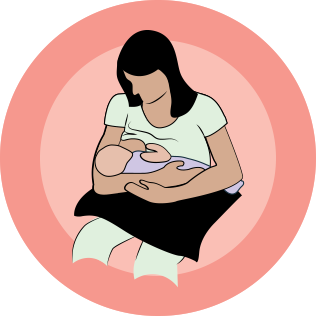
CRADLE HOLD

Cradle Hold

  1. For the right breast, cradle your baby with your right arm. Your baby will be on their left side across your lap, facing you at nipple level.
  2. Your baby’s head will rest on your right forearm with your baby’s back along your inner arm and palm.
  3. Turn your baby’s tummy toward your tummy. Your left hand is free to support your breast, if needed. Pillows can help support your arm and elbow.
  4. To protect your back, avoid leaning down to your baby. Instead, bring your baby to you.
  5. Reverse for the left breast.

This hold is useful when:

  • Your baby needs help latching on
  • You and your baby are comfortable in this position
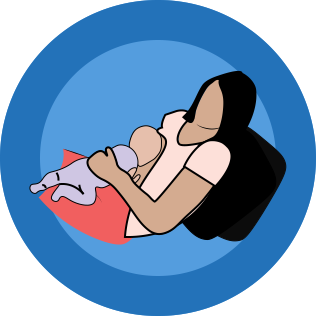
Laid-Back Hold

Laid-Back Hold

  1. Lean back on a pillow with your baby’s tummy touching yours and their head at breast level. Some moms find that sitting up nearly straight works well. Others prefer to lean back and lie almost flat.
  2. You can place your baby’s cheek near your breast, or you may want to use one hand to hold your breast near your baby. It’s up to you and what you think feels best.
  3. Your baby will naturally find your nipple, latch, and begin to suckle.

This hold is useful when:

  • Your baby is placed on your chest right after birth
  • You have a strong milk let-down
  • You have large breasts
  • You and your baby are comfortable in this position