Skip to Content Skip to Footer
Wyoming WIC
Wyoming WIC
  • Home
  • Women
    • Women
      Breastfeeding
    • Women
      Healthy Tips for Moms
    • Women
      Postpartum
    • Women
      Pregnant
  • Infants
    • Infants
      Feeding & Nutrition
    • Infants
      Growth & Development
  • Children
    • Children
      Toddlers
    • Children
      2-5 Year Olds
  • Families
    • Families
      Activity and Play
    • Families
      Dads
    • Families
      Food & Family Meals
    • Families
      Immunizations
    • Families
      Safety
  • Content Suite
  • Food Shopping Guide
  • Español
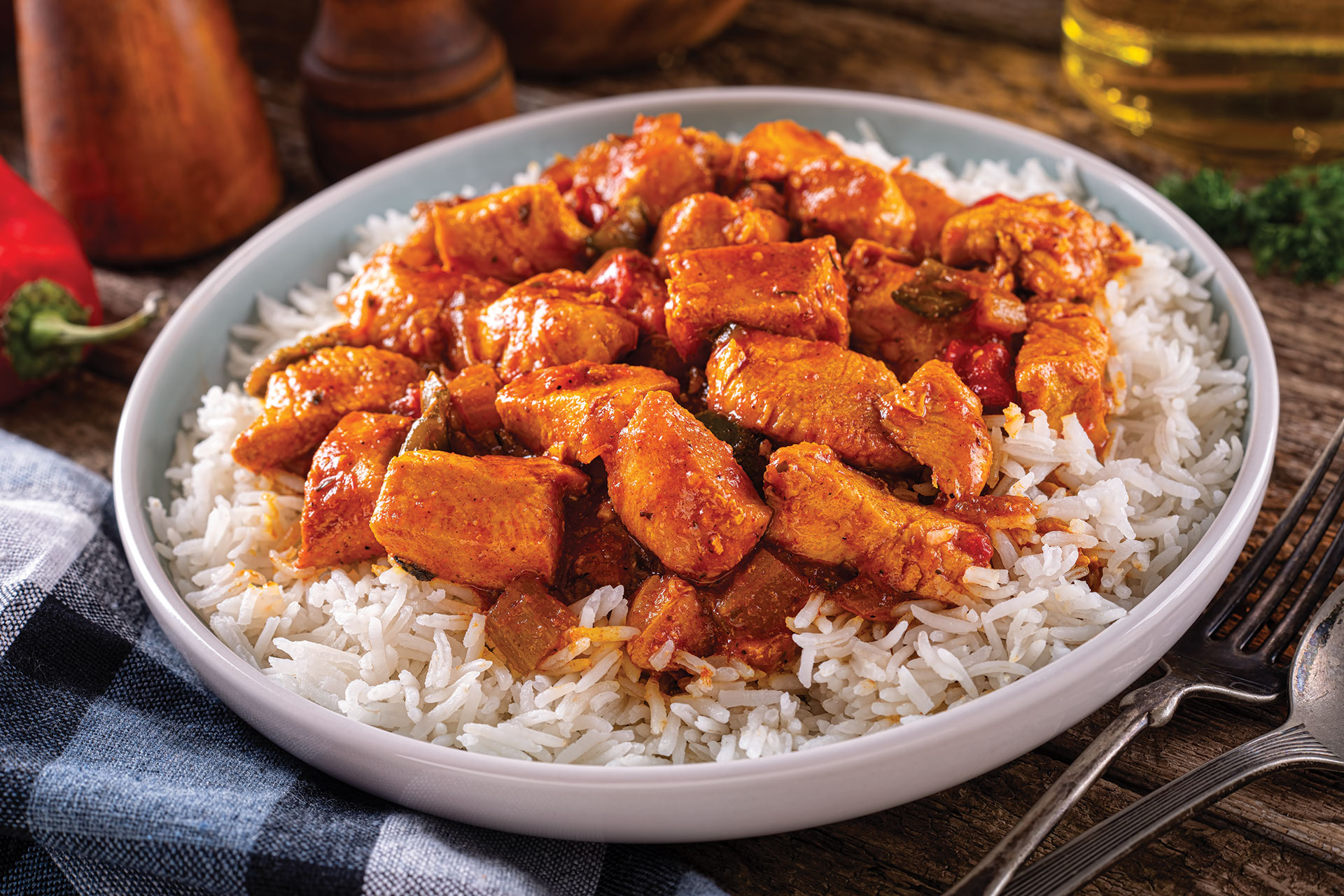
Spiced chicken served over white rice in bowl

Recipe for Success

  • Home
  • Content Suite
  • Recipe for Success
Black and white QR code for WIC Resources
March 29, 2023 General /FamilyRecipes

Mariah was faced with cooking a meal for her family.

Many thoughts entered her mind at one time. What can I make? Are they going to like it? What if they don’t like it? What would my mother do? How can I give this dish a new twist? Why does this recipe seem so hard?

Cooking can be an overwhelming, yet rewarding activity.

It means different things to different people. It can depend on your family, your experiences with food or even the part of the country where you live. Some people think of fellowship, comfort, love, family and friends when cooking comes to mind. Others are scared to death and won’t go near a kitchen. However, in the long run, cooking can save money and give your family a healthier diet.

The art of cooking starts with meal planning and preparation.

When planning a meal, start with the foods and spices you already have. You should think about the people that you are going to serve — their likes, their dislikes, allergies or special diets. An important thing to consider is time — how much time do you have to cook? Don’t just think of one meal, consider how you might use parts of it later in the week for other meals. Adding one or two ingredients can give your original dish a whole new twist.

If you are new to cooking, it’s a good idea to use a recipe.

Recipes serve as your roadmap for cooking. They tell you the ingredients, temperature and cooking time. Once you get comfortable, you can make the dish with your own personal touch. Below are ten common cooking terms that might help to make things a little easier.

10 Common Cooking Terms

  • BAKE - to cook in an oven
  • BEAT - to mix ingredients together using a fast, circular movement with a spoon, fork, whisk or mixer
  • BLEND/MIX - to mix ingredients together until well combined or smooth, either by hand with a spoon or fork, or with an electric mixer or blender
  • BOIL - to heat a food so that the liquid gets hot enough for bubbles to rise and break the surface
  • BROWN - to cook over medium or high heat until surface of food browns or darkens
  • CHOP - to cut food into small pieces
  • MASH - to squash food with a fork, spoon or masher
  • PREHEAT - to turn oven on ahead of time so that it is at the right temperature when needed (Usually takes about 5 to 10 minutes.)
  • ROAST - to cook in oven in uncovered pan
  • SAUTE - to cook and stir food in a small amount of fat over medium to high heat in an uncovered, shallow pan

Mariah found this easy recipe online, but made a few changes to the recipe.

She was out of fresh garlic, so she used ¼ teaspoon garlic powder instead. Her family loves chicken, so she used 3 pieces instead of 2. Because she found chicken on sale, the total cost was only $7.10 or $0.89 per serving. This recipe provides enough for another meal!

20-Minute Chicken Creole

Chicken curry served over white rice in bowl

MAKES 8 SERVINGS

  • 1 tablespoon olive oil
  • 2-3 whole, boneless, skinless chicken breasts
  • 1 (14 ½ ounce) can diced tomatoes, with juice
  • 1 cup chili sauce (low sodium)
  • 1 large green pepper, chopped
  • 2 celery stalks, chopped
  • 1 small onion, chopped
  • 2 garlic cloves, minced or ¼ teaspoon garlic powder
  • 1 teaspoon dried basil
  • 1 teaspoon dried parsley
  • ¼ teaspoon cayenne pepper
  • ¼ teaspoon salt
  • Heat a skillet pan over medium-high heat. Add olive oil and chicken. Cook until no longer pink when cut (3-5 minutes).
  • Reduce heat to medium.
  • Add tomatoes with juice, chili sauce, green pepper, celery, onion, garlic, basil, parsley, cayenne pepper and salt.
  • Bring to a boil; reduce heat to low and simmer, covered for 10-15 minutes.
  • Serve over hot, cooked rice or whole wheat pasta.
  • Refrigerate leftovers within 2 hours.
Recipe modified from Oregon State University Cooperative Extension Services.

Do you find this Blog helpful?

Show some love here!

SMS Communication Consent

No comments yet. Be the first to share your thoughts!

Scroll To Top

You May Also Like...

October 14, 2026

Boo-Berry Yogurt Cups: Easy Halloween Snack for Kids

Boo-Berry Yogurt Cups A frightfully fun snack! Halloween can be full of surprises and snack time can be, too! With creamy yogurt, colorful fruit, and a few silly faces, you…

Read More
0
1
September 16, 2026

Kid-Friendly Apple Cinnamon Oat Cups | WIC Recipe

Apple Cinnamon Oat Cups: A Kid-Friendly Taste of Fall September often brings busy mornings, new school routines, and the first hints of fall. It’s also a great time to enjoy…

Read More
0
1
September 2, 2026

Protecting Your Family from Cyclospora: Summer Food & Water Safety

How to Protect Your Family from Cyclospora Food safety is always a hot topic in the summer; rising temperatures means more bacteria growth when food isn’t handled properly. And when…

Read More
0
0
WATCH VIDEOS
  • Infant
    • Infant Pacifiers: Benefits, Safety Tips, and When to Wean
    • When to Start Peanut and Egg to Help Prevent Allergies
    • The Basics of Paced Bottle-Feeding
    • How Do I Know If My Baby Could Be Tongue-Tied?
    • Protect Your Baby from Cronobacter
  • Children
    • Food, Feelings, and Your Child’s Health | How Nutrition Affects Mood
    • Simple Child Safety Tips Every Parent Should Know
    • Shopping With Kids: A Simple Way to Help Them Like More Foods
    • Pumpkin Fun: Free and Healthy Activities for Kids Under 5
    • Letting Your Child Play with Food Can Be a Good Thing
  • General /Family
    • Kid-Friendly Apple Cinnamon Oat Cups | WIC Recipe
    • Protecting Your Family from Cyclospora: Summer Food & Water Safety
    • The Benefits of Family Meals for Kids and Parents
    • Meet the Milks: Dairy and Plant-Based Choices
    • Avoiding Food Waste
  • Women
    • Breastfeeding After a C-Section: Tips for WIC Moms
    • Breastfeeding Nipple Pain: What’s Normal and When to Get Help
    • Cluster Feeding Explained | WIC Breastfeeding Support
    • Breastfeeding Support Available Through WIC | Pumps, Peer Counselors & More
    • How Partners Can Support Breastfeeding
  • Recipes
    • Boo-Berry Yogurt Cups: Easy Halloween Snack for Kids
    • Rainbow Fruit Salsa with Cinnamon Chips | Healthy Family Snack Recipe
    • Healthy Red, White, and Blue Snacks for Kids
    • Simple Meals with Canned Fish: Easy, Healthy & Budget-Friendly Ideas
    • Fresh & Easy Spring Snacks for Toddlers
Wyoming WIC WDH Public Health

CONTACT US

1-888-996-9378
health.wyo.gov/wic
  • How to apply for WIC

Resources

  • WIC Shopper
  • WIC Smart
  • WIC Breastfeeding Support
  • Wyoming Medicaid
  • Wyoming 211
  • Tell a friend about WIC!
  • Guide to Using Your WIC Benefits
  • Wyoming WIC Facebook
  • Wyoming WIC Instagram
  • Wyoming WIC

USDA is an equal opportunity provider, employer, and lender.

Cookie PolicyPrivacy Policy

© Brush Art Corporation
This website is operated by Brush Art Corporation on behalf of the Wyoming Department of Health.

Install this web app on your iPhone: tap and then Add to Home Screen.

Share to Social

Share this link via

SIDE-LYING HOLD

Side-Lying Hold

  1. For the right breast, lie on your right side with your baby facing you.
  2. Pull your baby close. Your baby’s mouth should be level with your nipple.
  3. In this position, you can cradle your baby’s back with your left arm and support yourself with your right arm and/or pillows.
  4. Keep loose clothing and bedding away from your baby.
  5. Reverse for the left breast.

This hold is useful when:

  • You had a C-section
  • You want to rest while baby feeds
  • You are breastfeeding in the middle of the night
  • You and your baby are comfortable in this position
CROSS-CRADLE HOLD

Cross-Cradle Hold

  1. For the right breast, use your left arm to hold your baby’s head at your right breast and baby’s body toward your left side. A pillow across your lap can help support your left arm.
  2. Gently place your left hand behind your baby’s ears and neck, with your thumb and index finger behind each ear and your palm between baby’s shoulder blades. Turn your baby’s body toward yours so your tummies are touching.
  3. Hold your breast as if you are squeezing a sandwich. To protect your back, avoid leaning down to your baby. Instead, bring your baby to you.
  4. As your baby’s mouth opens, push gently with your left palm on baby’s head to help them latch on. Make sure you keep your fingers out of the way.
  5. Reverse for the left breast.

This hold is useful when:

  • Your baby is premature
  • Your baby has a weak suck
  • Your baby needs help to stay latched
  • Your baby needs extra head support
  • You and your baby are comfortable in this position
CLUTCH OR “FOOTBALL” HOLD

Clutch or “Football” Hold

  1. For the right breast, hold your baby level, facing up, at your right side.
  2. Put your baby’s head near your right nipple and support their back and legs under your right arm.
  3. Hold the base of your baby’s head with your right palm. A pillow underneath your right arm can help support your baby’s weight.
  4. To protect your back, avoid leaning down to your baby. Bring baby to you instead.
  5. Reverse for the left breast.

This hold is useful when:

  • You had a C-section
  • You have large breasts
  • You have flat or inverted nipples
  • You have a strong milk let-down
  • You are breastfeeding twins
  • Your baby likes to feed in an upright position
  • Your baby has reflux
  • You and your baby are comfortable in this position
CRADLE HOLD

Cradle Hold

  1. For the right breast, cradle your baby with your right arm. Your baby will be on their left side across your lap, facing you at nipple level.
  2. Your baby’s head will rest on your right forearm with your baby’s back along your inner arm and palm.
  3. Turn your baby’s tummy toward your tummy. Your left hand is free to support your breast, if needed. Pillows can help support your arm and elbow.
  4. To protect your back, avoid leaning down to your baby. Instead, bring your baby to you.
  5. Reverse for the left breast.

This hold is useful when:

  • Your baby needs help latching on
  • You and your baby are comfortable in this position
Laid-Back Hold

Laid-Back Hold

  1. Lean back on a pillow with your baby’s tummy touching yours and their head at breast level. Some moms find that sitting up nearly straight works well. Others prefer to lean back and lie almost flat.
  2. You can place your baby’s cheek near your breast, or you may want to use one hand to hold your breast near your baby. It’s up to you and what you think feels best.
  3. Your baby will naturally find your nipple, latch, and begin to suckle.

This hold is useful when:

  • Your baby is placed on your chest right after birth
  • You have a strong milk let-down
  • You have large breasts
  • You and your baby are comfortable in this position