Your child’s immune system is their body’s natural defense against germs. A strong immune system keeps them healthy and helps fight off harmful bacteria and viruses. You can support your child’s immune system by offering nutritious foods, water throughout the day, and making sure they get plenty of sleep and exercise.
Here are a few WIC-approved foods that can help keep your child’s immune system strong, plus simple recipes to try at home!
Lentils
Lentils are a great plant-based protein packed with zinc, iron, and Vitamin B6. These nutrients help the body make white blood cells, which help fight infections. One cup of lentils provides 37% of the daily iron, 17% of the daily zinc, and 18% of the daily Vitamin B6 your child needs.
Recipe Ideas
Easy Lentil Soup:
1 cup cooked lentils
2 cups low-sodium chicken or vegetable broth
1 diced carrot
½ cup diced onion
1 diced tomato or ½ cup canned diced tomatoes
In a pot, sauté onion and carrot until soft.
Add lentils, broth, and tomato. Simmer for 10 minutes.
Serve warm. Makes 2-3 servings.
Rolled Oats
Oats contain beta-glucan, selenium, and zinc, which help strengthen immune function and protect cells from damage. Oats also have antioxidants and amino acids, which help with blood flow and healing.
Recipe Ideas
quick oatmeal breakfast:
½ cup rolled oats
1 cup water or milk
1 banana or ½ cup diced apple
Dash of cinnamon (optional)
Cook oats with water or milk on the stove or in
the microwave.
Top with sliced banana or apple and a sprinkle
of cinnamon.
Serve warm. Makes 1 serving.
Spinach
Spinach is full of antioxidants and iron, which support a healthy immune system. Pair spinach with Vitamin C-rich foods (like tomatoes or oranges) to help your child absorb the iron.
Recipe Ideas
simple spinach scramble:
1 cup fresh spinach
2 eggs
½ cup diced tomato
Sauté spinach and tomato in a pan until soft.
Add beaten eggs and cook, stirring, until eggs
are set.
Serve warm. Makes 1-2 servings.
Oranges
Oranges are an excellent source of Vitamin C, which supports immune health by helping the body produce white blood cells that fight infections. Oranges also contain antioxidants that protect cells from damage and keep the body strong. The Vitamin C in oranges helps your child absorb iron.
Recipe Ideas
refreshing orange snack:
1 large orange, peeled and segmented
½ cup low-fat yogurt
1 tablespoon granola (optional)
Arrange orange segments in a bowl.
Add a dollop of yogurt on top and sprinkle with
granola if desired.
Serve chilled. Makes 1 serving.
Don’t Forget Water!
Staying hydrated is key to keeping your child’s immune system working properly. Water helps move infection-fighting cells through the body. Aim to offer water throughout the day to keep your child hydrated. For a fun and flavorful twist, add slices of fruit like lemon, orange, or cucumber to water!
By including these immune-boosting foods in your family’s meals, you’re helping to keep your child’s body strong and healthy. WIC-approved foods make it easy and affordable to nourish your little ones!
Install this web app on your iPhone: tap and then Add to Home Screen.
Share to Social
Share this link via
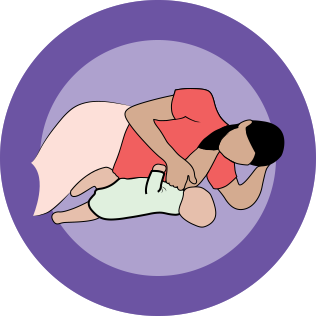
Side-Lying Hold
For the right breast, lie on your right side with your baby facing you.
Pull your baby close. Your baby’s mouth should be level with your nipple.
In this position, you can cradle your baby’s back with your left arm and support yourself with your right arm and/or pillows.
Keep loose clothing and bedding away from your baby.
Reverse for the left breast.
This hold is useful when:
You had a C-section
You want to rest while baby feeds
You are breastfeeding in the middle of the night
You and your baby are comfortable in this position
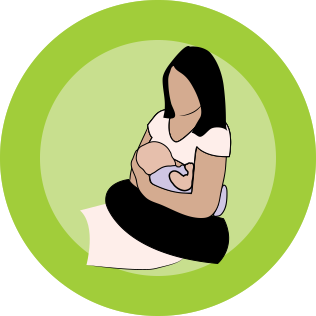
Cross-Cradle Hold
For the right breast, use your left arm to hold your baby’s head at your right breast and baby’s body toward your left side. A pillow across your lap can help support your left arm.
Gently place your left hand behind your baby’s ears and neck, with your thumb and index finger behind each ear and your palm between baby’s shoulder blades. Turn your baby’s body toward yours so your tummies are touching.
Hold your breast as if you are squeezing a sandwich. To protect your back, avoid leaning down to your baby. Instead, bring your baby to you.
As your baby’s mouth opens, push gently with your left palm on baby’s head to help them latch on. Make sure you keep your fingers out of the way.
Reverse for the left breast.
This hold is useful when:
Your baby is premature
Your baby has a weak suck
Your baby needs help to stay latched
Your baby needs extra head support
You and your baby are comfortable in this position
Clutch or “Football” Hold
For the right breast, hold your baby level, facing up, at your right side.
Put your baby’s head near your right nipple and support their back and legs under your right arm.
Hold the base of your baby’s head with your right palm. A pillow underneath your right arm can help support your baby’s weight.
To protect your back, avoid leaning down to your baby. Bring baby to you instead.
Reverse for the left breast.
This hold is useful when:
You had a C-section
You have large breasts
You have flat or inverted nipples
You have a strong milk let-down
You are breastfeeding twins
Your baby likes to feed in an upright position
Your baby has reflux
You and your baby are comfortable in this position
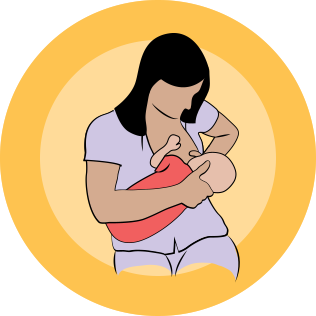
Cradle Hold
For the right breast, cradle your baby with your right arm. Your baby will be on their left side across your lap, facing you at nipple level.
Your baby’s head will rest on your right forearm with your baby’s back along your inner arm and palm.
Turn your baby’s tummy toward your tummy. Your left hand is free to support your breast, if needed. Pillows can help support your arm and elbow.
To protect your back, avoid leaning down to your baby. Instead, bring your baby to you.
Reverse for the left breast.
This hold is useful when:
Your baby needs help latching on
You and your baby are comfortable in this position
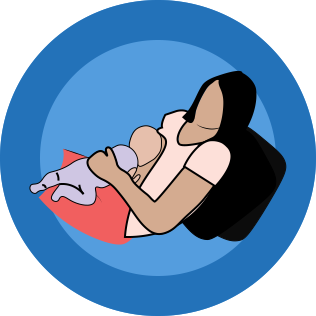
Laid-Back Hold
Lean back on a pillow with your baby’s tummy touching yours and their head at breast level. Some moms find that sitting up nearly straight works well. Others prefer to lean back and lie almost flat.
You can place your baby’s cheek near your breast, or you may want to use one hand to hold your breast near your baby. It’s up to you and what you think feels best.
Your baby will naturally find your nipple, latch, and begin to suckle.
This hold is useful when:
Your baby is placed on your chest right after birth
You have a strong milk let-down
You have large breasts
You and your baby are comfortable in this position







Do you find this Blog helpful?
Show some love here!
No comments yet. Be the first to share your thoughts!