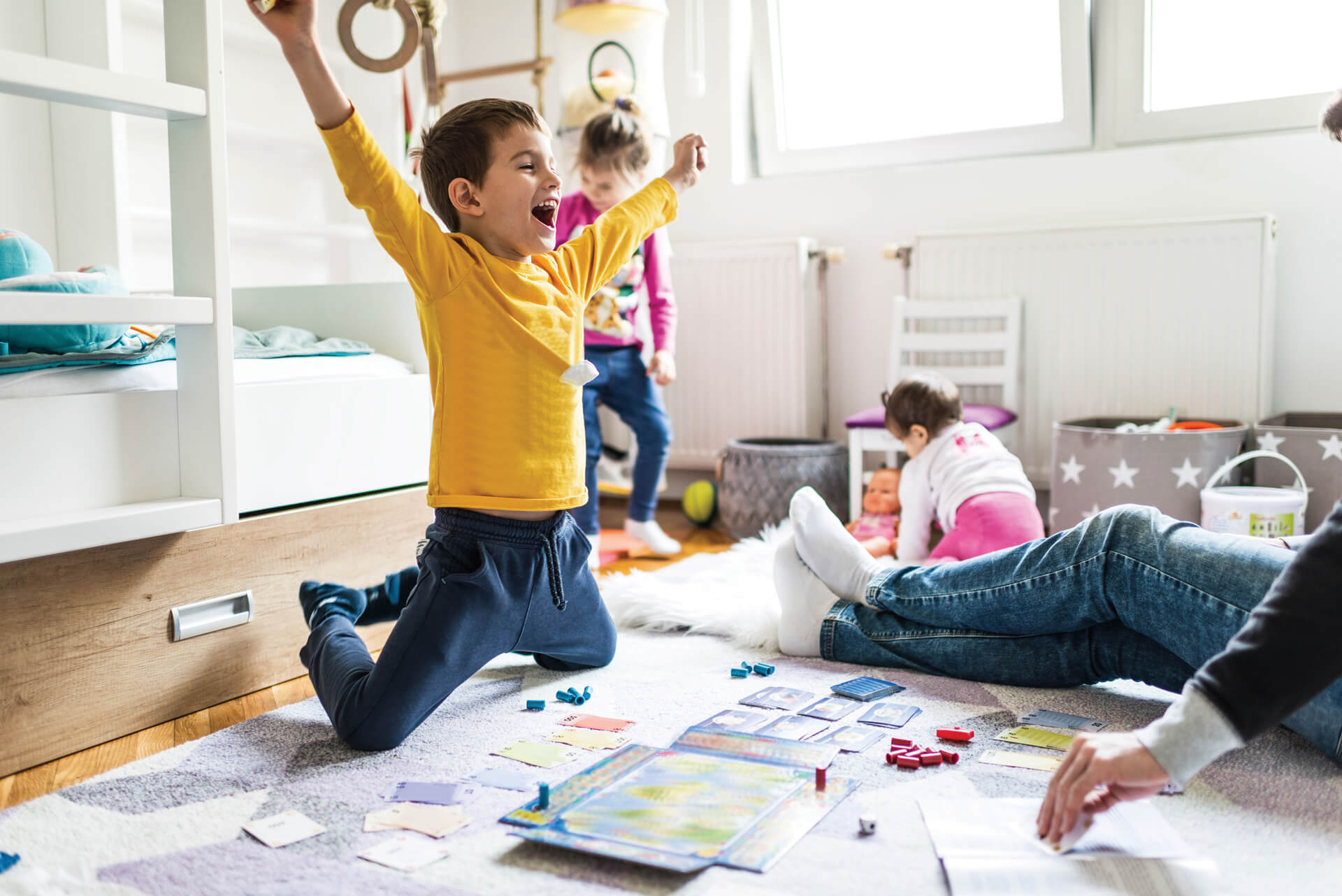
Babies and toddlers are curious and love to explore, so it’s important for parents to make home a safe place to learn and play.
Sadly, accidents are the leading cause of death for children ages 1 to 14.1
Help keep your little ones safe, both indoors and outdoors, as they grow more independent. Create a safer environment for your child with these easy steps:
Get a good view
Get down on your hands and knees and look around each room in your home. This can help you spot things that your baby might reach for or find interesting.
Follow Some Baby Proofing Basics:
Cover electrical outlets and tuck away cords behind furniture.
Secure heavy furniture, like bookshelves and dressers, to the wall to prevent them from tipping over.
Remove clutter and keep sharp corners covered or padded.
Use safety gates to block stairs and rooms that are not safe for children.
Create barriers around fireplaces and wood-burning stoves.
Use toilet seat latches and never leave a child alone in the bathtub.
Keep children away from the kitchen stove, turn pot and pan handles inward, and store sharp objects out of reach.
Store cleaning products, medicines, and other harmful items in a locked cabinet.
Keep small items like batteries and magnets away from children.
Lower the water heater temperature to prevent burns.
Sleeping Safe
Make sure your child’s sleep environment is safe and appropriate for their age.
Remember the A, B, Cs of SAFE SLEEP for your baby’s first year:
ALONE – no blankets, pillows, toys, or other objects near your baby.
BACK – babies breathe easier and sleep better on their back.
CRIB – sharing a bed isn’t safe; babies need their own safe space.
Don’t forget your ABC’s!
Outside Safety
Lock doors and windows and use alarms to prevent children from wandering outside unsupervised.
If you have a pool, install proper fencing and alarms. Never leave a child alone near water.
Everyone over the age of 6 months needs sun protection. Choose a sunscreen with an SPF of 30 or higher. Babies younger than 6 months should stay out of the sun.2
Be Prepared for Emergencies
Teach your children about safety and how to recognize and avoid dangers.
Show them how to call 911 and what to do in case of a fire.
Make sure smoke alarms and carbon monoxide detectors are working.
Consider learning basic first aid and CPR. Many local fire departments offer free classes.
By following these steps, you can make your home a safer place for your child to grow and explore. Remember, keeping an eye on your children, setting rules, and teaching them about safety, will all help to prevent accidents and injuries. Creating a safe environment for your baby takes work, but preventing an accident is well worth the effort to keep your little ones safe and healthy!
Install this web app on your iPhone: tap and then Add to Home Screen.
Share to Social
Share this link via
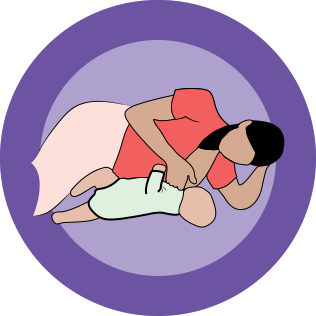
Side-Lying Hold
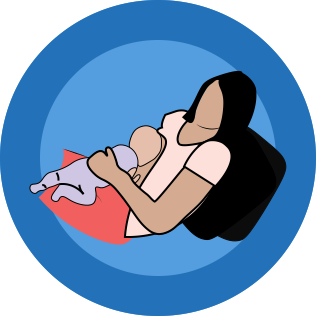
For the right breast, lie on your right side with your baby facing you.
Pull your baby close. Your baby’s mouth should be level with your nipple.
In this position, you can cradle your baby’s back with your left arm and support yourself with your right arm and/or pillows.
Keep loose clothing and bedding away from your baby.
Reverse for the left breast.
This hold is useful when:
You had a C-section
You want to rest while baby feeds
You are breastfeeding in the middle of the night
You and your baby are comfortable in this position
Cross-Cradle Hold
For the right breast, use your left arm to hold your baby’s head at your right breast and baby’s body toward your left side. A pillow across your lap can help support your left arm.
Gently place your left hand behind your baby’s ears and neck, with your thumb and index finger behind each ear and your palm between baby’s shoulder blades. Turn your baby’s body toward yours so your tummies are touching.
Hold your breast as if you are squeezing a sandwich. To protect your back, avoid leaning down to your baby. Instead, bring your baby to you.
As your baby’s mouth opens, push gently with your left palm on baby’s head to help them latch on. Make sure you keep your fingers out of the way.
Reverse for the left breast.
This hold is useful when:
Your baby is premature
Your baby has a weak suck
Your baby needs help to stay latched
Your baby needs extra head support
You and your baby are comfortable in this position
Clutch or “Football” Hold
For the right breast, hold your baby level, facing up, at your right side.
Put your baby’s head near your right nipple and support their back and legs under your right arm.
Hold the base of your baby’s head with your right palm. A pillow underneath your right arm can help support your baby’s weight.
To protect your back, avoid leaning down to your baby. Bring baby to you instead.
Reverse for the left breast.
This hold is useful when:
You had a C-section
You have large breasts
You have flat or inverted nipples
You have a strong milk let-down
You are breastfeeding twins
Your baby likes to feed in an upright position
Your baby has reflux
You and your baby are comfortable in this position
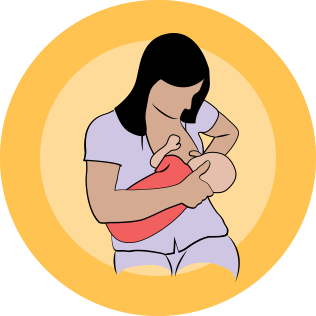
Cradle Hold
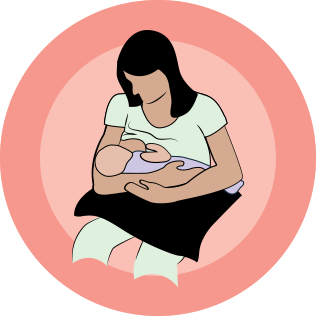
For the right breast, cradle your baby with your right arm. Your baby will be on their left side across your lap, facing you at nipple level.
Your baby’s head will rest on your right forearm with your baby’s back along your inner arm and palm.
Turn your baby’s tummy toward your tummy. Your left hand is free to support your breast, if needed. Pillows can help support your arm and elbow.
To protect your back, avoid leaning down to your baby. Instead, bring your baby to you.
Reverse for the left breast.
This hold is useful when:
Your baby needs help latching on
You and your baby are comfortable in this position
Laid-Back Hold
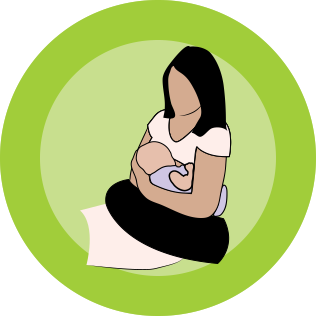
Lean back on a pillow with your baby’s tummy touching yours and their head at breast level. Some moms find that sitting up nearly straight works well. Others prefer to lean back and lie almost flat.
You can place your baby’s cheek near your breast, or you may want to use one hand to hold your breast near your baby. It’s up to you and what you think feels best.
Your baby will naturally find your nipple, latch, and begin to suckle.
This hold is useful when:
Your baby is placed on your chest right after birth
You have a strong milk let-down
You have large breasts
You and your baby are comfortable in this position






Do you find this Blog helpful?
Show some love here!
No comments yet. Be the first to share your thoughts!