
Skip to Content Skip to Footer
Wyoming WIC
Wyoming WIC
  • Home
  • Women
    • Women
      Breastfeeding
    • Women
      Healthy Tips for Moms
    • Women
      Postpartum
    • Women
      Pregnant
  • Infants
    • Infants
      Feeding & Nutrition
    • Infants
      Growth & Development
  • Children
    • Children
      Toddlers
    • Children
      2-5 Year Olds
  • Families
    • Families
      Activity and Play
    • Families
      Dads
    • Families
      Food & Family Meals
    • Families
      Immunizations
    • Families
      Safety
  • Live Well Blog
  • Food Shopping Guide
  • Español
What’s Your Gut Trying to Tell You

What’s Your Gut Trying to Tell You? Understanding IBS and IBD

  • Home
  • Live Well Blog
  • What’s Your Gut Trying to Tell You? Understanding IBS and IBD
What’s Your Gut Trying to Tell You En QR Code
February 12, 2025 General /Family

Belly pain, bloating, and unpredictable bathroom trips can be tough for anyone, including kids. As a parent, understanding common gut conditions like irritable bowel syndrome (IBS) and inflammatory bowel disease (IBD) can help you make informed decisions for your family’s health. While these two conditions share some symptoms, and both can make day-to-day life challenging, they’re very different when it comes to causes and treatments. Let’s break it down and explore simple ways to keep your family’s gut healthy.


Q&A

Questions & Answers

Q:
WHAT IS IBS?
A:

Irritable bowel syndrome (IBS) is a common condition that affects how your stomach and intestines (your gut) work. It impacts about 1 in 7 people, but many may feel too embarrassed to talk about it. While IBS doesn’t damage the gut, it can cause some pretty uncomfortable symptoms, like:

  • Cramping or belly pain
  • Bloating and gas
  • Diarrhea, constipation, or both
  • Changes in the frequency or appearance of bowel movements
pink-flower
Q:
WHAT TRIGGERS IBS?
A:

IBS symptoms can flare up because of certain foods, stress, or changes in gut bacteria. Some people get IBS after a bad stomach infection. Hormonal shifts and stress can also make symptoms worse.

Q:
WHAT IS IBD?
flower
A:

Inflammatory bowel disease (IBD) includes conditions like Crohn’s disease and ulcerative colitis. Unlike IBS, IBD involves ongoing inflammation in the gut that can cause long-term damage without treatment. IBD symptoms can vary for everyone, though often include:

  • Frequent, loose bowel movements (diarrhea)
  • Abdominal pain
  • Unintentional weight loss
  • Rectal bleeding
  • Nausea and vomiting
  • Urgency to have a bowel movement
  • Fatigue and fever
  • Joint pain
  • Eye inflammation
  • Skin rashes
  • Delayed growth and development in children
flower
Q:
WHAT CAUSES IBD?
A:

The exact cause of IBD isn’t clear, but may happen due to:

  • Immune System Problems: Sometimes, the immune system gets confused and attacks healthy parts of the gut, causing inflammation.
  • Family History: If someone in your family has IBD, you’re more likely to have it too.
  • Environmental Triggers: Certain foods, stress, or infections might bring on symptoms, especially if you’re already at risk.
  • Gut Bacteria Changes: When the balance of good and bad bacteria in your gut is off, it may lead to inflammation and other issues.
blue-flower

When should you see a doctor?

Reach out to a healthcare provider if you or your child experience:
  • Unexplained weight loss
  • Ongoing diarrhea or constipation
  • Blood in the stool
  • Severe or worsening belly pain

When should you seek care?

It’s important to catch IBD early. Doctors may use tests like colonoscopies and other imaging tests to spot inflammation. Treatments often include medications to calm the inflammation, suppress the immune system, or in some cases, surgery may be necessary. Currently, there is no cure for IBD, so the focus of treatment is on managing symptoms, reducing inflammation, and achieving periods of remission (when there are no active symptoms of the disease).

Healthy Habits for Gut Health

Whether you’re managing IBS, IBD, or just looking to support better digestion, small changes can make a big difference. Here’s how:
1
Eat a balanced diet​
  • Go for fiber: Whole grains, fruits, and veggies keep digestion on track.
  • Watch for triggers: Some foods—like dairy, spicy dishes, sugary treats, or fizzy drinks—can make symptoms worse.
  • Try low-FODMAP foods: This diet limits certain sugars that may cause digestive issues. Always check with a healthcare provider before making any drastic changes to your or your child’s diet.
2
Stick to a meal routine
  • Eat smaller meals every 3-4 hours.
  • Don’t skip meals—irregular eating can upset your gut.
  • Chew your food well and eat slowly.
  • Eat mindfully – put down the cellphone, turn off the TV, and reduce or eliminate other distractions so you can simply focus on eating.
3
Stay hydrated
  • Drink plenty of water throughout the day.
  • Limit caffeine and alcohol, which can irritate your digestive system.
4
Manage stress
  • Practice relaxation techniques like deep breathing or yoga
  • Stay active—even a daily walk helps.
  • Use mindfulness apps to manage anxiety.
5
Get professional support
  • If symptoms persist, a healthcare provider can help with additional testing, treatments, or dietary advice.
  • For kids, a pediatrician can recommend tailored care to ensure proper growth. Talk with a WIC Nutritionist about foods that help support gut health.

Help your family feel their best!

IBS and IBD can be challenging, but small changes to your family’s diet, routine, and stress management can make a big difference. By building healthy habits and working with your healthcare team, you can support better gut health and overall well-being. Remember: when it comes to taking care of yourself and your family’s health, trust your gut. If something feels off, reach out for help. You and your family deserve to feel healthy and well!

Learn more about IBS and IBD, and find additional support resources from the Chron’s & Colitis Foundation: https://www.crohnscolitisfoundation.org/.

REFERENCES:

Mayo Clinic. Irritable Bowel Syndrome. https://www.mayoclinic.org/diseases-conditions/irritable-bowel-syndrome/symptoms-causes/syc-20360016

Kansas Health System. https://www.kansashealthsystem.com/news-room/blog/0001/01/ibs-ibd-difference
Crohn’s & Colitis Foundation. IBS vs IBD. https://www.crohnscolitisfoundation.org/patientsandcaregivers/what-is-ibd/ibs-vs-ibd
Gastroenterology Consultants of San Antonio. Low FODMAP Diet – FODMAP Foods. https://www.gastroconsa.com/wp-content/uploads/2019/09/Low-FODMAP-Diet-FODMAP-Foods-Updated.pdf
  • Infant
    • The Basics of Paced Bottle-Feeding
    • How Do I Know If My Baby Could Be Tongue-Tied?
    • Protect Your Baby from Cronobacter
    • Exploring the World with Baby – Sensory Play
    • Get Your Baby “Back” to Sleep in a Safe Environment
  • Children
    • Shopping With Kids: A Simple Way to Help Them Like More Foods
    • Pumpkin Fun: Free and Healthy Activities for Kids Under 5
    • Letting Your Child Play with Food Can Be a Good Thing
    • Is Snack Time Treat Time?
    • Fun Ways to Learn About Healthy Food and Get Moving!
  • General /Family
    • Finding Calm When Life Gets Busy: Stress-Management for Parents
    • February Is National Heart Month: Simple Ways to Show Your Heart Some Love
    • 10 Ways to Enjoy Avocados – And Helpful Tips to Feed with Confidence
    • Food, Feelings, and Finding Balance: Understanding Disordered Eating
    • Liquid Calories – Time to Rethink Your Drink?
  • Women
    • How to Know Your Baby Is Getting Enough Breastmilk
    • Breastfeeding Through Growth Spurts and Sleep Changes
    • Baby Blues… or Is It Something More?
    • Gut Health and Gestational Diabetes
    • Blood Pressure: Do You Know Your Numbers?
  • Recipes
    • Heart-Healthy Recipe: Banana Berry Oatmeal Cups
    • Is the Chia Seed Challenge Worth It?
    • Extra Vegetables Quiche
    • Easy Pumpkin Muffins
    • Confetti Bean Salad
Wyoming WIC WDH Public Health

CONTACT US

1-888-996-9378
health.wyo.gov/wic
  • How to apply for WIC

Resources

  • WIC Shopper
  • WIC Smart
  • WIC Breastfeeding Support
  • Wyoming Medicaid
  • Wyoming 211
  • Tell a friend about WIC!
  • Guide to Using Your WIC Benefits
  • Wyoming WIC Facebook
  • Wyoming WIC Instagram
  • Wyoming WIC

USDA is an equal opportunity provider, employer, and lender.

Cookie PolicyPrivacy Policy

© Brush Art Corporation
This website is operated by Brush Art Corporation on behalf of the Wyoming Department of Health.

Install this web app on your iPhone: tap and then Add to Home Screen.

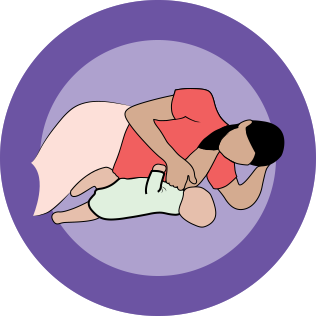
SIDE-LYING HOLD

Side-Lying Hold

  1. For the right breast, lie on your right side with your baby facing you.
  2. Pull your baby close. Your baby’s mouth should be level with your nipple.
  3. In this position, you can cradle your baby’s back with your left arm and support yourself with your right arm and/or pillows.
  4. Keep loose clothing and bedding away from your baby.
  5. Reverse for the left breast.

This hold is useful when:

  • You had a C-section
  • You want to rest while baby feeds
  • You are breastfeeding in the middle of the night
  • You and your baby are comfortable in this position
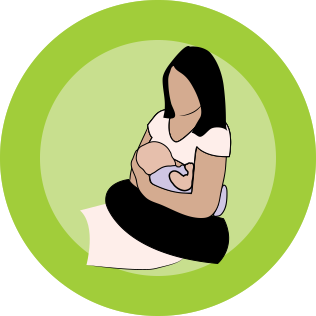
CROSS-CRADLE HOLD

Cross-Cradle Hold

  1. For the right breast, use your left arm to hold your baby’s head at your right breast and baby’s body toward your left side. A pillow across your lap can help support your left arm.
  2. Gently place your left hand behind your baby’s ears and neck, with your thumb and index finger behind each ear and your palm between baby’s shoulder blades. Turn your baby’s body toward yours so your tummies are touching.
  3. Hold your breast as if you are squeezing a sandwich. To protect your back, avoid leaning down to your baby. Instead, bring your baby to you.
  4. As your baby’s mouth opens, push gently with your left palm on baby’s head to help them latch on. Make sure you keep your fingers out of the way.
  5. Reverse for the left breast.

This hold is useful when:

  • Your baby is premature
  • Your baby has a weak suck
  • Your baby needs help to stay latched
  • Your baby needs extra head support
  • You and your baby are comfortable in this position
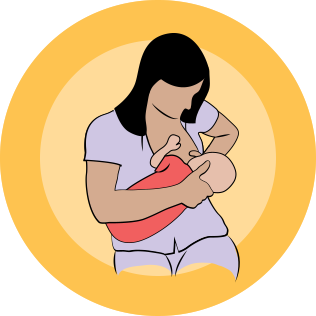
CLUTCH OR “FOOTBALL” HOLD

Clutch or “Football” Hold

  1. For the right breast, hold your baby level, facing up, at your right side.
  2. Put your baby’s head near your right nipple and support their back and legs under your right arm.
  3. Hold the base of your baby’s head with your right palm. A pillow underneath your right arm can help support your baby’s weight.
  4. To protect your back, avoid leaning down to your baby. Bring baby to you instead.
  5. Reverse for the left breast.

This hold is useful when:

  • You had a C-section
  • You have large breasts
  • You have flat or inverted nipples
  • You have a strong milk let-down
  • You are breastfeeding twins
  • Your baby likes to feed in an upright position
  • Your baby has reflux
  • You and your baby are comfortable in this position
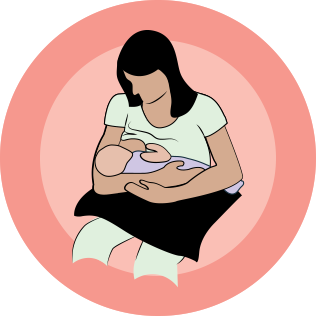
CRADLE HOLD

Cradle Hold

  1. For the right breast, cradle your baby with your right arm. Your baby will be on their left side across your lap, facing you at nipple level.
  2. Your baby’s head will rest on your right forearm with your baby’s back along your inner arm and palm.
  3. Turn your baby’s tummy toward your tummy. Your left hand is free to support your breast, if needed. Pillows can help support your arm and elbow.
  4. To protect your back, avoid leaning down to your baby. Instead, bring your baby to you.
  5. Reverse for the left breast.

This hold is useful when:

  • Your baby needs help latching on
  • You and your baby are comfortable in this position
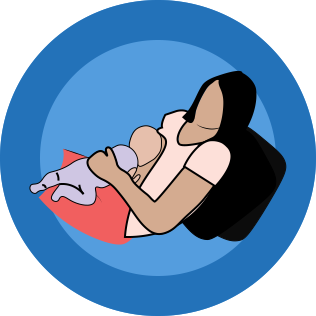
Laid-Back Hold

Laid-Back Hold

  1. Lean back on a pillow with your baby’s tummy touching yours and their head at breast level. Some moms find that sitting up nearly straight works well. Others prefer to lean back and lie almost flat.
  2. You can place your baby’s cheek near your breast, or you may want to use one hand to hold your breast near your baby. It’s up to you and what you think feels best.
  3. Your baby will naturally find your nipple, latch, and begin to suckle.

This hold is useful when:

  • Your baby is placed on your chest right after birth
  • You have a strong milk let-down
  • You have large breasts
  • You and your baby are comfortable in this position