

Skip to Content Skip to Footer
Wyoming WIC
Wyoming WIC
  • Home
  • Women
    • Women
      Breastfeeding
    • Women
      Healthy Tips for Moms
    • Women
      Postpartum
    • Women
      Pregnant
  • Infants
    • Infants
      Feeding & Nutrition
    • Infants
      Growth & Development
  • Children
    • Children
      Toddlers
    • Children
      2-5 Year Olds
  • Families
    • Families
      Activity and Play
    • Families
      Dads
    • Families
      Food & Family Meals
    • Families
      Immunizations
    • Families
      Safety
  • Live Well Blog
  • Food Shopping Guide
  • Español
DietaryGuidelinesforAmericans-WhatFamiliesNeedToKnow

The 2025-2030 Dietary Guidelines for Americans – What Families Need to Know

  • Home
  • Live Well Blog
  • The 2025-2030 Dietary Guidelines for Americans – What Families Need to Know
The2025-2030DietaryGuidelinesforAmericans-WhatFamiliesNeedToKnow
March 18, 2026 General /Family

calender The 2025-2030 Dietary Guidelines for Americans

Every five years, nutrition experts update the Dietary Guidelines for Americans to share the best advice on healthy eating. The 2025–2030 Dietary Guidelines help families make food and drink choices that support growth, energy, and long-term health – starting in pregnancy and early childhood.

These guidelines are meant to be simple, flexible, and realistic for everyday life.

woman and child enjoy a meal at a table

thumb What Stayed the Same

The new dietary guidelines reflect many of the same messages as previously recommended:

  • ✓ Eat more fruits and vegetables every day
  • ✓ Choose whole grains instead of refined grains
  • ✓ Include protein foods like beans, eggs, fish, and poultry
  • ✓ Limit added sugars and excess salt
  • ✓ Focus on whole, less-processed foods
  • ✓ Avoid drinks with added sugars
Emphasize What’s New or Emphasized More

Some of the changes to the new dietary guidelines include:

MORE FLEXIBLE DAIRY GUIDANCE

Older guidelines focused mostly on low-fat or fat-free dairy. The 2025–2030 guidelines say that dairy foods with different fat levels can all fit into a healthy eating pattern.

Here’s what this means for families:

  • ✓ Choose dairy foods your family enjoys and can afford
  • ✓ The focus is on nutrients, not just fat
  • ✓ Portion size and balance still matter

What this means for children:

  • ✓ Children under age 2 are generally recommended whole milk unless advised otherwise by a healthcare provider.
  • ✓ Young children may benefit from whole milk and whole-milk yogurt to support growth.
  • ✓ Older kids and adults can choose from many dairy options that fit their needs.
Hold-baby-feeding

MORE FOCUS ON WHOLE FOODS

Highly processed foods with lots of added sugar or salt are recommended less often, but no food is off limits.

The goal is to eat more foods that are closer to their natural form, such as:
  • ✓ Fresh, frozen, or canned fruits and vegetables
  • ✓ Whole grains like oats and brown rice
  • ✓ Beans, eggs, fish, and poultry

DRINKS MATTER, TOO

What you drink is just as important as what you eat. The new guidelines say drinks with added sugar are not recommended as part of a healthy diet.

  • ✓ Choose plain water as your main source of hydration; it keeps you hydrated with no added sugar.
  • ✓ If you need a little flavor, add a splash of 100% fruit juice to plain water.
  • ✓ Try to avoid soda, sweetened fruit drinks, energy drinks, and other sugary beverages.

Baby healthy Healthy Habits Start Early

One of the strongest messages in the new guidelines is that healthy habits begin early – even before birth. Food and drink choices during pregnancy, infancy, and early childhood help shape growth, learning, and lifelong health.

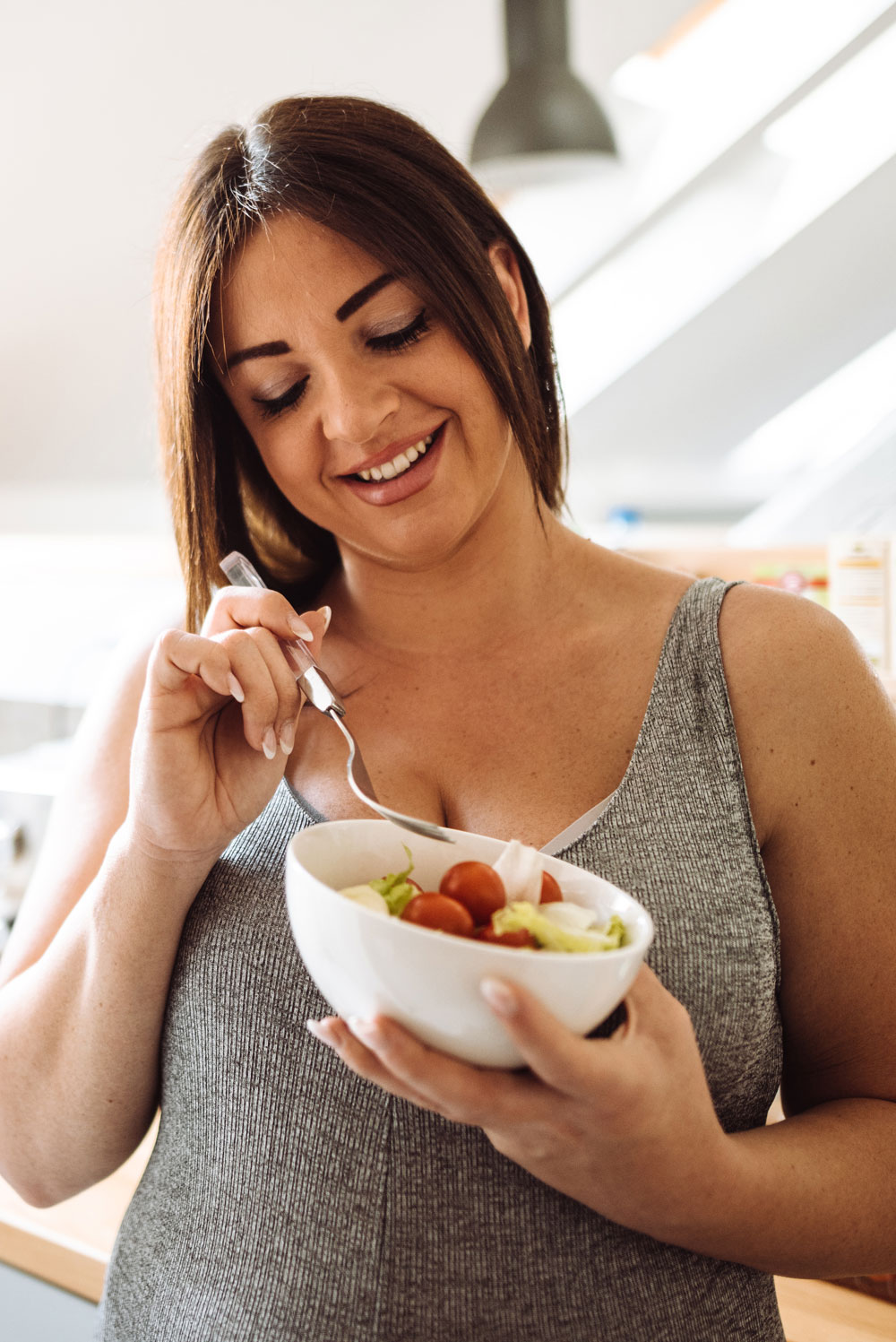
presents a vibrant bowl of salad

pregnancy Nutrition During Pregnancy

Eating well during pregnancy helps support both parent and baby.
The new guidelines encourage:

  • ✓ Eating a variety of foods like fruits, vegetables, whole grains, 
protein foods, and dairy
  • ✓ Drinking water often and choosing healthy drinks
  • ✓ Getting important nutrients like iron, calcium, protein, 
and folate
  • ✓ Prenatal vitamins may also be recommended to help meet 
nutrient needs

Healthy eating during pregnancy can help with:

  • ✓ Supporting baby’s brain and body growth
  • ✓ Lowering the risk of pregnancy problems
  • ✓ Building healthy habits that continue after birth
Babie Lady Feeding Babies and Toddlers

The new guidelines place strong focus on the first two years of life, when babies grow and learn very fast.

Key messages include:

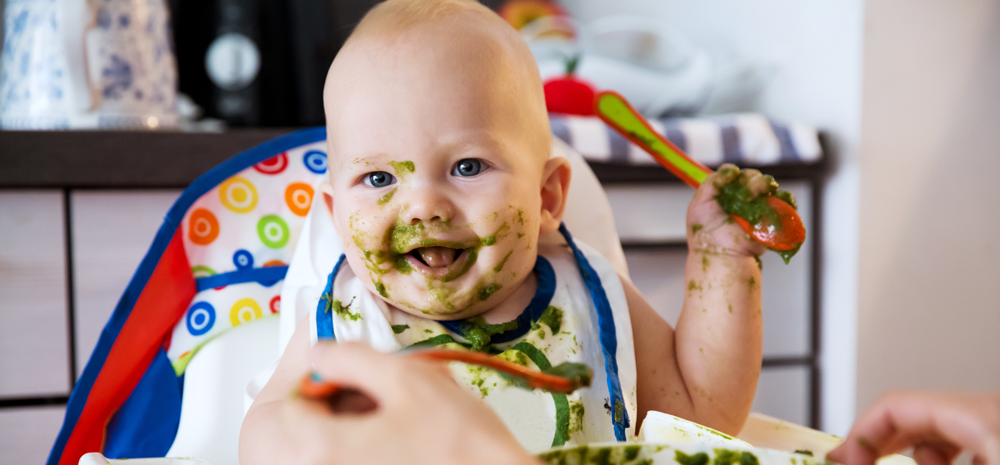
A baby in a high chair is happily eating green food
Babies (0-12 months)
  • ✓ Breast milk and/or iron-fortified formula provide important nutrition early on.
  • ✓ Around 6 months, most babies are ready for solid foods.
  • ✓ Start with soft foods like mashed fruits, vegetables, meats, and beans.
  • ✓ Offer a variety of flavors and textures over time
man and a child enjoying a meal together at a table
Toddlers (12-24 months)
  • ✓ Keep offering healthy foods, even if they 
say “no”.
  • ✓ It can take many tries before a child likes a new food and that’s okay!
  • ✓ Water and milk are the best drinks 
most days.
vegetable Using WIC Foods with the New Guidelines
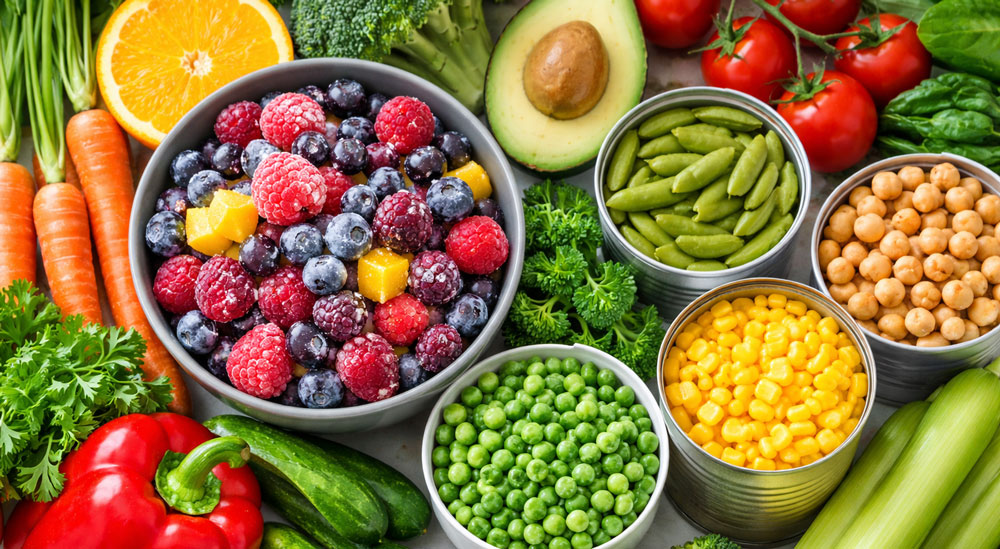
WIC foods support the 2025–2030 guidelines and can make it easier to make healthy eating choices.
Bowls filled with an array of fresh fruits and vegetables

Fruit & vegetables

Fresh, frozen, or canned with no added sugar or low sodium

Three bowls contain quinoa, brown rice, and oats

Whole grains

Whole-wheat bread, brown rice, oats

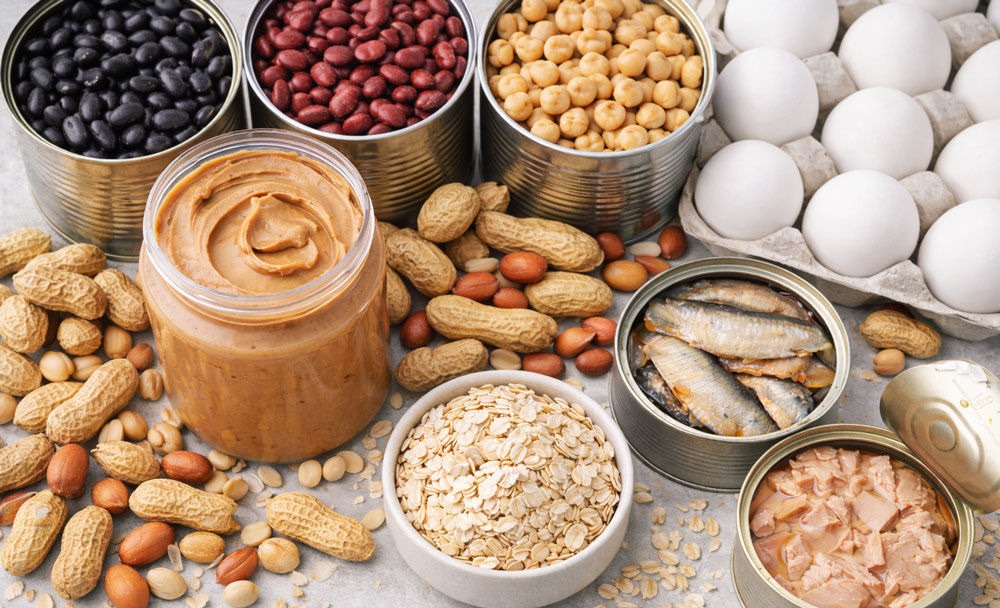
variety of canned and jarred foods

Proteins

Beans, peanut butter, eggs, canned fish
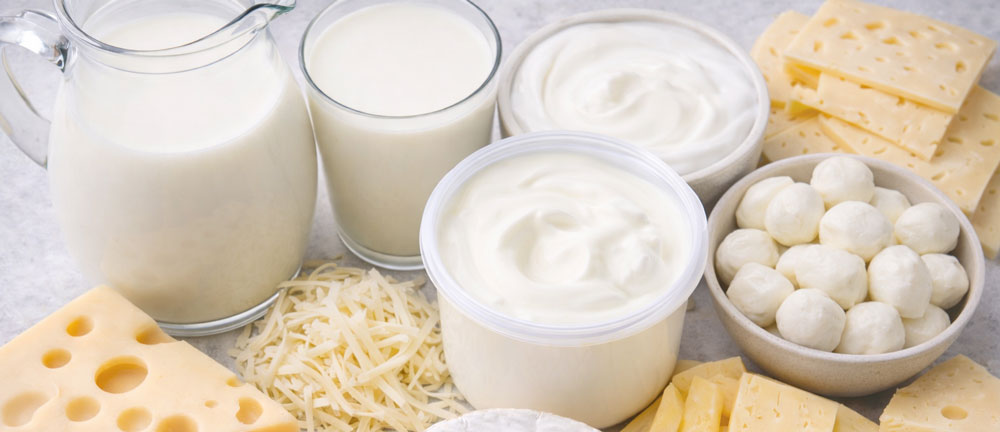
variety of dairy products including cheese

Dairy

Milk, yogurt, cheese

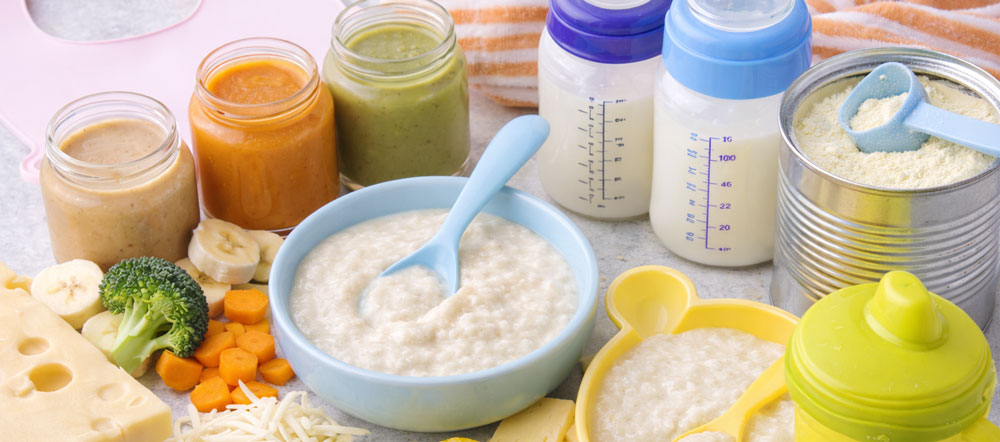
selection of baby food items including milk

Infant foods

That support healthy growth and development

Simple weekly meal plan chart One-Week Simple WIC Meal Example
Healthy eating doesn’t have to be perfect or expensive. Here’s a simple week of meals using WIC foods. Portions should be adjusted based on age, appetite, and individual needs.
Meal SUN MON TUE WED THU FRI SAT
Breakfast

Oatmeal made with milk

+

Sliced Banana

Scrambled eggs

+

Whole-wheat toast

+

Orange slices

Yogurt parfait

+

Berries

+

Oats

Oatmeal

+

Cinnamon

+

Frozen berries

Scrambled egg

+

Cheese on whole-wheat toast

Yogurt

+

Fruit

Oatmeal

+

Milk

+

Apple slices

Lunch

Whole-wheat peanut butter sandwich

+

Apple

Bean and cheese quesadilla

+

Canned low-sodium corn

Tuna salad on whole-wheat bread

+

Carrot sticks

Leftover beans

+

Rice

+

Fruit

Peanut butter and Banana sandwich

Grilled cheese on whole-wheat bread

+

Tomato soup

Leftovers or simple sandwich

+

Fruit

Dinner

Baked chicken

+

Brown rice

+

Steamed frozen broccoli

Spaghetti

+

Tomato sauce

+

Side Salad

Beans

+

Rice

+

Sautéed peppers

+

Onions

Baked fish

+

Roasted potatoes

+

Green beans

Chicken

+

Veggie stir-fry served over brown rice

Homemade veggie pizza on whole-wheat crust

Slow-cooker beans

+

Rice

+

Vegetables

Snack

Yogurt

Banana

+

Peanut butter

Apple slices

Cheese

+

Whole-grain crackers

Yogurt

Orange slices

Banana or Yogurt

eat perfection Remember, Progress over Perfection

Healthy eating isn’t about strict rules. It’s about:
  • ✓ Making the best choices you can
  • ✓ Using the foods you have access to
  • ✓ Feeding your family with care and confidence
No need to be perfect! Small steps count and doing your best most days is enough. WIC is here to support you with foods, nutrition tips, and encouragement every step of the way.

REFERENCES:

Dietary Guidelines for Americans. (2026, January). 2025-2030 Dietary Guidelines for Americans.
https://cdn.realfood.gov/DGA.pdf

Dietary Guidelines for Americans. (2026). Scientific Report of the 2025 Dietary Guidelines Advisory Committee.
https://www.dietaryguidelines.gov/sites/default/files/2024-12/Scientific_Report_of_the_2025_Dietary_Guidelines_Advisory_Committee_508c.pdf

Author: Amanda Hojnacki
  • Infant
    • The Basics of Paced Bottle-Feeding
    • How Do I Know If My Baby Could Be Tongue-Tied?
    • Protect Your Baby from Cronobacter
    • Exploring the World with Baby – Sensory Play
    • Get Your Baby “Back” to Sleep in a Safe Environment
  • Children
    • Shopping With Kids: A Simple Way to Help Them Like More Foods
    • Pumpkin Fun: Free and Healthy Activities for Kids Under 5
    • Letting Your Child Play with Food Can Be a Good Thing
    • Is Snack Time Treat Time?
    • Fun Ways to Learn About Healthy Food and Get Moving!
  • General /Family
    • Finding Calm When Life Gets Busy: Stress-Management for Parents
    • February Is National Heart Month: Simple Ways to Show Your Heart Some Love
    • 10 Ways to Enjoy Avocados – And Helpful Tips to Feed with Confidence
    • Food, Feelings, and Finding Balance: Understanding Disordered Eating
    • Liquid Calories – Time to Rethink Your Drink?
  • Women
    • Newborn Hunger Cues: How to Know When Your Baby Is Hungry or Full
    • How to Know Your Baby Is Getting Enough Breastmilk
    • Breastfeeding Through Growth Spurts and Sleep Changes
    • Baby Blues… or Is It Something More?
    • Gut Health and Gestational Diabetes
  • Recipes
    • Heart-Healthy Recipe: Banana Berry Oatmeal Cups
    • Is the Chia Seed Challenge Worth It?
    • Extra Vegetables Quiche
    • Easy Pumpkin Muffins
    • Confetti Bean Salad
Wyoming WIC WDH Public Health

CONTACT US

1-888-996-9378
health.wyo.gov/wic
  • How to apply for WIC

Resources

  • WIC Shopper
  • WIC Smart
  • WIC Breastfeeding Support
  • Wyoming Medicaid
  • Wyoming 211
  • Tell a friend about WIC!
  • Guide to Using Your WIC Benefits
  • Wyoming WIC Facebook
  • Wyoming WIC Instagram
  • Wyoming WIC

USDA is an equal opportunity provider, employer, and lender.

Cookie PolicyPrivacy Policy

© Brush Art Corporation
This website is operated by Brush Art Corporation on behalf of the Wyoming Department of Health.

Install this web app on your iPhone: tap and then Add to Home Screen.
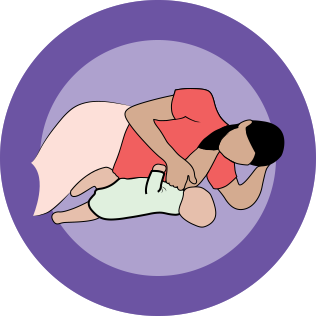
SIDE-LYING HOLD

Side-Lying Hold

  1. For the right breast, lie on your right side with your baby facing you.
  2. Pull your baby close. Your baby’s mouth should be level with your nipple.
  3. In this position, you can cradle your baby’s back with your left arm and support yourself with your right arm and/or pillows.
  4. Keep loose clothing and bedding away from your baby.
  5. Reverse for the left breast.

This hold is useful when:

  • You had a C-section
  • You want to rest while baby feeds
  • You are breastfeeding in the middle of the night
  • You and your baby are comfortable in this position
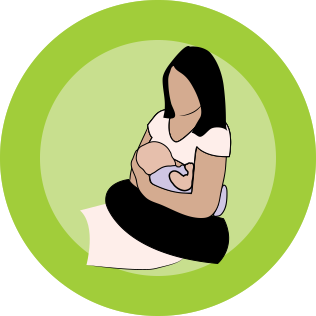
CROSS-CRADLE HOLD

Cross-Cradle Hold

  1. For the right breast, use your left arm to hold your baby’s head at your right breast and baby’s body toward your left side. A pillow across your lap can help support your left arm.
  2. Gently place your left hand behind your baby’s ears and neck, with your thumb and index finger behind each ear and your palm between baby’s shoulder blades. Turn your baby’s body toward yours so your tummies are touching.
  3. Hold your breast as if you are squeezing a sandwich. To protect your back, avoid leaning down to your baby. Instead, bring your baby to you.
  4. As your baby’s mouth opens, push gently with your left palm on baby’s head to help them latch on. Make sure you keep your fingers out of the way.
  5. Reverse for the left breast.

This hold is useful when:

  • Your baby is premature
  • Your baby has a weak suck
  • Your baby needs help to stay latched
  • Your baby needs extra head support
  • You and your baby are comfortable in this position
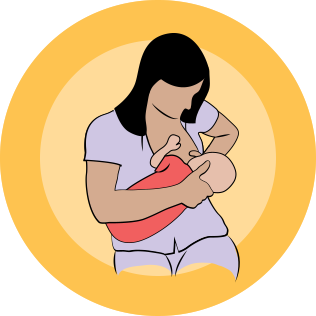
CLUTCH OR “FOOTBALL” HOLD

Clutch or “Football” Hold

  1. For the right breast, hold your baby level, facing up, at your right side.
  2. Put your baby’s head near your right nipple and support their back and legs under your right arm.
  3. Hold the base of your baby’s head with your right palm. A pillow underneath your right arm can help support your baby’s weight.
  4. To protect your back, avoid leaning down to your baby. Bring baby to you instead.
  5. Reverse for the left breast.

This hold is useful when:

  • You had a C-section
  • You have large breasts
  • You have flat or inverted nipples
  • You have a strong milk let-down
  • You are breastfeeding twins
  • Your baby likes to feed in an upright position
  • Your baby has reflux
  • You and your baby are comfortable in this position
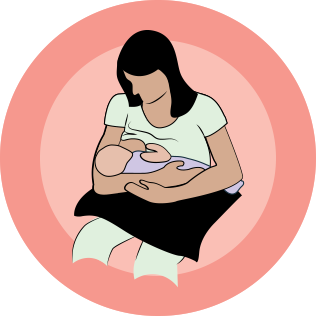
CRADLE HOLD

Cradle Hold

  1. For the right breast, cradle your baby with your right arm. Your baby will be on their left side across your lap, facing you at nipple level.
  2. Your baby’s head will rest on your right forearm with your baby’s back along your inner arm and palm.
  3. Turn your baby’s tummy toward your tummy. Your left hand is free to support your breast, if needed. Pillows can help support your arm and elbow.
  4. To protect your back, avoid leaning down to your baby. Instead, bring your baby to you.
  5. Reverse for the left breast.

This hold is useful when:

  • Your baby needs help latching on
  • You and your baby are comfortable in this position
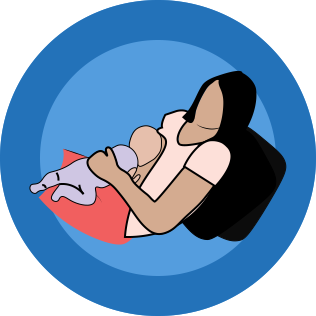
Laid-Back Hold

Laid-Back Hold

  1. Lean back on a pillow with your baby’s tummy touching yours and their head at breast level. Some moms find that sitting up nearly straight works well. Others prefer to lean back and lie almost flat.
  2. You can place your baby’s cheek near your breast, or you may want to use one hand to hold your breast near your baby. It’s up to you and what you think feels best.
  3. Your baby will naturally find your nipple, latch, and begin to suckle.

This hold is useful when:

  • Your baby is placed on your chest right after birth
  • You have a strong milk let-down
  • You have large breasts
  • You and your baby are comfortable in this position