Eating for pregnancy may seem complicated — so many nutrients to squeeze in! And, you don’t want to gain too much weight…or spend too much money on food! Wouldn’t it be great if someone wrote a menu for you so you’d know what to eat each day? Well, we did the work for you in this article!
Keep in Mind These 6 Easy Tips for Meal Planning:
Eat Regularly
This can help you keep tummy problems like heartburn and nausea away.
Eat A Variety
This means don’t eat the same things every day. Eat different types of protein — some days choosing chicken, some meatless like beans, sometimes eating fish, lean beef or pork.
Eat Fruits
Have fruit or veggies at each meal.
Eat The Rainbow
Eating different colored fruits and veggies at each meal will make your plate more inviting and your meals healthier. Wash fruits and vegetables well before eating.
Cook with Leftovers in Mind
Cook once; eat two to three times.
Watch The Fat And Sugar
They can add extra calories you probably don’t
need.
MENU IDEAS
BREAKFAST
PLANNING TIP:Protein in the morning will help keep you full longer!
Breakfast smoothie: Greek yogurt, frozen peaches and pineapple, with a tablespoon of uncooked oats or ground flax seed. (Optional: small handful of kale or spinach, washed well)
Peachy French toast: Top French toast with light cream cheese and fresh or canned peaches. Great way to use stale bread!
Pumpkin-Yogurt Sundae: Mix ½ cup pumpkin puree with ½ cup vanilla yogurt. Top with your favorite breakfast cereal.
Egg and spinach breakfast burrito. (Spinach helps baby’s eye development!)
Peanut butter n' banana oatmeal. Cook per directions. Stir in 1 tablespoon of peanut butter, ½ chopped banana and a sprinkle of cinnamon.
LUNCH
PLANNING TIP:Pack your lunch the night before so you’re not tempted by fast food!
Lentil and carrot soup; whole wheat toast; cucumber spears; tangerine.
Grilled cheese sandwich on whole wheat bread; tomato soup; tangerine.
Bean burrito with guacamole, lettuce and tomato; peaches.
Baked chicken; mashed sweet potato; cooked spinach or greens; apple slices.
Pasta salad with tuna, cucumber, avocado, sliced tomatoes and bell peppers over lettuce; pineapple slices.
Spinach salad with sliced pork chop strips, dried fruit, sliced tomatoes; wheat crackers.
DINNER
PLANNING TIP:Cooked meat, pork, poultry and seafood can only be kept refrigerated for 3-4 days after cooking. If you don’t think you will use it in that time, freeze it.
Pork chops; brown rice; broccoli; apple slices.
Salmon patties made with canned salmon; corn relish (corn, bell pepper, tomato, onion, cilantro); avocado, cornbread, cabbage salad; tangerine.
Pumpkin Chili; cornbread; pear slices with yogurt.
Black or pinto beans with squash and rice, carrots with dip, apple slices.
Rotini (curly) pasta; meat sauce; spinach salad with sliced pear.
Lentil soup; cabbage salad; garlic bread; grapes.
Baked or grilled chicken; grilled pineapple slices; cooked spinach or mustard greens; pinto or black beans.
Stir-fry with lean pork, beef, tofu or chicken, bell pepper, carrots and broccoli; brown rice; frozen yogurt with peaches.
SNACKS
PLANNING TIP:Always keep some healthy snacks handy in your refrigerator or purse.
Black bean dip (or hummus) with veggies.
Yogurt with fruit.
Graham crackers or oatmeal cookies with milk.
Cheese with crackers or fruit.
Baby carrots and celery with dip.
Cereal with milk.
Dry cereal, nuts and dried fruit.
Banana or apple with peanut or nut butter.
Do you find this Blog helpful?
Show some love here!
No comments yet. Be the first to share your thoughts!
Install this web app on your iPhone: tap and then Add to Home Screen.
Share to Social
Share this link via
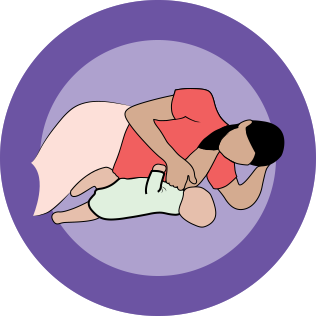
Side-Lying Hold
For the right breast, lie on your right side with your baby facing you.
Pull your baby close. Your baby’s mouth should be level with your nipple.
In this position, you can cradle your baby’s back with your left arm and support yourself with your right arm and/or pillows.
Keep loose clothing and bedding away from your baby.
Reverse for the left breast.
This hold is useful when:
You had a C-section
You want to rest while baby feeds
You are breastfeeding in the middle of the night
You and your baby are comfortable in this position
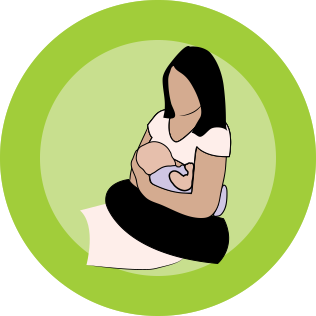
Cross-Cradle Hold
For the right breast, use your left arm to hold your baby’s head at your right breast and baby’s body toward your left side. A pillow across your lap can help support your left arm.
Gently place your left hand behind your baby’s ears and neck, with your thumb and index finger behind each ear and your palm between baby’s shoulder blades. Turn your baby’s body toward yours so your tummies are touching.
Hold your breast as if you are squeezing a sandwich. To protect your back, avoid leaning down to your baby. Instead, bring your baby to you.
As your baby’s mouth opens, push gently with your left palm on baby’s head to help them latch on. Make sure you keep your fingers out of the way.
Reverse for the left breast.
This hold is useful when:
Your baby is premature
Your baby has a weak suck
Your baby needs help to stay latched
Your baby needs extra head support
You and your baby are comfortable in this position
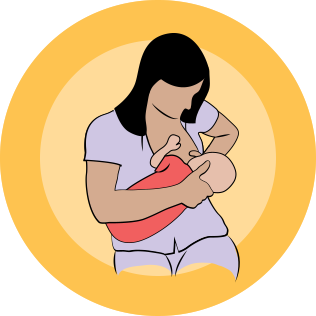
Clutch or “Football” Hold
For the right breast, hold your baby level, facing up, at your right side.
Put your baby’s head near your right nipple and support their back and legs under your right arm.
Hold the base of your baby’s head with your right palm. A pillow underneath your right arm can help support your baby’s weight.
To protect your back, avoid leaning down to your baby. Bring baby to you instead.
Reverse for the left breast.
This hold is useful when:
You had a C-section
You have large breasts
You have flat or inverted nipples
You have a strong milk let-down
You are breastfeeding twins
Your baby likes to feed in an upright position
Your baby has reflux
You and your baby are comfortable in this position
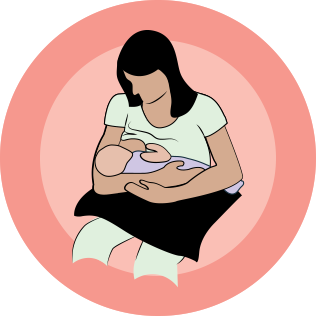
Cradle Hold
For the right breast, cradle your baby with your right arm. Your baby will be on their left side across your lap, facing you at nipple level.
Your baby’s head will rest on your right forearm with your baby’s back along your inner arm and palm.
Turn your baby’s tummy toward your tummy. Your left hand is free to support your breast, if needed. Pillows can help support your arm and elbow.
To protect your back, avoid leaning down to your baby. Instead, bring your baby to you.
Reverse for the left breast.
This hold is useful when:
Your baby needs help latching on
You and your baby are comfortable in this position
Laid-Back Hold
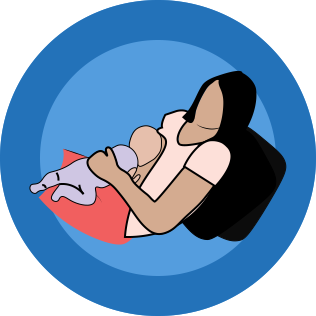
Lean back on a pillow with your baby’s tummy touching yours and their head at breast level. Some moms find that sitting up nearly straight works well. Others prefer to lean back and lie almost flat.
You can place your baby’s cheek near your breast, or you may want to use one hand to hold your breast near your baby. It’s up to you and what you think feels best.
Your baby will naturally find your nipple, latch, and begin to suckle.
This hold is useful when:
Your baby is placed on your chest right after birth
You have a strong milk let-down
You have large breasts
You and your baby are comfortable in this position











Do you find this Blog helpful?
Show some love here!
No comments yet. Be the first to share your thoughts!