Skip to Content Skip to Footer
Wyoming WIC
Wyoming WIC
  • Home
  • Women
    • Women
      Breastfeeding
    • Women
      Healthy Tips for Moms
    • Women
      Postpartum
    • Women
      Pregnant
  • Infants
    • Infants
      Feeding & Nutrition
    • Infants
      Growth & Development
  • Children
    • Children
      Toddlers
    • Children
      2-5 Year Olds
  • Families
    • Families
      Activity and Play
    • Families
      Dads
    • Families
      Food & Family Meals
    • Families
      Immunizations
    • Families
      Safety
  • Live Well Blog
  • Food Shopping Guide
  • Español

Your Family Guide to
Substance Use and Support

  • Home
  • Families
  • Safety
  • Your Family Guide to Substance Use and Support
How Substances Affect Your Family
Nourishing Change: Food as a Path to Well-Being
Fueling Your Journey: Simple Steps for Better Eating
Important Reminders
Building a Strong Family: Support for Everyone
  • Plans of Safe Care (PoSC): A Community Safety Net
  • A Safe Home for Your Children
  • Talking with Your Children
Where to Find Help
  • Tobacco and Nicotine
  • Substance Use and Mental Health
  • Family Members
  • General Resources
your-family-guide-to-substance-use-and-support QR code
Let’s Get Started

Parenting can be tough, and sometimes parents use substances like alcohol, tobacco, e-cigarettes, marijuana, or other drugs to cope with stress or hard feelings.

If you, or someone close to you, is pregnant or breastfeeding, substances can affect your baby’s growth and well-being. Even if you are not pregnant, using substances can make it hard to take care of yourself. It can also make it hard to take care of your child. If you are finding it hard to manage substance use, or if you are worried about somebody who is using substances, you are not alone.

Below you’ll find clear information about substance use and its impact on adults and children, along with where you can find support.

Protecting Tiny Futures:
Substance Use During Pregnancy and Breastfeeding

When you are pregnant, substances like alcohol, drugs, and nicotine pass through the placenta to your baby. If your baby is exposed to alcohol, nicotine, or drugs while you are pregnant, you should let your doctor know. Substance use during pregnancy can cause:

Scale Blue Icon

Low birth weight

Early Birth Icon

Early birth

Birth Difference Icon

Birth differences and developmental issues

Nas Icon

Neonatal Abstinence Syndrome (NAS):

This is when a baby is born dependent on a drug used during pregnancy and has withdrawal symptoms

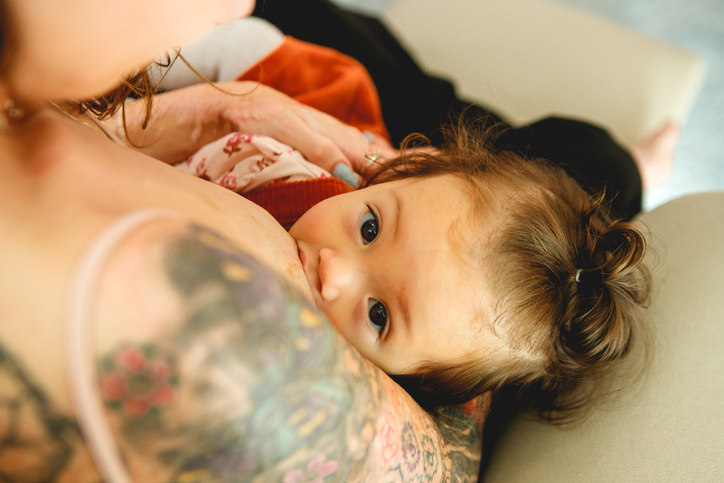
Brazilian woman breastfeeding her baby

Substances you use can also get into your breast milk and affect your baby.

For example, drugs like nicotine and alcohol can make your milk supply lower. They can also make your baby fussy, sleepy, or sick. Because of this, you might need to change when you breastfeed or stop breastfeeding entirely if you use certain substances to keep your baby safe. Deciding what to do is a big choice. It’s best to talk to a doctor or nurse. They can help you figure out the safest option for you and your baby.

How Substances Affect You and Your Family

Click the tabs below to learn more on how each substance might affect you and your baby:

ALCOHOL
NICOTINE (smoking, e-cigarettes, chew)
MARIJUANA (smoking or edibles)
AMPHETAMINES (like Speed, Meth)
COCAINE / CRACK
SEDATIVE-HYPNOTICS (like Benzodiazepines, Sleeping Pills)
OPIATES (like Heroin, Pain Pills)
HALLUCINOGENS (like LSD, PCP, Mushrooms)
INHALANTS / SOLVENTS (like Glue, Paint Thinners)
ALCOHOL

Icons_ALCOHOL

HOW USING ALCOHOL CAN AFFECT YOU

Alcohol can make it hard for you to think clearly, remember things, and move around easily.

It can also harm your heart, liver, and stomach.

It can increase your risk for some types of cancer and affect your menstrual cycle.

If you are breastfeeding, alcohol can lower your milk supply and make it harder for your milk to be released.

It can also lead to you not getting enough of the good foods your body needs, and cause problems with your nerves and stomach.

HOW USING ALCOHOL DURING PREGNANCY CAN AFFECT YOUR BABY

Using alcohol when you are pregnant can cause a group of lifelong problems known as Fetal Alcohol Spectrum Disorders (FASDs).

FASDs can include birth differences, problems with brain growth and facial development, and long-term learning and behavior problems that can last a lifetime.

It can also cause you to lose the baby too early or cause a stillbirth, and can lead to babies being born too small or too early.

It can also increase the risk of Sudden Infant Death Syndrome (SIDS).

HOW USING ALCOHOL WHEN YOU BREASTFEED CAN AFFECT YOUR BABY

It can slow the baby’s ability to reach movement milestones such as rolling over, sitting up, and crawling.

Alcohol can change the baby’s sleep and make them drink less milk. This can make it harder for the baby to gain weight.
NICOTINE (smoking, e-cigarettes, chew)

Icons_ALCOHOL

HOW USING NICOTINE CAN AFFECT YOU

Using tobacco, nicotine, or e-cigarettes can increase your risk of lung problems, heart problems, and stroke.

Nicotine can raise your blood pressure and lower the oxygen levels in your body.

Using these substances can also make it harder for you to get pregnant, slow down wound healing, and increase the risk of tooth decay.

It can increase the risk of pregnancy complications for you, like pre-eclampsia (a type of high blood pressure that can cause other serious health issues) and placental abnormalities (problems with the placenta).

HOW USING NICOTINE DURING PREGNANCY CAN AFFECT YOUR BABY

Nicotine can cause slow growth in the baby, leading to them being born too small and too early.

It can also increase the risk of miscarriage or stillbirth.

It can also cause a baby’s water to break too early.

It is a risk factor for Sudden Infant Death Syndrome (SIDS).

HOW USING NICOTINE WHEN YOU BREASTFEED CAN AFFECT YOUR BABY

It can cause colic (a lot of crying), poor feeding, and changes in the baby’s sleep.

It can lower how much breast milk you make.

It can lead to lower weight gain for the baby.

It can also increase the risk of breathing problems, allergies, and Sudden Infant Death Syndrome (SIDS).

HOW USING NICOTINE AROUND YOUR CHILD CAN AFFECT THEM

For your child, there is no safe level of exposure to tobacco smoke.

Children exposed to secondhand smoke have a higher risk of wheezing and asthma.

They also have higher risks for ear infections, allergies, pneumonia, and Sudden Infant Death Syndrome (SIDS).

Secondhand smoke can cause growth delays, sleep problems, and tooth decay in children. It can also lead to more missed days of school.

Thirdhand smoke can cause a child to have respiratory problems, such as asthma, and can damage their cells. This happens when a child breathes in or touches the harmful smoke residue that clings to indoor surfaces.

Children of people who smoke are more likely to become smokers as adults. They may start at a younger age and become more dependent on nicotine than other adults.

MARIJUANA (smoking or edibles)

Icons_ALCOHOL

HOW USING MARIJUANA CAN AFFECT YOU

Marijuana can make it hard for you to focus and remember things.

It can also cause problems with your heart and lung health.

For men, it can lower sperm count. For women, it can affect your menstrual cycle and increase the risk of mental health issues.

Breathing secondhand marijuana smoke is not good for you or your baby because it has many of the same harmful chemicals as tobacco smoke.

HOW USING MARIJUANA DURING PREGNANCY CAN AFFECT YOUR BABY

Marijuana use can cause a shorter pregnancy or a baby to be born too early.

It can also increase the risk of stillbirth and cause babies to be born too small, with a smaller head size, and shorter length.

A baby exposed to marijuana during pregnancy may be at higher risk for problems with learning, memory, attention, planning, and self-control. Some studies also show a possible link to hyperactivity, aggression, or anxiety. Not all babies exposed will develop these problems, but the risk is greater compared to babies who were not exposed.

Research suggests that prenatal marijuana exposure can lead to the child starting to use marijuana earlier in life.

Doctors are still learning about all the ways marijuana can affect a baby’s brain.

HOW USING MARIJUANA WHEN YOU BREASTFEED CAN AFFECT YOUR BABY

It can make the baby sleepy and cause weak muscles.

It can also cause poor feeding in the baby.

Marijuana can also cause delays in the baby’s growth and development.

HOW USING MARIJUANA AROUND YOUR CHILD CAN AFFECT THEM

Marijuana smoke has many of the same harmful chemicals as tobacco smoke.

Breathing in secondhand smoke from any source, including marijuana, is not good for anyone.

Keeping the air around you and your baby clear of all smoke, including secondhand marijuana smoke, is important for their health.

AMPHETAMINES (like Speed, Meth)

Icons_ALCOHOL

HOW USING AMPHETAMINES CAN AFFECT YOU

Amphetamines can make you see or hear things that aren’t really there.

They can also make you feel very worried or scared.

These drugs can make your heart beat fast or unevenly, and they can cause a stroke or heart attack.

If you inject these drugs, you can get infections like HIV.

They can also cause seizures and serious mental health problems.

HOW USING AMPHETAMINES DURING PREGNANCY CAN AFFECT YOUR BABY

Amphetamines can cause babies to be born too early or too small.

Newborns might be more stressed and easily bothered.

The drugs can cause weak muscles and poor movement in babies.

They can also increase the risk of seizures and cause delays in how the baby moves.

HOW USING AMPHETAMINES WHEN YOU BREASTFEED CAN AFFECT YOUR BABY

These drugs can readily pass into the breast milk.

Amphetamine use can make the baby very fussy, cause poor feeding, and change the way the baby sleeps.

It can also cause poor muscle control, high heart rate, hallucinations, and seizures in the baby.

HOW USING AMPHETAMINES AROUND YOUR CHILD CAN AFFECT THEM

Babies and young children are more sensitive to second hand smoke from any substance because their bodies and brains are still growing.
COCAINE / CRACK

Icons_ALCOHOL

HOW USING COCAINE / CRACK CAN AFFECT YOU

Cocaine and crack can harm your nose, heart, and brain.

If you inject these drugs, you can get infections like HIV.

Using them can also cause your heart or breathing to stop suddenly.

HOW USING COCAINE / CRACK DURING PREGNANCY CAN AFFECT YOUR BABY

Cocaine can cause your baby to be born too early.

It can cause serious harm to the baby’s intestines and brain from a lack of oxygen.

The baby might have a smaller head than expected.

It can increase the chance of seizures.

Cocaine can also cause your water to break too early or the placenta to pull away too soon.

It can increase the risk of miscarriage and cause problems with the baby’s brain and nerve growth.

HOW USING COCAINE / CRACK WHEN YOU BREASTFEED CAN AFFECT YOUR BABY

These drugs can readily pass into the breast milk.

The drug can cause diarrhea, a fast heart rate, and high blood pressure in the baby.

It can also cause seizures, vomiting, and trouble swallowing or choking.

Cocaine can make the baby fussy, cause shaking, and make them startle easily.

HOW USING COCAINE / CRACK AROUND YOUR CHILD CAN AFFECT THEM

Babies and young children are more sensitive to second hand smoke from any substance because their bodies and brains are still growing.
SEDATIVE-HYPNOTICS (like Benzodiazepines, Sleeping Pills)

Icons_ALCOHOL

HOW USING SEDATIVE-HYPNOTICS CAN AFFECT YOU

These drugs can make it hard for you to move well and cause you to feel sleepy.

They can also lead to you losing your appetite, throwing up, and feeling sick.

Using these drugs can lead to addiction, and an overdose can be fatal.

They may also cause you to feel worried or down and can cause blurry eyesight.

HOW USING SEDATIVE-HYPNOTICS DURING PREGNANCY CAN AFFECT YOUR BABY

Can increase the risk of birth defects, especially if used during the first three months.

After your baby is born, they may experience withdrawal because their body is no longer getting the drug. If this happens, you might notice the following:

  • Your baby may be unusually irritable, cry much more than usual, and have a hard time sleeping.
  • You might see physical signs like stiff muscles, shaking (tremors), or sudden, jerky movements.
  • Your baby could struggle with feeding, or they might have vomiting or diarrhea.
  • In some cases, a baby can develop serious breathing problems, such as very shallow breathing or even brief pauses where they stop breathing.

HOW USING SEDATIVE-HYPNOTICS WHEN YOU BREASTFEED CAN AFFECT YOUR BABY

It can make the baby drowsy and cause them to feed poorly.

It can also cause the baby to have trouble sleeping.

OPIATES (like Heroin, Pain Pills)

Icons_ALCOHOL

HOW USING OPIATES CAN AFFECT YOU

You have a high risk of becoming addicted to these drugs, which can lead to overdose and serious infections like HIV.

They can also cause very bad withdrawal symptoms, such as throwing up, feeling cold, and sweating a lot.

HOW USING OPIATES DURING PREGNANCY CAN AFFECT YOUR BABY

Opiates can cause babies to be born too small or cause stillbirth.

The baby might have withdrawal symptoms such as crying, shaking, or trouble feeding.

They can also increase the risk of Sudden Infant Death Syndrome (SIDS).

These drugs can cause serious brain and nerve problems, like seizures.

HOW USING OPIATES WHEN YOU BREASTFEED CAN AFFECT YOUR BABY

It can make the baby too sleepy and cause feeding problems. In some cases, it can cause serious breathing problems that could lead to death.

The baby can also experience withdrawal symptoms such as sucking problems, unusually loud crying, or difficulty in calming down if they have had breast milk containing opiates.

HOW USING OPIATES AROUND YOUR CHILD CAN AFFECT THEM

Babies and young children are more sensitive to second hand smoke from any substance because their bodies and brains are still growing.

HALLUCINOGENS (like LSD, PCP, Mushrooms)

Icons_ALCOHOL

HOW USING HALLUCINOGENS CAN AFFECT YOU

These drugs can cause problems with your memory, speech, and mood.

They can also make you feel paranoid, worried, and scared.

Hallucinogens can make you see or hear things that aren’t real, and they can cause serious mental health problems.

They can also cause seizures and even death.

HOW USING HALLUCINOGENS DURING PREGNANCY CAN AFFECT YOUR BABY

Hallucinogens can cause delays in how the baby moves.

They can also cause birth differences, which are problems with how the baby’s body forms.

The full, long-term effects of hallucinogens on brain growth are not fully known, but they can affect how the brain and nerves develop over time.

HOW USING HALLUCINOGENS WHEN YOU BREASTFEED CAN AFFECT YOUR BABY

There is lack of data on how much hallucinogens like LSD or psilocybin (“magic mushrooms”) transfer into breast milk. Each product may be different, although some transfer into milk is expected, but how much is unknown.

INHALANTS / SOLVENTS (like Glue, Paint Thinners)

Icons_ALCOHOL

HOW USING INHALANTS / SOLVENTS CAN AFFECT YOU

These substances can cause sudden death from heart failure or from not being able to breathe.

They can also harm your brain, liver, lungs, and kidneys.

Using them can increase your risk of getting hurt from accidents.

HOW USING INHALANTS / SOLVENTS DURING PREGNANCY CAN AFFECT YOUR BABY

Can cause birth defects such as problems with the spine, face, kidneys, and digestion.

Can cause a smaller head and brain size.

Can cause developmental, learning, and behavior problems.

Can also cause slower physical growth.

HOW USING INHALANTS / SOLVENTS WHEN YOU BREASTFEED CAN AFFECT YOUR BABY

There is lack of data on how much inhalents or solvents like glue or paint thinner transfers into breast milk. Each product may be different, although some transfer into milk is expected, but how much is unknown.


Sources

Adapted from: United States Department of Agriculture Food and Nutrition Service. (2013). Substance Use Prevention: Screening, Education, and Referral Resource Guide for Local WIC Agencies.
https://wicworks.fns.usda.gov/sites/default/files/media/document/ResourceManual%20rev%204-17-18.pdf

Kalousova L. Parental Smoking in Childhood as a Smoking Risk Factor Throughout Middle Age. Am J Prev Med. 2023 Aug;65(2):261-269. doi: 10.1016/j.amepre.2023.02.023. Epub 2023 Mar 1. PMID: 36863667; PMCID: PMC10363230.
https://pmc.ncbi.nlm.nih.gov/articles/PMC10363230/

Olson AL, Boardman MB, Johnson DJ. Smoke-Free Moms: Financial Rewards for Smoking Cessation by Low-Income Rural Pregnant Women. Am J Prev Med. 2019 Jun;56(6):852-859. doi: 10.1016/j.amepre.2019.02.008. Epub 2019 Apr 17. PMID: 31003804; PMCID: PMC6527358.
https://pmc.ncbi.nlm.nih.gov/articles/PMC6527358/

American Academy of Pediatrics. Alcohol and Pregnancy: It’s Just Not Worth the Risk. (2019, November 19).
https://www.healthychildren.org/English/ages-stages/prenatal/Pages/Alcohol-and-Pregnancy-Its-Just-Not-Worth-the-Risk-Video.aspx

American Academy of Pediatrics. Marijuana Use During Pregnancy & Breastfeeding FAQs. (2019, July 30).
https://www.healthychildren.org/English/ages-stages/prenatal/Pages/Marijuana-Use-During-Pregnancy-Breastfeeding.aspx?_gl=1*1l1wous*_ga*MTU2OTQ2Nzk1OS4xNzU2MTU4NDk0*_ga_FD9D3XZVQQ*czE3NTY5MTk3MDUkbzUkZzEkdDE3NTY5MjAzNTMkajYwJGwwJGgw

Centers for Disease Control and Prevention. About Alcohol Use During Pregnancy. (2024, May 16).
https://www.cdc.gov/alcohol-pregnancy/about/index.html

Drugs and Lactation Database (LactMed®) [Internet]. Bethesda (MD): National Institute of Child Health and Human Development; 2006-. Cocaine. [Updated 2024 Dec 15]. Available from:
https://www.ncbi.nlm.nih.gov/books/NBK501588/

March of Dimes. Secondhand smoke and your baby. (2021, October 20).
https://www.marchofdimes.org/find-support/blog/secondhand-smoke-and-your-baby

Nourishing Change:
Food as a Path to Well-being

Eating nourishing foods can help your body recover from substance use and support your well-being. Good nutrition can:

replace Missing Nutrients

Replace missing nutrients:

  • Substance use can remove important vitamins and minerals from your body; eating well helps restore them.

Improve mood and energy:

  • Eating balanced meals helps keep your blood sugar steady, making you feel better and have more energy.
Improve-mood-and-energy
support-mood

Support brain function and mood:

  • Nutrients like B vitamins and omega-3s are essential for your brain to make important chemicals that help you feel calm and less worried. For example, folate and vitamins B6 and B12 help your body create a chemical called serotonin, which supports emotional stability and can lessen feelings of anxiety and sadness. Eating foods with these nutrients can help improve how you feel emotionally and support a better mood.

Boost your physical well-being:

  • A diet with good foods helps keep your body strong and your immune system working as it should.
boost-physical-well-being.jpg
Lessen-cravings

Lessen cravings:

  • Eating regular meals and snacks that support your body can help you manage cravings. Drinking water, eating protein, and getting enough sleep also help.

Tip!

If you have recently had a baby, focus on eating a variety of foods that support your body to help you recover. WIC can offer support on postpartum nutrition and breastfeeding.

tip apple icon
Sources

Oregon State University. Cognitive function in depth. (2011, February).
https://lpi.oregonstate.edu/mic/health-disease/cognitive-function

Oregon State University. Vitamin B6. (2014, June).
https://lpi.oregonstate.edu/mic/vitamins/vitamin-B6

Cornish S, Mehl-Madrona L. The role of vitamins and minerals in psychiatry. Integr Med Insights. 2008;3:33-42. Epub 2008 Sep 24. PMID: 21614157; PMCID: PMC3046018.
https://pmc.ncbi.nlm.nih.gov/articles/PMC3046018/

Fueling Your Journey:
Simple Steps for Better Eating

Substance use can cause your body to miss important nutrients like iron, calcium, and vitamin D. Eating foods that help your body work well and taking recommended supplements can help replace these nutrients.

fast foods

Eat regular meals and snacks:
Substance use can change your eating habits. Eating at regular times each day can help you feel better and support your journey toward quitting or recovery.

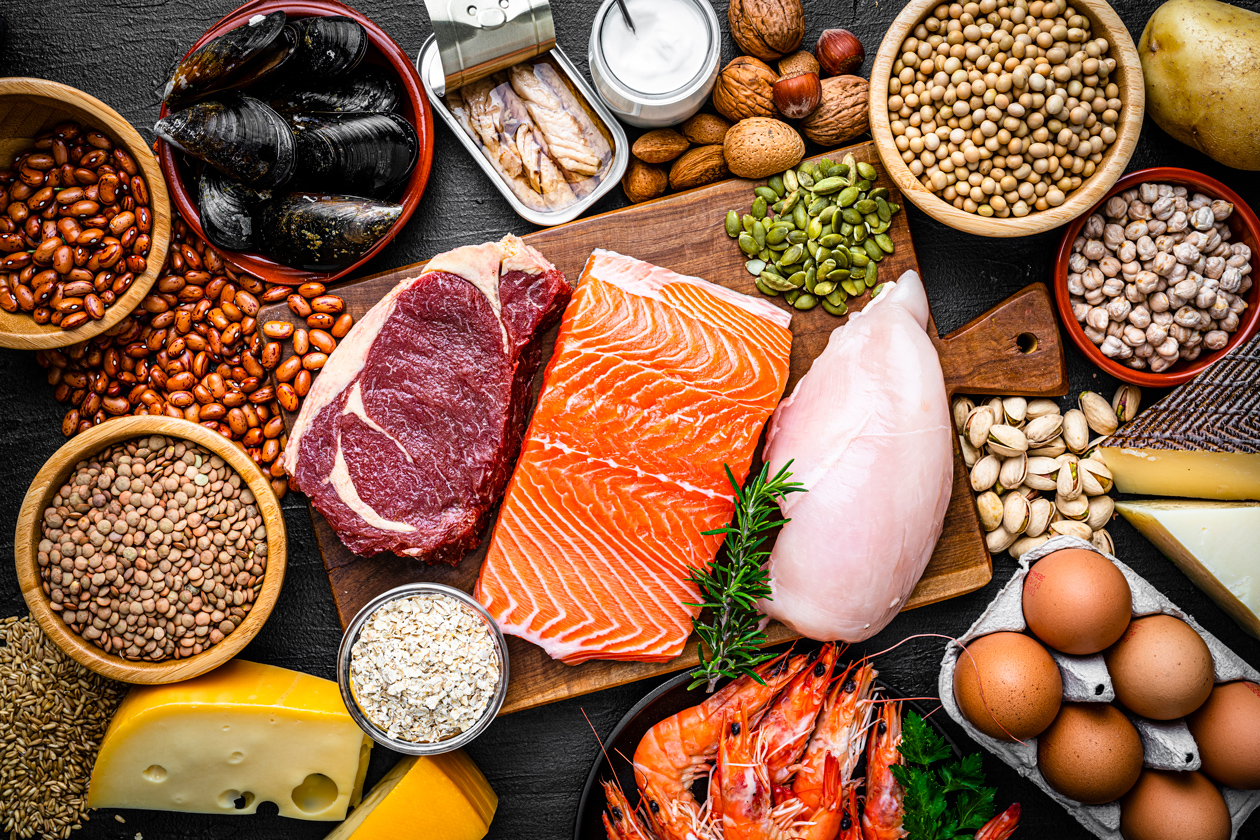
Meat and protein food

Eat enough protein:
Protein is important for repairing your body and building strength. Include foods like lean meats, poultry, fish, beans, lentils, and eggs in your meals.

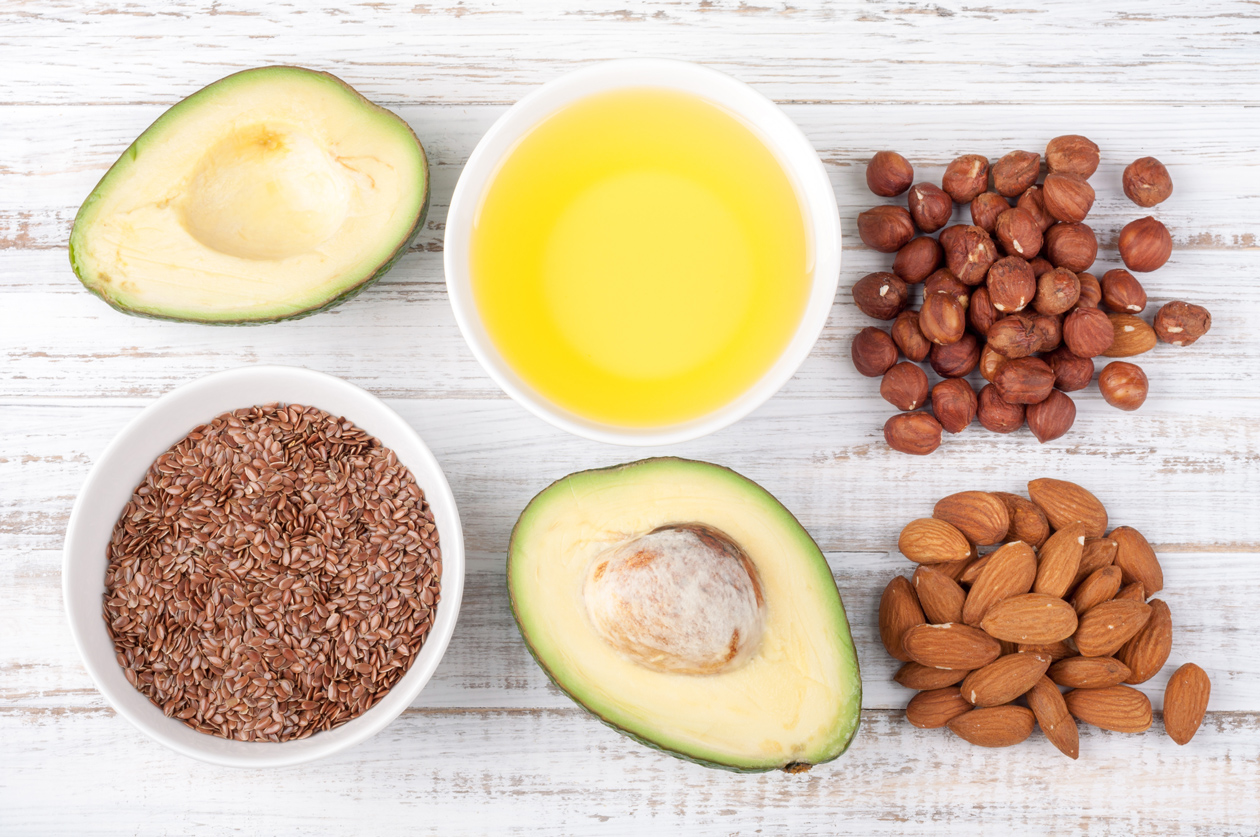
foods for fats

Include fats that are good for you:
Fats from foods like avocados, nuts, seeds, and olive oil help your brain work well and support your body’s systems.

grain ingredients

Choose grains that give you lasting energy:
Pick whole grains like brown rice, quinoa, and whole-wheat bread. These give you steady energy and help keep your blood sugar levels even.

lady drink water

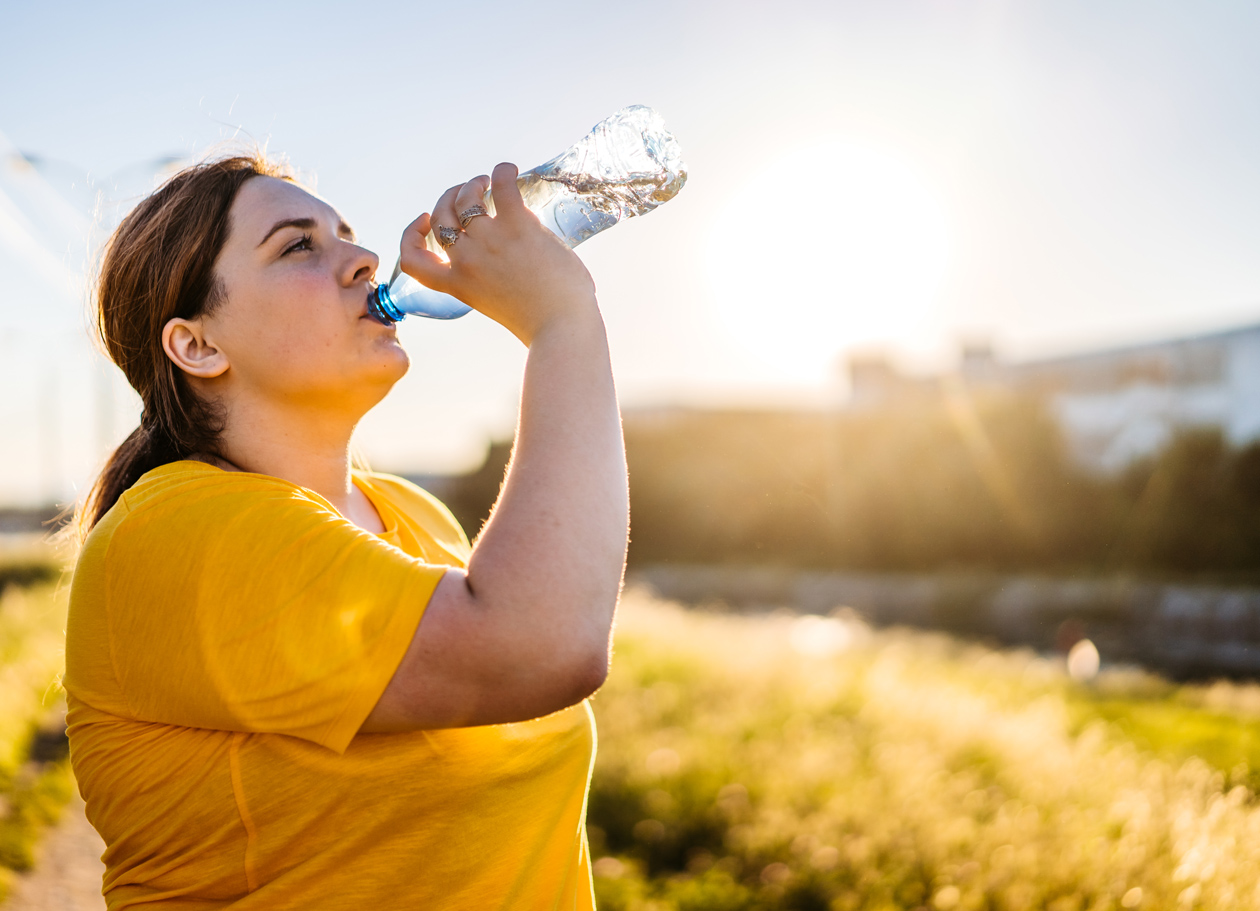
Drink enough water:
Drink plenty of water throughout the day. Staying hydrated is important for your overall well-being.

all vegs, protein and meats

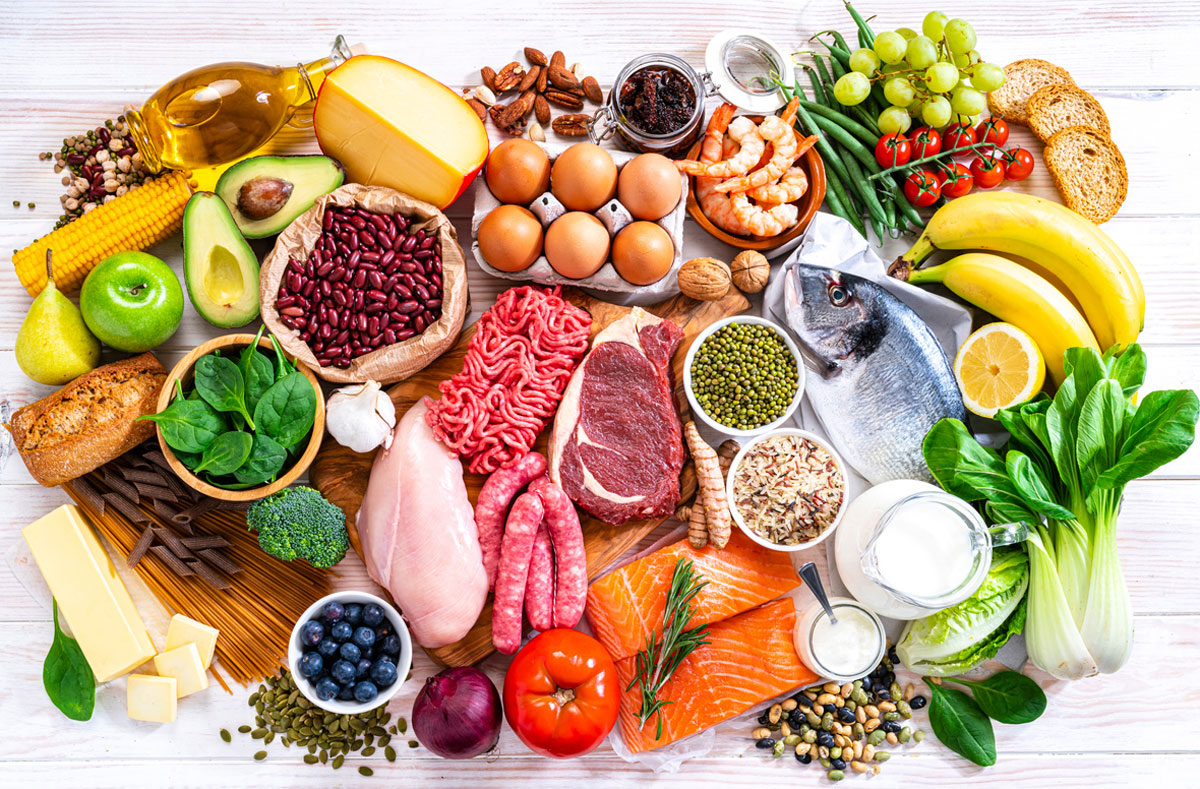
Focus on whole foods:
Fruits, vegetables, lean proteins, and whole grains contain important nutrients and fiber. WIC benefits can be used to get many of these foods.

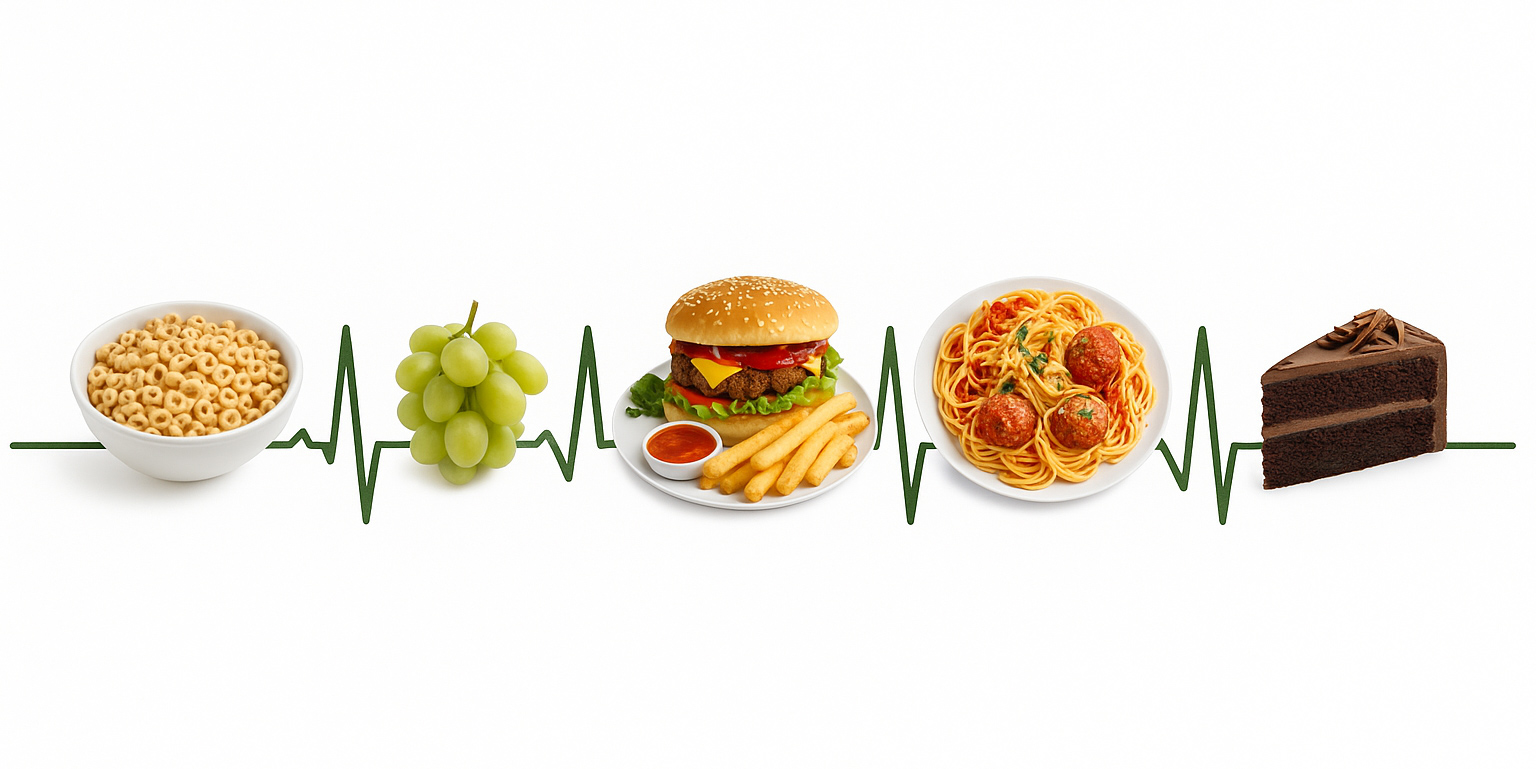
all fast food packages

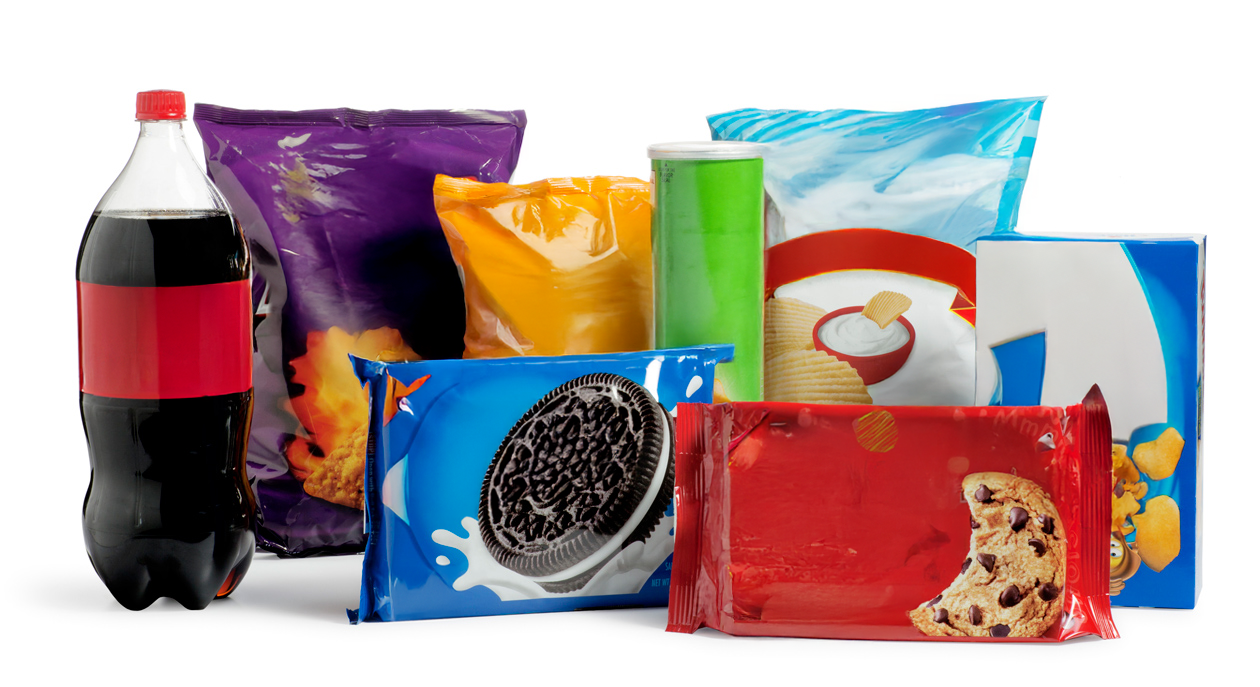
Ultra Processed Foods, Added Sugar, and Caffeine
These foods can give you a quick burst of energy but then cause a crash that makes mood swings and cravings worse. While some foods like canned beans and frozen vegetables are processed to stay fresh, ultra-processed foods often have a lot of added sugar, salt, and unhealthy fats. Sugary drinks, caffeine, energy drinks, packaged cookies, chips, and fast food are all examples of foods that can worsen your mood swings and cravings.

Sources

Firth J, Gangwisch JE, Borisini A, Wootton RE, Mayer EA., British Medical Journal. Food and mood: how do diet and nutrition affect mental wellbeing?. (2020, June 29).
https://pmc.ncbi.nlm.nih.gov/articles/PMC7322666/

Your Path Forward:
Important Reminders

Nourishing your body is a big step on your journey to healing and building a better future for yourself.

  • Be patient with yourself and celebrate small wins and progress.
  • Find support from your healthcare providers, counselors, and support groups.
  • Always talk with your doctor or a dietitian before making big changes to what you eat, especially during and after pregnancy, or starting any nutrition or lactation supplements.

Building a Strong Family:
Support for Everyone

Having family support is very important. If you are in recovery, it’s important to have people in your life who can help you on your journey.

If you are a family member or partner of someone who is struggling with substance use, remember that there are services available to help you cope and find a path forward.

Plans of Safe Care (PoSC): A Community Safety Net

In Wyoming, there is a statewide effort designed to help you and your baby get a great start. As part of this effort, a Plan of Safe Care is developed when a baby is affected by drug or alcohol use before birth. The plan is made to help with the health, development, and well-being of the baby and family. Its main goal is to make sure families have the help they need to maintain stability and prevent the separation of a mother and baby.

A PoSC is a personal guide that helps families thrive by connecting them with services and supports. The plan is created with a team of people, including medical staff, treatment providers, and mental health experts.

This plan is not a finding of child abuse or neglect. It is meant to be a community safety net for families. A PoSC also focuses on many different needs, including your physical and emotional health, as well as the baby’s health and development.

A Safe Home for Your Children

Creating a safe and nurturing home is key to helping your children do well. This includes keeping your home free from tobacco smoke and other substances.
  • Secondhand smoke is smoke that comes from a cigarette, e-cigarette, or vape. It can cause serious health problems for children, including asthma, ear infections, and lung problems. It can also increase the risk of Sudden Infant Death Syndrome (SIDS).
  • Thirdhand smoke is the harmful residue from smoke that sticks to surfaces like furniture, carpets, and clothes. Children and babies are especially at risk because they spend a lot of time on the floor and often put their hands in their mouths. This residue can still harm them long after the smoking has stopped.

Talking with Your Children

It’s important to talk to your children about substance use in a way they can understand. You can use simple and calm words. Start by asking what they have heard about substances and listen to what they say. You don’t have to be an expert.

You can explain that substances are dangerous and can hurt a person’s body. Teach them early to say “no” if someone offers them something they know is harmful.

Sources

American Academy of Pediatrics. healthychildren.org. The dangers of secondhand smoke. (2017, May 10).
https://www.healthychildren.org/English/health-issues/conditions/tobacco/Pages/Dangers-of-Secondhand-Smoke.aspx

American Academy of Pediatrics. healthychildren.org. How parents can prevent exposure to thirdhand smoke. (2017, April 24).
https://www.healthychildren.org/English/health-issues/conditions/tobacco/Pages/How-Parents-Can-Prevent-Exposure-Thirdhand-Smoke.aspx

American Academy of Pediatrics. healthychildren.org. Substance use. (2025).
https://www.healthychildren.org/English/ages-stages/teen/substance-abuse/Pages/default.aspx

Where to Find Help

You don’t have to do this alone. There are people and programs in Wyoming that are ready to support you.

Tobacco and Nicotine:

Baby & Me Tobacco Free Program:
Text the word MOM to 222888 for free support and tips to quit smoking.

BABY & ME:
Tobacco Free Program

Wyoming Pregnancy and Postpartum Cessation Program:
This is a free program for pregnant and postpartum women to help them quit smoking. It offers specially trained coaches, free medication like patches or gum, and a personal plan. As you meet your goals, you can also earn Visa gift cards up to $490. To get started call or enroll online:

SmokefreeMOM
Program

1-800-QUIT-NOW
(1-800-784-8669)

Top 10 Questions
People Ask About Quitlines

Tips for Quitting

Wyoming Quit
Tobacco Program

Make Your Quit Plan

smokefree.gov

Substance Use and Mental Health:

SAMHSA National Helpline:
  • This service provides referrals to local treatment facilities, support groups, and community-based organizations. For 24/7 confidential support, call or visit:

SAMHSA

1-800-662-HELP (4357)

  • You can also visit the online treatment locator or send your zip code via text message: 435748 (HELP4U) to find help near you.

Find a Treatment Facility

Mental Health Support:
Search for a mental health professional or substance use counselor in your area.

Mental Health

Community Resources:
Other community resources can be found on the Wyoming Department of Health’s website.

Substance Use
Community

Find the Treatment You Need:
If needed, find a substance use counselor, pain medication, opioid use treatment, or residential drug and treatment center in Wyoming.

Find Mental Health or
Substance Use Treatment

Alcoholics Anonymous (A.A.):
This is a group of men and women who help each other stop drinking. They share their stories and hope to solve their drinking problems and help others. Find an A.A. meeting near you.

Alcoholics Anonymous

Family Members:

Al-Anon:
This is a support group for anyone who has been affected by a family member or friend’s drinking. It is a safe and confidential place to share your experiences.

Al-Anon

Nar-Anon:
This is a 12-step program for family members and friends of anyone who is struggling with a drug addiction.

Nar-Anon

Families Anonymous:
Similar to Al-Anon and Nar-Anon, this group uses a 12-step program to help family members of people with any kind of drug addiction or related behavioral problems.

Families Anonymous

SMART Recovery Family & Friends:
This group offers a different approach from the 12-step programs. It is based on a science-based, self-empowerment approach to help family members learn how to cope.

SMART Recovery

Parents of Addicted Loved Ones (PAL):
This is a faith-based support group that provides education, peer support, and advice, mainly for parents of people with an addiction.

Parents of Addicted Loved Ones

National Alliance on Mental Illness (NAMI):
While NAMI focuses on mental health, many of their family support groups can also be a helpful resource for families of people with substance use disorders, as these often go hand-in-hand.

National Alliance on
Mental Illness (NAMI)

General Resources:

Wyoming 211:
This free and confidential service can help connect you with local resources for food, housing, childcare, health care, and other support services for you and your family.

wyoming211.org

211 or 1-888-425-7138

National Suicide & Crisis Lifeline:
If you or someone you know is having thoughts of suicide or experiencing a mental health or substance use crisis, you can call or text 988 for free and confidential support 24/7.

Sources

American College of Obstetricians and Gynecologists (ACOG). (2021). Marijuana and pregnancy.
https://www.acog.org/womens-health/faqs/marijuana-and-pregnancy

American College of Obstetricians and Gynecologists (ACOG). (2023). Tobacco and nicotine cessation during pregnancy.
https://www.acog.org/clinical/clinical-guidance/committee-opinion/articles/2020/05/tobacco-and-nicotine-cessation-during-pregnancy#:~:text=Even%20if%20nicotine%20is%20not,lung%20tissue%2020%2021%2022

American Academy of Pediatrics. (2019). E-cigarette use during pregnancy and breastfeeding. HealthyChildren.org.
https://www.healthychildren.org/English/ages-stages/prenatal/Pages/E-Cigarette-Use-During-Pregnancy-Breastfeeding.aspx

American Academy of Pediatrics. (2019). Marijuana use during pregnancy and breastfeeding.
https://www.healthychildren.org/English/ages-stages/prenatal/Pages/Marijuana-Use-During-Pregnancy-Breastfeeding.aspx

Centers for Disease Control and Prevention (CDC). (2025). Cannabis and pregnancy.
https://www.cdc.gov/cannabis/health-effects/pregnancy.html

Centers for Disease Control and Prevention (CDC). (2025). Health effects of vaping.
https://www.cdc.gov/tobacco/e-cigarettes/health-effects.html

Centers for Disease Control and Prevention (CDC). (2025). Tobacco use and breastfeeding.
https://www.cdc.gov/breastfeeding-special-circumstances/hcp/vaccine-medication-drugs/tobacco.html

Colorado Department of Public Health & Environment. (2014). Cannabis, you, and your baby.
https://cdphe.colorado.gov/marijuana/cannabis-you-and-your-baby

SAMHSA. (2018). Healthy pregnancy, healthy baby fact sheets.
https://library.samhsa.gov/product/healthy-pregnancy-healthy-baby-fact-sheets/sma18-5071

Substance Abuse and Mental Health Services Administration (SAMHSA). (2018). Opioid use.
https://library.samhsa.gov/sites/default/files/sma18-5071fs1.pdf

Wyoming WIC WDH Public Health

CONTACT US

1-888-996-9378
health.wyo.gov/wic
  • How to apply for WIC

Resources

  • WIC Shopper
  • WIC Smart
  • WIC Breastfeeding Support
  • Wyoming Medicaid
  • Wyoming 211
  • Tell a friend about WIC!
  • Guide to Using Your WIC Benefits
  • Wyoming WIC Facebook
  • Wyoming WIC Instagram
  • Wyoming WIC

USDA is an equal opportunity provider, employer, and lender.

Cookie PolicyPrivacy Policy

© Brush Art Corporation
This website is operated by Brush Art Corporation on behalf of the Wyoming Department of Health.

Install this web app on your iPhone: tap and then Add to Home Screen.
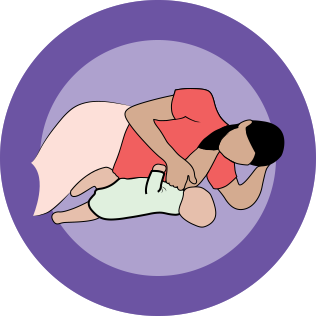
SIDE-LYING HOLD

Side-Lying Hold

  1. For the right breast, lie on your right side with your baby facing you.
  2. Pull your baby close. Your baby’s mouth should be level with your nipple.
  3. In this position, you can cradle your baby’s back with your left arm and support yourself with your right arm and/or pillows.
  4. Keep loose clothing and bedding away from your baby.
  5. Reverse for the left breast.

This hold is useful when:

  • You had a C-section
  • You want to rest while baby feeds
  • You are breastfeeding in the middle of the night
  • You and your baby are comfortable in this position
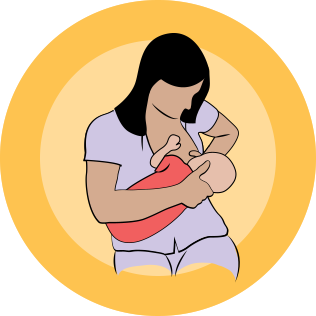
CROSS-CRADLE HOLD

Cross-Cradle Hold

  1. For the right breast, use your left arm to hold your baby’s head at your right breast and baby’s body toward your left side. A pillow across your lap can help support your left arm.
  2. Gently place your left hand behind your baby’s ears and neck, with your thumb and index finger behind each ear and your palm between baby’s shoulder blades. Turn your baby’s body toward yours so your tummies are touching.
  3. Hold your breast as if you are squeezing a sandwich. To protect your back, avoid leaning down to your baby. Instead, bring your baby to you.
  4. As your baby’s mouth opens, push gently with your left palm on baby’s head to help them latch on. Make sure you keep your fingers out of the way.
  5. Reverse for the left breast.

This hold is useful when:

  • Your baby is premature
  • Your baby has a weak suck
  • Your baby needs help to stay latched
  • Your baby needs extra head support
  • You and your baby are comfortable in this position
CLUTCH OR “FOOTBALL” HOLD

Clutch or “Football” Hold

  1. For the right breast, hold your baby level, facing up, at your right side.
  2. Put your baby’s head near your right nipple and support their back and legs under your right arm.
  3. Hold the base of your baby’s head with your right palm. A pillow underneath your right arm can help support your baby’s weight.
  4. To protect your back, avoid leaning down to your baby. Bring baby to you instead.
  5. Reverse for the left breast.

This hold is useful when:

  • You had a C-section
  • You have large breasts
  • You have flat or inverted nipples
  • You have a strong milk let-down
  • You are breastfeeding twins
  • Your baby likes to feed in an upright position
  • Your baby has reflux
  • You and your baby are comfortable in this position
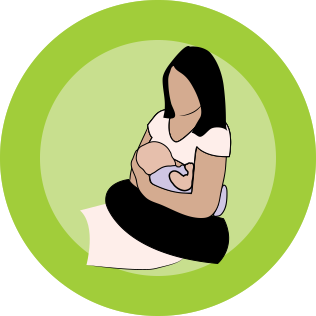
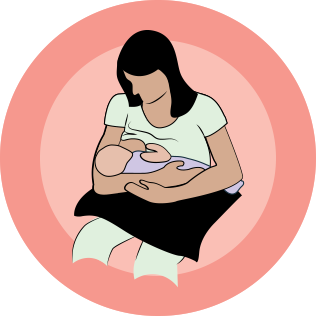
CRADLE HOLD

Cradle Hold

  1. For the right breast, cradle your baby with your right arm. Your baby will be on their left side across your lap, facing you at nipple level.
  2. Your baby’s head will rest on your right forearm with your baby’s back along your inner arm and palm.
  3. Turn your baby’s tummy toward your tummy. Your left hand is free to support your breast, if needed. Pillows can help support your arm and elbow.
  4. To protect your back, avoid leaning down to your baby. Instead, bring your baby to you.
  5. Reverse for the left breast.

This hold is useful when:

  • Your baby needs help latching on
  • You and your baby are comfortable in this position
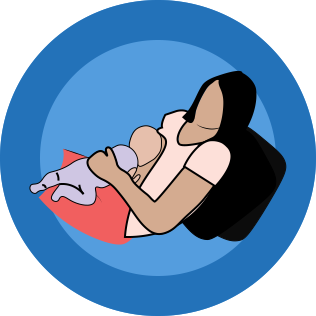
Laid-Back Hold

Laid-Back Hold

  1. Lean back on a pillow with your baby’s tummy touching yours and their head at breast level. Some moms find that sitting up nearly straight works well. Others prefer to lean back and lie almost flat.
  2. You can place your baby’s cheek near your breast, or you may want to use one hand to hold your breast near your baby. It’s up to you and what you think feels best.
  3. Your baby will naturally find your nipple, latch, and begin to suckle.

This hold is useful when:

  • Your baby is placed on your chest right after birth
  • You have a strong milk let-down
  • You have large breasts
  • You and your baby are comfortable in this position