


Skip to Content Skip to Footer
Wyoming WIC
Wyoming WIC
  • Home
  • Women
    • Women
      Breastfeeding
    • Women
      Healthy Tips for Moms
    • Women
      Postpartum
    • Women
      Pregnant
  • Infants
    • Infants
      Feeding & Nutrition
    • Infants
      Growth & Development
  • Children
    • Children
      Toddlers
    • Children
      2-5 Year Olds
  • Families
    • Families
      Activity and Play
    • Families
      Dads
    • Families
      Food & Family Meals
    • Families
      Immunizations
    • Families
      Safety
  • Live Well Blog
  • Food Shopping Guide
  • Español

Getting Good at Meals

  • Home
  • Families
  • Food & Family Meals
  • Getting Good at Meals
The Power of Family Meals
  • Why are Family Meals Important?
  • How to Start Having Family Meals
  • Tips for Making Meals Positive and Enjoyable
  • Who Wants Dessert?
  • Use Your Manners
  • Are you worried about having enough food to go around?
Sit-Down Snacks
  • What are Sit-Down Snacks?
  • Why are Sit-Down Snacks Good?
  • Tips for Good Sit-Down Snacks
  • What to Include in a Sit-Down Snack
  • What about “Junk Foods”?
  • Points to Remember
Planning, Shopping, and Cooking
  • Eating Well on a Budget: Tips for Families
  • Planning Your Meals
  • Shopping Smart
  • Cooking Made Easy
getting-good-at-meals-English_QR_code

The Power of Family Meals

Great

News!

Having meals together as a family can make a big difference in everyone’s lives!

Let’s talk about why family meals are great and how you can start having them in your home.

Why are Family Meals Important?

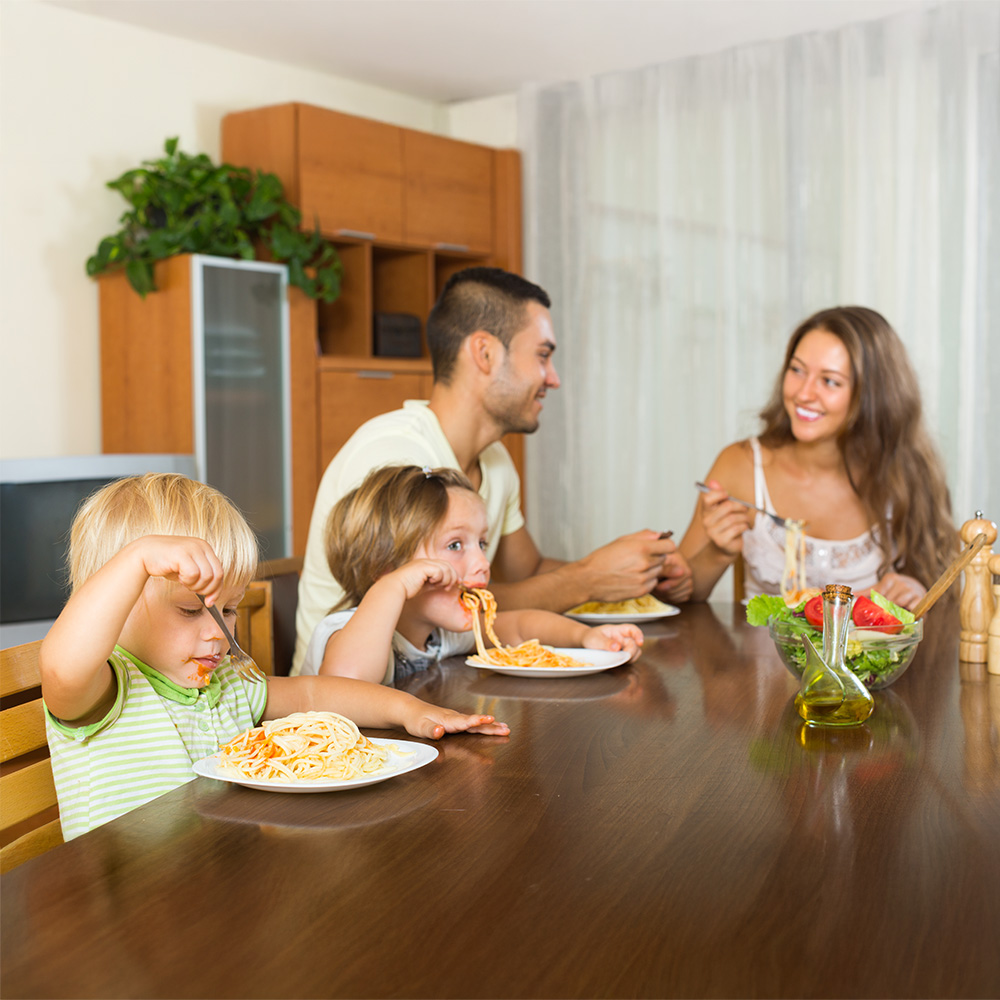
Family meals aren’t just about eating food. They’re about spending time together and building strong connections.

Here are some benefits:

Eat Better:

Eat Better:

Studies show families who eat routine meals together often have better eating habits. Having a reliable meal routine helps you and your kids feel hungry at mealtimes and full when you’re done eating. You and your family will be more willing to try new foods and have a good attitude when meals and snacks come regularly.

Stronger Relationships:

Stronger Relationships:

Sharing meals can make your family feel closer. It’s a special time to connect and show that you care about each other.

Less Stress:

Less Stress:

Eating together can be a relaxing break from a busy day. Plus, when kids know when they’re going to eat next, they don’t bother you for food between times, and they are generally in a better mood, which means fewer meltdowns. As a bonus, a predictable schedule saves time and money.

Kids Do Better in School:

Kids Do Better in School:

Kids who have family meals do better in school and get along with others.

How to Start Having Family Meals

Meals are a form of self-care, setting aside time to feed yourself. Family meals are when everyone sits down together and shares the same food. Children depend on you to provide meals and snacks at set times. It might seem hard to start having family meals, but it’s easier than you think!

Here are some tips:

Start Small:

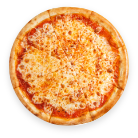
You don’t have to do it all at once and have family dinner every night. Maybe it’s “Taco Tuesday” or “Pizza Friday”. Start with one or two nights a week, and once you get good at that, add more as you go. To do more with sit-down meals & snacks, click below:

Planning, Shopping, Cooking

familydinnereverynight
set-time
Pick a Time:

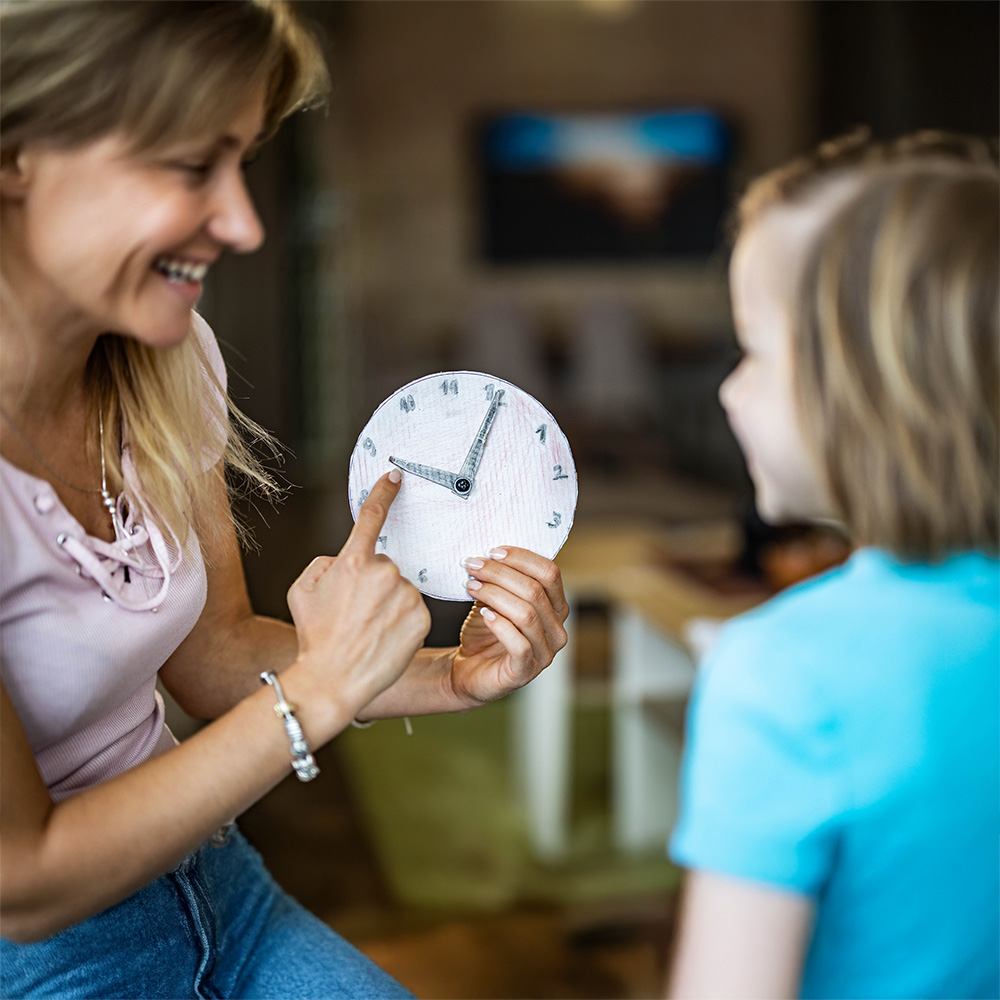
Structure is the key to making mealtimes a habit. Knowing when to expect food helps everyone to be more patient with feelings of hunger, get excited about meals, and eat only until satisfied, knowing another meal or snack is coming. Offer sit-down snacks at set times midway between meals so no one gets too hungry before mealtime.

Sit-Down Snacks

keep it Easy & Yummy:

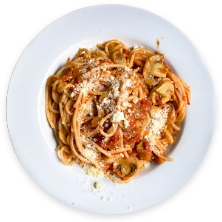
The meal doesn’t have to be fancy. The goal is to eat together, not to make a gourmet meal every night. Simple meals like spaghetti, sandwiches, or even heating up leftovers can work. Start by using the foods everyone already eats and likes and make it a meal by choosing the time and place. When you’re ready, add new things in small amounts without expecting anyone to like it or eat it. It’s important that everyone gets their fill of foods they like so they can forget about food until the next meal or snack.

keep-it-easyyummy
mobile-banned
Turn off Distractions:

Put away phones and turn off the TV.
This is a time to focus on each other.

Everyone Helps:
Get everyone involved in preparing the meal. Kids can help set the table or wash vegetables. Getting the family involved helps children learn about food, and they are more likely to try the foods they help make.
Everyone
Talk-Listen
Talk, Listen, & Enjoy:

Use mealtime to talk about your day. Be sure to listen to what everyone has to say. Don’t argue or scold. Let your child decide what and how much to eat from what is on the table, and be okay with it. The more enjoyable it is, the more everyone looks forward to mealtime.

Be Patient:

Just like learning anything new, making meals a habit takes time. Some nights will be easier than others. Don’t get discouraged if things don’t go perfectly at first. Just keep trying; soon, it will become a normal part of your family’s routine with all the benefits!

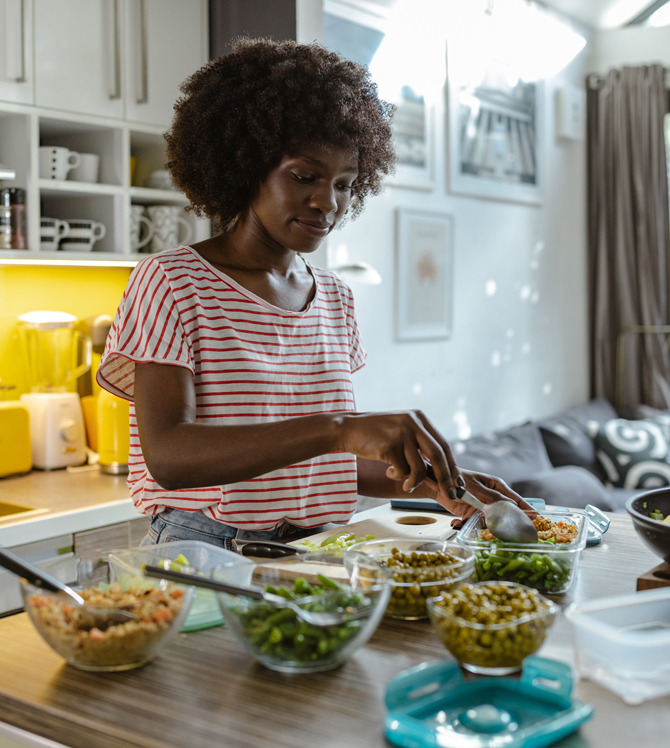
mom-making

Tips for Making Meals Positive and Enjoyable

Structure:

Structure is the key to caring for yourself and your child with food. Feeding yourself and your family faithfully allows everyone to be relaxed and confident about eating.

Follow the Satter Division of Responsibility:

Concentrate on feeding and let your child be in charge of eating without pressure in any way. You know you’re doing it right when your child looks forward to meals, behaves well there, and can cheerfully pick and choose from the food you make.

Teaching Your Child to be a Good Eater

Make Meals Rewarding for you:

For you to stay committed to daily meals, the food has to be rewarding to plan, prepare, and eat. Keep in charge of the time, place, and menu, and then eat WITH your child, not just feed them.

By making time for family meals, you are saving money, eating better, & building strong relationships!

Who Wants Dessert?

Okay, parents, let’s talk about dessert – those yummy treats we sometimes use to get our kids to do things or as a reward.

Here’s what the research says about using dessert in those ways:

Include Dessert:

Just like with other sweet treats, making dessert off-limits can make kids want it even more. They might think of it as this super special thing they can’t have, which can lead to sneaking or eating a lot of it when they get the chance. It can also make them feel bad or stressed about food.

Offer Dessert The Same As Other Foods:

Research suggests it’s better to offer dessert without making a big deal. Kids might not see it as special when it’s just another part of the meal. They can learn to eat a bit and be satisfied instead of feeling like they need to eat as much as possible because it’s rare.

Using Dessert as a Bribe (“If you eat your vegetables, you can have dessert.”):

  • Makes kids dislike other food: When you bribe kids with dessert to eat their vegetables, it sends the message that vegetables are yucky and dessert is the good stuff. They might eat their broccoli just to get the treat, but they won’t actually learn to like it.
  • Puts dessert on a pedestal: This makes dessert seem more important and desirable than other foods.
  • Can lead to power struggles: Kids might try to bargain for more dessert or refuse to eat their meal if they don’t think the dessert is “good enough.”

Using Dessert as Punishment (“You didn’t clean your room, so no dessert.”):

  • Connects food with feelings: This can make kids feel like food is a reward or punishment instead of just something that fuels their bodies. This can lead to bad eating habits and emotional eating later on.
  • Creates negative feelings around food: It can make kids feel deprived or resentful.

What the Research Suggests To Do Instead:

  • Offer dessert without conditions: Include a small portion of dessert as part of a meal at each person’s place without making it a reward or something they have to earn. Let them eat it any time during the meal with the rule that there are no second helpings.
  • Focus on enjoying all foods: Help kids feel relaxed and matter-of-fact about all kinds of foods.
  • Be a good role model: Let your kids see you enjoying a variety of foods, including treats sometimes, without guilt or making it a huge event.

Offering dessert without strings attached and focusing on balance for all foods is the best way to go.

Use-Your-Manners

Use Your Manners

It’s okay to expect good behavior at mealtimes.

When we are not distracted by poor table manners, we can better enjoy the meal and enjoy others at the table. Teach table rules as soon as your child can begin feeding themselves as an older baby. Children feel more confident with knowing and using good behavior.
From The Cook Heart Downloadable PDF

Are you worried about having enough food to go around?

Click this link for tips on how to satisfy everyone’s hunger:

How do you stretch your food money?
enough-food

Sit-Down Snacks

Snack

Time!

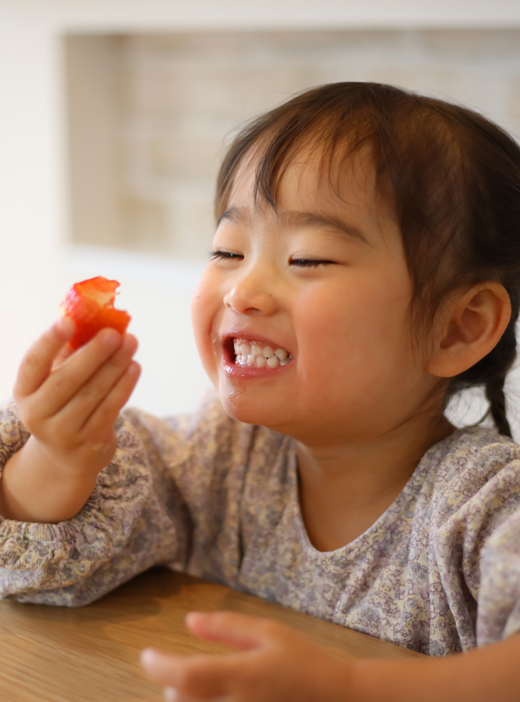
Parents, let’s talk about how to help your kids feel full and happy with snacks. We know it can be tough when kids want snacks all the time. Planned sit-down snacks are a simple way to help.

What are Sit-Down Snacks?

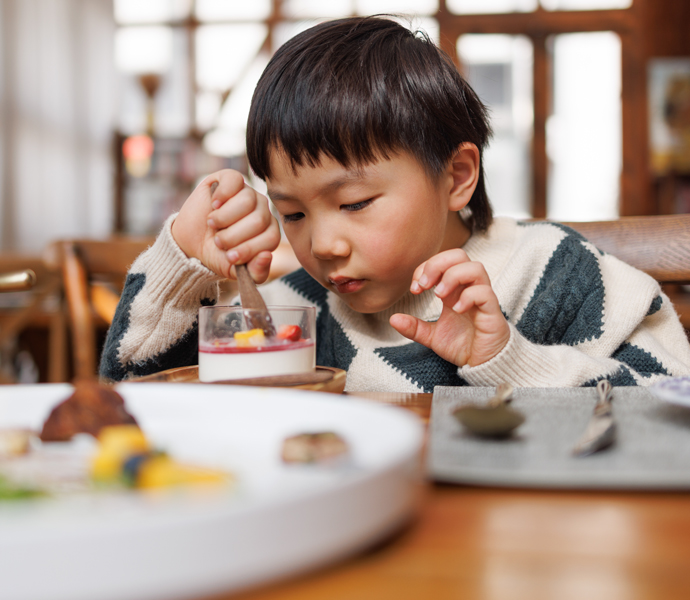
Sit-down snacks are when you plan a time and place for your child to sit down and eat a snack.

It’s not grabbing food while running around. They are mini-meals, not just treats.

bac_Girl_Eating_Fruit

Why are Sit-Down Snacks Good?

Less Cravings:

When kids know when the next snack time is, they don’t ask for snacks all day.

Better Eating:

Sitting down helps them eat more slowly, pay attention, and enjoy the food.

Full Bellies:

Planned snacks help kids feel full and not so hungry between meals.

Family Time:

It’s a time you can connect with your child by eating with them.
Tips for Good Sit-Down Snacks

Set a Schedule:

Have snack times around the same time each day. Time them midway between meals to give your child time to get hungry again for the next meal. Avoid the habit of eating on the run or along with other activities.

Find a Spot:

Always have a place to sit & enjoy snacks. This helps kids focus on eating. Running around with food is a choking risk.

Make it Fun:

Use colorful plates or cut food into fun shapes. Let your child help make snacks.

Eat Together:

If you can, sit down and snack with your child. Eat as much as you want, and let your child do the same.

Turn off Distractions:

No TV or phones during snack time. Just eating and talking.

Bedtime Routine:

Kick off bedtime with a sit-down snack, even if your child ate very little at dinner.

What to Include in a Sit-Down Snack

A good snack has a mix of 2-3 foods that help kids feel full and get energy.

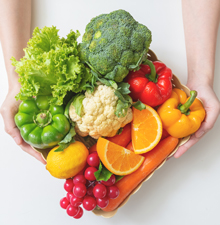
Fruits and Veggies: These give lots of vitamins and fill kids up with good stuff.

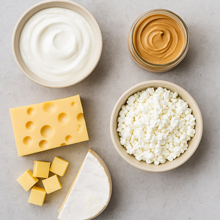
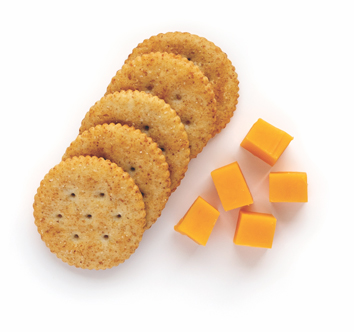
Protein and Fat: Like cheese, yogurt, or nut spreads. Protein keeps bellies full longer.

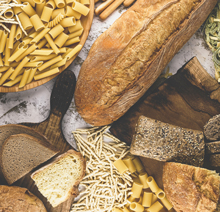
Whole Grains: Like whole-wheat crackers, granola, or a small muffin. These give lasting energy.

Here are some ideas:

Snack Item

Why it’s good

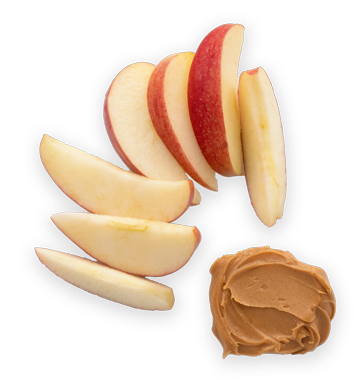
Apple slices with peanut butter

Fruit + protein

Carrot sticks and hummus

Veggies + protein

Yogurt with berries

protein + Fruit

Whole-wheat crackers and cheese

Grains + protein

What about “Junk Foods”?

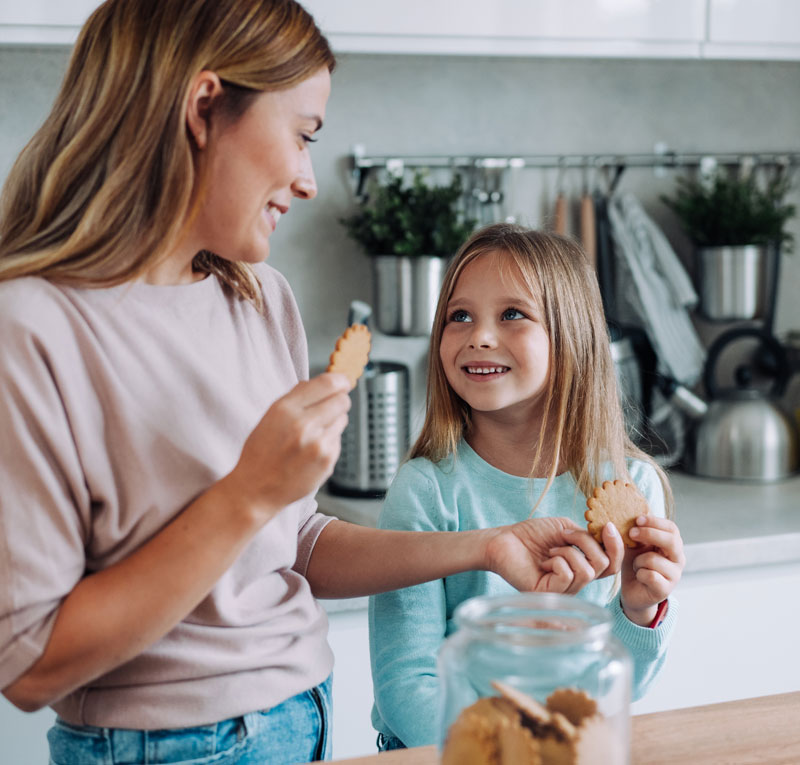
Let’s talk about “junk foods” – you know, the ones high in fat or sugar, like chips, cookies, and soda. You might wonder what the research says about when and how much kids should have them.

Here’s the scoop in simple terms:

child-looking-stressed

Restricting Too Much Can Backfire:

It makes them want it more:
Telling kids they can’t have something can make them think about it and want it even more. It’s like saying, “Don’t think about a pink elephant!”

Sneaking and overeating:
If kids feel like these foods are off-limits, they might sneak them when you’re not looking or eat a lot of them when they finally get a chance.

Bad feelings about food:
Too many rules about food can make kids feel guilty or stressed about eating, which isn’t healthy.

bac_Mom_Daughter_Kitchen

Offering Them Sometimes, With Meals or Snacks, Can Be Better:

Normalizes these foods:
When “treats” aren’t a big deal or forbidden, kids might not feel as obsessed with them. They can learn that these are just some of the many foods we eat.

Learning moderation:
By having small amounts of these foods sometimes, along with other healthier options, kids can start to learn how to enjoy them without overdoing it.

Less power struggle:
It can take away some battles over food if you’re not always saying “no.”

bac_Boy_Eating

Important Things to Remember:

Focus on other foods first:
The main focus should always be on fruits, vegetables, whole grains, and protein at most meals and snacks.

“Junk foods” don’t have many nutrients:
These foods are often high in calories but don’t give kids the vitamins and minerals they need. Eating too much can lead to weight gain and other problems down the road.

It’s about balance:
It’s okay for kids to enjoy these foods sometimes, but not all the time. Think of them as “sometimes foods” rather than “never foods.”

Be a good role model:
Kids learn a lot from watching you! If you eat a variety of foods high in nutrients and enjoy treats in moderation, they’re more likely to do the same.

So, instead of banning “junk food,” research suggests it might be more helpful to offer small amounts sometimes as part of a meal or snack. This can help kids learn to have a good relationship with all kinds of food without feeling like some foods are super special or off-limits.

Points to Remember

Keep it Simple:

Snacks don’t have to be fancy. Just choose things you already have.

Be Patient:

It might take a bit for kids to get used to sit-down snacks. Keep trying!

Involve Your Child:

Letting children help prepare and plan snacks allows them to learn about food and become more curious about eating it. Plus, getting ready to sit down and eat together helps them move their attention from playtime to snack time.

With planned sit-down snacks, you can help your kids feel good, eat well, and stay happy all day!

Don’t forget useful tools right at your fingertips to support your efforts in sit-down meals and snacks.

Planning, Shopping, and Cooking

Eating Well on a Budget: Tips for Families

We know feeding your family good meals can be tough when money is tight. But don’t worry, we’re here to help! This guide has easy tips for planning, shopping, and cooking yummy food that won’t break the bank and keep you on track with reliable and routine sit-down meals and snacks.

Planning Your Meals

Planning is key to saving money and eating well. Here’s how:

1

Check What You Have:
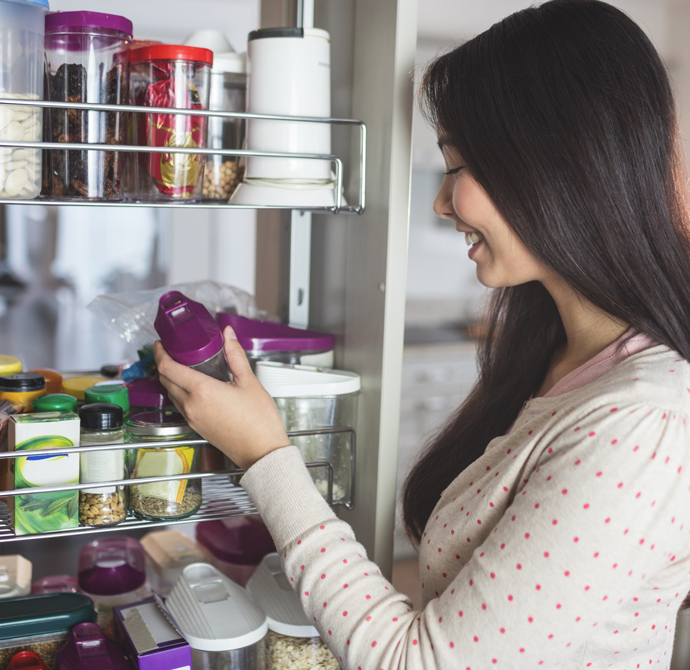
Look in your fridge and pantry before going to the store. What do you already have? Make meals using those items first.

2

Make a Meal Plan:
Decide what you’ll eat for the week. This will help you avoid last-minute trips to the store or eating out, which can get expensive.

3

Use Simple Recipes:
Look for recipes with just a few ingredients.

4

Put “Bread” on the Table:
Starch foods are low-cost and will help family members get full. These include sliced bread, dinner rolls, tortillas, cornbread, biscuits, crackers, rice, potatoes, or pasta.

5

Satisfy all Appetites:
Include high- and low-fat foods in each meal and snack.

6

To Avoid Waste, Think Small when trying a new food. Teach children to take tiny helpings knowing they can take another and another.

Here’s an example meal plan for the week:

Day

Meal

Ingredients

Monday

Spaghetti

Pasta, canned tomatoes, ground beef (optional)

Tuesday

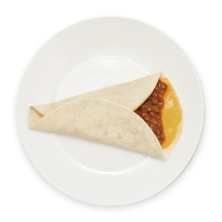
Bean Burritos

Tortillas, canned beans, cheese

Wednesday

Chicken Soup

Chicken, carrots, celery, broth

Thursday

Pancakes

Pancake mix, eggs, milk

Friday

Pizza

(Pizza dough / premade crust / tortillas / French bread / plain bagels), tomato sauce, cheese, toppings

As parents, life can take unexpected turns and throw you off your plan for the day or several days! Go easy on yourself and start back up when things settle down. Remember, a meal is simply sitting down together and sharing the same food no matter what the food is or where it comes from.

Planning is not to make meals hard but to reinforce structure. Make planning work for you by keeping it simple. If it’s not enjoyable, you won’t stick with it. Don’t get caught up in foods you think you’re supposed to include to make a meal “healthy.”

Shopping Smart

Grocery shopping can get expensive, but these tips for making your food dollars go further can help:

Woman_Fridge

Before You Go Shopping:

  • Plan meals: Create a weekly meal plan and stick to it to avoid impulse buys and food waste.
  • Make a grocery list: Use your meal plan to create a list and stick to it during shopping.
  • Do inventory: Check what you have before shopping to avoid buying duplicates.
  • Consider coupons: Use coupons and discounts, both paper and digital, to save money.
  • Shop store brands: Store brands are often cheaper than national brands and offer similar quality.
  • Check for sales: Look for sales and deals in the store’s weekly circular or online.
  • Eat before you shop: Going hungry can lead to impulse buys and spending more than planned.
  • Shop alone if possible: Others may influence you to buy more than you planned.
looking-at-food

During Shopping:

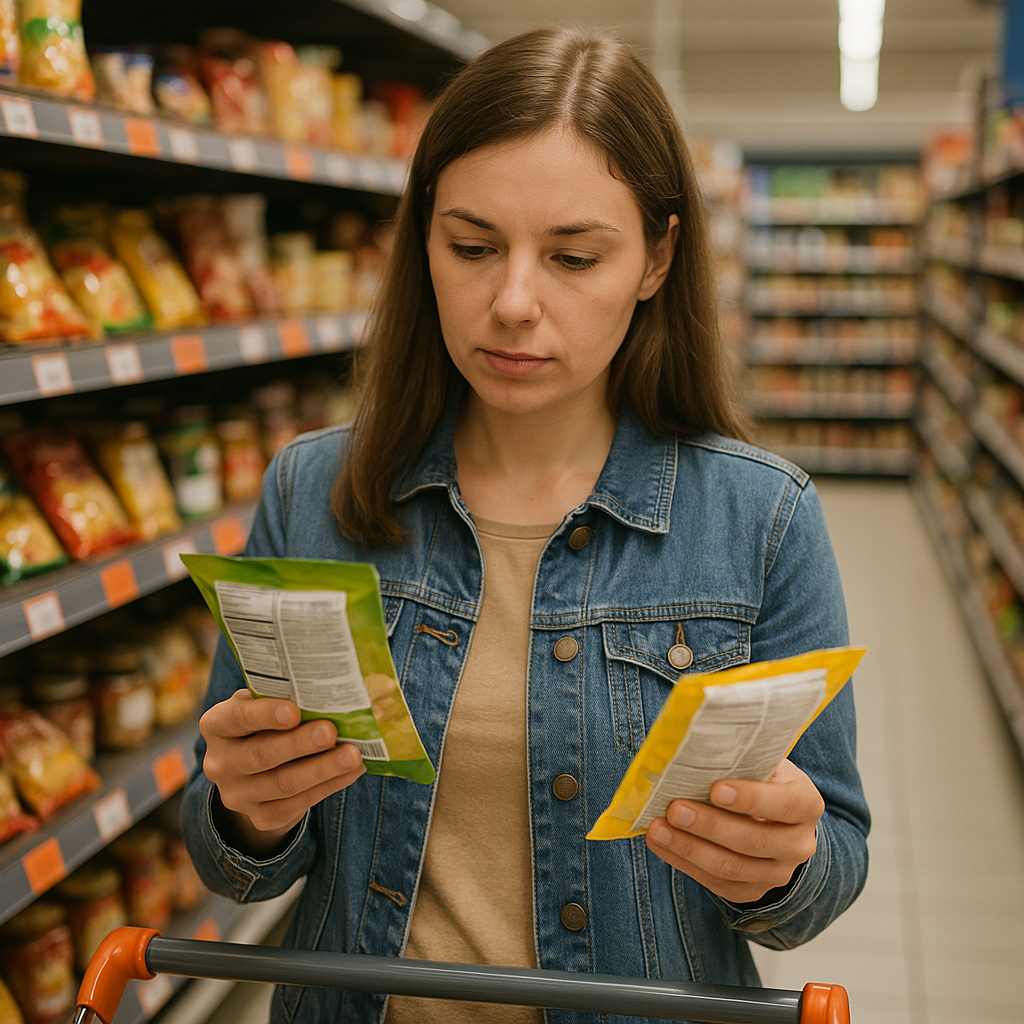
  • Compare prices: Check the unit price on products to compare different sizes and brands.
  • Buy produce in season: Fruits and vegetables are often cheaper when in season.
  • Consider frozen options: Frozen fruits and vegetables are often a budget-friendly option.
  • Buy in bulk (when possible): But, make sure you can use it before it goes bad.
  • Look for unadvertised specials: Pay attention to items displayed at the ends of aisles.
  • Check “sell by” and “use by” dates: Buying fresh food can save money in the long run.
Woman_Cooking

At Home:

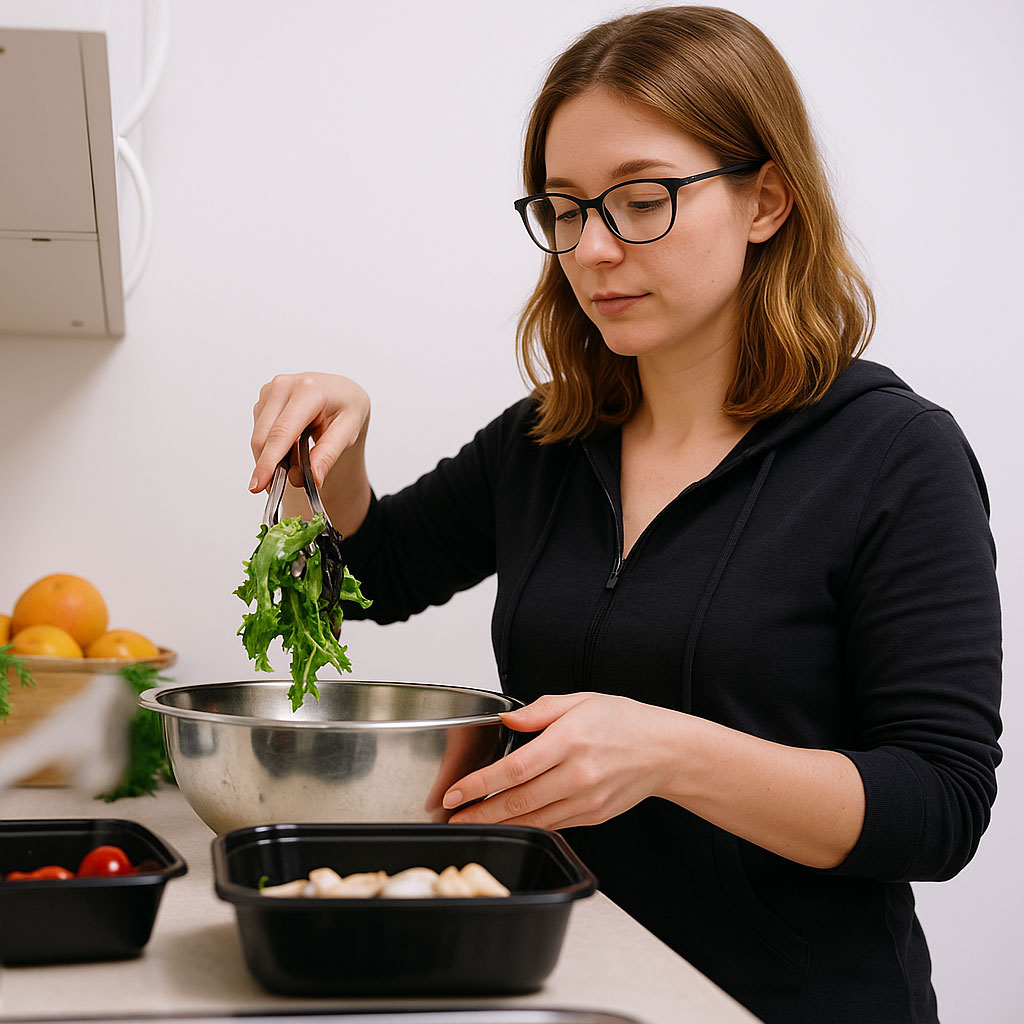
  • Cook in bulk: Prepare larger meals and freeze portions for later use.
  • Embrace leftovers: Use leftovers in new ways to reduce waste and stretch your food budget.
  • Move food that expires quickly to the front of the fridge: Eat these items first.
  • Pre-cut vegetables and fruits: This makes them ready to eat and reduces waste.
  • Consider meatless meals: Eat meat less often or replace it with other proteins like beans.
  • Make soups and stews: To stretch food dollars by using vegetables and beans.
  • Make your own snacks: Make your own snacks to save money on pre-packaged options.
  • Drink more water: Instead of sugary drinks keep a reusable water bottle on hand.
  • Share your ideas: Ask friends and family for tips on stretching their food budgets.
  • Use smart apps and your preferred AI: To create quick shopping lists and plan menus.

Random trips to the store will cost you valuable time and money.
Consider these shopping strategies:

Monthly:

Items that are kept for a long time, such as frozen, canned, bottled, and dry foods, paper goods, and cleaning supplies.

Weekly:

Items that are kept for a short time –produce, dairy, and meat to be used that week.

Quick-stop:

Milk
Bread
Bananas

Cooking Made Easy

Cooking at home is often cheaper than eating out. To save time and to make sure there is enough to go around, here are some simple ideas:

Involve the Kids:

Let kids help with simple tasks like washing veggies or setting the table.

Use One-Pot Meals:

These are easy to make and clean up. Think soups, stews, and casseroles.

Cook Extra:

Make enough for leftovers. You can have them for lunch the next day!

Try Simple Swaps:

Instead of expensive cuts of meat, try ground beef, chicken thighs, or beans.

Take Shortcuts:

Use canned, frozen, and pre-cut vegetables, jarred sauces and gravies, parboiled and pre-cooked grains, and spice blend packets.

Use Smart Apps and AI:

To create meal ideas based on ingredients you have on hand.

Remember

Eating well doesn’t have to be expensive or hard! Small changes can make big differences. Ask for help if you need it. There are resources available in your community.

We hope these tips help you and your family enjoy affordable meals with enough to go around!

For more tips:

10 Tips For Eating Better on a Budget
Sources

https://www.ellynsatterinstitute.org/

kidseatincolor.com

Wyoming WIC WDH Public Health

CONTACT US

1-888-996-9378
health.wyo.gov/wic
  • How to apply for WIC

Resources

  • WIC Shopper
  • WIC Smart
  • WIC Breastfeeding Support
  • Wyoming Medicaid
  • Wyoming 211
  • Tell a friend about WIC!
  • Guide to Using Your WIC Benefits
  • Wyoming WIC Facebook
  • Wyoming WIC Instagram
  • Wyoming WIC

USDA is an equal opportunity provider, employer, and lender.

Cookie PolicyPrivacy Policy

© Brush Art Corporation
This website is operated by Brush Art Corporation on behalf of the Wyoming Department of Health.

Install this web app on your iPhone: tap and then Add to Home Screen.
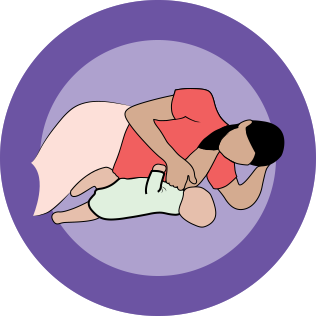
SIDE-LYING HOLD

Side-Lying Hold

  1. For the right breast, lie on your right side with your baby facing you.
  2. Pull your baby close. Your baby’s mouth should be level with your nipple.
  3. In this position, you can cradle your baby’s back with your left arm and support yourself with your right arm and/or pillows.
  4. Keep loose clothing and bedding away from your baby.
  5. Reverse for the left breast.

This hold is useful when:

  • You had a C-section
  • You want to rest while baby feeds
  • You are breastfeeding in the middle of the night
  • You and your baby are comfortable in this position
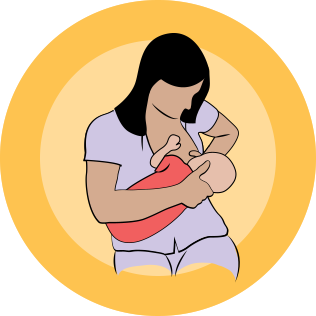
CROSS-CRADLE HOLD

Cross-Cradle Hold

  1. For the right breast, use your left arm to hold your baby’s head at your right breast and baby’s body toward your left side. A pillow across your lap can help support your left arm.
  2. Gently place your left hand behind your baby’s ears and neck, with your thumb and index finger behind each ear and your palm between baby’s shoulder blades. Turn your baby’s body toward yours so your tummies are touching.
  3. Hold your breast as if you are squeezing a sandwich. To protect your back, avoid leaning down to your baby. Instead, bring your baby to you.
  4. As your baby’s mouth opens, push gently with your left palm on baby’s head to help them latch on. Make sure you keep your fingers out of the way.
  5. Reverse for the left breast.

This hold is useful when:

  • Your baby is premature
  • Your baby has a weak suck
  • Your baby needs help to stay latched
  • Your baby needs extra head support
  • You and your baby are comfortable in this position
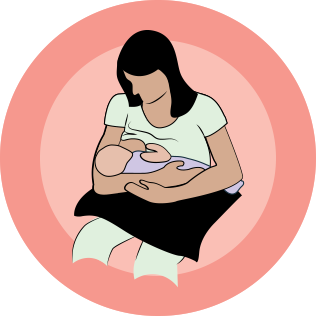
CLUTCH OR “FOOTBALL” HOLD

Clutch or “Football” Hold

  1. For the right breast, hold your baby level, facing up, at your right side.
  2. Put your baby’s head near your right nipple and support their back and legs under your right arm.
  3. Hold the base of your baby’s head with your right palm. A pillow underneath your right arm can help support your baby’s weight.
  4. To protect your back, avoid leaning down to your baby. Bring baby to you instead.
  5. Reverse for the left breast.

This hold is useful when:

  • You had a C-section
  • You have large breasts
  • You have flat or inverted nipples
  • You have a strong milk let-down
  • You are breastfeeding twins
  • Your baby likes to feed in an upright position
  • Your baby has reflux
  • You and your baby are comfortable in this position
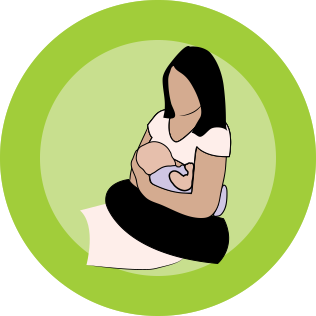
CRADLE HOLD

Cradle Hold

  1. For the right breast, cradle your baby with your right arm. Your baby will be on their left side across your lap, facing you at nipple level.
  2. Your baby’s head will rest on your right forearm with your baby’s back along your inner arm and palm.
  3. Turn your baby’s tummy toward your tummy. Your left hand is free to support your breast, if needed. Pillows can help support your arm and elbow.
  4. To protect your back, avoid leaning down to your baby. Instead, bring your baby to you.
  5. Reverse for the left breast.

This hold is useful when:

  • Your baby needs help latching on
  • You and your baby are comfortable in this position
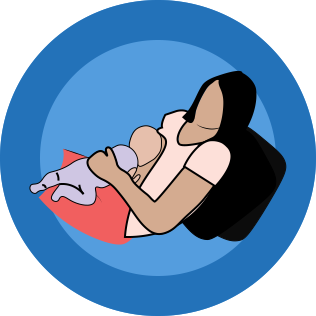
Laid-Back Hold

Laid-Back Hold

  1. Lean back on a pillow with your baby’s tummy touching yours and their head at breast level. Some moms find that sitting up nearly straight works well. Others prefer to lean back and lie almost flat.
  2. You can place your baby’s cheek near your breast, or you may want to use one hand to hold your breast near your baby. It’s up to you and what you think feels best.
  3. Your baby will naturally find your nipple, latch, and begin to suckle.

This hold is useful when:

  • Your baby is placed on your chest right after birth
  • You have a strong milk let-down
  • You have large breasts
  • You and your baby are comfortable in this position