
Wyoming WIC

Tips forNew Moms

tips-for-new-mom-english-qr

Dear Mom,

Congratulations on the birth of your baby! WIC is happy to share this special time with you.

As a new Mom with WIC, you can:

This webpage has tips that can help you and your baby. These tips do not replace your healthcare provider’s advice. Write down questions to ask your healthcare provider before you go to your next checkup.
WIC knows being a mom is special and there’s no one right way to do it. WIC has the tools, support, and information to find out what works best for you and your baby.

Sincerely,
Your WIC staff

Get the Care You Need

Postpartum care is healthcare for women after their baby is born. A healthcare provider or specially trained nurse checks that you are healing well. Go to all your postpartum checkups. Ask when you will need a checkup again.

You and your baby need vaccines.

If you need help to pay for healthcare, contact Medicaid or you can check Marketplace Plans.
Take Care Of Yourself With Food

Eating is an essential part of your postpartum care. Taking care of yourself and your family with food is an essential part of supporting your own well-being and taking care of your newest family member.

FEED YOURSELF FAITHFULLY

© Copyright 2024 by Ellyn Satter published at EllynSatterInstitute.org

Eat Breakfast, Lunch, and Dinner

Adjusting to life with an infant can take some time. Having a regular meal and snack routine can help you take care of yourself with food and adjust to your postpartum energy needs. Also, getting into the meal habit will benefit you when it’s time to introduce your baby to solid foods.

Following are some sample menu ideas. Know that you may eat more or less depending on your appetite and whether you are breastfeeding. Breastfeeding takes a lot of extra energy.

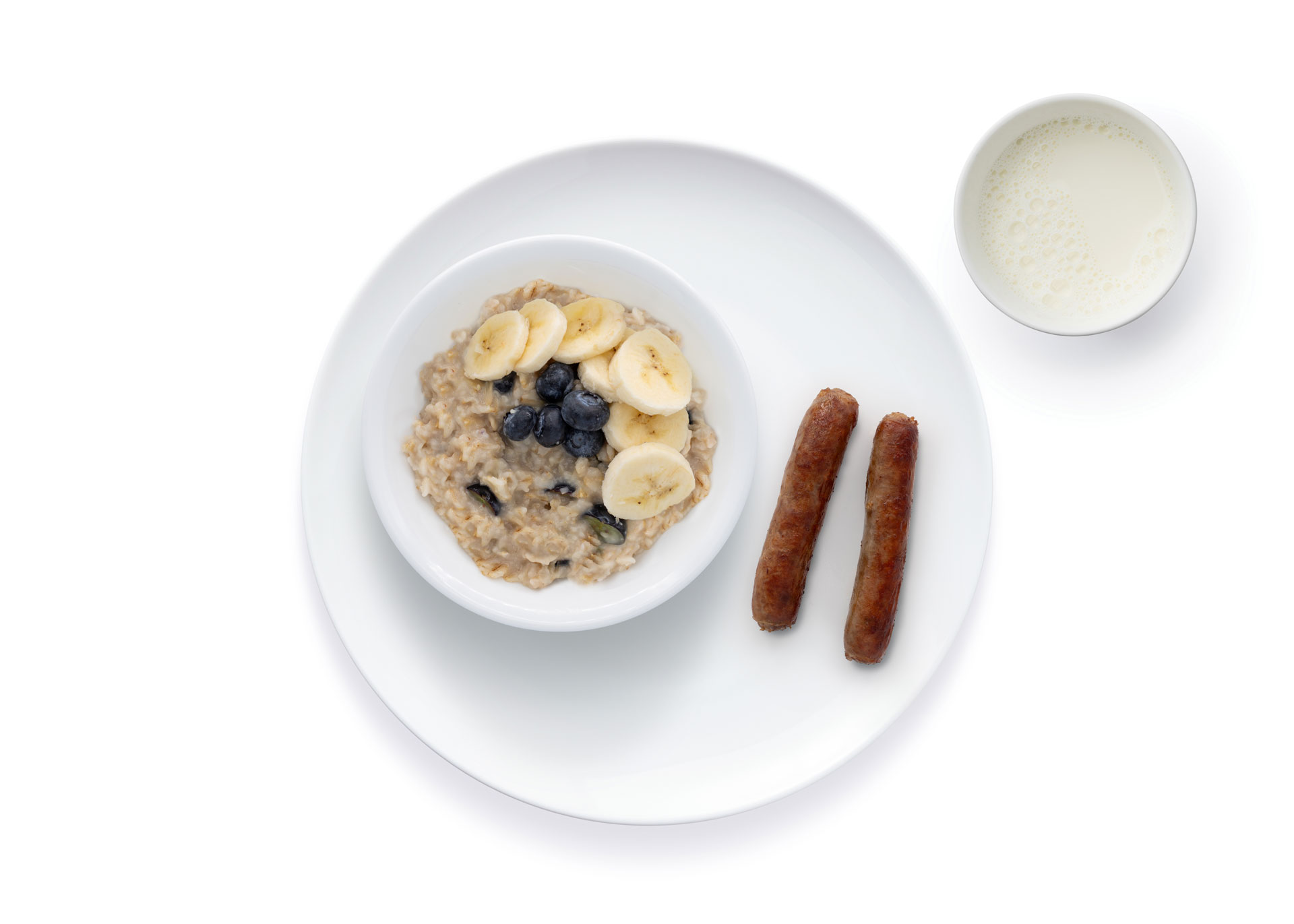
Here are some examples of what meals and snacks might look like on your plate.

Many of these options can be made with WIC-approved foods!

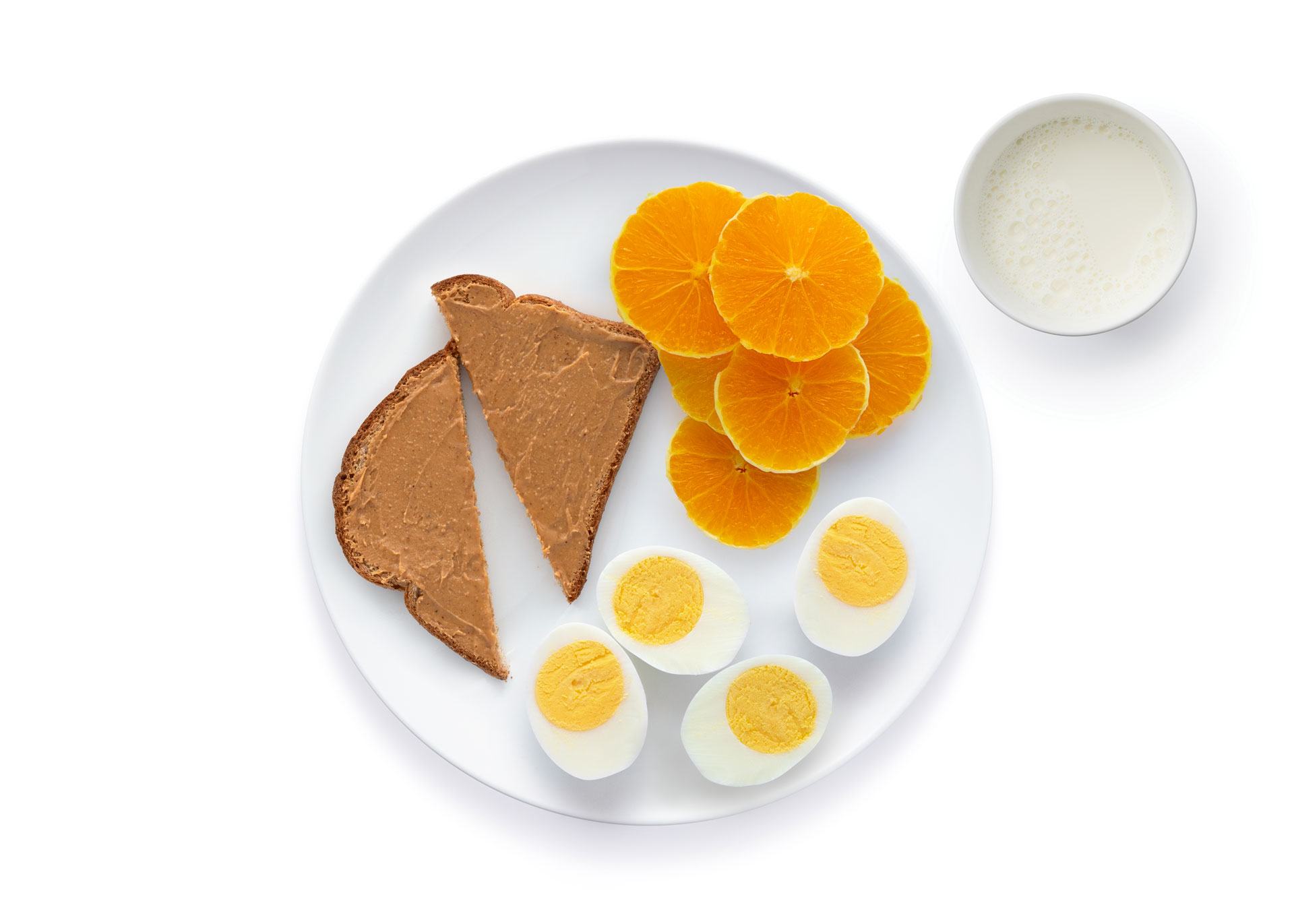
Breakfast

oatmeal with blueberries and banana slices
milk
sausage links
- OR -
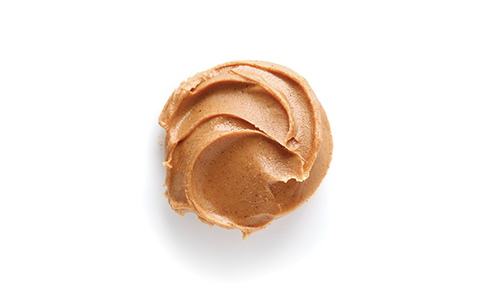
whole grain toast with peanut butter
milk
hard-boiled egg
orange slices

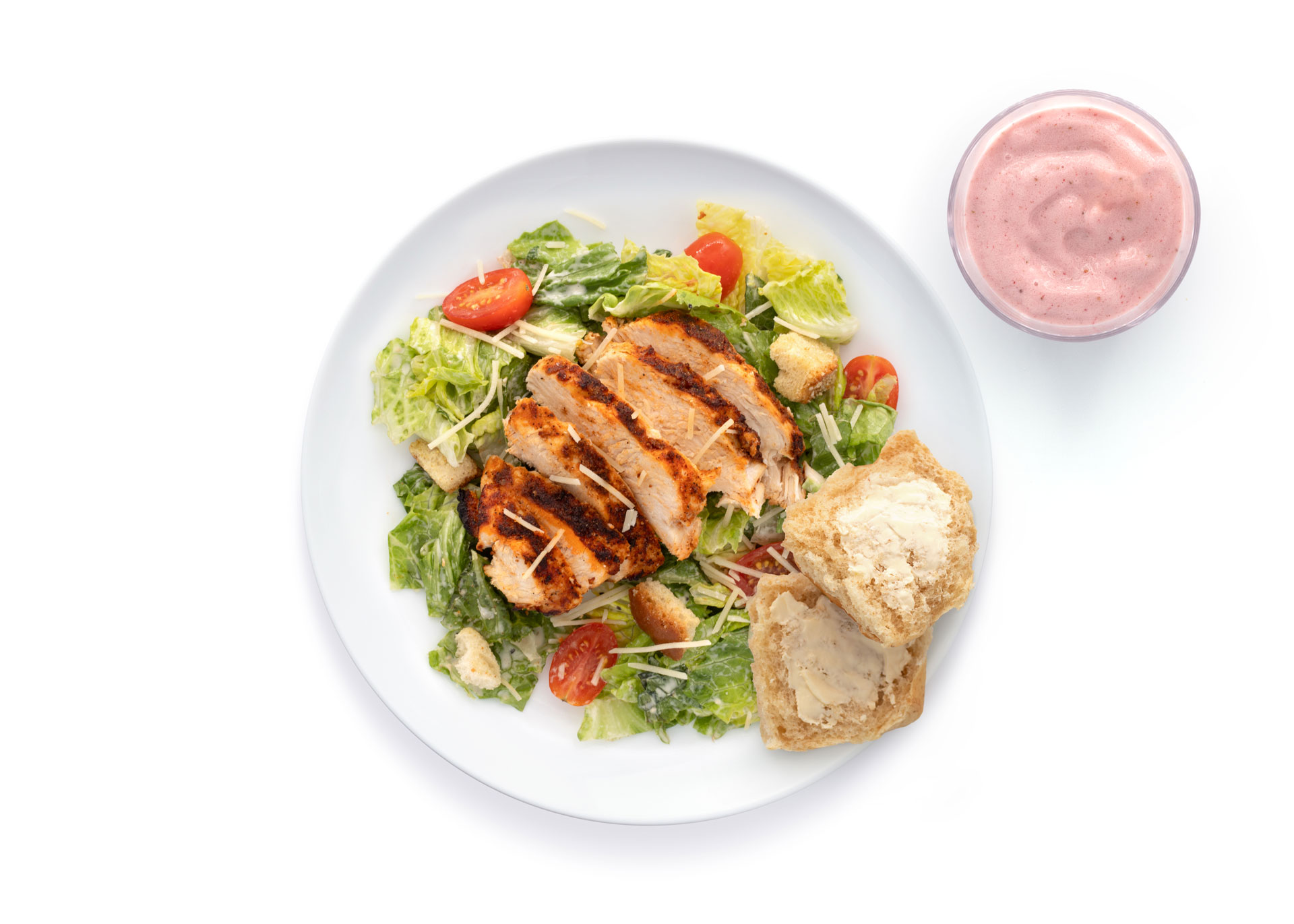
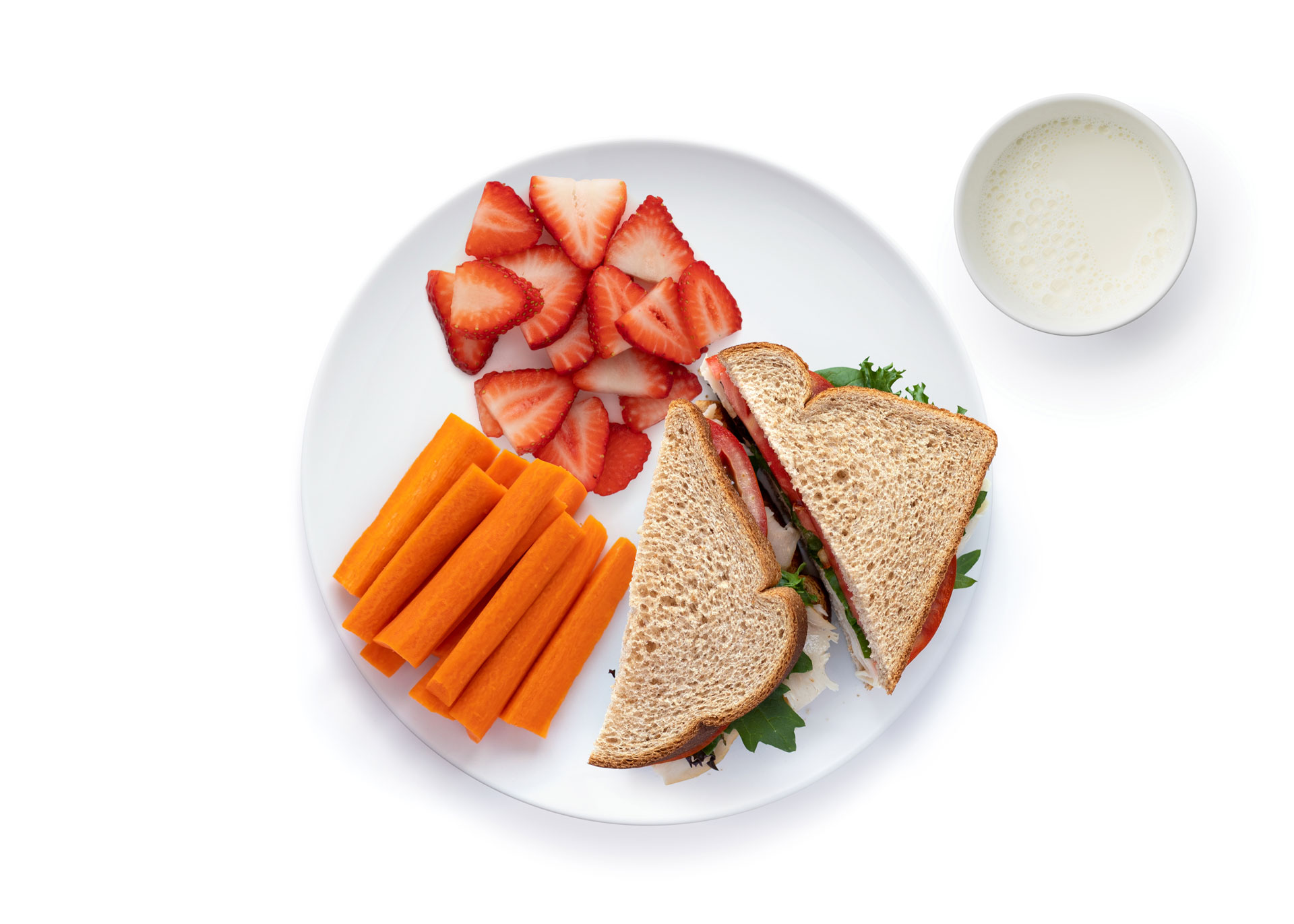
Lunch

whole wheat roll with butter
fruit smoothie
grilled chicken salad with cherry tomatoes, red onion, and cucumber
- OR -
sliced strawberries
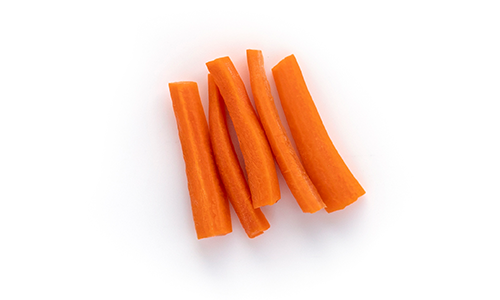
sliced carrots
milk
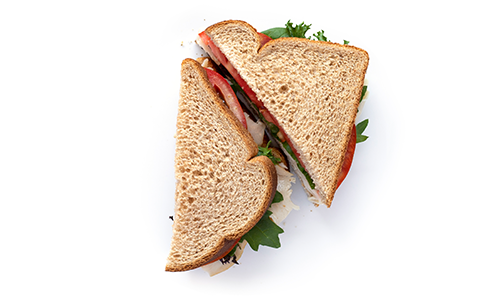
turkey sandwich

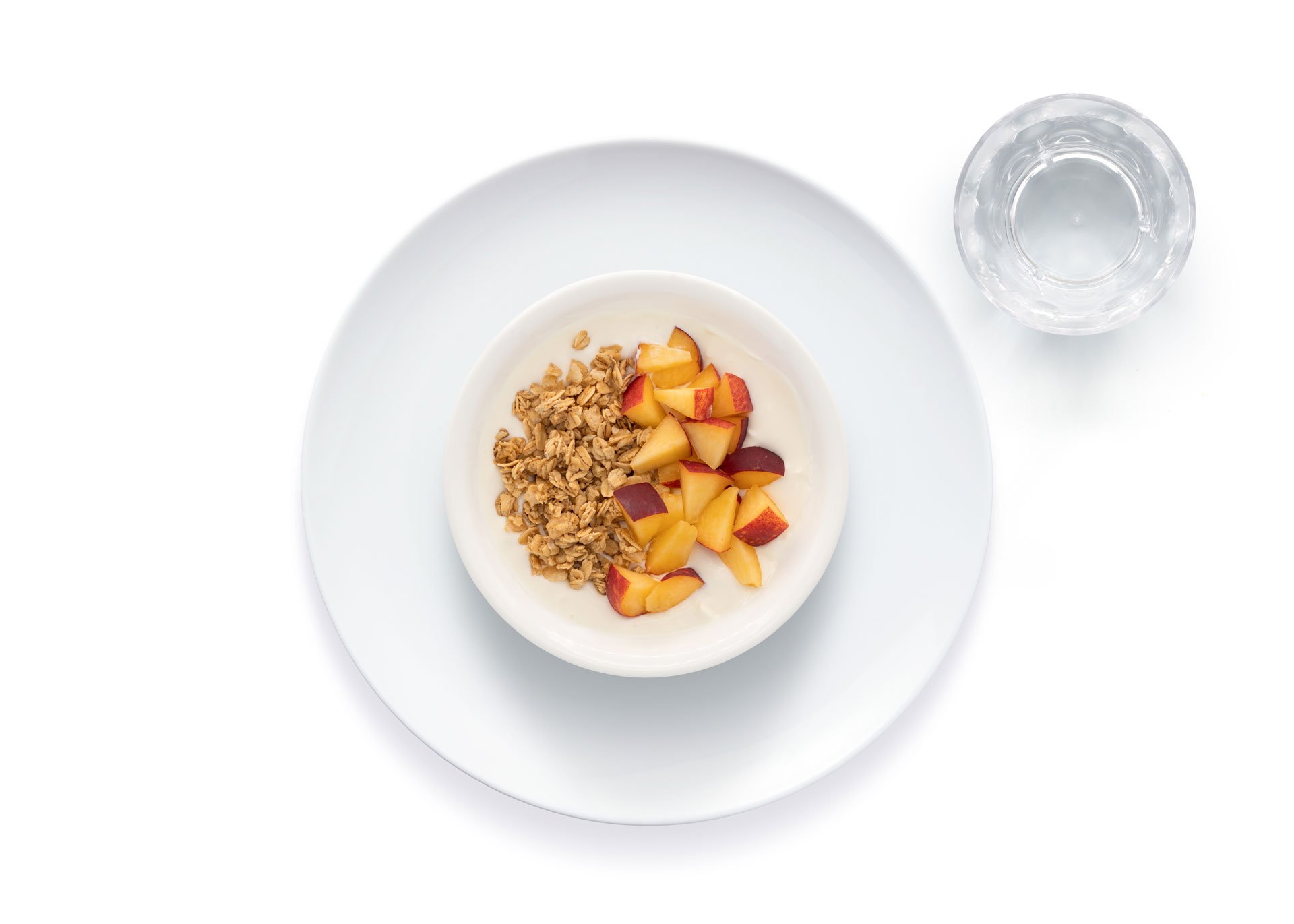
Snacks

yogurt with sliced peaches and granola
water
- OR -
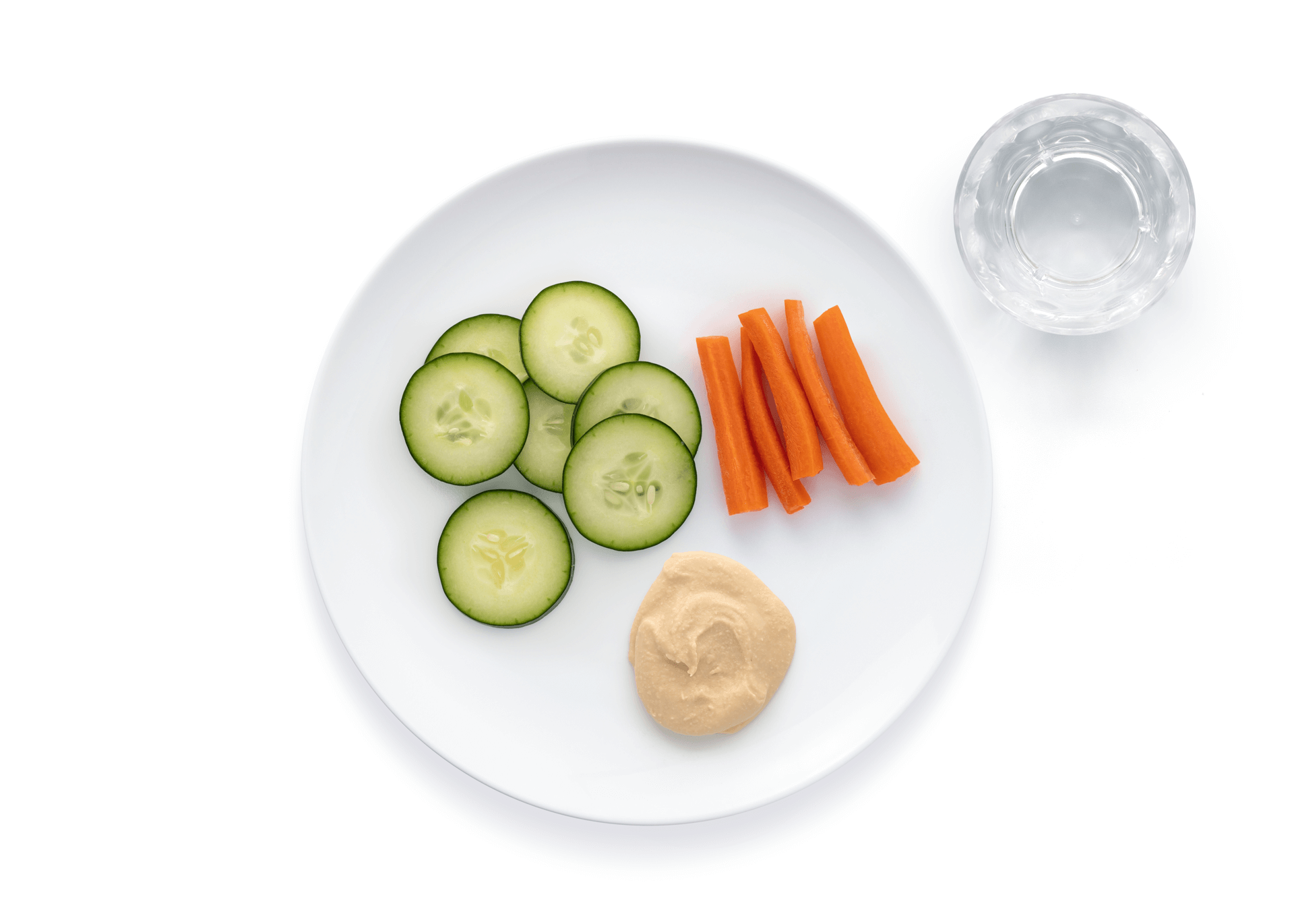
sliced cucumbers and carrots with hummus
water
- OR -
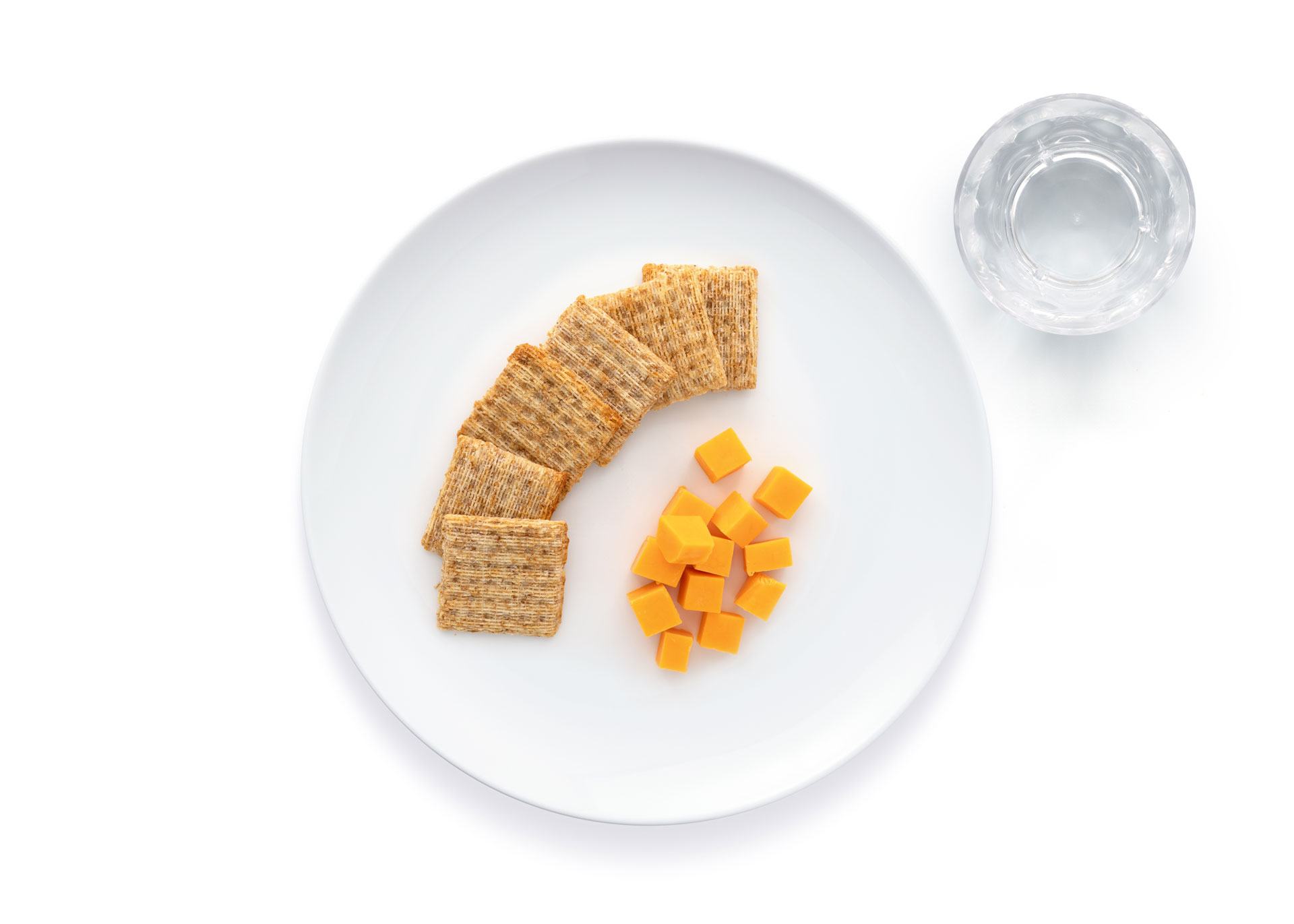
crackers with cheese
water
- OR -
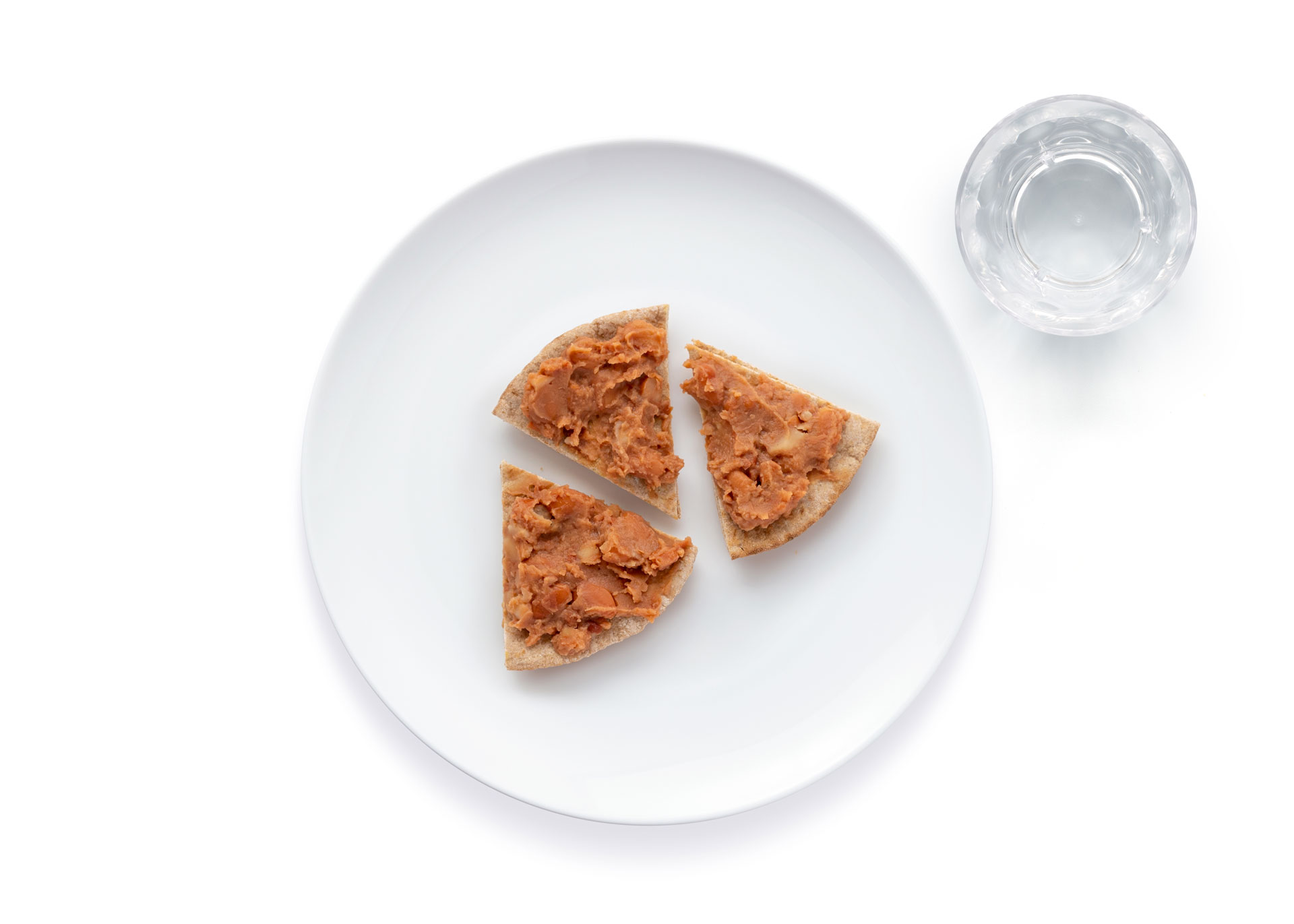
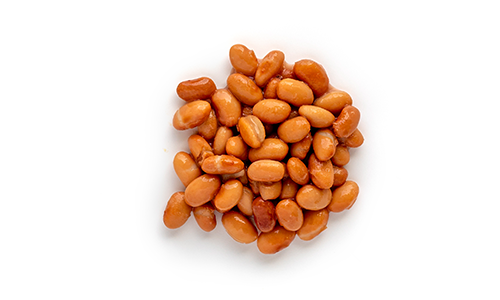
pita wedges with refried beans
water

Dinner

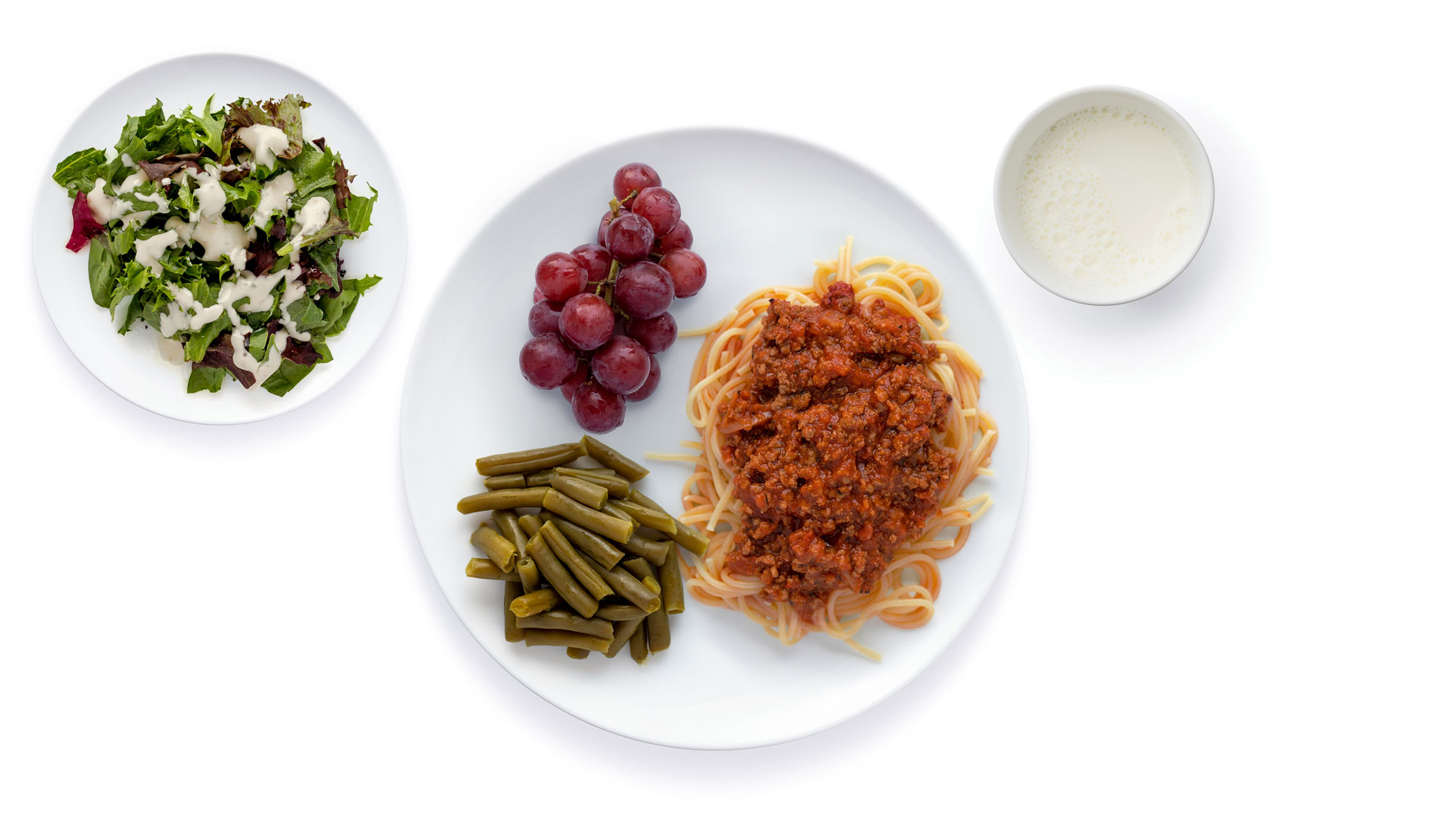
salad with dressing
grapes
green beans
milk
spaghetti with meat sauce
- OR -
asian slaw
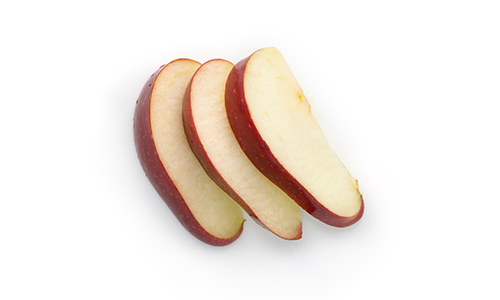
sliced apples
milk
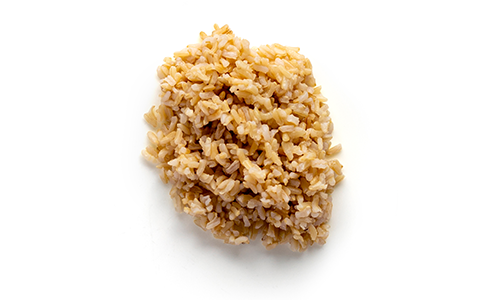
brown rice
chicken and vegetable stir-fry

Food Groups

These are examples of foods that are in each food group. I may eat more or less than the amount of each food shown.

Have Family Meals

Getting into the meal habit is important for your family. Meals are the place where your child will learn to try new foods, learn to eat, and eventually engage in conversation with the family. Start the meal habit when your baby is little. If this is new to you, here are some tips to try:

Get Folic Acid Every Day

Folic acid is a vitamin that every cell in your body needs. Folic acid helps your body heal after childbirth. If you are breastfeeding, it provides important nutrients for both you and your baby.

Folic Acid Rich Foods

The below foods are good sources of folic acid:

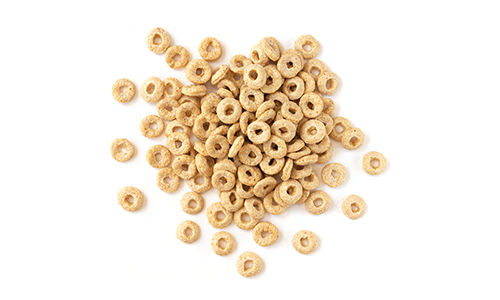
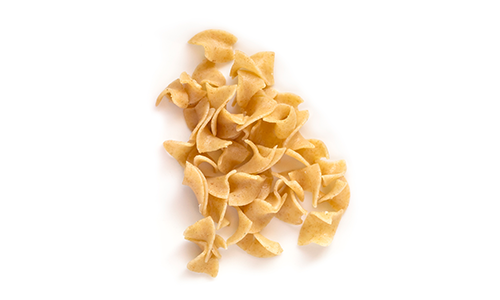
  • Enriched pastas, breads, and cereals
  • Spinach and dark greens
  • Peanuts and peanut butter
  • Rice
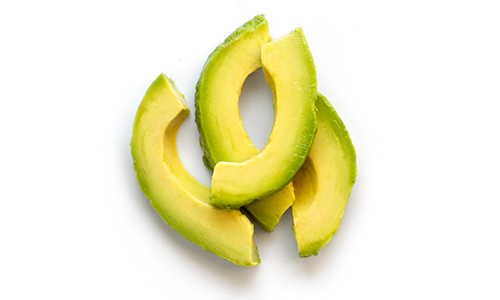
  • Avocado
  • Brussel sprouts
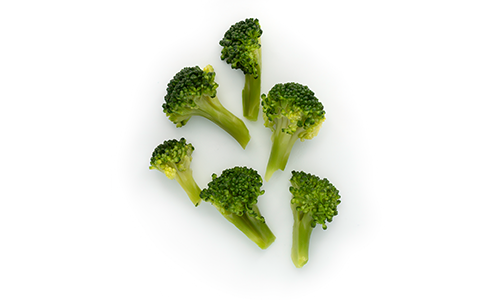
  • Broccoli
  • Beans
  • Eggs
  • Melon
  • Oranges
  • Turnips
  • Bananas
  • Milk

What about iron?

After childbirth, you might have low iron levels, which can make you feel weak and tired. To help, eat foods rich in iron, like red meats, spinach, and foods with Vitamin C (oranges, strawberries, grapefruit, broccoli, orange juice, tomatoes), which helps your body absorb iron. Your healthcare provider might also suggest taking a vitamin with iron or continuing your prenatal vitamin.

Iron-Rich Foods

  • Iron-fortified breakfast cereal
  • Cooked dried beans like white beans, lentils, garbanzo beans, or pinto beans
  • Lean red meat
  • Tofu
  • Eggs
  • Greens like spinach, collard greens and mustard greens
  • Potato with skin
  • Prune juice
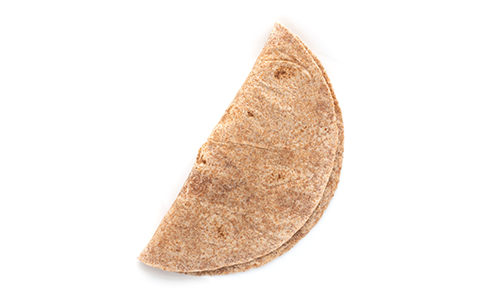
  • Whole grain bread

Combine iron rich foods with foods high in Vitamin C. Eating these together helps your body absorb more iron from the food you eat.

Good sources of Vitamin C include:

Simplifying Meal Management

Taking care of an infant takes a lot of your time and energy. Here are some ideas for simplifying your meal and snack management.

Move your body in ways that you enjoy

Move because you enjoy it. Think about what you want to do. Do you like to dance? Work in the garden? Go to the park?

Also think about what you have to do. Walk to the store? Clean the house? Play with your children? Being active can fit into your daily routine.

h3 hide

Moving your body will help you:

Take it easy, at first. Your body needs to heal. Ask your healthcare provider what you can do and when you can do it.

Walking is a good way to get moving and enjoy time outdoors! After one week, walk a little longer or farther. Set a goal that works for you.

Here are other easy ways to move your body:

You can also find other fun and free workout programs/videos online.

Just as with enjoyable eating, know and trust your body. Start with an activity you now enjoy or have been thinking about participating in. As you continue your practice, listen to and appreciate your body’s capabilities, endurance, strength, and flexibility. Reflect on how far you have grown in strength, flexibility, and endurance as well as its impact on your feelings and mental health.

Make Time For Yourself

h3 hide

KEEP YOUR SMILE HEALTHY

To keep your teeth and gums healthy, be sure to:

Postpartum Depression

Most new moms get the Blues. They cry, feel sad, and have mood swings. This can last up to 2 weeks. If the feelings continue and get worse, you could have Postpartum Depression.

If you think you might have Postpartum Depression, talk with your healthcare provider to get help. You deserve to feel well.

If you have thoughts of harming yourself or your baby, get help right away.

Are you worried about your feelings?

Experiencing deep sadness, difficulty sleeping, irritability, changes in appetite, or trouble concentrating could be signs of depression. It’s important to know that you can become depressed during pregnancy or after giving birth. If you have these concerns, please talk to a doctor or nurse.

If you need immediate help, call 988 or text WYO to 741741. You will be connected to a trained counselor that can provide free support and counseling to persons in need of emotional help.

SIGNS OF POSTPARTUM DEPRESSION

Any of these feelings that last more than 2 weeks:

TRY THIS STRESS RELIEVER

Understanding Your Baby’s Cues

Your baby uses body movements and cues to tell you what they need. Responding to your baby’s cues can help them be calm and happy.

“I’M HUNGRY”

When your baby is hungry, they may:

“I’M Full”

When your baby is full, they may:

“I WANT TO BE NEAR YOU”

When I am ready to play.

As your newborn gets older, you will be better able to tell when they are ready to interact, learn, or play.

When your baby is asking you to help them learn more about you and their new world, they may:

“I NEED A BREAK”

When I need something to be different.

As you get to know your baby, you will begin to learn what they are trying to tell you. This takes time.

When your baby needs a break from playing and learning, or needs some quiet time, they may:

Getting the Best Start with Feeding Your Baby

Breastfeeding may take some time and practice until you and your baby are comfortable with one another.
Get your rest. It takes energy to make breastmilk.

Have a beverage ready to drink such as water, milk, or juice when you are breastfeeding.

h3 hide

If you do not drink milk, talk to wic. You can get calcium from other foods like:

What are the benefits of breastfeeding?

Every mother’s journey is unique. Choosing to breastfeed is a personal decision that can have lasting benefits for both you and your baby.

Contact your WIC office to ask about breastfeeding support. We have support groups and lactation professionals who can answer your questions.

FEEDING FORMULA

Whether you choose to feed your baby breast milk or formula, your baby counts on you to help them do well with eating. Formula feeding isn’t hard but does take some learning. For more information on formula feeding, visit the Birth to 6 Month feeding guide.

Staying Safe

Keep you and your baby safe by avoiding tobacco or nicotine products, alcohol, marijuana, and other drugs. If you are planning another pregnancy, WIC can help you with resources to stop or reduce the use of tobacco, nicotine, alcohol, or drugs.

Smoke or vapor from cigarettes or vape pens can impact you and others around you. Smoking around babies or children can increase their risk for colds, ear infections, Sudden Infant Death Syndrome (SIDS), or asthma.

Consider a no smoking rule for your home and vehicles. Ask people to not smoke around you and your baby.

We know how difficult it is to quit or reduce tobacco or nicotine products. If you are struggling to quit or reduce your use, we have resources for you. Visit www.quitwyo.org for support with quitting tobacco or nicotine use including free coaching, a free quit plan, and educational materials.

For support with quitting alcohol, marijuana, or other illegal drug use contact your healthcare provider or visit www.findtreatment.gov.

Information on Car Seat Safety can be found on the Centers for Disease Control (CDC) or National Highway Traffic Safety Administration (NHTSA) websites.

Install this web app on your iPhone: tap ios-share and then Add to Home Screen.

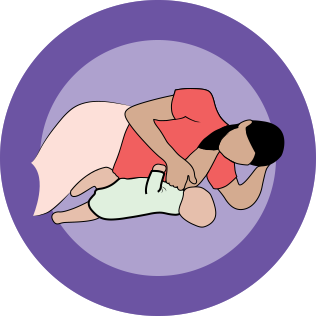
SIDE-LYING HOLD

Side-Lying Hold

  1. For the right breast, lie on your right side with your baby facing you.
  2. Pull your baby close. Your baby’s mouth should be level with your nipple.
  3. In this position, you can cradle your baby’s back with your left arm and support yourself with your right arm and/or pillows.
  4. Keep loose clothing and bedding away from your baby.
  5. Reverse for the left breast.

This hold is useful when:

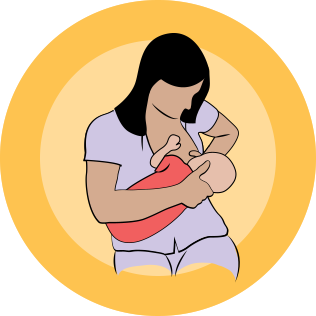
CROSS-CRADLE HOLD

Cross-Cradle Hold

  1. For the right breast, use your left arm to hold your baby’s head at your right breast and baby’s body toward your left side. A pillow across your lap can help support your left arm.
  2. Gently place your left hand behind your baby’s ears and neck, with your thumb and index finger behind each ear and your palm between baby’s shoulder blades. Turn your baby’s body toward yours so your tummies are touching.
  3. Hold your breast as if you are squeezing a sandwich. To protect your back, avoid leaning down to your baby. Instead, bring your baby to you.
  4. As your baby’s mouth opens, push gently with your left palm on baby’s head to help them latch on. Make sure you keep your fingers out of the way.
  5. Reverse for the left breast.

This hold is useful when:

CLUTCH OR “FOOTBALL” HOLD

Clutch or “Football” Hold

  1. For the right breast, hold your baby level, facing up, at your right side.
  2. Put your baby’s head near your right nipple and support their back and legs under your right arm.
  3. Hold the base of your baby’s head with your right palm. A pillow underneath your right arm can help support your baby’s weight.
  4. To protect your back, avoid leaning down to your baby. Bring baby to you instead.
  5. Reverse for the left breast.

This hold is useful when:

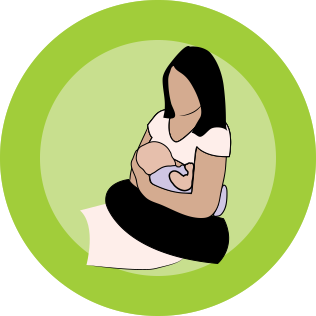
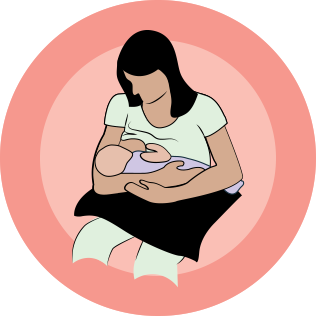
CRADLE HOLD

Cradle Hold

  1. For the right breast, cradle your baby with your right arm. Your baby will be on their left side across your lap, facing you at nipple level.
  2. Your baby’s head will rest on your right forearm with your baby’s back along your inner arm and palm.
  3. Turn your baby’s tummy toward your tummy. Your left hand is free to support your breast, if needed. Pillows can help support your arm and elbow.
  4. To protect your back, avoid leaning down to your baby. Instead, bring your baby to you.
  5. Reverse for the left breast.

This hold is useful when:

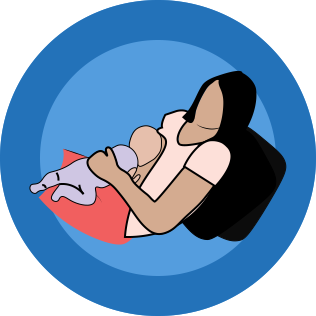
Laid-Back Hold

Laid-Back Hold

  1. Lean back on a pillow with your baby’s tummy touching yours and their head at breast level. Some moms find that sitting up nearly straight works well. Others prefer to lean back and lie almost flat.
  2. You can place your baby’s cheek near your breast, or you may want to use one hand to hold your breast near your baby. It’s up to you and what you think feels best.
  3. Your baby will naturally find your nipple, latch, and begin to suckle.

This hold is useful when: