


Here is how you can help me do well with my eating:
Help me try new foods.
Dish up small amounts for me. Let me choose to eat or not eat, even if the food is on my plate. Don’t make different food if I don’t eat what is at the meal.
I will try new food, but it takes time. When I see you eating something, I think, “someday I will eat that too.” Even if I don’t eat it today, I will get used to seeing and smelling the food and watching you enjoy it.
Here is how you, too, can sneak up on new food and learn to eat it:

During my second year of life, less of my nutrition is still coming from breast milk or formula and more from table foods. I continue to learn about new foods. I’m trying new tastes and textures. My foods will change as I learn and grow.
For me, amounts are still small. I may be eating more whole foods that are soft, cut up, or foods I can pick up by myself.
My appetite can change from day to day. So, don’t worry if I eat more one day and less the next. Keep offering me new foods and add on to favorites I enjoy. We’ll learn together. Eating together should be enjoyable for both of us.
Offer meals and snacks about every 2-3 hours, including something before bedtime. My tummy is small, so I need snacks between meals to give me energy and to grow.
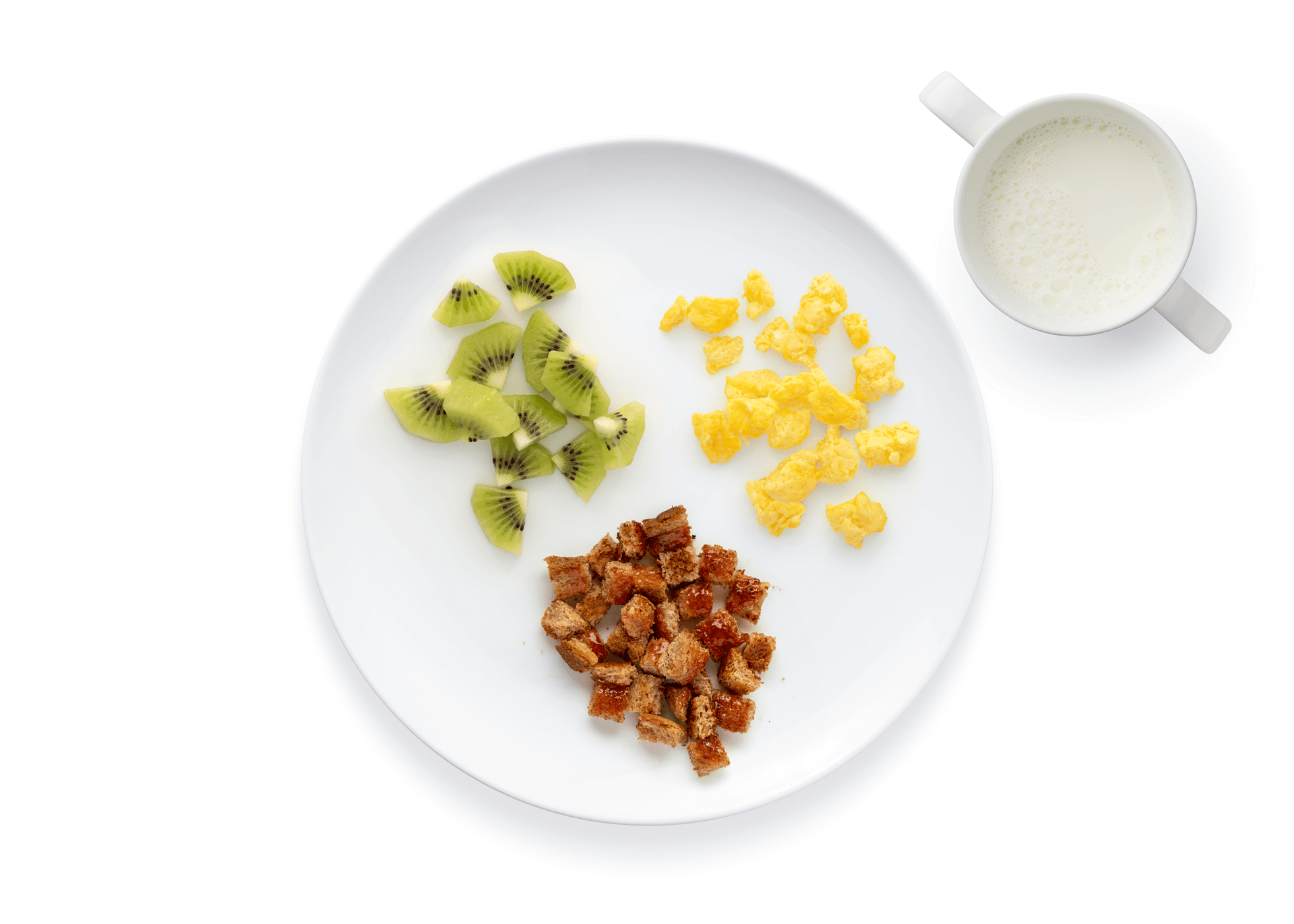
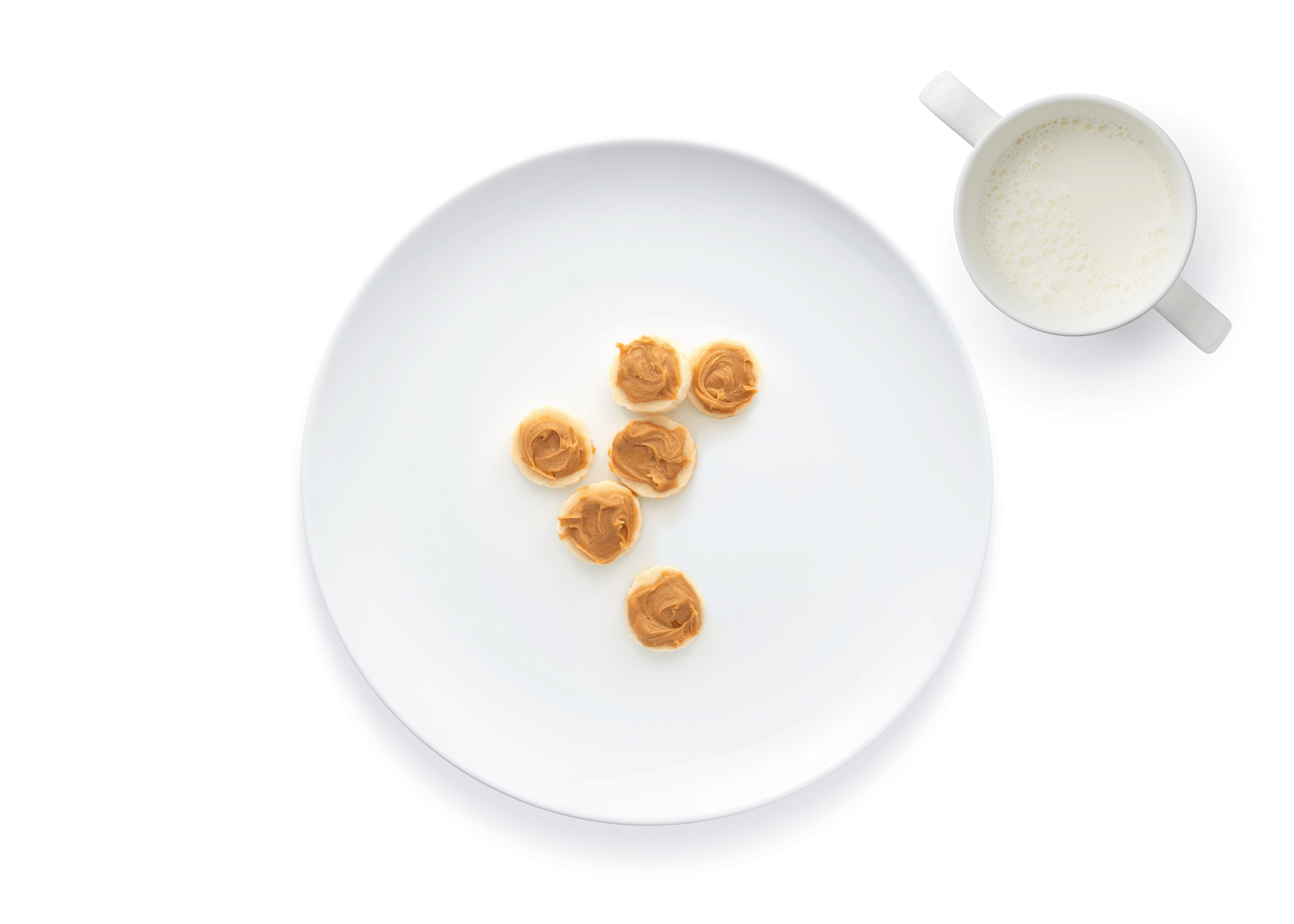
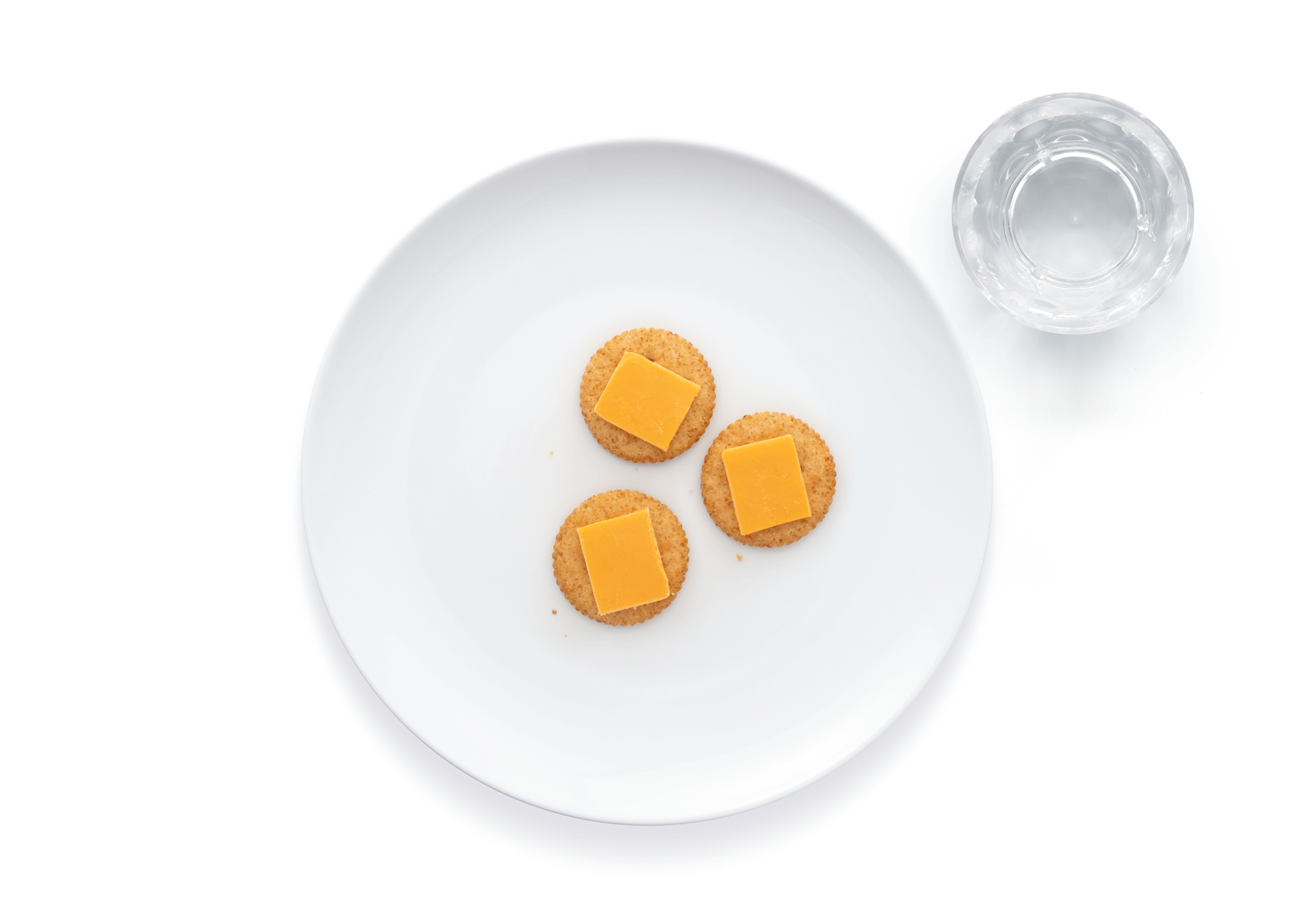
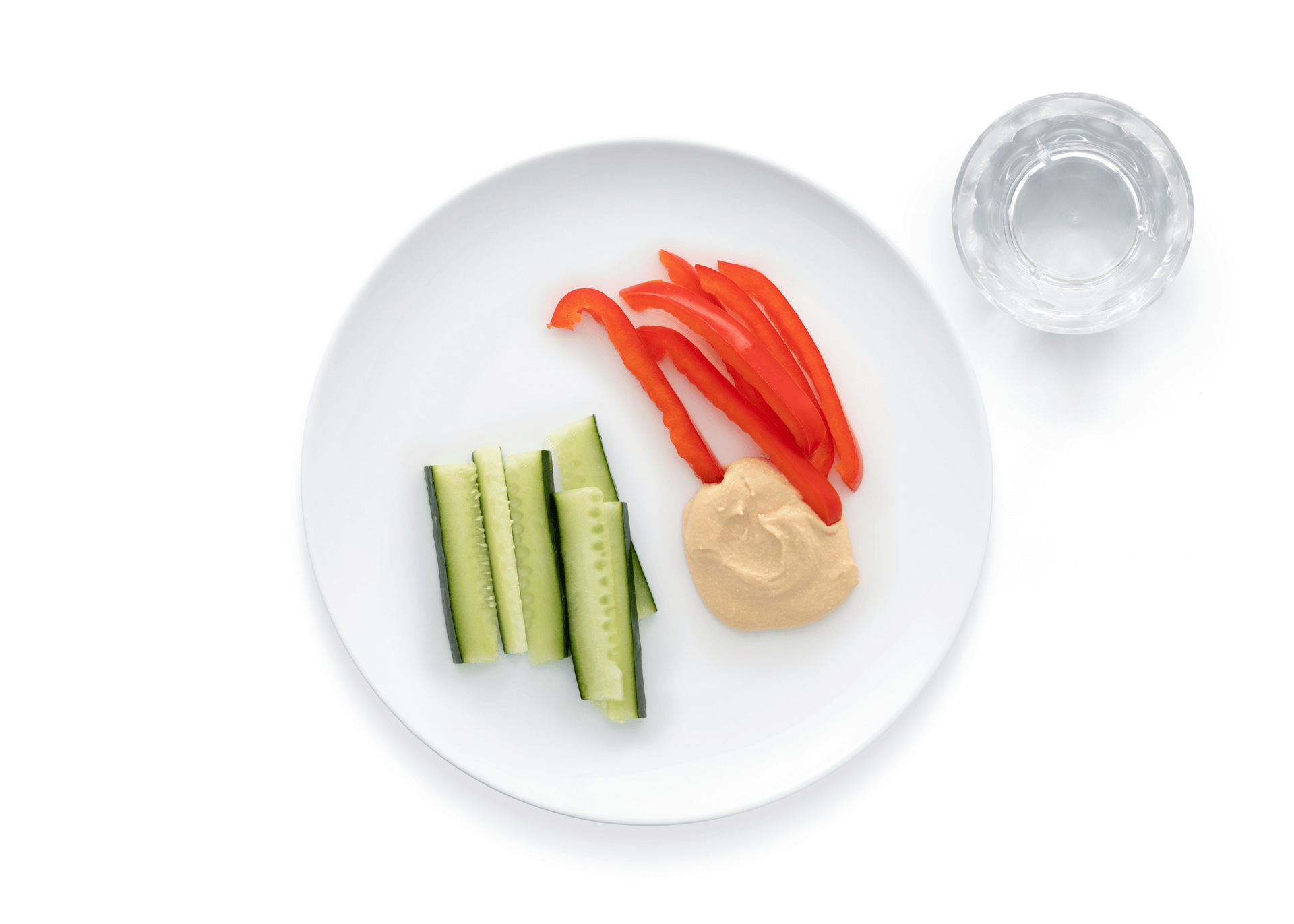
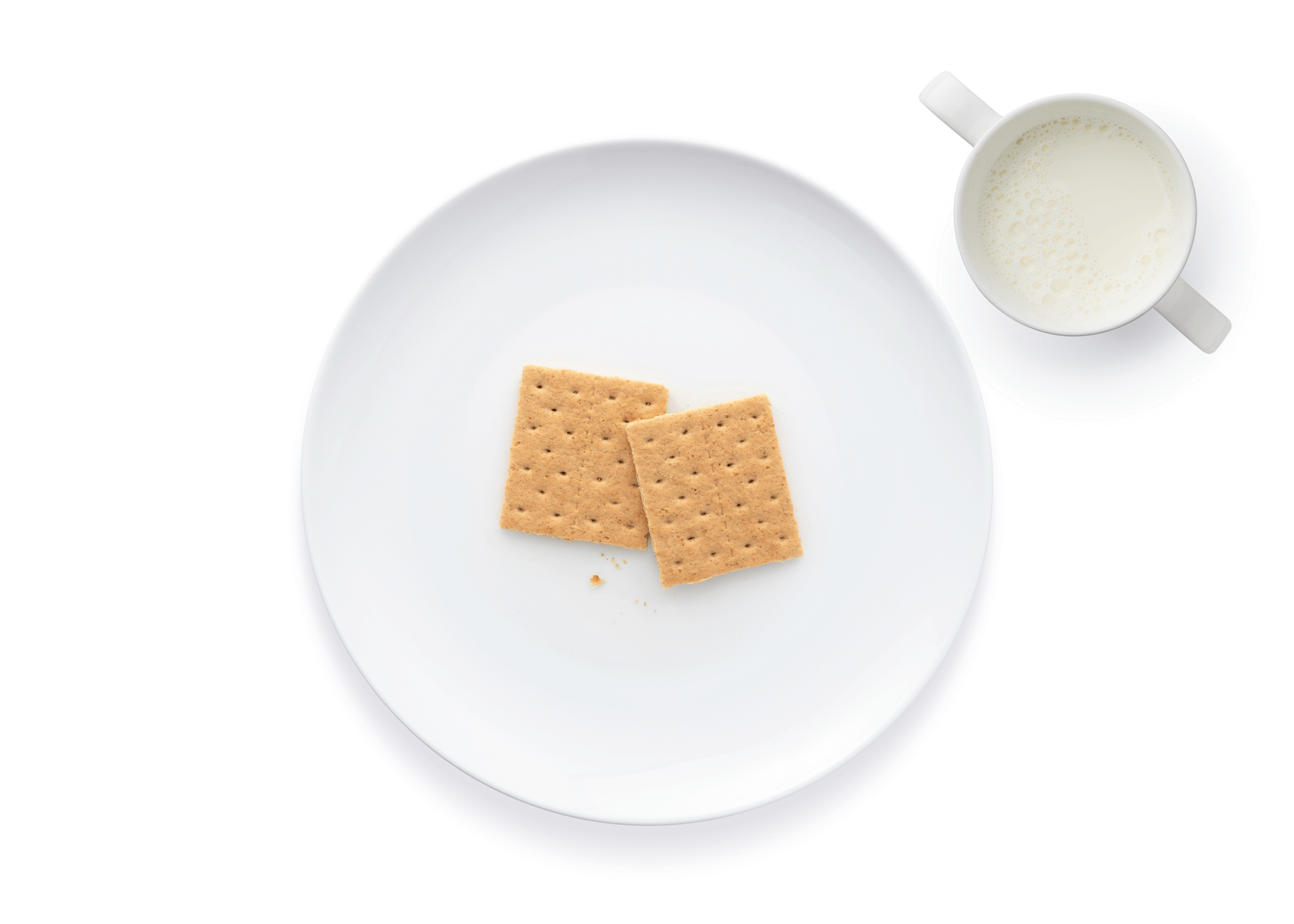
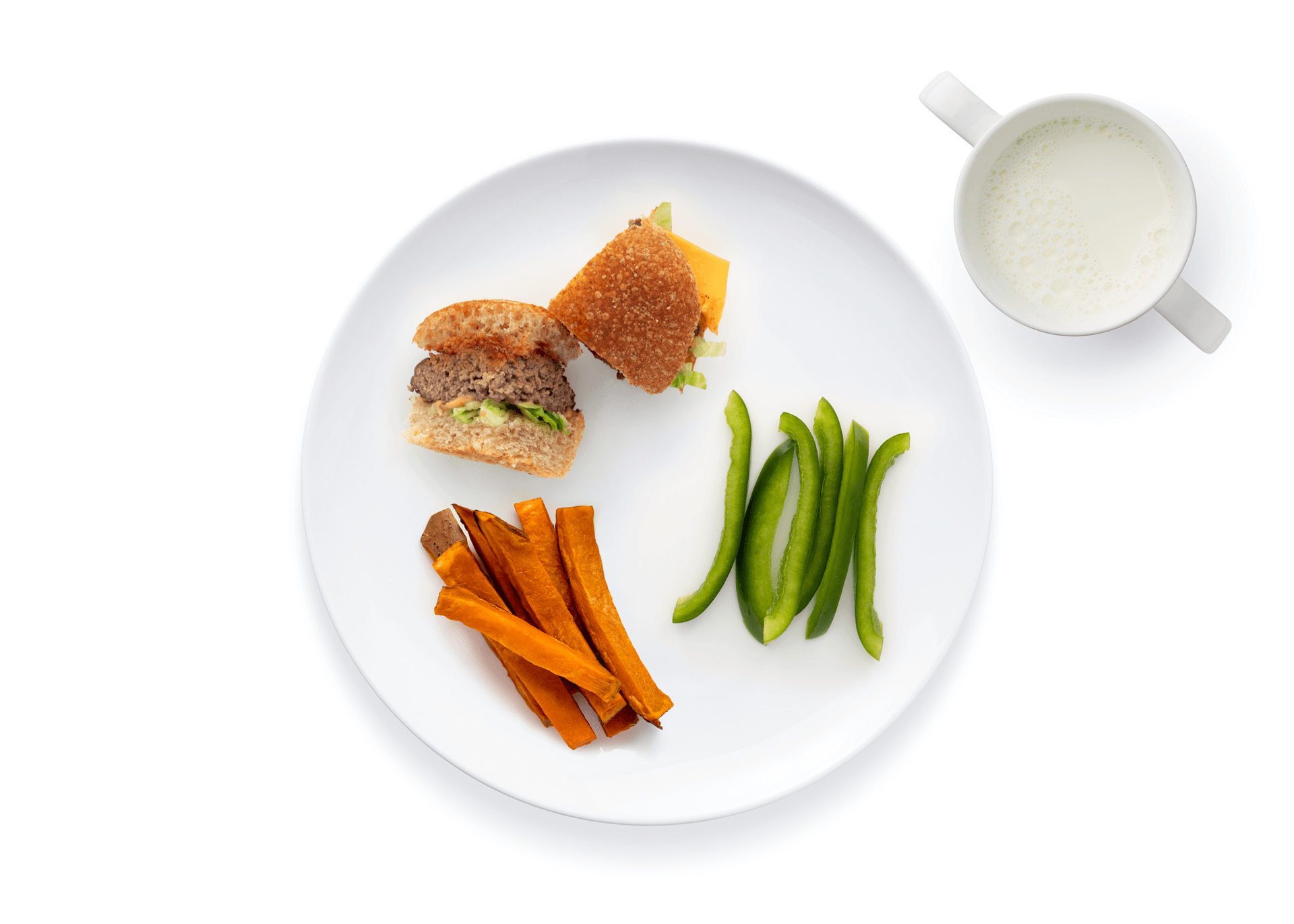
Create a satisfying meal or snack by offering 3-5 foods at meals and 1-2 foods at snack time. A serving is 1-2 tablespoons or a quarter slice of bread. Let me eat until I show you I am full.
A serving is approximately 1-3 tablespoons of a food. Offer 3 to 4 food items at a meal and build from there. Let me eat until I show signs I’m full. I might close my lips, turn or shake my head, or raise my arm. Let me stop eating and get down when I’m done.
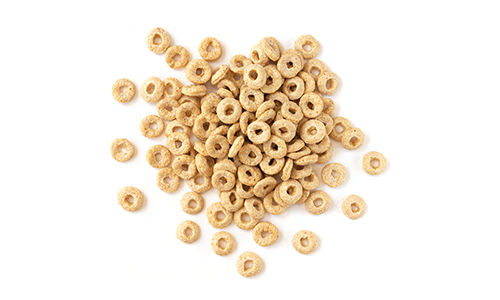
Cereal


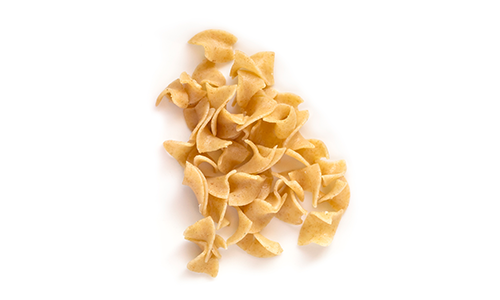
Pasta
Tortilla
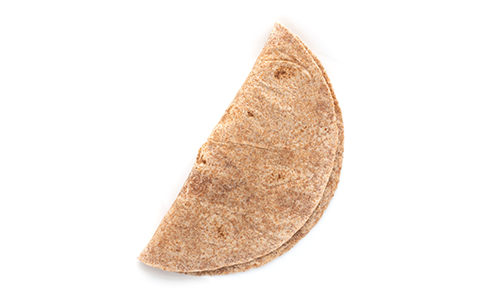

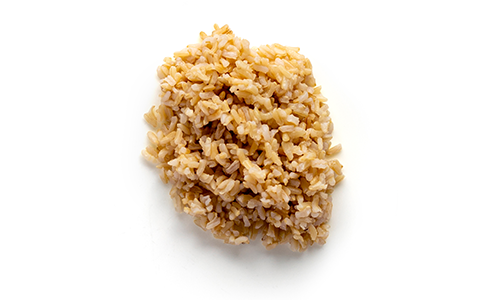
Rice
Bread


Crackers
Bite-sized pieces.
Examples: whole grain bread, white bread, tortillas, rice, noodles, cereals, crackers, pancakes, French toast, muffins, bagels, dry or cooked cereal.
Offer a variety throughout the week based on culture, family traditions, and budget.
Green beans

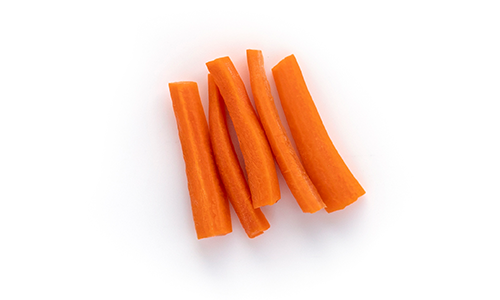
Carrots
Beets

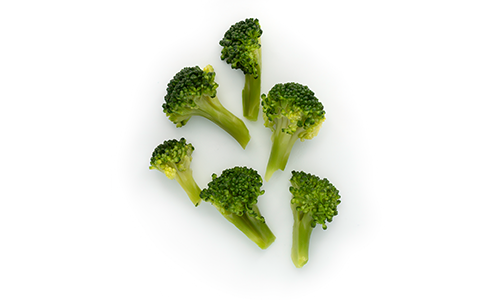
Broccoli
Sweet Potato

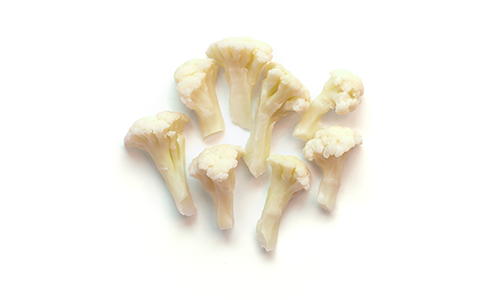
Cauliflower
Bell peppers

Cooked and mashed, sliced, or chopped veggies.
Examples: beets slices, broccoli, cauliflower, yams, potatoes, carrots, green beans.
Offer a variety throughout the week based on culture, family traditions, and budget.
Kiwi

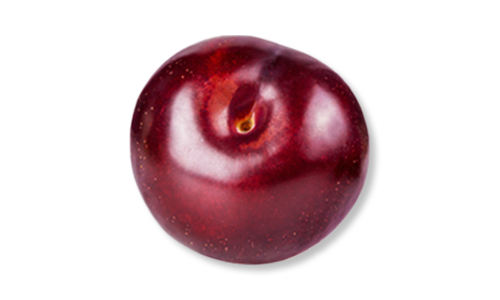
Plum
Nectarine


Blueberries
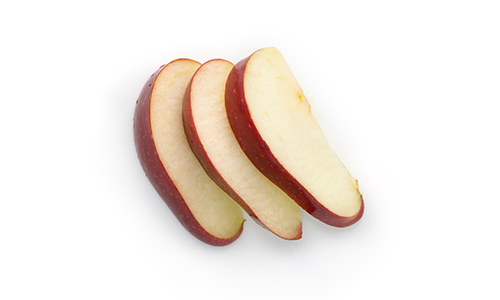
Apples

Watermelon
Avocado
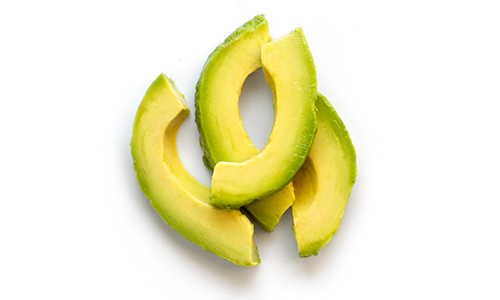
Mashed, sliced, chopped, canned, or soft fresh fruit.
Examples: applesauce, apple wedges, bigger chunks of banana, pear slices, canned peaches, kiwi, strawberries, cantaloupe, honeydew.
Offer a variety throughout the week based on culture, family traditions, and budget.
Breastmilk
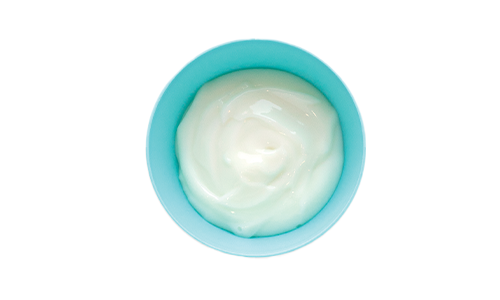
Yogurt
Sliced Cheese


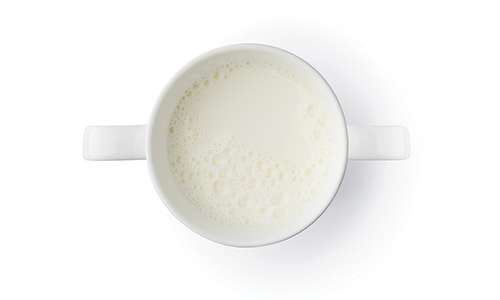
Milk
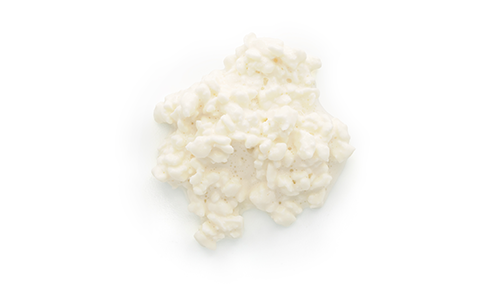
Cottage cheese

String cheese
Examples: Breastmilk (at breast or expressed), whole milk, low-fat or fat-free milk, yogurt, cheese, cottage cheese.
Offer a variety throughout the week based on culture, family traditions, and budget.
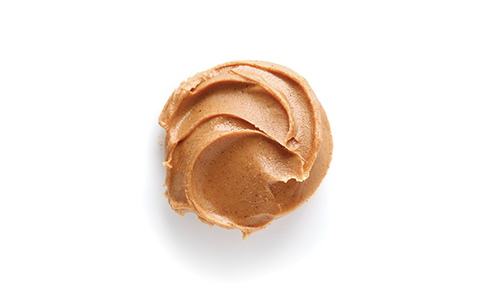
Peanut Butter
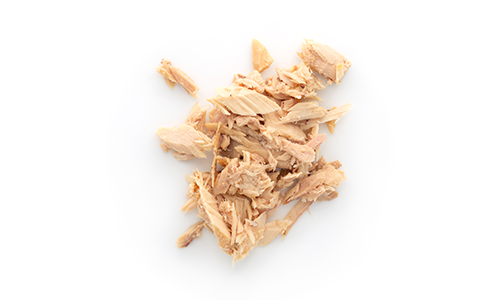
Tuna
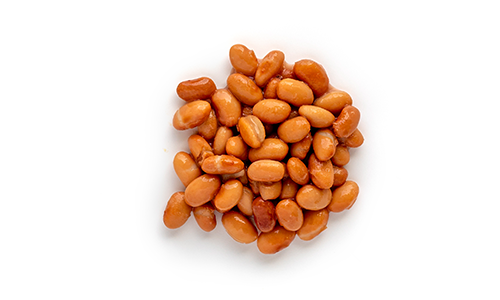
Beans

Eggs
Tofu


Beef
Chicken
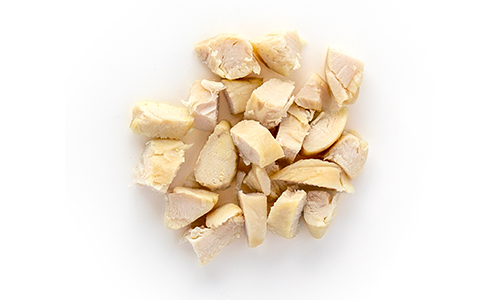
Soft cooked pieces.
Examples: mashed beans or peas, eggs, peanut butter, cut up hamburger, tofu, and cooked, chopped meat, poultry, or fish.
Offer a variety throughout the week based on culture, family traditions, and budget.
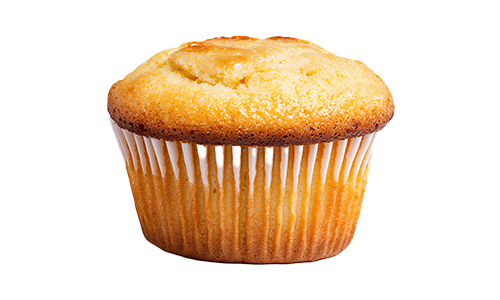
Cupcake
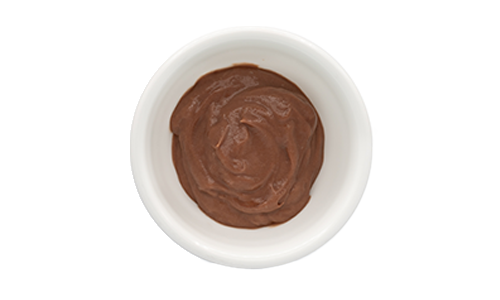
Pudding
Cookie

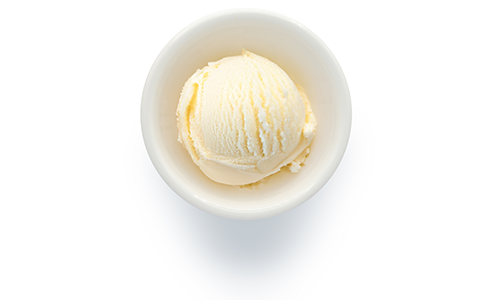
Ice Cream
Brownie

Offer 1 serving of dessert at the same time as the rest of the meal and allow your child to pick when to eat it at the beginning, middle, or end of the meal.
Offer cookies and other desserts as a snack on occasion. You can offer it with milk if you want.
Offer a variety throughout the week based on culture, family traditions, and budget.
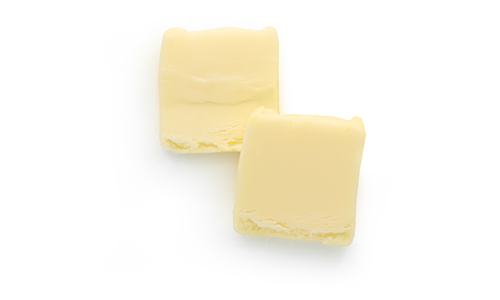
Butter
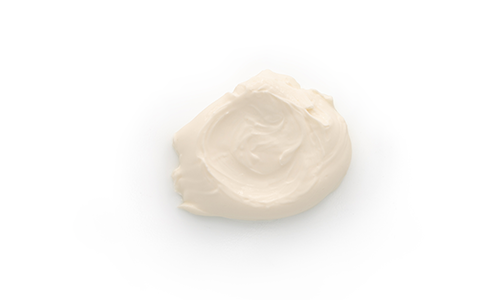
Cream cheese
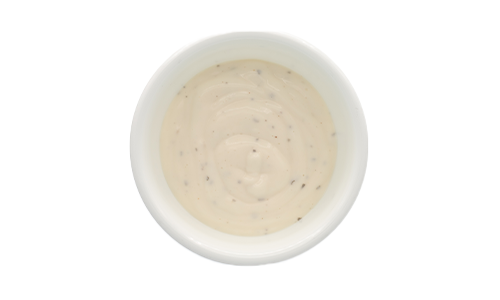
Ranch dressing

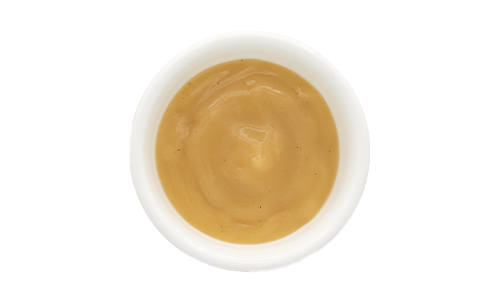
Gravy
Children need some fat to grow, provide energy, and make food taste good.
Examples: butter, sour cream, cream cheese, ranch dressing, other sauces, gravy.
Quesadilla with guacamole

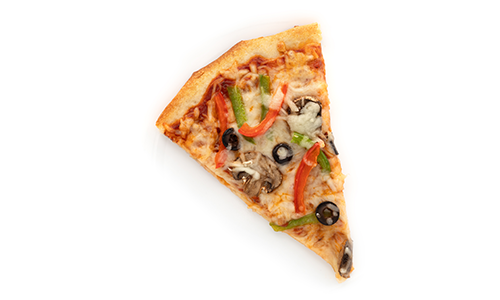
Pizza
Mac n’ Cheese


Lasagna
Burrito
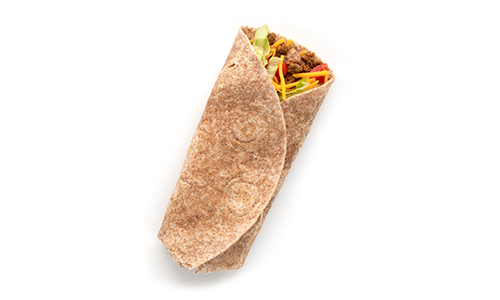
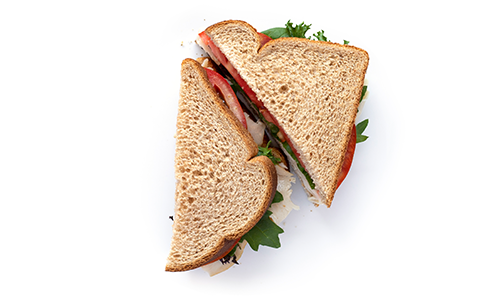
Sandwich
Some foods are a combination of food groups and make for a tasty meal.
Examples: pizza, casseroles, soup, mac n’ cheese, spaghetti, lasagna, burritos, quesadillas, soft tacos, hamburgers.

Ask my doctor if I need a lead test to keep my brain healthy. Talk to my doctor to find out if I get enough vitamin D, too. I need it for strong bones and teeth.
I need a nap every day. I learn to fall asleep when you lie me down when I’m tired but not so tired I’m already asleep. This is another way for you to learn my cues and trust me to fall asleep.
Please take me to the dentist for regular checkups. Brush my teeth front and back, 2 times a day. Use a small, soft toothbrush with a rice-sized smear of fluoride toothpaste.
Interacting with family and friends can help me build strong social bonds. This can be in person or video. Screen time for other uses is not recommended.
Always buckle me into my car safety seat when we are in the car.
Install this web app on your iPhone: tap
and then Add to Home Screen.
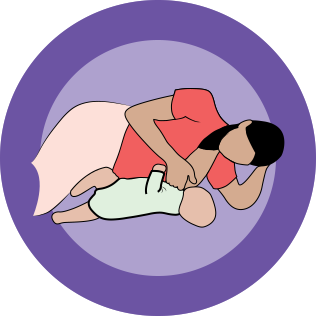
Side-Lying Hold
This hold is useful when:
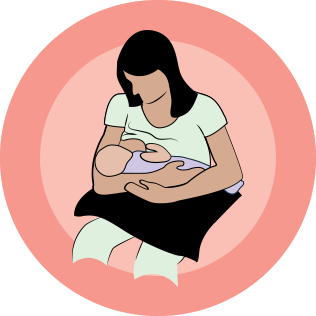
Cross-Cradle Hold
This hold is useful when:
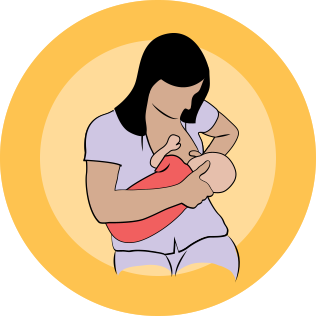
Clutch or “Football” Hold
This hold is useful when:
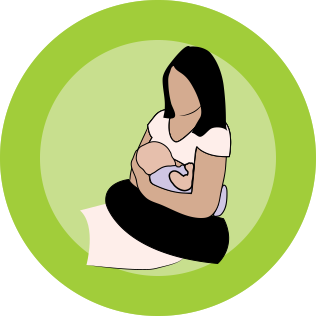
Cradle Hold
This hold is useful when:
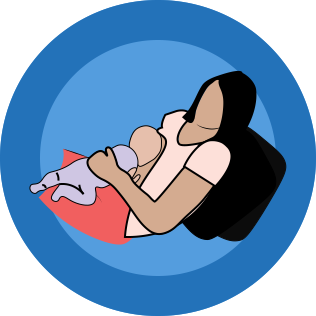
Laid-Back Hold
This hold is useful when: