Skip to Content Skip to Footer
Wyoming WIC
Wyoming WIC
  • Home
  • Women
    • Women
      Breastfeeding
    • Women
      Healthy Tips for Moms
    • Women
      Postpartum
    • Women
      Pregnant
  • Infants
    • Infants
      Feeding & Nutrition
    • Infants
      Growth & Development
  • Children
    • Children
      Toddlers
    • Children
      2-5 Year Olds
  • Families
    • Families
      Activity and Play
    • Families
      Dads
    • Families
      Food & Family Meals
    • Families
      Immunizations
    • Families
      Safety
  • Live Well Blog
  • Food Shopping Guide
  • Español

It All Fits Together:
How Your Child Grows

  • Home
  • Infants
  • Growth & Development
  • How Your Child Grows
Healthcare, Well-Child Visits & Growth Charts
  • What Are Growth Charts?
  • Key Points For Growth Charts
Genetics
Focus on Feeding, not Weight
  • Division of Responsibility in Feeding
  • Structure & Routine Will Keep Growth on Track​
  • How to Avoid Feeding Problems
Playtime is Important for Growing
  • Division of Responsibility in Activity
  • American Academy of Pediatric Screen Time Guidelines for Children
Sleep Helps Your Child Grow
  • Why Sleep is Important for Growth
  • How Much Sleep Does Your Child Need?
  • Tips for Good Sleep
Emotional Well-Being and Your Child’s Growth
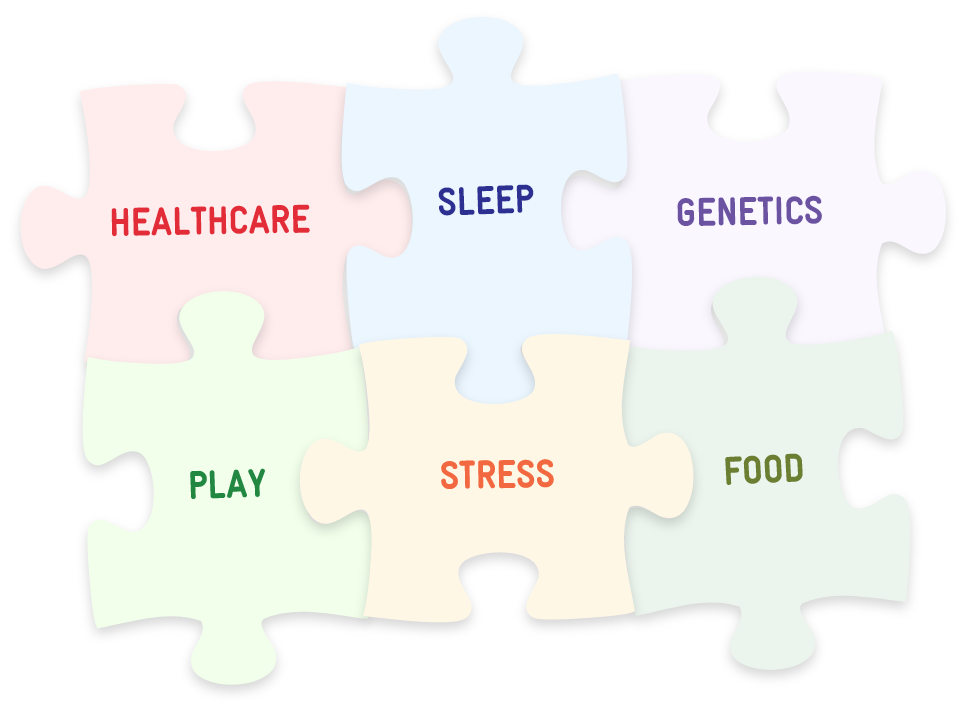
The Complete Puzzle
how-your-child-grows-Eng_QR-code

Your child’s growth is more than just a number on a chart—it’s a whole puzzle.

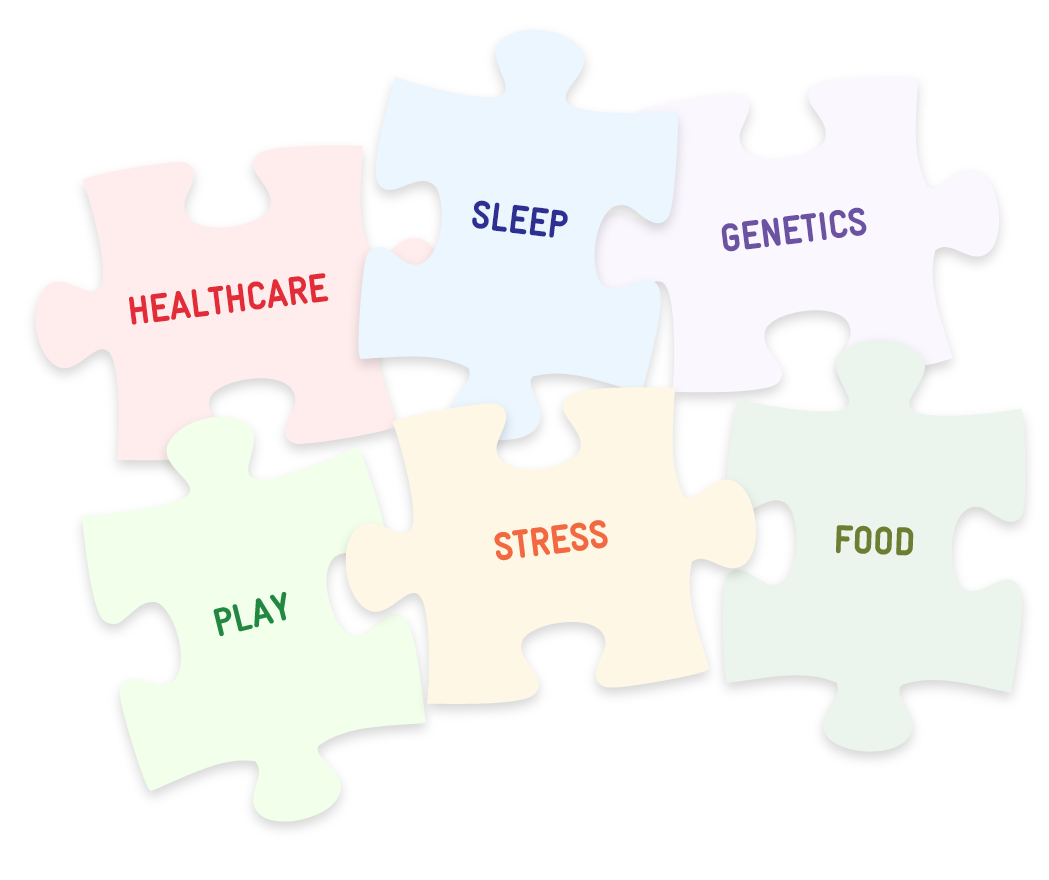
This guide will help you look at all the pieces and how they fit together for your child, including healthcare, genetics, food, play, sleep, and stress. Understanding these parts helps you see the complete picture.
Children have unique growth patterns, and it’s important not to compare them to others. They are born knowing how much food they need to support the growth of the body that is right for them. As a parent, your role is to trust your child’s natural ability to regulate their eating and activity level by routinely providing nourishing food and opportunities for playtime while letting them decide how much.

Healthcare, Well-Child Visits & Growth Charts

Several things determine a child’s health, not just weight and body size. Monitoring your child’s growth is one of several parts of a well-child visit. The doctor will also monitor developmental milestones, provide vaccines, conduct a physical exam, screen for potential health issues, provide education and guidance, address concerns you may have, and promote habits that improve your child’s quality of life. Understanding growth charts will help you have a helpful conversation with your child’s doctor about your child’s growth.

What are growth charts?

Weight-For-Age and Height-For-Age Growth Charts

Growth charts are tools that track your child’s height and weight compared to other children of the same age and gender. They provide a standardized way to monitor your child’s growth over time. The lines on a growth chart represent percentiles that your child’s measurement falls compared to other children. For example, if your child is in the 50th percentile for weight, it means they weigh more than 50% of children their age and gender and less than 50%.

Percentiles are not like grades. A child in the 5th or 95th percentile can still be perfectly healthy.

View an example of normal growth for a smaller child
View an example of normal growth for a bigger child

Weight-For-Length Growth Charts

When your child is born, they will be plotted on a weight-for-length chart for 2 years. This chart is a tool to track the relationship between your child’s weight and length. The lines on this chart also represent percentiles, showing how your child’s weight-for-length compares to other children of the same age and gender. For example, if your child falls in the 25th percentile weight-for-length, it means that 25% of children of the same age and gender have a lower weight relative to their length, and 75% have a higher weight for their length.
View an example of normal growth for higher weight-for-length
View an example for normal growth for lower weight-for-length

BMI or Body Mass Index Growth Charts

Once your child is over the age of 2 years, their height and weight will be plotted on a BMI chart. This is a screening tool for tracking a child’s weight in relation to their height. BMI does not directly measure body fatness. Body mass also includes lean mass, such as muscles and bones. For example, a very muscular child might have a high BMI but not have excess body fat. There is a wide range of healthy BMIs, and the importance is in the overall pattern of growth over time.

View an example for normal growth for average BMI
View an example for normal growth for low BMI

Key Points For Growth Charts

  • Pattern: A pattern of growth over time compared to a single measurement is most important.
  • Small Changes: Your child’s growth may show fluctuations on the chart. This is often normal. Big shifts may need further review.
  • Consistency: Consistent growth along any percentile line is good.
At WIC appointments, request to have your child measured and discuss growth charts. If you need support speaking up for your child when it comes to healthcare visits, friends, and family, click the link for expert-approved tips.
Our Kids Deserve Weight-Inclusive Care

Genetics

DNA, a copy of genes (basic units of heredity) from both the father and mother to the child, plays a role in how children grow and what size they become but genes do not work alone. Factors like your child’s environment (what they are exposed to) and lifestyle (habits) can also determine how genes work.

Here are some points about how inherited traits may affect how your child grows:

Family Resemblance: Your child might look like you or other family members. This is because of the genes they get from you.

Body Type: Genes also decide your child’s body type, like if they are naturally thin, average, or have a larger frame.

Growth Pattern: Every child grows at their own pace, but genes influence when and how fast they grow.

Normal Variation: Even if your child is smaller or bigger than other kids their age, it might just be their genes at work. It’s normal for children in the same family to be different sizes.

Genes set the stage for how bodies develop but they are not the only factor. Habits like good food, movement, and sleep also help your child grow.

Focus on Feeding, not Weight

There is a proven way that you can raise your child to be a confident and competent eater with long-lasting positive attitudes and behaviors toward food and eating. As a result, your child will grow in a way that is right for them.

Feeding the best way involves following the Satter Division of Responsibility (sDOR) in Feeding, where you and your child have distinct and separate roles.

Division of Responsibility in Feeding

Parent: Choose what to include in the meal or snack. Decide time and place to sit down together and share the same food. Relax and enjoy your meal. Trust your child will do their part with eating.

Child: Politely picks and chooses from what has been provided and decides how much or whether they eat.

sDOR is simple but can feel hard. With structure and consistency, sDOR will get easier and easier.

Structure & Routine Will Keep Growth on Track

Let’s talk about why having regular times for your little one to sit down and eat meals and snacks is helpful for their growing bodies and brains.
Why Sit-Down Meals and Snacks Matter:

Fueling Up for Growth:

Your child’s body needs food to grow. Meals and snacks give your child the energy to run, play, learn, and sleep well.

Learning Good Habits:
When you have set times for eating, your child starts to learn when it’s time to eat and what it feels like to be full. This helps them learn good eating habits that can stick with them as they get older.
Trying New Foods:
When everyone sits down together, it’s a great time for your child to see you and other family members enjoying different foods. This can make them more curious and willing to try new things.
Happy Tummies:
Having regular meals and snacks helps your child feel better. If they go too long without eating, they might get super hungry and cranky.
Brain Power Boost:
Their brains are growing super fast right now! Good food gives their brains the energy and nutrients to learn and focus.
Family Time:
Eating together for meals and snacks can also be a special time to connect. So, turn off screens and enjoy being together.

Making it

work

You don’t have to be super strict, but having a general idea of when meals and snacks will happen each day can make a big difference. Every child is different, and some days might get a little off schedule. The important thing is to create a predictable rhythm for eating.

How to Avoid Feeding Problems

Worrying about your child’s size (too small or too big), or how your child eats (not enough or too much) can get in the way of feeding them well and how they grow. The following guide shows the risks of short-term control over your child’s diet and weight versus the benefits of focusing on their overall well-being.

My Child is Too Small

You may be tempted to get your child to gain weight by pushing your child to eat more and/or to eat certain kinds of foods.

What Pushing Food looks like

  • Praise: cheer or clap for taking a bite.
  • “One more bite”: requiring one more bite after they say they are done.
  • Rewards: offering toys, stickers, or screen time for eating.
  • Sell health benefits: “Spinach is so nutritious. It will make you big and strong!”
  • Shaming: “Look how much your sister is eating. Why can’t you eat like her?”
  • Punishment: “If you don’t eat at least half your dinner, you won’t get to watch your favorite show.”
  • Withholding food: “You can’t have a brownie if you don’t finish your plate.”
  • Forcing: Physically putting food into the mouth when your child refuses.
  • Threats: “If you don’t eat your green beans, you’re going straight to bed.”
  • Begging/coaxing: “Oh, please try one bite for Mommy. I spent so much time making this for you. It would make me so happy if you took just one bite.”

Result of Pushing Food

Your child will lose the ability to regulate food intake on their own. They will eat more food than they need to please you or avoid punishment.

Your child will become a picky eater and develop a poor attitude about food.

Your intentions will backfire. If you try to make your child eat more, they will eat less and refuse the foods you pressure them to eat.

Mealtimes will be stressful. Your child will show poor mealtime behavior.

Your child may grow up struggling with eating and weight.

My Child is Too Big

You may be tempted to get your child to lose weight by limiting their access to certain kinds of foods and the amount of food they eat.

What Limiting Food Looks Like

  • Portion control: Not allowing your child to serve their own plate when they are capable.
  • Small meals: Making a limited amount to control portion size.
  • Denying second helpings: “Don’t you think you’ve had enough? Aren’t you full?”
  • Requiring eating “this” before “that”: “You may have more spaghetti when you eat all your green beans.”
  • Limiting favorite foods: “You can have 5 of those sweet grapes; they have too much sugar. Then eat your cucumbers.”
  • Calorie control: Buying and preparing only diet options low in calories.
  • Elimination: Strictly banning sweets and high-fat foods.
  • Selling nutrition: Focusing only on “healthy” foods and cooking methods often leaves food bland and boring causing strong cravings for more fulfilling foods.
  • Body language: Disapproving looks when your child eats a lot.

Result of Limiting Food

Your child will crave restricted (tasteful, snack, treats) foods. Your child’s appetite will be high, resulting in sneaking and overeating when there is a chance.

Your child will lose awareness of their feelings of hunger and fullness.

Your child will develop negative emotions and behaviors with eating, like anxiety and stress. They feel there is something wrong with themselves.

Your child will feel deprived and afraid of going hungry.

Your child may grow up struggling with eating and weight.

Mealtimes will be stressful. Your child will show poor mealtime behavior.

Your child will become picky and develop a poor attitude about food.

How to Help

  • Pay attention to the pattern of growth over time – most likely, growth is normal, and you can relax about it.
  • Follow the Satter Division of Responsibility for feeding.
  • Trust your child’s ability to know how much to eat.
  • Allow your child to take the lead with eating their way without forcing and restricting.
  • Make the mealtime environment positive and enjoyable.
  • Provide structure with regular sit-down meals and snacks.
  • Stay neutral around food by not labeling foods as “good” or “bad.”
  • Offer a variety of foods without the expectation to touch, taste, or eat.
  • Make meals a family affair by making sure your child never eats alone.
  • Be a good role model by being comfortable and relaxed about feeding yourself.

Goal

You trust your child to grow at their own pace into the body that is right for them.

Your child looks forward to mealtimes and behaves well there.

Your child trusts that you will allow them to eat what and how much they want from the food you include in the meal.

Your child feels confident and good about themselves.

Your child is comfortable with new foods.

Your child is good at listening to and trusting their internal cues of hunger and fullness.

For more guidance, visit:

Is your child too small or does not eat enough?

For more guidance, visit:

Is your child too big or eats too much?

Playtime is Important for Growing

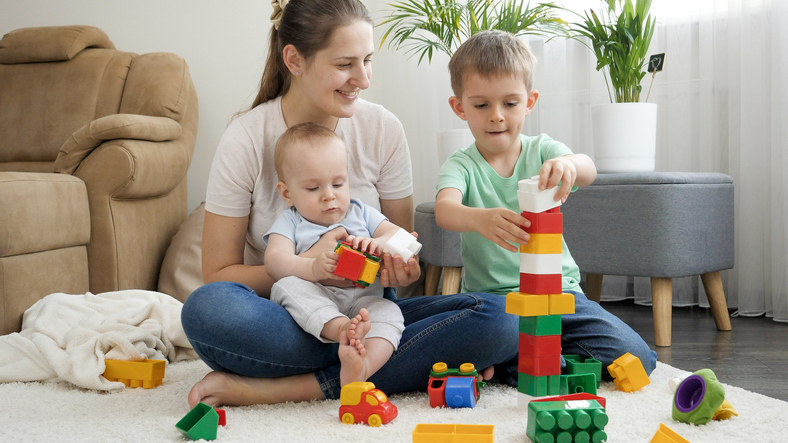
Kids are born wanting to move! When they get active every day, it helps them learn about and love their bodies, which is important for growth. Playing physically builds their muscles and stamina, makes their bones stronger, and even gets their metabolism going. Plus, they get better at important skills like speed, agility, power, coordination, and balance.

Your job is to offer safe chances for your child to move daily, without any pressure. Just let them get active naturally. Following the Satter Division of Responsibility in Activity can really help guide this process, encouraging movement and growth.

Division of Responsibility in Activity

Parent

  • Routinely provide your infant with a variety of safe positions, clothing, sights, and sounds. Remain present.

Infant​

  • Enjoys moving in all the ways they can in each stage of development.​

Parent

  • Plan daily fun ways to move in safe places. Include activities for the family, group sports, and creative activities like reading, writing, and art.

Child

  • Explores each activity and determines how they like to move their body and for how long.
Parent Tip

Remove TVs from your child’s room and set limits on TV and screens.

American Academy of Pediatric Screen Time Guidelines for Children

0-18 months

Avoid all screen media

18-24 months

Watch less than 1 hour of high-quality programming together

2-5 years

Limit to watching an hour of high-quality programming together

Click the following link for ideas on family play and activity:

Active Families

Sleep Helps Your Child Grow

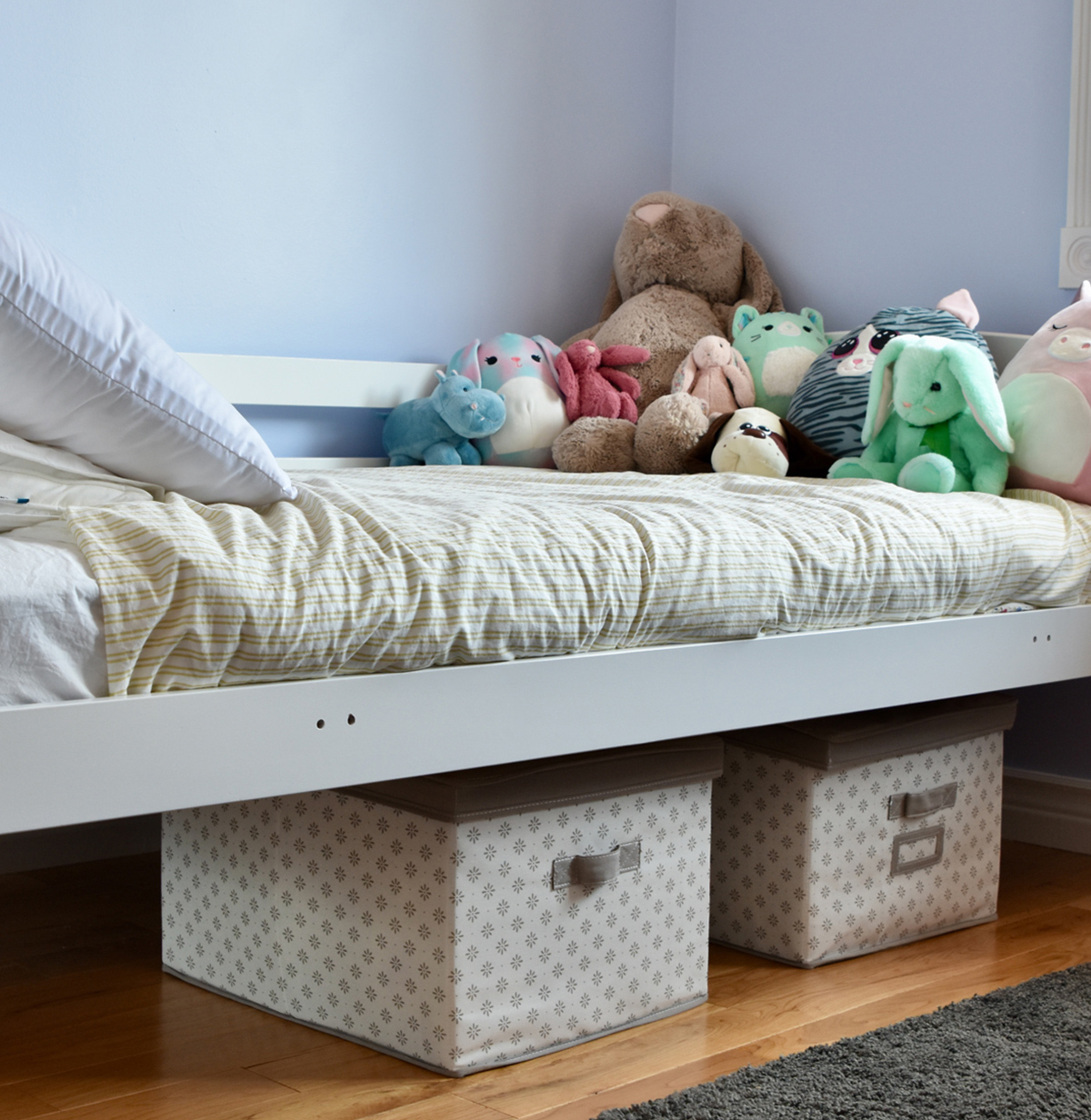
Getting enough sleep is important for your young child’s growth. When kids sleep, their bodies do a lot of important work. Here’s why:

Why Sleep is Important for Growth

  • Growth Hormones:
    While kids sleep, their bodies release special chemicals called growth hormones. These hormones help their bones and muscles grow.
  • Hunger and Fullness:
    Sleep also helps control the hormones that tell your child when they are hungry or full. If they don’t get enough sleep, these hormones can get mixed up, which might affect how much they eat.
  • Brain Power:
    Sleep is also a time when your child’s brain grows and develops, helping them learn and focus.
  • Good Mood:
    When kids are well-rested, they are usually in a better mood and behave well.

How Much Sleep Does Your Child Need?

Newborns

(0-3 months):
14-17 hours a day

Infants

(4-12 months):
12-16 hours a day

Toddlers

(12-24 months):
11-14 hours a day
(including naps)

Preschoolers

(3-5 years):
10-13 hours a day
(may or may not include naps)

Tips for Good Sleep

Bedtime Routine:

Create a regular bedtime routine. This could include bathing, reading a story, and quiet time before bed.

Set Times: ​

Try to set regular times for naps and bedtime. This helps your child’s body know when it’s time to sleep.

No Screens Before Bed:

Avoid TVs and other screens at least an hour before bedtime. Screens can make it harder to fall asleep.

Keep Screens Out of the Bedroom:

Don’t put TVs or other screens in your child’s bedroom.

Learn how to have better bedtimes

Emotional Well-Being and Your Child’s Growth

When kids feel stressed, their bodies make special chemicals called hormones which can change how their bodies work and grow. Too much stress can sometimes stop children from growing as they should.

Here’s why:

Sleep Problems:

Stress can make it hard for kids to sleep well. When children don’t get enough sleep, their bodies might not make enough of the growth hormones that help them grow.

Eating Changes:

Stress can change how kids eat. Some children don’t want to eat when they are stressed, so they don’t get the food they need to grow. Other kids might eat too much, which can also cause problems.

Less Movement:

Stress can make a child quiet and still. While movement is important for growth, their emotional needs come first. Before encouraging play, focus on offering comfort. This could be as simple as a cuddle on the couch or letting them know you’re there for them.

So, to help your child grow well, it’s important to help them feel safe, happy, and learn how to handle stress.

The Complete Puzzle

Put all the pieces together for your child’s growth.
Love your child’s body as it is and focus on their overall well-being as they grow.
  • Attend WIC and doctor appointments to track your child’s growth.
  • Embrace your genetics.
  • Feed your child the best way possible and give them fun play opportunities.
  • Give your child the best sleep and help them feel safe and happy.
Sources

Silventoinen, K., Maia, J., Li, W. et al. Genetic regulation of body size and morphology in children: a twin study of 22 anthropometric traits. Int J Obes 47, 181–189 (2023). Genetic regulation of body size and morphology in children: a twin study of 22 anthropometric traits | International Journal of Obesity

InformedHealth.org [Internet]. Cologne, Germany: Institute for Quality and Efficiency in Health Care (IQWiG); 2006-. In brief: How are genes passed on? [Updated 2023 Jan 30]. Available from: In brief: How are genes passed on? – InformedHealth.org – NCBI Bookshelf Growth Spurts & Baby Growth Spurts — What They Are & What To Do

Solve your child’s feeding problems
https://www.ellynsatterinstitute.org/childhood-feeding-problems/

It’s a Kid’s Job | NIH News in Health
https://newsinhealth.nih.gov/2018/07/it-s-kid-s-job

The Satter Division of Responsibility in Activity
ellynsatterinstitute.org/how-to-feed/the-division-of-responsibility-in-activity/

Media and Young Minds | Pediatrics | American Academy of Pediatrics
https://publications.aap.org/pediatrics/article/138/5/e20162591/60503/Media-and-Young-Minds?autologincheck=redirected

Brinkman JE, Reddy V, Sharma S. Physiology of Sleep. [Updated 2023 Apr 3]. In: StatPearls [Internet]. Treasure
Island (FL): StatPearls Publishing; 2025 Jan-. Available from: Physiology of Sleep – StatPearls – NCBI Bookshelf

Healthy Sleep Habits: How Many Hours Does Your Child Need? – HealthyChildren.org
https://www.healthychildren.org/English/healthy-living/sleep/Pages/healthy-sleep-habits-how-many-hours-does-your-child-need.aspx?_gl=1*gaouvj*_ga*MTcyNDMzNzIyOC4xNzQzNDU0Nzkw*_ga_FD9D3XZVQQ*czE3NTI2MTIzOTgkbzMkZzEkdDE3NTI2MTI2MDckajI4JGwwJGgw

Sävendahl L. The effect of acute and chronic stress on growth. Sci Signal. 2012 Oct 23;5(247):pt9. doi: 10.1126/scisignal.2003484. PMID: 23092892. The effect of acute and chronic stress on growth – PubMed

Ans AH, Anjum I, Satija V, Inayat A, Asghar Z, Akram I, Shrestha B. Neurohormonal Regulation of Appetite and its Relationship with Stress: A Mini Literature Review. Cureus. 2018 Jul 23;10(7):e3032. doi: 10.7759/cureus.3032. PMID: 30254821; PMCID: PMC6150743. Neurohormonal Regulation of Appetite and its Relationship with Stress: A Mini Literature Review

American Psychological Association. (2024, October 22). How to help children and teens manage their stress (accessed July 21, 2025)

https://www.ellynsatterinstitute.org/

https://berealusa.org/

Wyoming WIC WDH Public Health

CONTACT US

1-888-996-9378
health.wyo.gov/wic
  • How to apply for WIC

Resources

  • WIC Shopper
  • WIC Smart
  • WIC Breastfeeding Support
  • Wyoming Medicaid
  • Wyoming 211
  • Tell a friend about WIC!
  • Guide to Using Your WIC Benefits
  • Wyoming WIC Facebook
  • Wyoming WIC Instagram
  • Wyoming WIC

USDA is an equal opportunity provider, employer, and lender.

Cookie PolicyPrivacy Policy

© Brush Art Corporation
This website is operated by Brush Art Corporation on behalf of the Wyoming Department of Health.

Install this web app on your iPhone: tap and then Add to Home Screen.

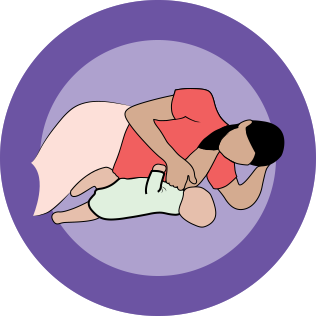
SIDE-LYING HOLD

Side-Lying Hold

  1. For the right breast, lie on your right side with your baby facing you.
  2. Pull your baby close. Your baby’s mouth should be level with your nipple.
  3. In this position, you can cradle your baby’s back with your left arm and support yourself with your right arm and/or pillows.
  4. Keep loose clothing and bedding away from your baby.
  5. Reverse for the left breast.

This hold is useful when:

  • You had a C-section
  • You want to rest while baby feeds
  • You are breastfeeding in the middle of the night
  • You and your baby are comfortable in this position
CROSS-CRADLE HOLD

Cross-Cradle Hold

  1. For the right breast, use your left arm to hold your baby’s head at your right breast and baby’s body toward your left side. A pillow across your lap can help support your left arm.
  2. Gently place your left hand behind your baby’s ears and neck, with your thumb and index finger behind each ear and your palm between baby’s shoulder blades. Turn your baby’s body toward yours so your tummies are touching.
  3. Hold your breast as if you are squeezing a sandwich. To protect your back, avoid leaning down to your baby. Instead, bring your baby to you.
  4. As your baby’s mouth opens, push gently with your left palm on baby’s head to help them latch on. Make sure you keep your fingers out of the way.
  5. Reverse for the left breast.

This hold is useful when:

  • Your baby is premature
  • Your baby has a weak suck
  • Your baby needs help to stay latched
  • Your baby needs extra head support
  • You and your baby are comfortable in this position
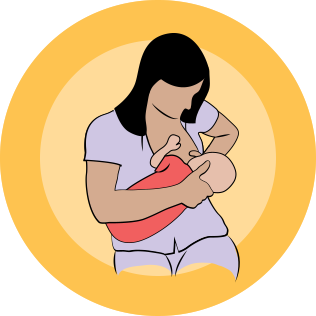
CLUTCH OR “FOOTBALL” HOLD

Clutch or “Football” Hold

  1. For the right breast, hold your baby level, facing up, at your right side.
  2. Put your baby’s head near your right nipple and support their back and legs under your right arm.
  3. Hold the base of your baby’s head with your right palm. A pillow underneath your right arm can help support your baby’s weight.
  4. To protect your back, avoid leaning down to your baby. Bring baby to you instead.
  5. Reverse for the left breast.

This hold is useful when:

  • You had a C-section
  • You have large breasts
  • You have flat or inverted nipples
  • You have a strong milk let-down
  • You are breastfeeding twins
  • Your baby likes to feed in an upright position
  • Your baby has reflux
  • You and your baby are comfortable in this position
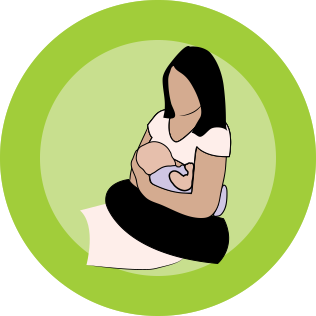
CRADLE HOLD

Cradle Hold

  1. For the right breast, cradle your baby with your right arm. Your baby will be on their left side across your lap, facing you at nipple level.
  2. Your baby’s head will rest on your right forearm with your baby’s back along your inner arm and palm.
  3. Turn your baby’s tummy toward your tummy. Your left hand is free to support your breast, if needed. Pillows can help support your arm and elbow.
  4. To protect your back, avoid leaning down to your baby. Instead, bring your baby to you.
  5. Reverse for the left breast.

This hold is useful when:

  • Your baby needs help latching on
  • You and your baby are comfortable in this position
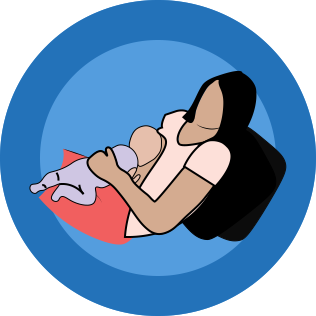
Laid-Back Hold

Laid-Back Hold

  1. Lean back on a pillow with your baby’s tummy touching yours and their head at breast level. Some moms find that sitting up nearly straight works well. Others prefer to lean back and lie almost flat.
  2. You can place your baby’s cheek near your breast, or you may want to use one hand to hold your breast near your baby. It’s up to you and what you think feels best.
  3. Your baby will naturally find your nipple, latch, and begin to suckle.

This hold is useful when:

  • Your baby is placed on your chest right after birth
  • You have a strong milk let-down
  • You have large breasts
  • You and your baby are comfortable in this position