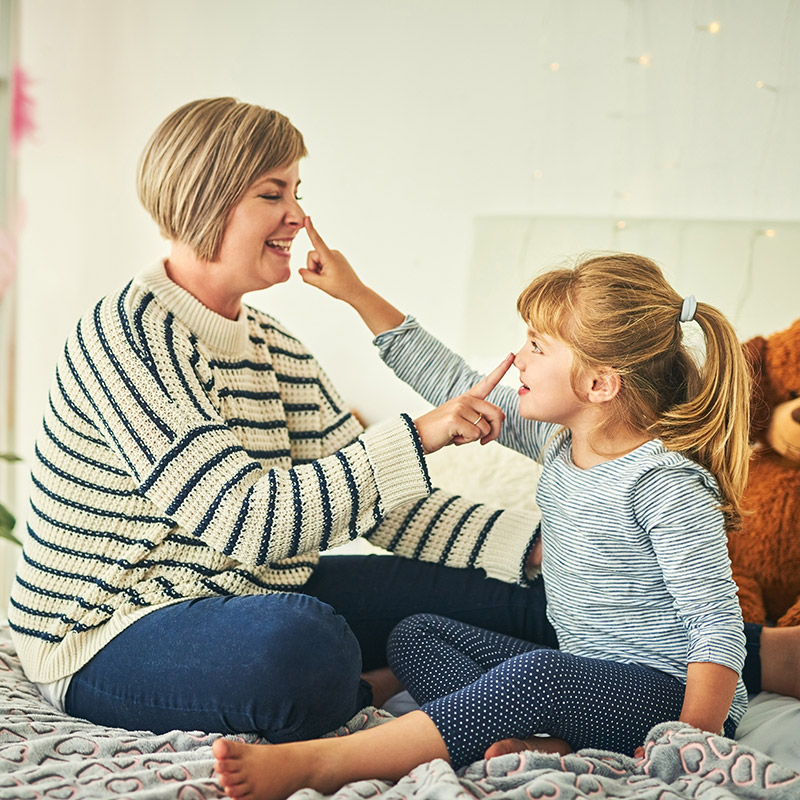
Active Families:
From Baby Bumps to
Preschool Jumps!
- Home
- Families
- Activity and Play
- Active Families: From Baby Bumps to Preschool Jumps!

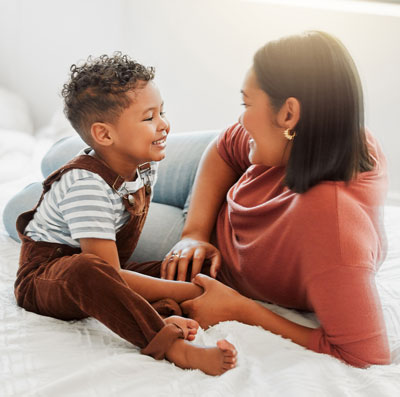
The goal is to make moving a positive time for everyone.
We’ll give you some ideas for activities that fit different stages of life, from pregnancy to when your child is a preschooler. We’ll also share tips for staying safe.
AS A PARENT OR CAREGIVER, YOUR JOB IS TO:
Provide safe places for activity.
Make sure the environment is safe for your child to move and explore freely.
Create opportunities for activity.
Offer different activities your child might enjoy, but let them take the lead. Pushing them can backfire and make it less fun. Your job is to offer, not to force.
Set healthy limits.
It’s important to set limits on things like screen time, but also be careful not to over-schedule activities. A packed schedule can make movement feel like a chore instead of fun.
Trust your child.
Believe that your child’s body knows how much it needs to move. Don’t focus on using activity to change their weight or size. Your support helps them move for the joy of it.
Encourage independent play.
You don’t have to be your child’s entertainer all the time. Keep toys, books, and art supplies nearby so they can learn to have fun on their own while you’re still close.
YOUR CHILD’S JOB IS TO:
When you stick to these roles, you help your child grow up loving to move their way!
Ellyn Satter Institute. The division of responsibility in activity. (2025).
https://www.ellynsatterinstitute.org/the-division-of-responsibility-in-activity/
Satter, Ellyn, “Parenting in the Best Way: Physical Activity”, In Your Child’s Weight Helping Without Harming Birth through Adolescence, Ed. by Mary Ray Wordley, Kelcy Press, 2005, pp. 259-290
Staying active during pregnancy can help you feel better and prepare your body for childbirth. Finding ways to move that you enjoy can reduce stress, improve sleep, and give you energy for daily tasks.
If you had an activity routine before you were pregnant, it is likely safe to remain active during pregnancy. Always talk to your doctor before starting any new exercise routine.
Activity Ideas:
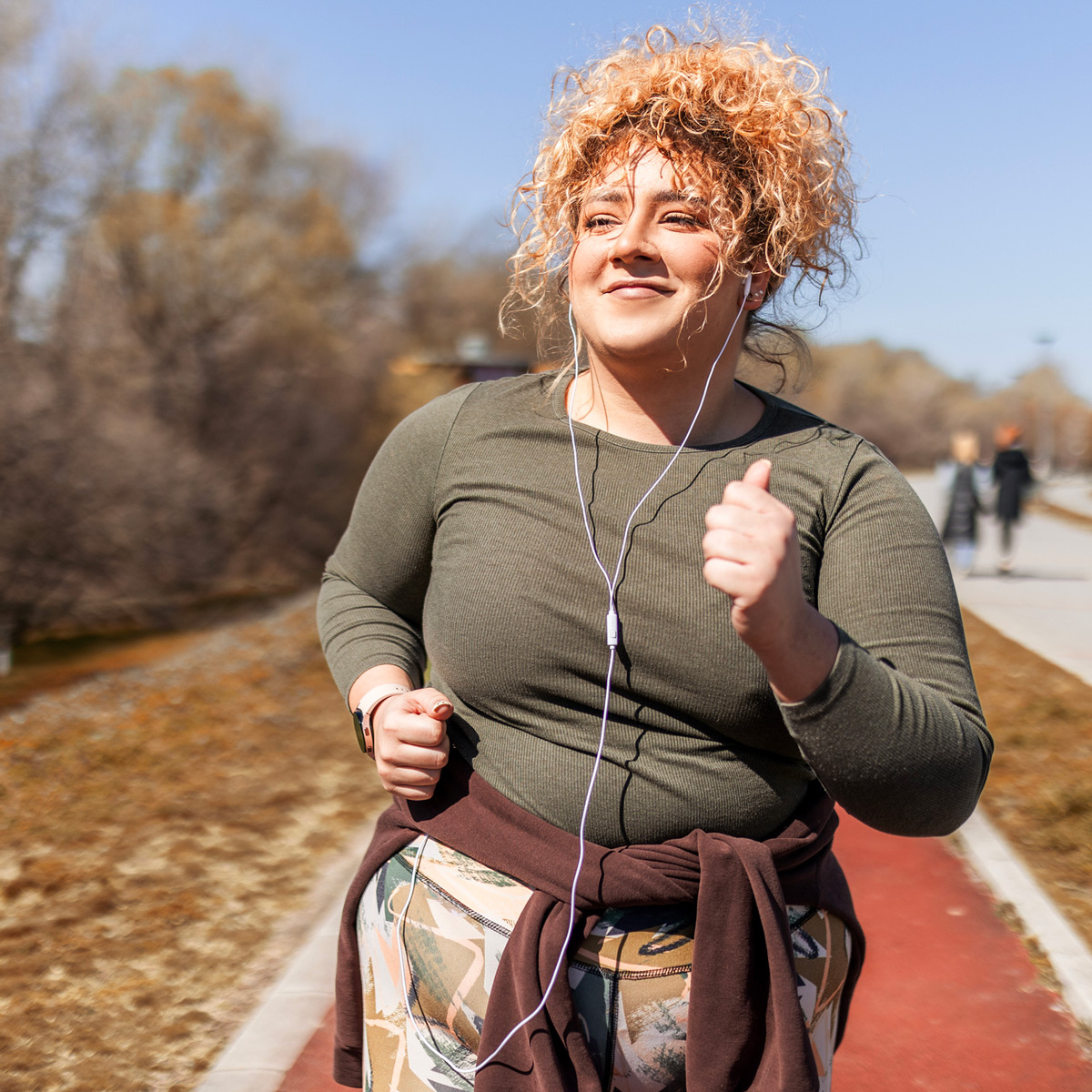
A simple and effective way to get your steps in. Outdoor walking gives you fresh air and a daily dose of vitamin D.
Can help with flexibility and strength.
Water supports your body, making it easier on your joints.
With appropriate changes for pregnancy.
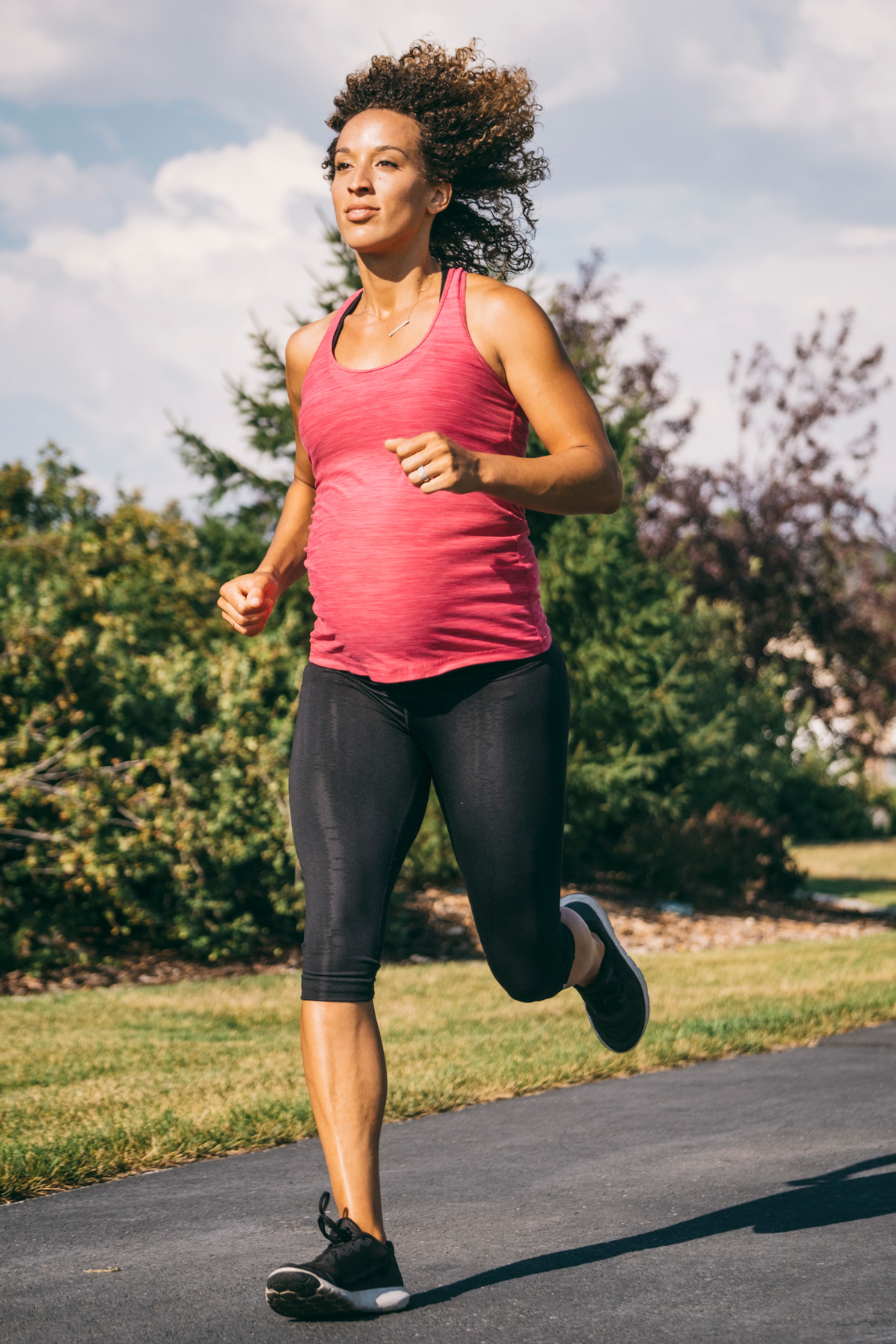
Generally safe if you were a runner before pregnancy.
Don’t push yourself too hard and avoid overheating. Stay hydrated. Activities with a risk of falling, harm to the belly, and anything with a jerky or bouncy motion are not recommended.
The American College of Obstetricians and Gynecologists. Exercise during pregnancy. (2024, September).
https://www.acog.org/womens-health/faqs/exercise-during-pregnancy
The American College of Obstetricians and Gynecologists. Exercise during pregnancy: 8 exercises and stretches you can do at home. (2022, January).
https://www.acog.org/womens-health/infographics/exercises-during-pregnancy
Slowly getting back to moving strengthens your muscles, improves your energy levels, and allows for more quality sleep. It is also a mood booster and stress reducer. It’s important to ease back into being active because your body needs time to heal. Your doctor can tell you when it’s safe to start exercising again.
Activity Ideas:
Gentle walks with your baby in a stroller.
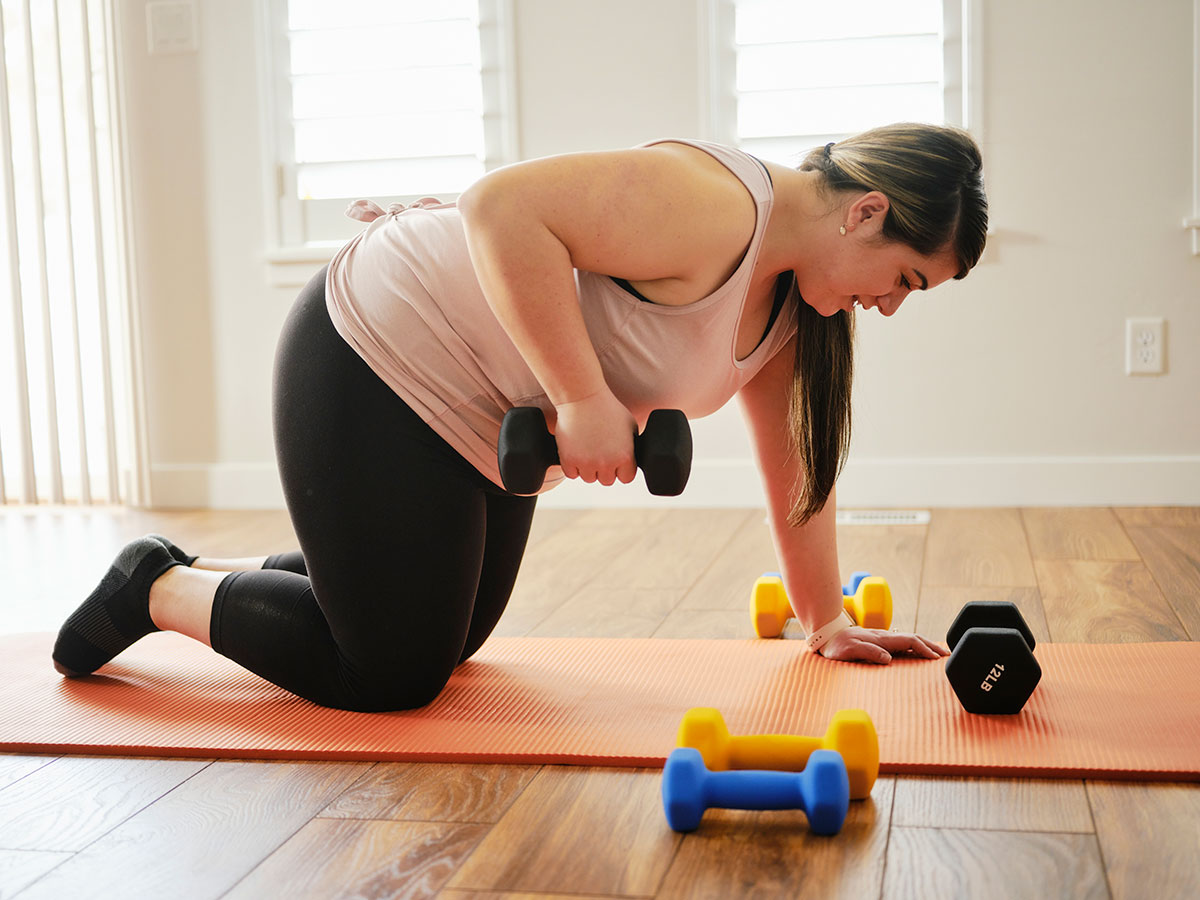
Postpartum yoga, stretching & strength training.
The American College of Obstetricians and Gynecologists. Exercise after pregnancy. (2022, October).
https://www.acog.org/womens-health/faqs/exercise-after-pregnancy
The American College of Obstetricians and Gynecologists. Exercise after pregnancy: 5 exercises you can do at home. (2022, January).
https://www.acog.org/womens-health/infographics/exercises-after-pregnancy
Even though your baby is tiny, there are ways you can be active together! Being together helps your baby bond with you, feel secure, learn, develop their senses, and support good sleep cycles. These early weeks also give your body time to heal and slowly get back into moving comfortably.
Activity Ideas:
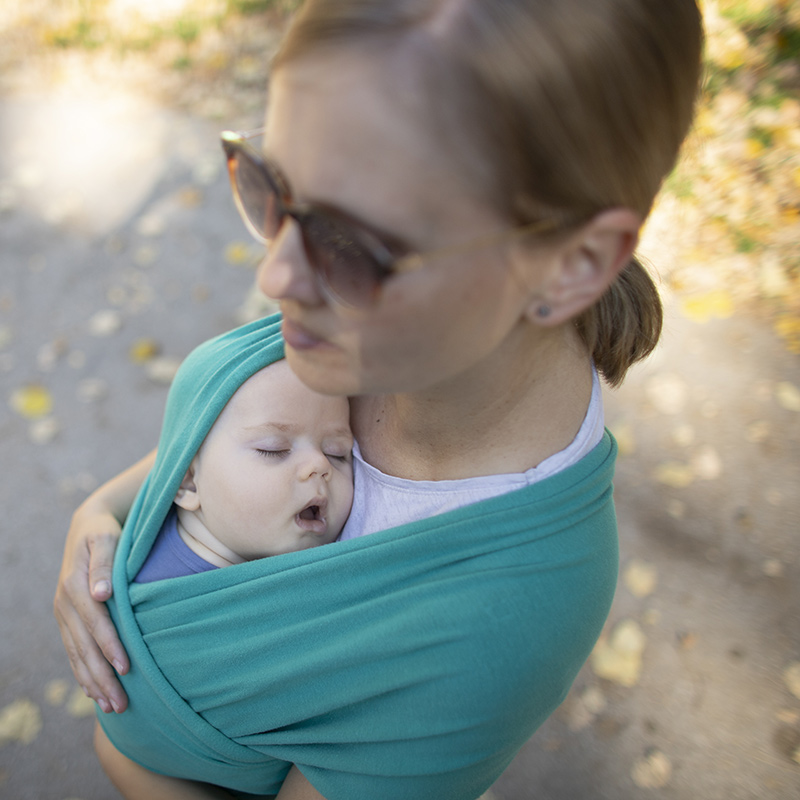
Wearing your newborn baby in a sling, wrap, or carrier that supports their head and neck is a great idea! It allows you to do things with your hands free, like chores, shopping, or walking. Being close to your baby helps you know when they’re hungry and gives you both comfort. Your baby feels secure when they see your face, hear your voice, and feel your touch. Some studies even say that wearing your baby can help them cry less.
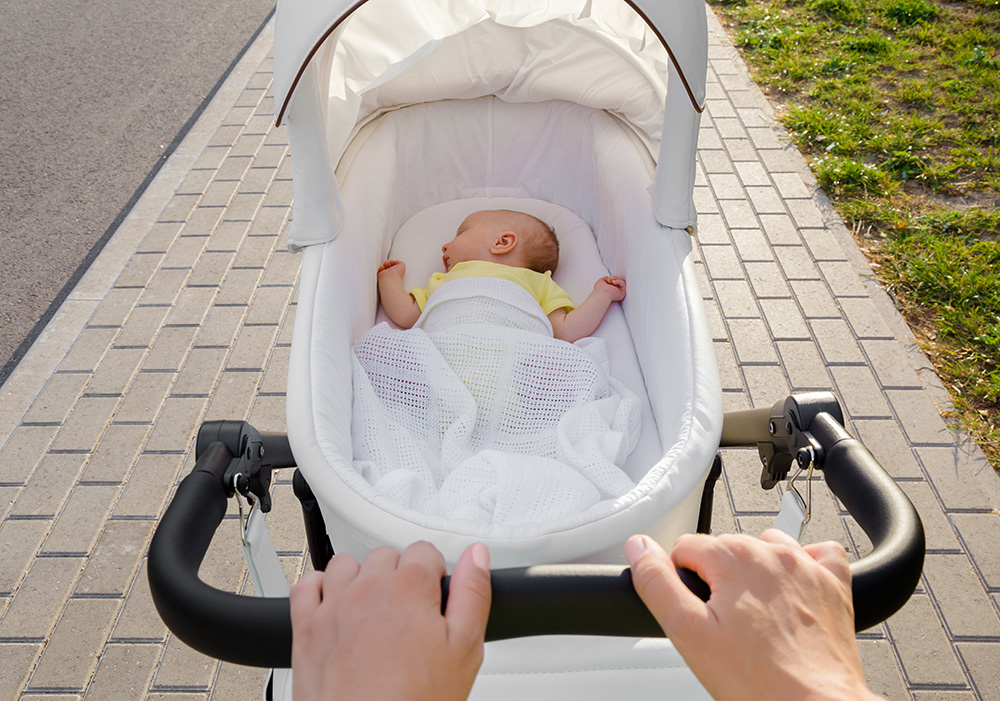
Strollers designed for newborns are also a safe way for you and your baby to get outside for natural light and vitamin D while you gently get back to movement.
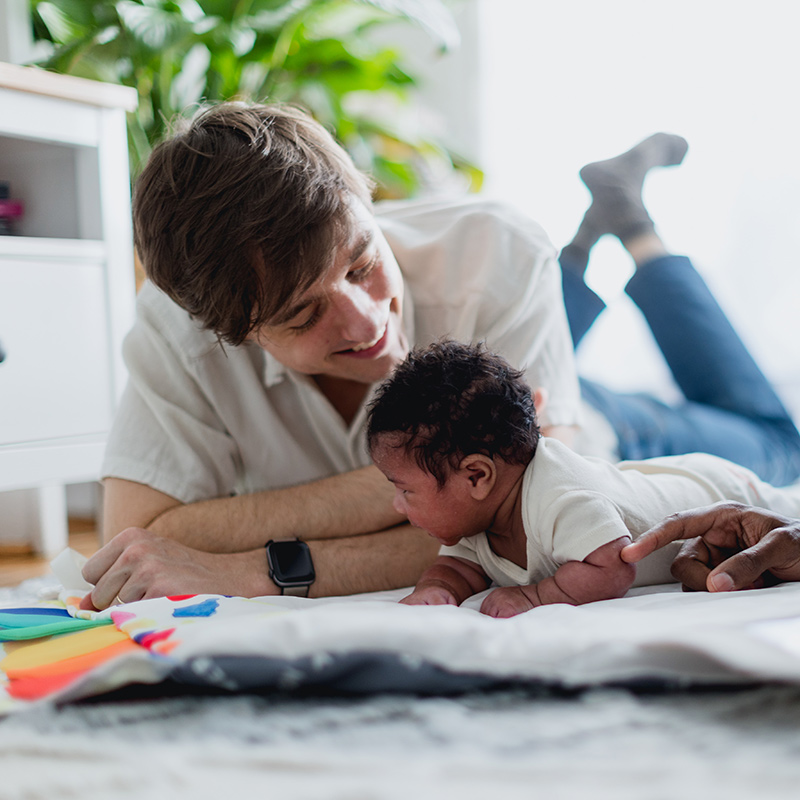
Beginning anytime after your baby is born, place them on their tummy for short periods (a few minutes) while you watch them closely. This helps them strengthen their neck and shoulder muscles.
Click here for tummy time activity ideas:
American Academy of Pediatrics. healthychildren.org. Baby-wearing. (2021, July 16).
https://www.healthychildren.org/English/ages-stages/baby/preemie/Pages/Baby-Wearing.aspx
American Academy of Pediatrics. healthychildren.org. 3 tummy time activities to try with your baby. (2023, July 25).
https://www.healthychildren.org/English/ages-stages/baby/sleep/Pages/The-Importance-of-Tummy-Time.aspx
Even at this young age, physically moving is necessary for your baby’s development. It helps them build strength, coordination, and explore their world. Your baby will grow and develop very quickly in the next 9 months. This fast pace will allow for more options for things to do together.
Here are some of the things your baby will be able to do:
Activity Ideas:
Get down on the floor and actively play with your baby. This includes tummy time, but also rolling around and chasing them as they crawl.
Hold toys just out of reach to encourage them to reach and grab.
Gently move your baby’s legs in a bicycling motion.
Hold your baby and gently sway or dance with them.
This is a simple and effective way to get exercise. Talk to your baby about what you see and hear.
Wearing your baby in a carrier or wrap can add a gentle weight to your walks or even light household chores.

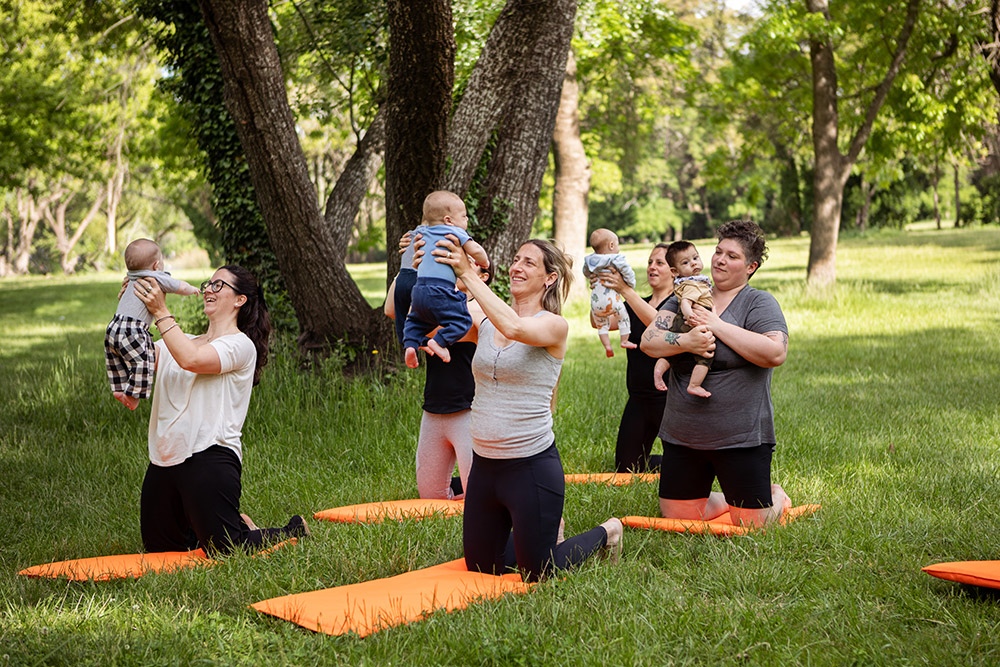
Include your baby in either local “mommy and me” or “parent and baby” fitness classes or home floor workouts like:
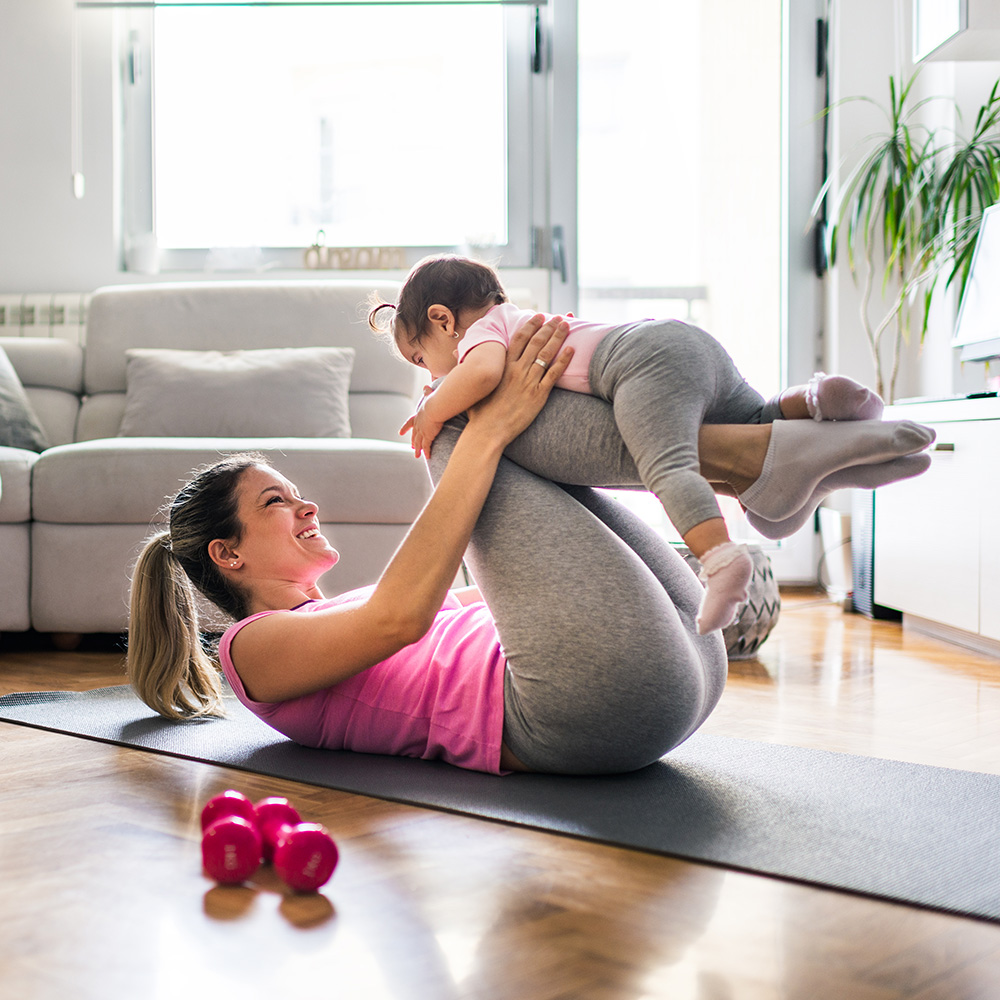
Pathways. 8 fun ways to workout with your baby. (2025, July 18).
https://pathways.org/workout-with-your-baby
Your baby is now a fast-moving toddler, always looking for the next adventure, but still dependent on you for safety and guidance. Even though they can physically do many things, they are still learning balance and can fall and trip often, so stay close to keep them safe. Also, it is normal for toddlers to have a short attention span. Planning short activities and switching to another can keep them engaged.
Here are some of the things your toddler will be able to do:
Activity Ideas:
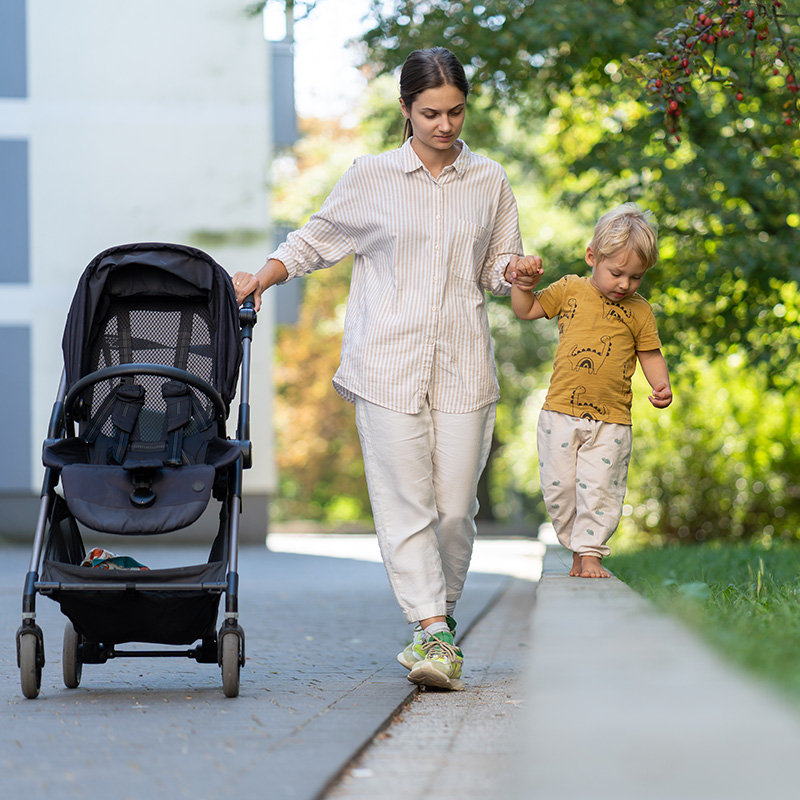
Walk everywhere! Play “Follow the Leader”, walk in parks, or just around your neighborhood. Hold their hand if they need help.
Gently chase your toddler around a safe space. Let them “catch” you!
Kick a soft, lightweight ball. Sit on the floor and roll a ball back and forth to each other. Throw soft objects like beanbags or soft balls into a laundry basket, box, or hoop.
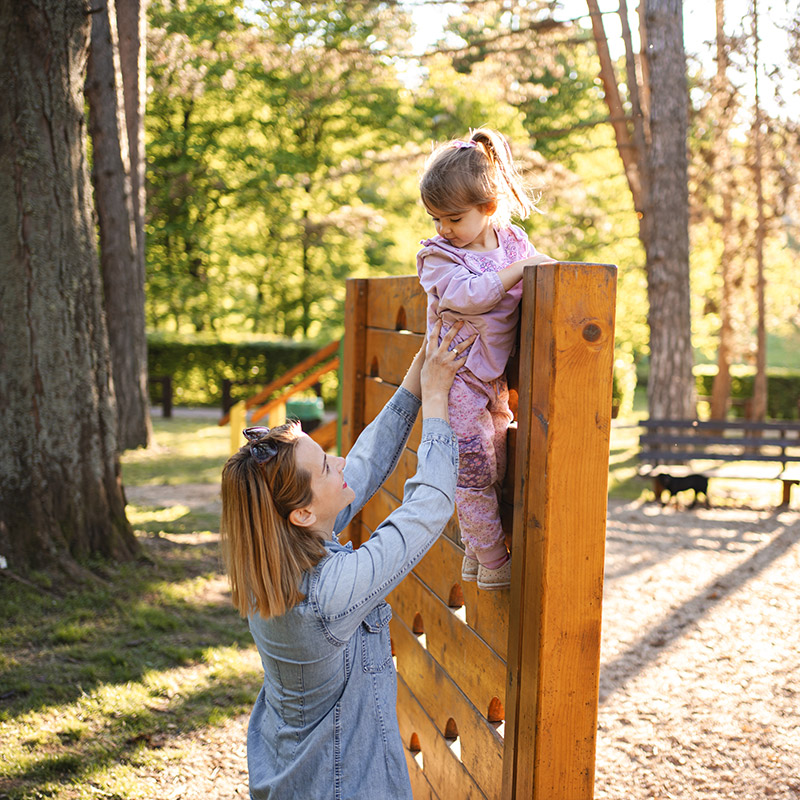
With your help, let them climb structures at home or at the playground and practice stepping up and down stairs.
Put on some fun music and just dance! Wiggle, jump, spin, and clap. Your toddler will love copying your moves. Sing songs like “Wheels on the Bus” or “If You’re Happy and You Know It” and do the actions together.
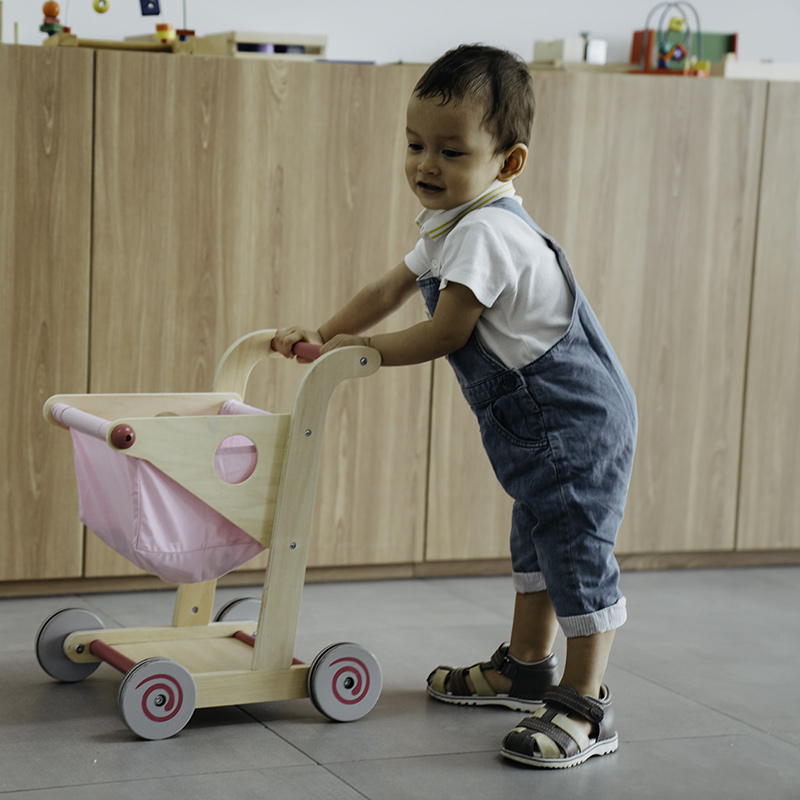
Get them a toy they can push, like a small stroller, a toy shopping cart, or a toy lawnmower. Toys on a string can be pulled behind them and are great for walking.
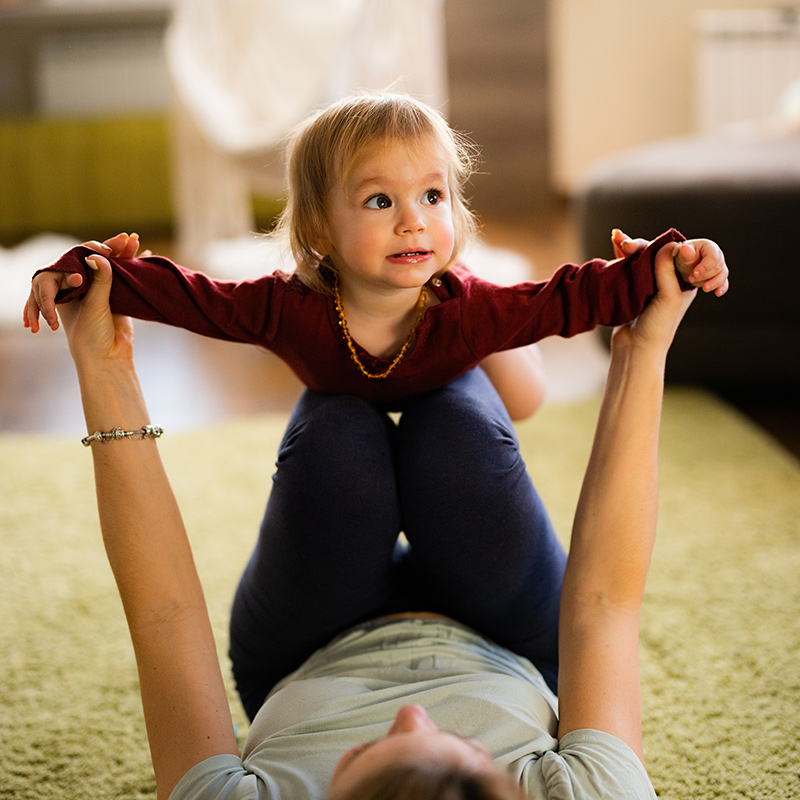
Lie on your back, bend your knees, and put your toddler safely on your shins. Hold their hands and gently lift them up and down like an airplane.
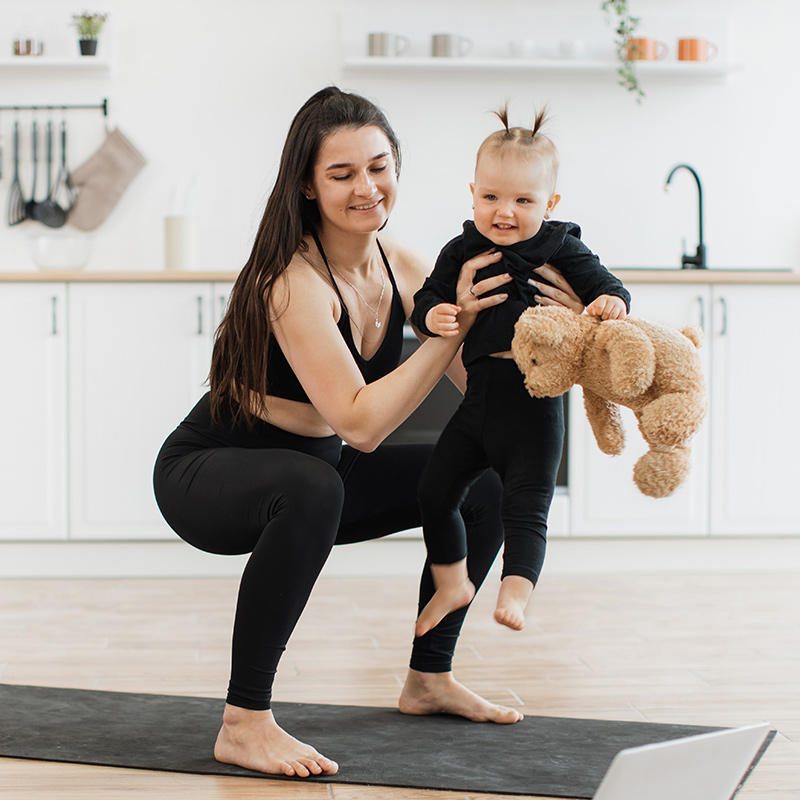
Hold your toddler while doing squats. They might think this is great fun, and it’s a great workout for you, too!
American Academy of Pediatrics. Playing is how toddlers learn. (2021, April 30).
https://www.healthychildren.org/English/ages-stages/toddler/fitness/Pages/Playing-is-How-Toddlers-Learn.aspx
These are years of incredible energy and exploration! Your child is learning to coordinate their body movements and play independently. They are getting good at problem-solving, sharing, taking turns and using their imagination. Being active can help your child release energy and manage their emotions.
here are some of the things your preschooler will be able to do:
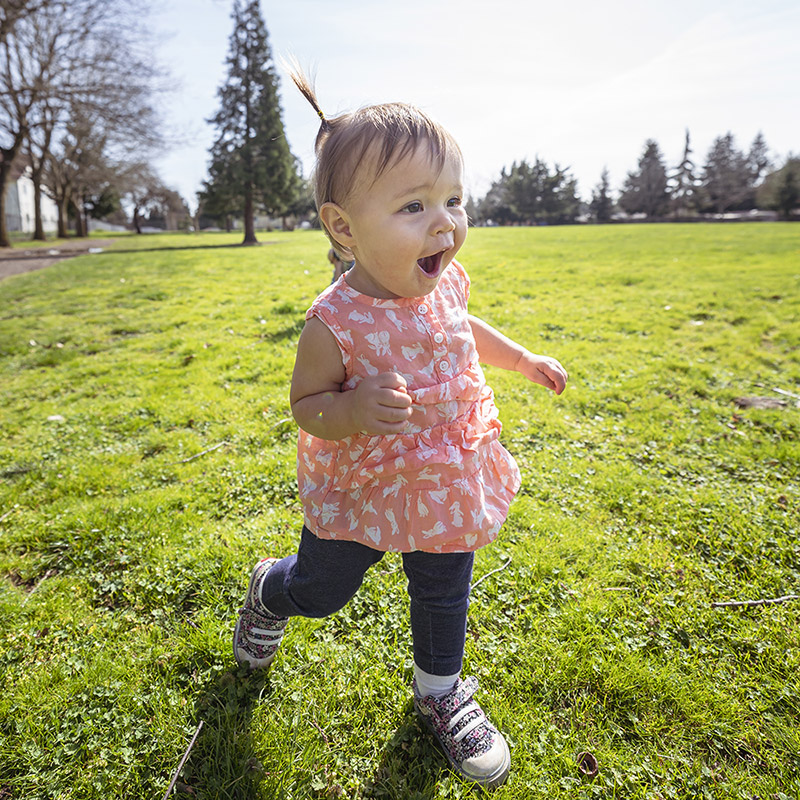
They can run pretty fast and often don't trip as much. They can jump with both feet, and some can even hop on one foot or skip!
Climbing playground equipment like ladders and slides becomes easier and more fun. They're getting better at figuring out where to put their hands and feet.
They can throw a ball with more power and aim, and they're getting much better at catching a ball with both hands. They can also kick towards a goal.
Standing on one foot for a little while, walking on a low beam, or even walking backward are things they can often do now.
Many preschoolers can ride a tricycle; some might even be ready to try a bike with training wheels or a scooter.
Activity Ideas:
Running in the yard, playing at the park, exploring nature.
Let your child choose their favorite songs and move freely.
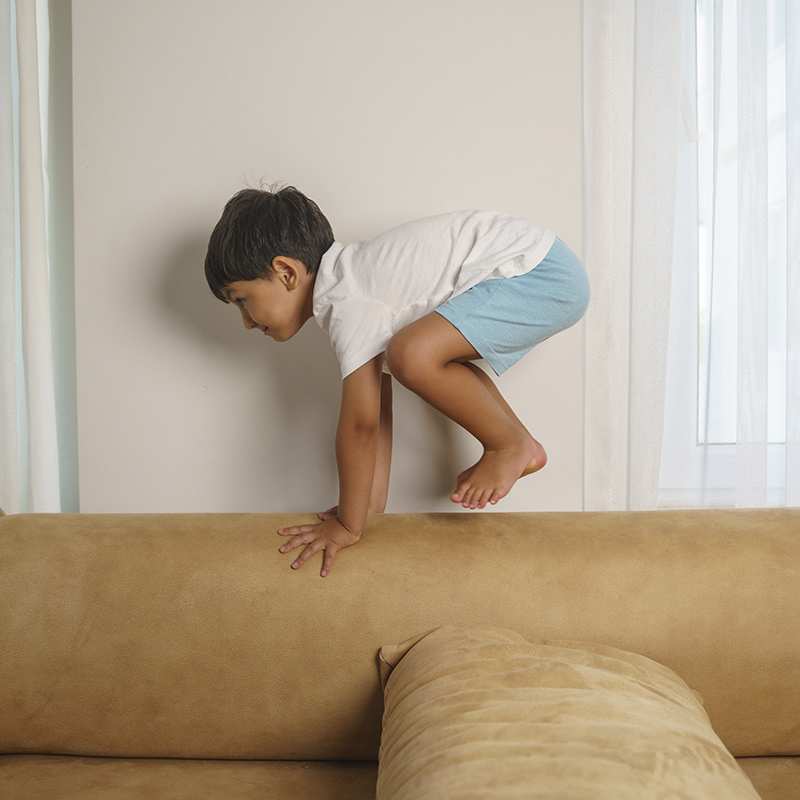
Use pillows, blankets, and furniture for a fun challenge.
Like “follow the leader” or “Simon Says”.
Kicking, throwing, or rolling a ball.
American Academy of Pediatrics. Movement milestones in preschoolers. (2009, November 2).
https://www.healthychildren.org/English/ages-stages/preschool/Pages/Movement-Milestones-in-Preschoolers.aspx?_gl=1*emskf*_ga*NzE5MjcwMzA5LjE3NTY0MDM0NzA.*_ga_FD9D3XZVQQ*czE3NTg2NDg4OTkkbzYkZzAkdDE3NTg2NDg4OTkkajYwJGwwJGgw
American Academy of Pediatrics. Power of play. (2025).
https://www.healthychildren.org/English/family-life/power-of-play/Pages/default.aspx
No matter the season, there are plenty of ways to be active together!
Explore local parks or trails.
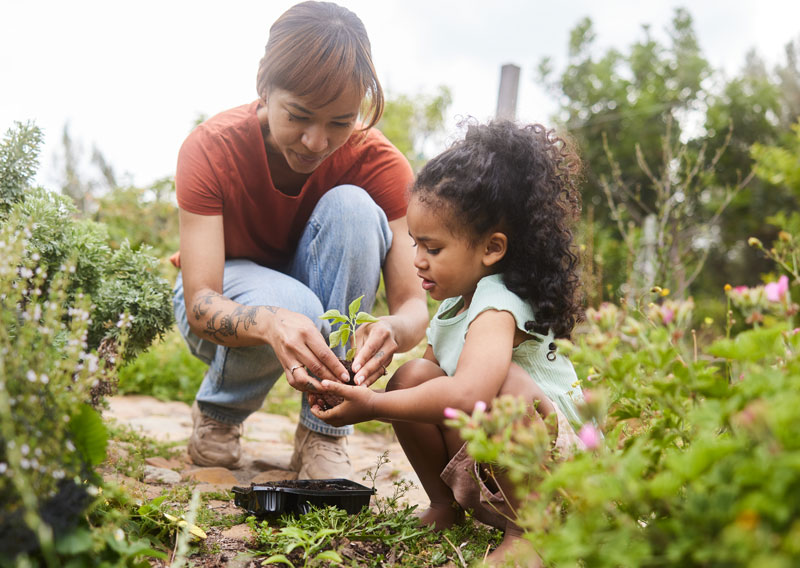
Planting flowers or vegetables can be a great way to move.
Swings, slides, and climbing structures.
A fun way to get outdoors on a windy day.
Head to a public pool or splash pad.
Sprinklers, kiddie pools, or water tables.
Family bike rides on paved paths.
Frisbee, tag, or catch.
Many have outdoor walking areas.
Turn it into a game or craft project.
Walking through the fields and picking pumpkins.
Make it a family chore and a workout!
Look for acorns, pinecones, or colorful leaves.
Put on music and move!
Encourages crawling, climbing, and imagination.
Charades, hide-and-seek, or “Simon Says”.
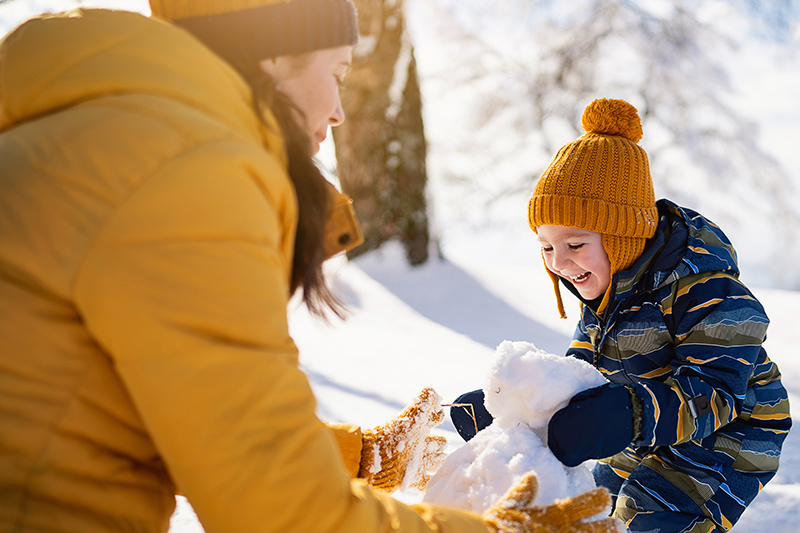
Sledding, building a snowman, or snow angels.
Visiting an indoor play place or community center during open gym time is also a good idea.
For more ways to play in all seasons, visit your local Parks and Recreation Center, Public Library, and Museums and Zoos. Visit online:
When it comes to moving, it’s always a good idea to make sure the activities are right for you and your child’s health.
If you’re worried about either of you participating, or if your child has any health conditions, talk with their doctor for advice.
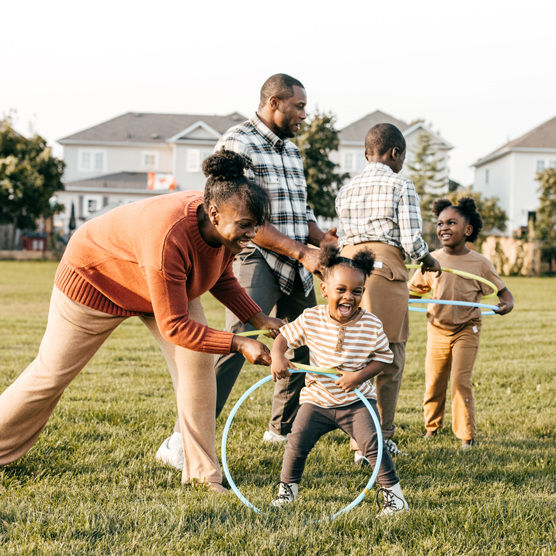
When you’re active as a family, everyone wins!
Stronger Bodies:
Regular movement helps your child build strong bones and muscles, keeping them healthy and full of energy.
Better Minds:
Physical activity helps children focus better and learn more easily.
Happy Feelings:
Being active releases “happy chemicals” in the brain, helping everyone feel less stressed and more joyful.
Close Bonds:
Playing together creates special memories and strengthens the connection between everyone.
It shows your child that being active is fun and important.
Good Habits:
When your children see you being active, they learn it’s a normal and essential part of life.
This helps everyone build good habits that can last a lifetime.
Make active play a regular part of your family’s routine.
It’s as easy as adding it to your daily schedule like you do with meals, snacks, and bedtime. It’s not just about exercise; it’s about making memories, having fun, and growing together!
Centers for Disease Control and Prevention. Benefits of physical activity. (2024, April 24).
https://www.cdc.gov/physical-activity-basics/benefits/index.html
PBS Kids. Find ways to play. (2025).
https://www.pbs.org/parents
Helping your family play and move is a great gift.
When you make moving a fun and regular part of your day, you’re not just making bodies stronger but also making minds happier, making good memories, and making family ties stronger.
Have fun moving together, and watch your family do well!
Install this web app on your iPhone: tap
and then Add to Home Screen.
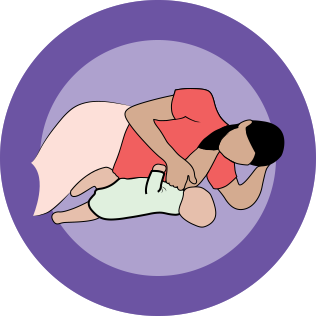
Side-Lying Hold
This hold is useful when:
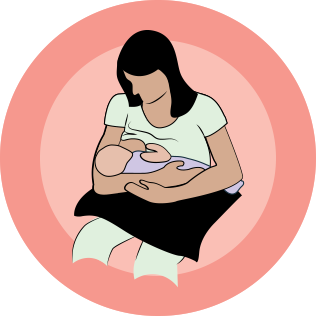
Cross-Cradle Hold
This hold is useful when:
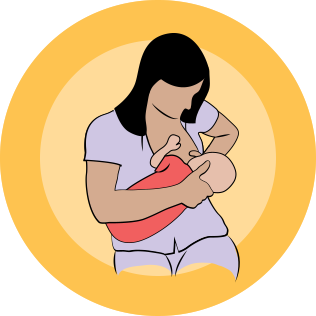
Clutch or “Football” Hold
This hold is useful when:
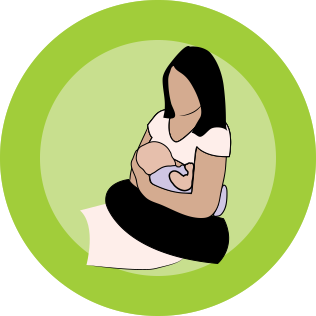
Cradle Hold
This hold is useful when:
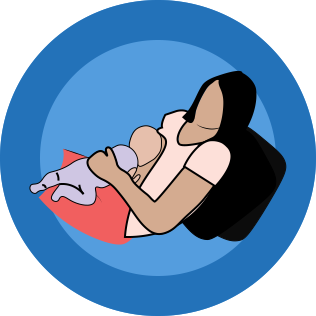
Laid-Back Hold
This hold is useful when: