Pumping and Storing Your Milk
- Home
- Women
- Breastfeeding
- Pumping and Storing Your Milk


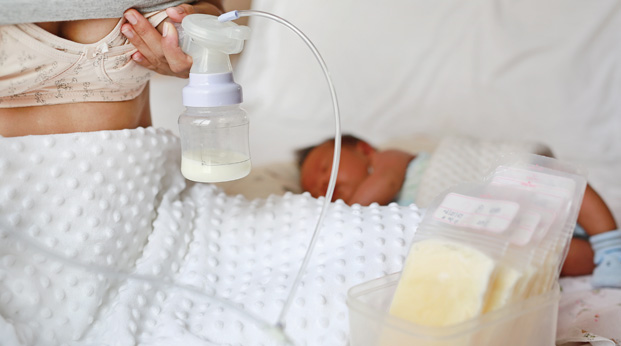
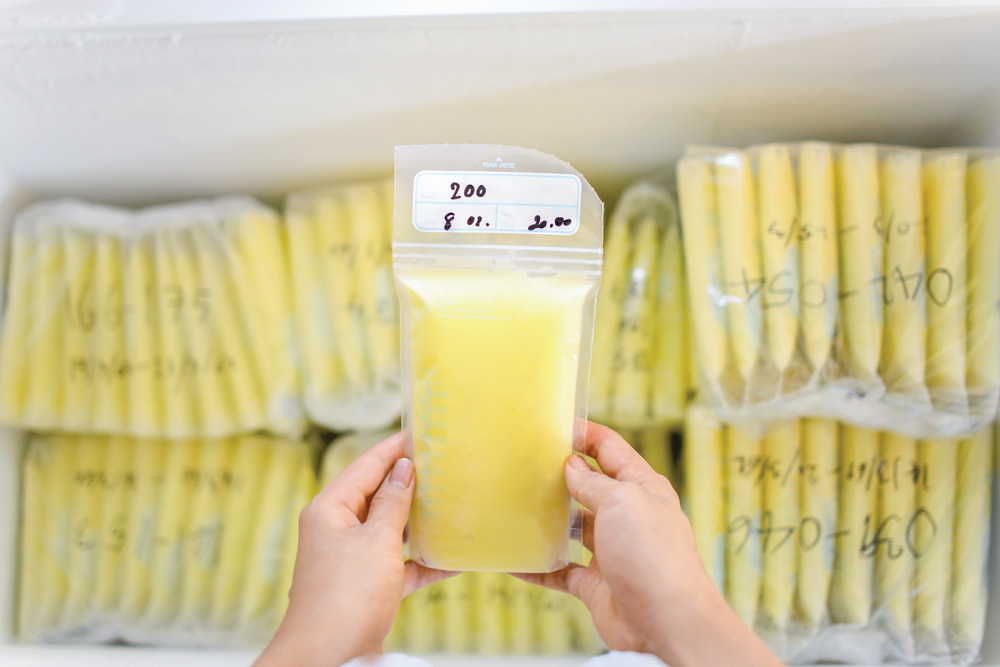
It can be helpful to know how to pump and store your milk. If you are unable to feed your baby at the breast, it is important to remove milk to tell your body to make milk.
Click below to learn more about the different ways to express milk.
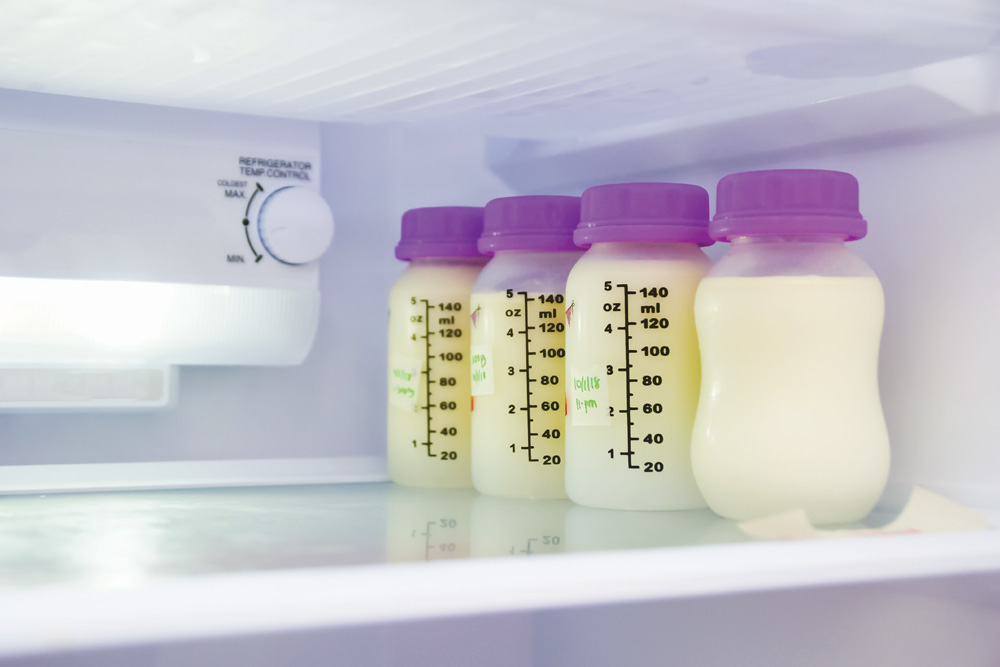
Freshly expressed or pumped
Up to 4 Hours
Thawed, Previously Frozen
1-2 Hours
Leftover from a feeding
(baby did not finish the bottle)
Use within 2 hours after baby starts feeding. After 2 hours, leftover human milk should be discarded.
Freshly expressed or pumped
Up to 4 Days
Thawed, Previously Frozen
Up to 24 hours
Leftover from a feeding
(baby did not finish the bottle)
Use within 2 hours after baby starts feeding. After 2 hours, leftover human milk should be discarded.
Freshly expressed or pumped
Within 6 months is best.
Up to 12 months is acceptable.
Thawed, Previously Frozen
NEVER refreeze human milk after it has been thawed.
Leftover from a feeding
(baby did not finish the bottle)
Use within 2 hours after baby starts feeding. After 2 hours, leftover human milk should be discarded.
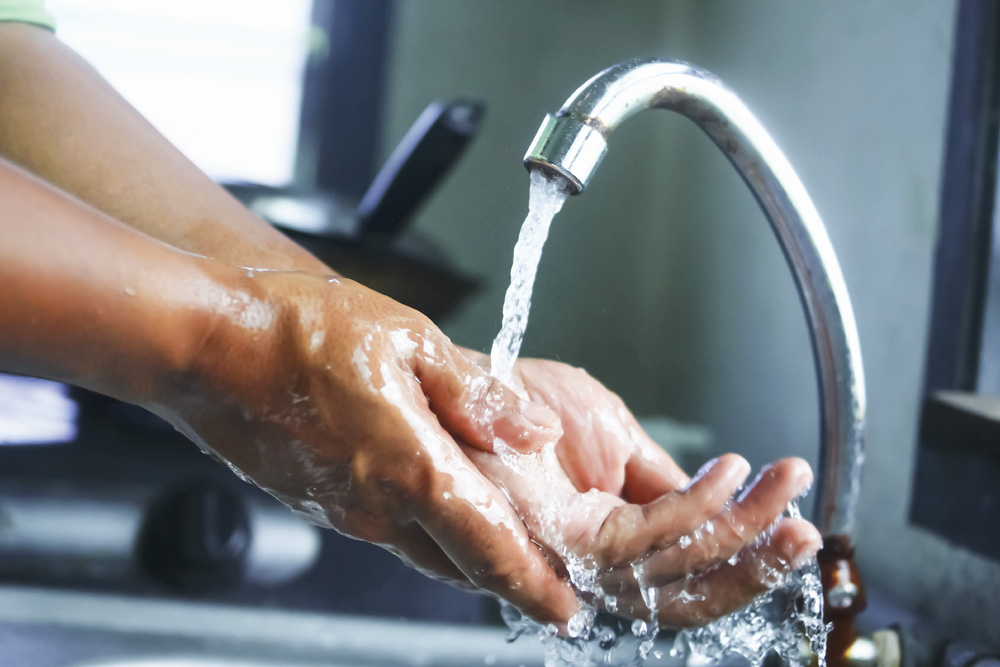
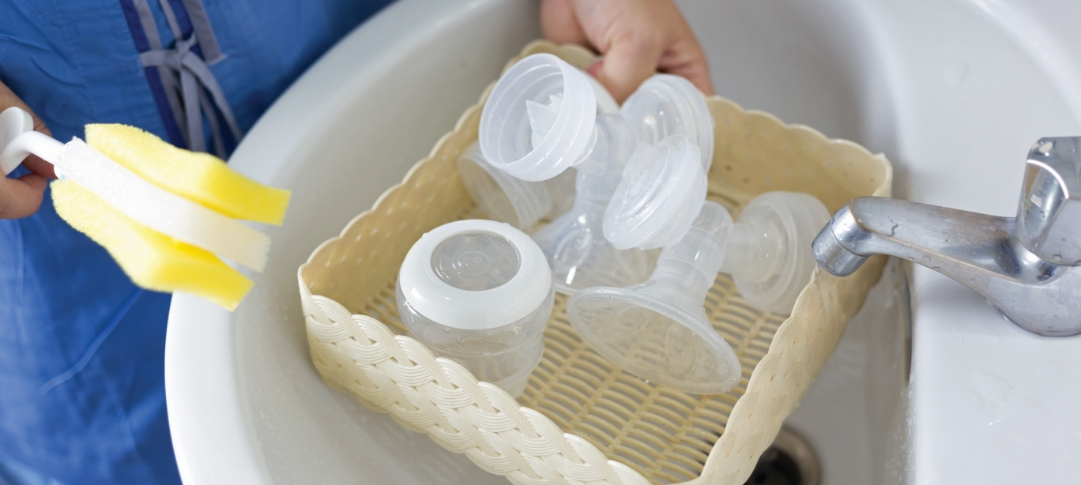

Sanitize pump parts, wash basin, and bottle brush at least once daily after they have been cleaned. Items can be sanitized using steam, boiling water, or a dishwasher with a sanitize setting.
Sanitizing is very important if your baby is less than 3 months old, was born prematurely, or has a weakened immune system due to illness or medical treatment.
Install this web app on your iPhone: tap and then Add to Home Screen.

How it works
Using clean hands, cup your breast using a c-hold (as pictured) but not touching your areola. Press your fingers firmly back towards your chest. Next, compress your hand while moving it back towards your nipple without lifting your hand from your breast. Repeat and try different positions on your breasts so you can get milk out of different milk ducts.
What’s Involved
Average Cost
Free

How it works
Use your hand and wrist to operate a hand-held device to pump the milk.
What’s Involved
Average Cost
$30 to $50 (may be covered by insurance)
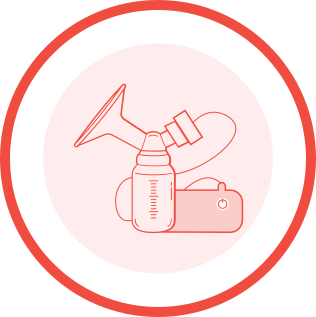
ELECTRIC BREAST PUMP
How it works
Runs on battery or plugs into an electrical outlet.
What’s Involved
Average Cost
$150 to more than $250 (often covered by insurance)
ELECTRIC BREAST PUMP
How it works
Runs on battery or plugs into an electrical outlet.
What’s Involved
Average Cost
$150 to more than $250 (often covered by insurance)
How it works
Using clean hands, cup your breast using a c-hold (as pictured) but not touching your areola. Press your fingers firmly back towards your chest. Next, compress your hand while moving it back towards your nipple without lifting your hand from your breast. Repeat and try different positions on your breasts so you can get milk out of different milk ducts.
What’s Involved
Average Cost
Free
How it works
Use your hand and wrist to operate a hand-held device to pump the milk.
What’s Involved
Average Cost
$30 to $50 (may be covered by insurance)
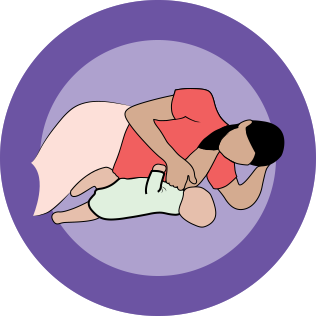
Side-Lying Hold
This hold is useful when:
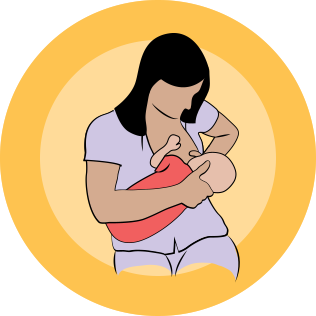
Cross-Cradle Hold
This hold is useful when:

Clutch or “Football” Hold
This hold is useful when:
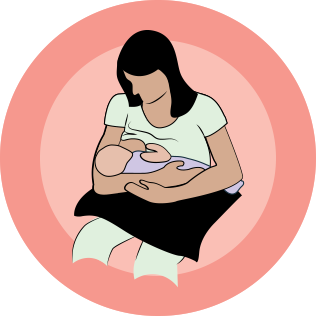
Cradle Hold
This hold is useful when:
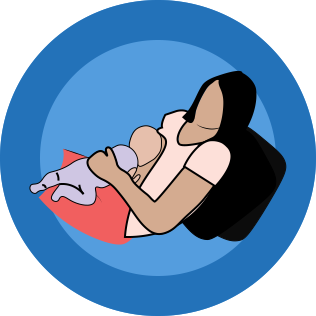
Laid-Back Hold
This hold is useful when: