As a parent, you do so much to care for your family. When food allergies are involved, it can raise new questions for you and your family. This guide is here to help you understand food allergies and feel confident in keeping your family safe and comfortable around food.
What is a Food Allergy?
It’s really important to know the difference between food allergies, intolerances, and sensitivities.
Lots of people get them mixed up! These are all different ways your body can react to food. Some reactions to food might just make you feel a little uncomfortable, while others can be very serious and even dangerous.
Food Allergy:
This is a specific and often serious immune response where your body’s protection system, the immune system, reacts to a certain food as if it were harmful. This reaction can happen very quickly after someone eats even a tiny bit of the food and can cause an immediate reaction. Food allergies can be severe and sometimes life-threatening. An example is a peanut allergy.
Food Intolerance:
Unlike an allergy, this happens when your body has trouble breaking down a type of food, often due to a lack of enzymes. Symptoms are usually digestive, like gas or tummy pain. It’s generally not life-threatening. An example is lactose intolerance.
Food Sensitivity:
Also different from an allergy, this involves your body’s immune system’s delayed reaction, but is not a true allergy. Symptoms can be wider, including digestion, headaches, tiredness, or skin rashes, and are often related to the amount of food eaten. It’s generally not life-threatening. An example would be caffeine. While many enjoy coffee or tea, some people are highly sensitive to caffeine, experiencing anxiety, rapid heart rate, or restlessness even with small amounts.
For the rest of this guide, when we talk about “food allergies,” we’ll focus mostly on food allergies, which are the most serious type of reaction.
Spotting Allergies
Knowing what to look for and what foods most often cause allergic reactions can help you keep your family safe. An allergic reaction can affect different parts of the body, so it’s important to know what signs to watch for.
Skin:
You might see hives (red, itchy bumps), swelling (of the face, lips, or eyes), or patches of eczema (dry, itchy skin).
Stomach/Digestion:
Your child might have vomiting, diarrhea, or stomach pain.
Airway:
Look for sneezing, wheezing (a whistling sound when breathing), stuffy nose, or tightness in the throat.
Anaphylaxis (Anna-fuh-LACK-sis):
A very serious, life-threatening allergic reaction. It can happen quickly and affect many parts of the body at once, such as trouble breathing, swelling, or a sudden drop in blood pressure.
Top 9 Food Allergens
While any food can cause a reaction, some foods are much more common.
1Milk (cow’s milk is the most common milk allergy)
2Eggs
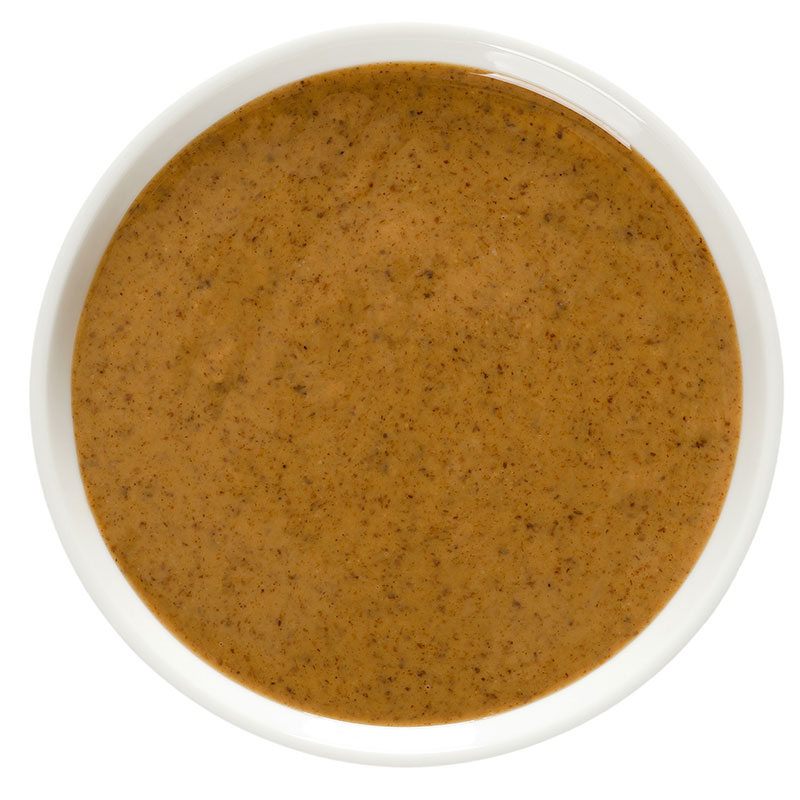
3Peanuts (sometimes people with a peanut allergy can also react to chickpeas or other beans)
4Tree nuts (this group includes almonds, walnuts, pecans, cashews, pistachios, and macadamia nuts)
5Fish
6Shellfish (like shrimp, crab, or lobster)
7Soy
8Wheat
9Sesame
For more information about common allergens, you can visit:
When someone in your family has a food allergy, you’ll need to find other foods to replace the ones they can’t eat. WIC can help you learn about these options.
If your baby has allergies, knowing what to feed them can feel overwhelming. For detailed guidance on feeding infants with allergies, please refer to the Infant Feeding Guide section on allergies.
Here are some food swaps and tips for managing common allergies day-to-day:
Milk substitutes:
For non-dairy milk options, you can choose from soy milk, almond milk, oat milk, coconut milk, rice milk, hemp milk, or flax milk. When choosing non-dairy milk, look for one with calcium (about 300 milligrams) and vitamin D (about 115-117 I.U.) amounts similar to cow’s milk.
Egg replacements:
It’s easy to replace eggs when cooking! Each of these ideas can work in place of one egg in a recipe:
One tablespoon of ground flaxseed, soaked for 5 minutes in 2 ½ tablespoons of water, can be used in baking and pancakes.
Ground chia seeds can also be used. Add three tablespoons of ground chia seed to three tablespoons of water and let it sit for 15 minutes.
You can use three tablespoons of chilled liquid aquafaba from a can of chickpeas.
If wheat or gluten is an issue, consider rice, quinoa, amaranth, buckwheat, sorghum, millet, or teff. Oatmeal is naturally gluten-free, but it can pick up gluten during processing. Always look for “gluten-free” on the label to be sure.
Check food labels:
Learning to read food labels carefully is key to avoiding allergens.
Know what foods to look for:
Food ingredients can sometimes have many different names. There are websites where you can search by your specific allergy to find other names for those ingredients.
Ready to be a kitchen safety superhero? One of your most important superpowers is stopping cross-contamination. This happens when even a tiny bit of an allergy-causing food gets into a food meant to be free of that allergen, and even a tiny bit can cause a reaction.
Here are some ways to use your powers to prevent this in your kitchen:
Before you start cooking, wash your hands and all cooking areas (like countertops and cutting boards) very well with soap and water. Washing your hands with only water or using hand sanitizer will not remove the allergen.
Use separate cutting boards, plates, and utensils for allergen-free foods. For example, have a special cutting board just for fruits and vegetables if you’re worried about peanut residue on another board.
Keep foods that contain allergens separate from allergen-free foods, especially when preparing meals.
Clean shared kitchen items like blenders or mixers thoroughly.
Use separate toasters for gluten or wheat allergies.
Label allergen-free foods clearly in your fridge or pantry.
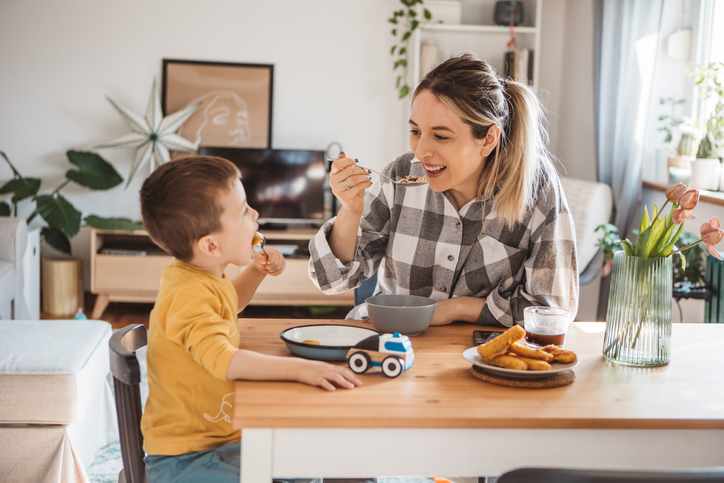
Sharing meals as a family is a great way to connect and ensure everyone feels included, especially when someone has food allergies. It’s also a chance to help everyone at the table learn about managing food allergies.
feeding challenges
Young children with food allergies often face unique feeding challenges. These difficulties come from various factors, including fear of allergic reactions, limited food choices, and the stress of managing limited food choices.
Food Avoidance: Children who have bad reactions to food may develop a fear of trying new foods or even foods they used to enjoy.
Picky Eating: Food allergies can worsen picky eating habits, as children may become less willing to try new foods, fearing a reaction.
Anxiety and Stress: Worrying about foods that could do harm can cause more stress and anxiety around mealtimes for parents and children.
Nutritional Deficiencies: Diets with limited food options can miss important nutrients like vitamins and minerals. Nutrition supplements can fill the gaps when one or more food groups are removed. Work with a registered dietitian if you need help meeting nutrient needs.
Social Isolation: Children with food allergies may feel excluded during social events or gatherings where food is involved.
Division of Responsibility in Feeding
You can help your child have a good relationship with food while ensuring their safety and nutritional well-being by creating a positive and supportive feeding environment. Build confidence and trust with your child by applying the Division of Responsibility in Feeding by Ellyn Satter.
Politely picks and chooses from what has been provided.
Decides how much to eat or if they will eat.
It is important to also:
Sit down together and share the same food.
Relax and enjoy your meal while your child eats.
Trust your child will do their part with eating.
If parents do their job with feeding, kids will do their job with eating ~Ellyn Satter
To help your child eat well, follow these “do’s” and “don’ts”
Do’s:
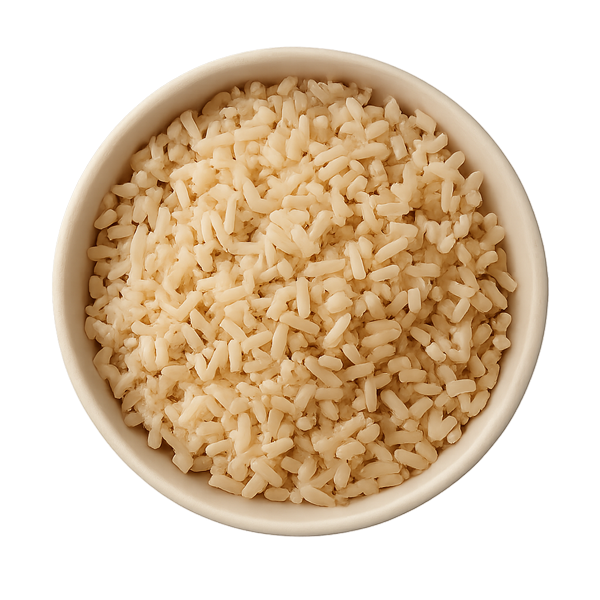
Do decide what foods to offer for meals and snacks. Learn about age-appropriate “safe” foods and offer a variety. Make sure everyone gets their fill by including allergy-safe foods that are filling. Depending on the allergy, filling foods may be rice, noodles, bread, potatoes (French fries, baked, chips, or mashed with gravy).
Do serve everyone the same food. This helps your child with allergies feel included when seeing others eating ‘their’ food.
Do plan ahead and set a routine eating schedule for the family to gather and share meals together. Your child needs three meals and three snacks a day, carefully spaced so they come to the table hungry but not too hungry.
Do decide on the place to eat. A table is simply a space where you all sit together. It can be at home, outside, or at a restaurant. Make sure that whatever space you decide on, there are no distractions like phones, tablets, TV, or pets.
Do enjoy each other’s company and allow each person to eat until they decide they are pleasantly full.
Do allow your child to pick and choose from the foods offered on the table. Your child may not choose everything on the table, and that’s okay! If you do not draw attention to your child’s eating, they will feel comfortable exploring new foods in their own way and time.
Do allow your child to say when they are full. Your child will eat until they feel satisfied if you let them. Sometimes, that may mean they eat seconds and thirds. Sometimes, that means a few bites or nothing at all.
Don’ts:
Don’t panic! Don’t force! Pushing your child will block them from learning their own ways of eating.
Don’t give in to your child’s demands for food or drinks (except water) between eating times.
Don’t decide for your child how much they should eat, ignoring their own hunger and fullness.
Don’t use rewards or punishment to get your child to eat.
Don’t offer separate foods for each child at the table.
Don’t leave your child to eat meals alone, as they learn to eat by your example and truly enjoy your company.
Teaching New Tastes Safely
Your child may take longer to warm up to new foods than a child without food allergies. Repeated exposure to new foods from your child’s “safe food” list is key! Start early and be patient.
Critical ages for learning new tastes, textures, and chewing are 7-18 months old.
You may need to offer a new food over 10 times before your child decides they will eat it. Don’t pressure!
Be a good role model. Your child is ready to learn and can accept a wide range of food if you help them by sitting down and sharing the same foods.
Be okay with your child’s food preferences, like you are with your own. Food preferences are typically set by the time your child is 6 years old.
As your child reaches their second birthday, they should have developed the skills they need to eat well; however, managing food allergies can add extra challenges, making it a bit tougher for your little one to develop those important eating skills.
Your Allergy Game Plan
Managing food allergies involves understanding the diagnosis and having a clear plan.
An allergy action plan is a written guide from your doctor that will explain what to do if an allergic reaction happens. It includes symptoms to watch for and what medications to give. Share this plan with anyone caring for your child, like family members, childcare providers, and school staff.
Your doctor may refer you to specialists like an allergist or a registered dietitian. These experts can help you understand your child’s allergy, manage their diet, and make sure they get the nutrition they need.
If your child with allergies struggles with accepting new foods, and as a parent, you struggle to get beyond the fear of an allergic reaction, your provider may be able to refer you to a:
Behavioral Therapist who specializes in food-related issues
Registered Dietitian who specializes in food allergies
Speech Language Pathologist or an Occupational Therapist who specializes in eating concerns
Talk to your child about their food allergies. It is important to teach your child about their allergies in a way they can understand. Teach them not to share food with others or accept food from people unless you say it is safe.
Use these tips to handle daily life with food allergies
Shopping Tips:
Always read food labels closely, every time you buy a product. Companies can change ingredients without telling you. Look for clear allergen statements.
WIC Foods:
WIC offers many foods that can fit into an allergy-friendly diet. Your WIC nutritionist can help you choose foods from your WIC food package that work best for your family’s needs. As WIC food packages change, more substitutions may become available. You can also refer to the Wyoming WIC Food Shopping Guide.
Eating Out Safely:
Call restaurants ahead to confirm they can safely prepare allergy-friendly food.
Inform staff (server, manager, or chef) about allergies and specific foods to avoid upon arrival. It may help to carry allergy chef cards to let the kitchen staff know about your family’s allergies.
Opt for simple dishes to avoid hidden ingredients, like plain grilled chicken over complex sauces.
Avoid buffets and salad bars as they can be risky due to cross-contamination, where serving spoons or food might accidentally touch other items.
Normalize Eating:
Create a relaxed mealtime where everyone shares the same foods, which helps your child with allergies feel included and reduces stress. Trust your child to decide how much to eat from the foods you offer. Serve allergy-safe foods that are filling so everyone gets enough. Your goal is for family meals to be a positive time, focusing on connection rather than fear.
You’ve Got This!
Learning how to manage food allergies is a journey, and you are doing a great job by learning how to keep your family safe and fed well.
If your child has ongoing feeding problems, it’s important to get additional help as soon as possible. Always contact your healthcare provider for allergy specialist referrals or medical concerns. Staying informed and seeking support helps your family live well with food allergies.
Here are some websites and groups where you can find more information:
Install this web app on your iPhone: tap and then Add to Home Screen.
Share to Social
Share this link via
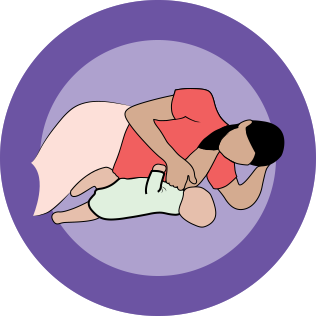
Side-Lying Hold
For the right breast, lie on your right side with your baby facing you.
Pull your baby close. Your baby’s mouth should be level with your nipple.
In this position, you can cradle your baby’s back with your left arm and support yourself with your right arm and/or pillows.
Keep loose clothing and bedding away from your baby.
Reverse for the left breast.
This hold is useful when:
You had a C-section
You want to rest while baby feeds
You are breastfeeding in the middle of the night
You and your baby are comfortable in this position
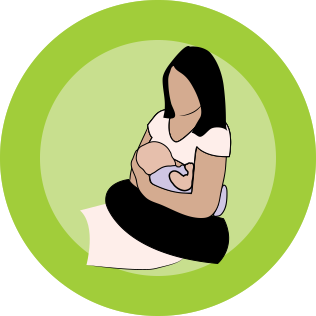
Cross-Cradle Hold
For the right breast, use your left arm to hold your baby’s head at your right breast and baby’s body toward your left side. A pillow across your lap can help support your left arm.
Gently place your left hand behind your baby’s ears and neck, with your thumb and index finger behind each ear and your palm between baby’s shoulder blades. Turn your baby’s body toward yours so your tummies are touching.
Hold your breast as if you are squeezing a sandwich. To protect your back, avoid leaning down to your baby. Instead, bring your baby to you.
As your baby’s mouth opens, push gently with your left palm on baby’s head to help them latch on. Make sure you keep your fingers out of the way.
Reverse for the left breast.
This hold is useful when:
Your baby is premature
Your baby has a weak suck
Your baby needs help to stay latched
Your baby needs extra head support
You and your baby are comfortable in this position
Clutch or “Football” Hold
For the right breast, hold your baby level, facing up, at your right side.
Put your baby’s head near your right nipple and support their back and legs under your right arm.
Hold the base of your baby’s head with your right palm. A pillow underneath your right arm can help support your baby’s weight.
To protect your back, avoid leaning down to your baby. Bring baby to you instead.
Reverse for the left breast.
This hold is useful when:
You had a C-section
You have large breasts
You have flat or inverted nipples
You have a strong milk let-down
You are breastfeeding twins
Your baby likes to feed in an upright position
Your baby has reflux
You and your baby are comfortable in this position
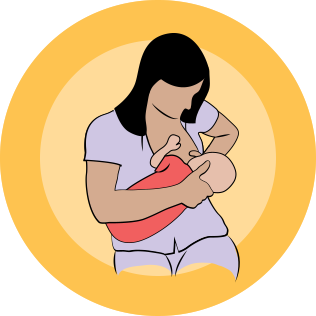
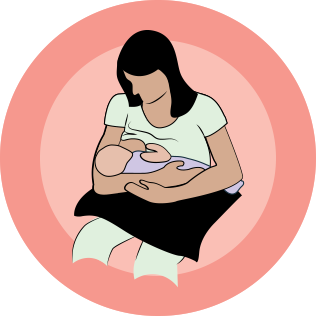
Cradle Hold
For the right breast, cradle your baby with your right arm. Your baby will be on their left side across your lap, facing you at nipple level.
Your baby’s head will rest on your right forearm with your baby’s back along your inner arm and palm.
Turn your baby’s tummy toward your tummy. Your left hand is free to support your breast, if needed. Pillows can help support your arm and elbow.
To protect your back, avoid leaning down to your baby. Instead, bring your baby to you.
Reverse for the left breast.
This hold is useful when:
Your baby needs help latching on
You and your baby are comfortable in this position
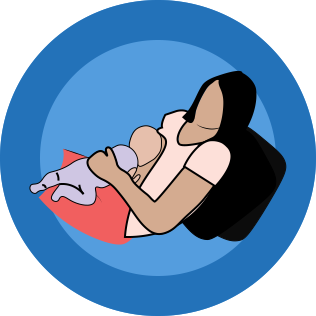
Laid-Back Hold
Lean back on a pillow with your baby’s tummy touching yours and their head at breast level. Some moms find that sitting up nearly straight works well. Others prefer to lean back and lie almost flat.
You can place your baby’s cheek near your breast, or you may want to use one hand to hold your breast near your baby. It’s up to you and what you think feels best.
Your baby will naturally find your nipple, latch, and begin to suckle.
This hold is useful when:
Your baby is placed on your chest right after birth
You have a strong milk let-down
You have large breasts
You and your baby are comfortable in this position























Share to Social
Share this link via