Skip to Content Skip to Footer
Wyoming WIC
Wyoming WIC
  • Home
  • Women
    • Women
      Breastfeeding
    • Women
      Healthy Tips for Moms
    • Women
      Postpartum
    • Women
      Pregnant
  • Infants
    • Infants
      Feeding & Nutrition
    • Infants
      Growth & Development
  • Children
    • Children
      Toddlers
    • Children
      2-5 Year Olds
  • Families
    • Families
      Activity and Play
    • Families
      Dads
    • Families
      Food & Family Meals
    • Families
      Immunizations
    • Families
      Safety
  • Live Well Blog
  • Food Shopping Guide
  • Español

Tips for your pregnancy

  • Home
  • Women
  • Pregnant
  • Tips for your pregnancy
  • Dear Mom
  • Get Prenatal Care
  • Take Care of Yourself With Food
  • Meal and Snack Ideas
  • Food Groups
  • Food Safety Tips for a Healthy Pregnancy
  • Take Prenatal Vitamins
  • Get Folic Acid Every Day
  • Be Proud of Your Smile
  • Explore Activities That You Enjoy
  • Weight Gain
  • Keep Your Baby Safe
  • Pregnancy Discomforts
  • Considering Breastfeeding?
  • Breastfeeding Facts
  • My Breastfeeding Plan At The Hospital
  • What About Bottle Feeding?
  • Make Time for Yourself

Dear Mom,

You want the best for your baby and yourself. Taking care of yourself with food and movement is a wonderful gift for your growing baby. At WIC, we provide the information and support you need to make choices that are right for you and your family. This way, you can be the mom you want to be.

In this guide you will learn more about how WIC can help you:

  • Provide a variety of food you enjoy for you and your family
  • Buy and prepare food
  • Get support with feeding your baby
  • Get referrals to healthcare and other community programs
  • Learn about breastfeeding

The tips on this page do not replace your healthcare provider’s advice. Write down questions to ask before you go to your prenatal checkups.

During your WIC appointment, you can learn more about taking care of yourself with food and preparing for your baby. We hope you enjoy all that WIC has to offer.

Sincerely,
Your WIC staff

Get Prenatal Care

Prenatal care is healthcare for pregnant women. A healthcare provider or specially trained nurse checks that you and your baby are okay.

You can expect:

  • 1 checkup each month for the first 6 months.
  • 2 checkups each month in the 7th and 8th months.
  • 1 checkup each week in the 9th month.
  • 1 checkup 2 to 6 weeks after your baby is born (postpartum).

Get prenatal care as soon as you think you are pregnant. The above schedule is a guide; it is important to go to all recommended appointments. You can learn more about your baby and how your body is changing.

If you need help to pay for prenatal care, contact your local Medicaid office.

Take Care of Yourself With Food

Pregnancy, and particularly eating during this time, offers a wonderful opportunity to appreciate your body and the miracle of giving birth. Trust yourself. Nourishing your body will help you to meet your nutritional needs and gain weight in a manner that is right for you. Your hunger, appetite, and weight gain will differ from those of other women, and these will change from month to month as well as across your first, second, and third trimesters. Embrace this extraordinary time. Practice getting in the meal routine. If you have dieting or food concerns, now is an excellent time to work on developing a positive, joyful relationship with food.

Focus on Feeding Yourself Well During Pregnancy

Reassure yourself you will be fed. Having regular meals and snacks provides the supportive framework for taking care of yourself and your baby with food.

  • Nourish yourself and your baby.
  • Lay the foundation for feeding your family.
  • Gain the amount of weight that is right for you.

Be Nurturing and Trusting With Yourself

Reassure yourself: “It’s all right to eat. I will do my best by taking time to sit down and enjoy the food I am eating.”

  • Take care of yourself by having a routine of regular meals and snacks.
  • Allow yourself to enjoy the foods you love. Provide, don't deprive yourself. Embrace food rather than avoid it.
  • Have regular meals and snacks as you need to maintain your energy levels throughout the day.
  • Start by eating foods you currently eat and enjoy at regular, dependable times.
  • Choose foods you enjoy at meals. In order to maintain the meal habit, your food has to taste good to you!
  • Once you have the meal habit, consider experimenting with meal planning.
  • Arrive at meals hungry but not overly hungry, savor your food, and stop when you feel satisfied.
  • During pregnancy your body needs more calcium, protein, iron and folate for your growing baby. Food from the protein, dairy, grain, and vegetable groups offer good sources.

Meal and Snack Ideas

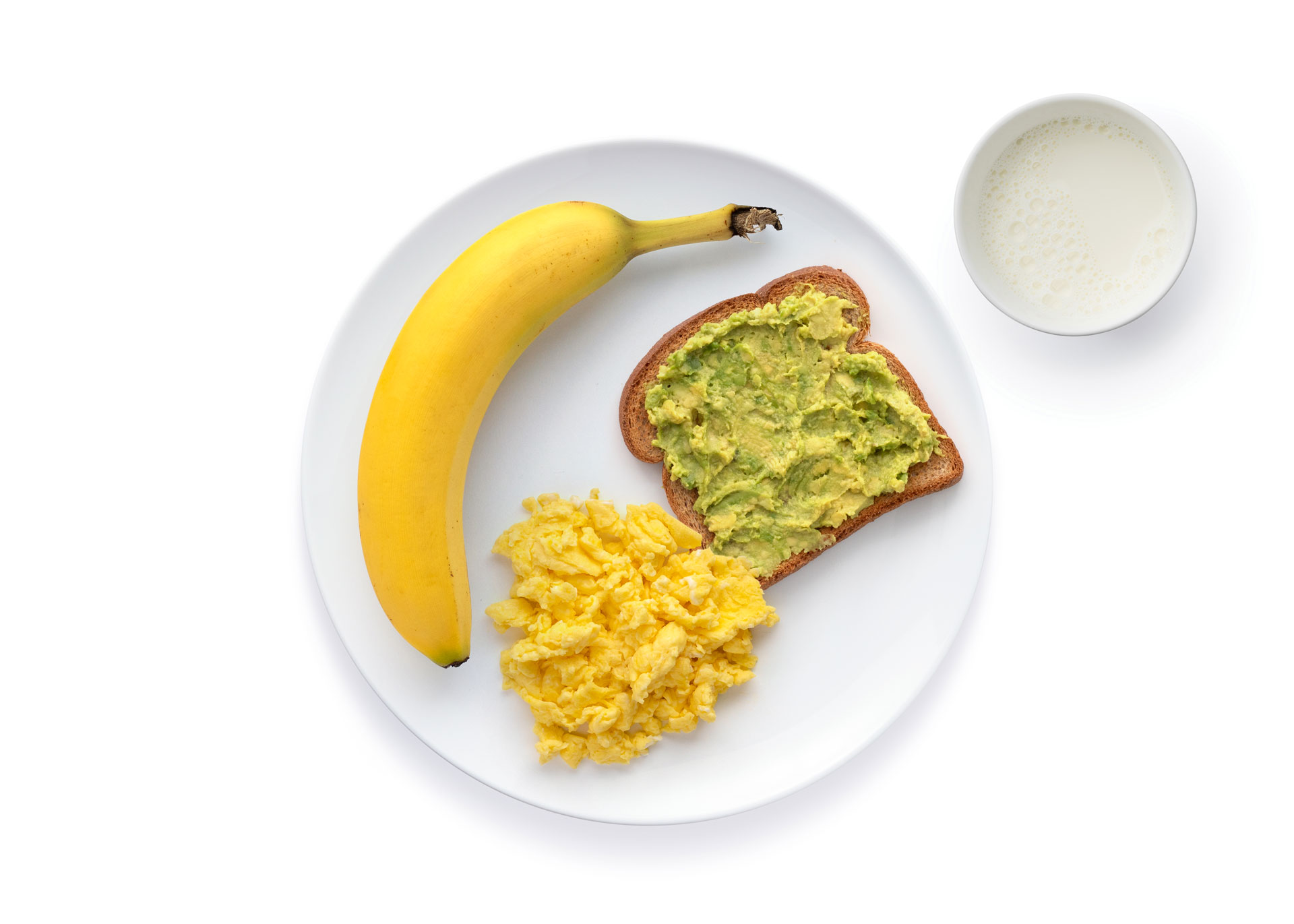
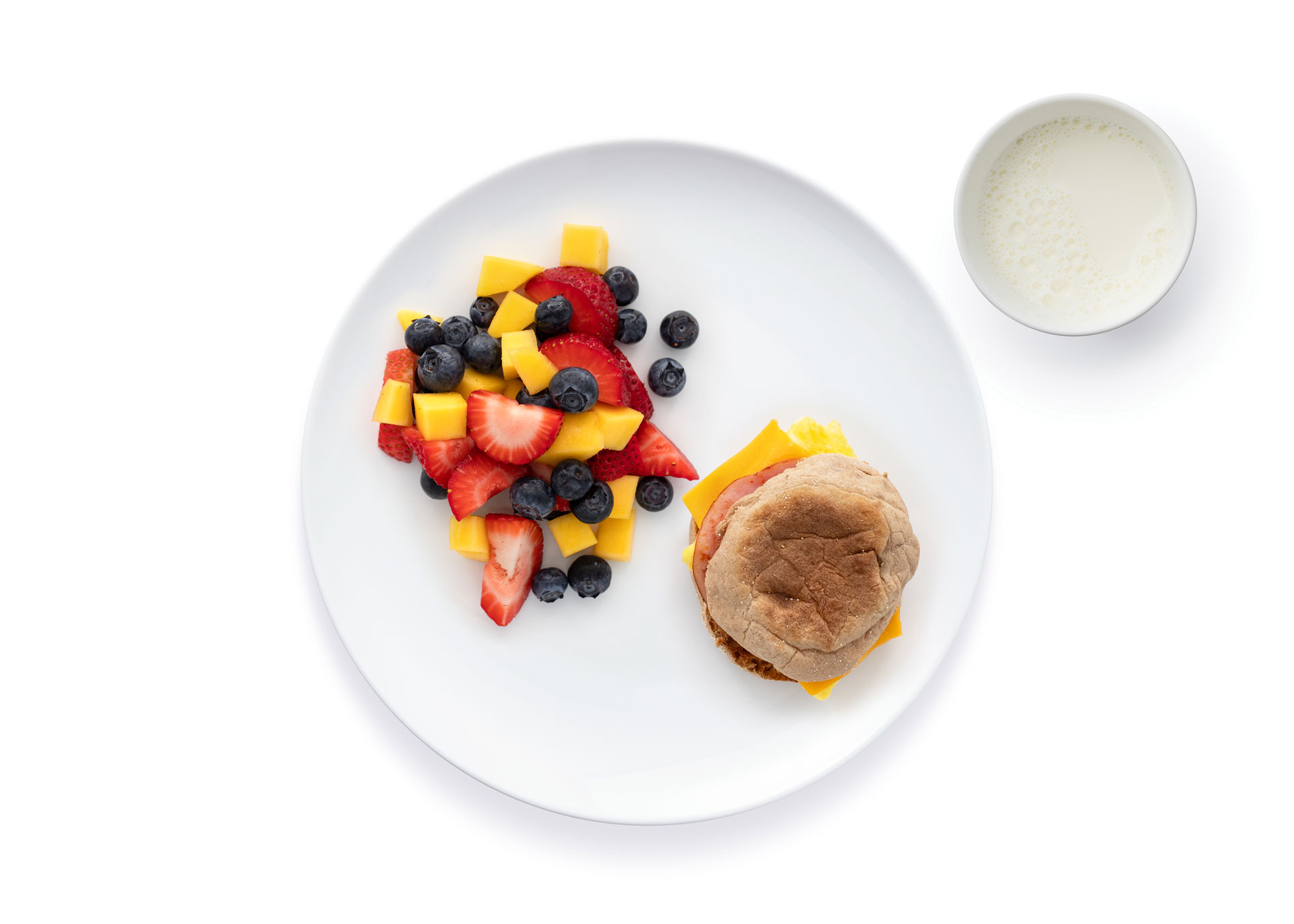
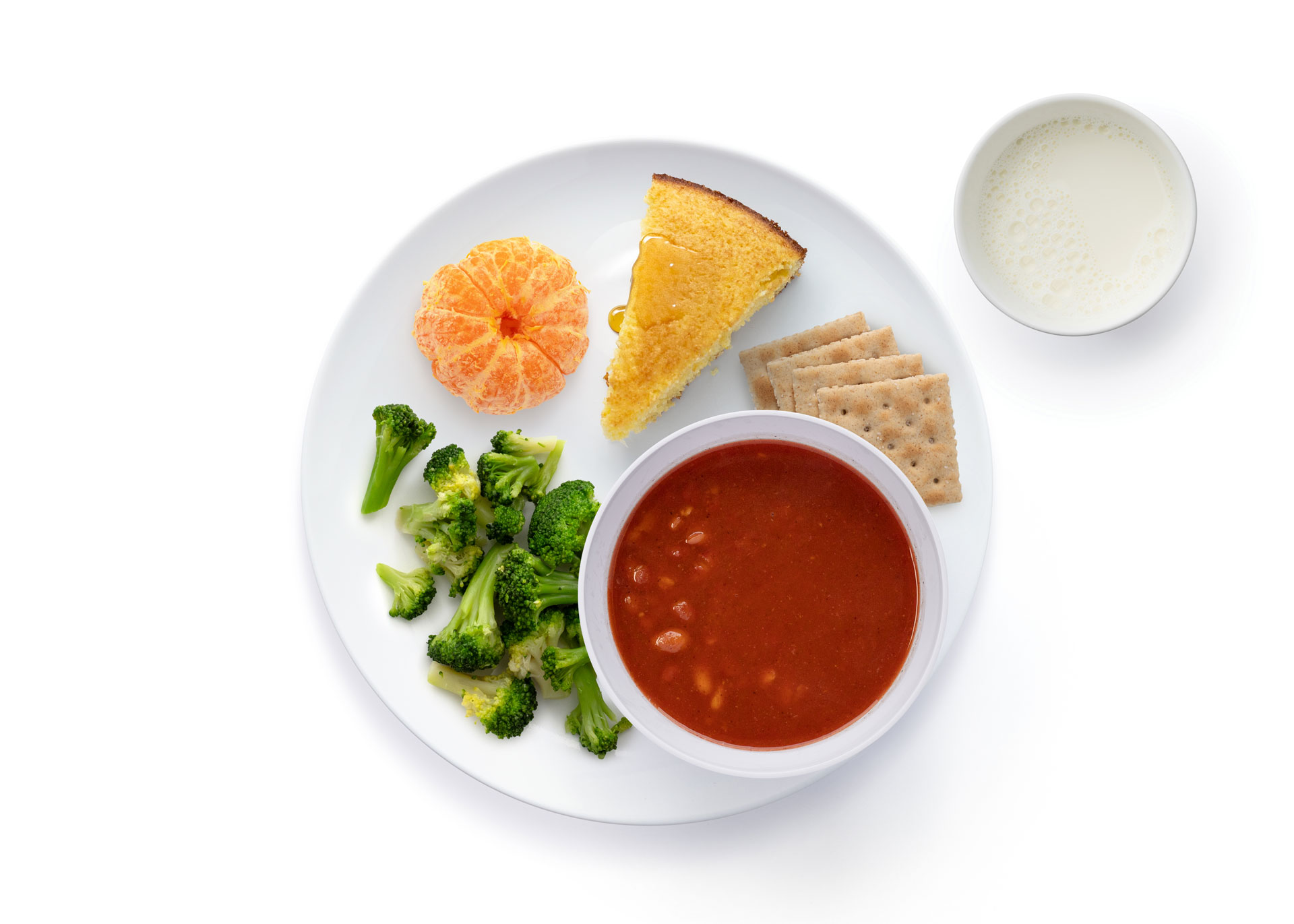
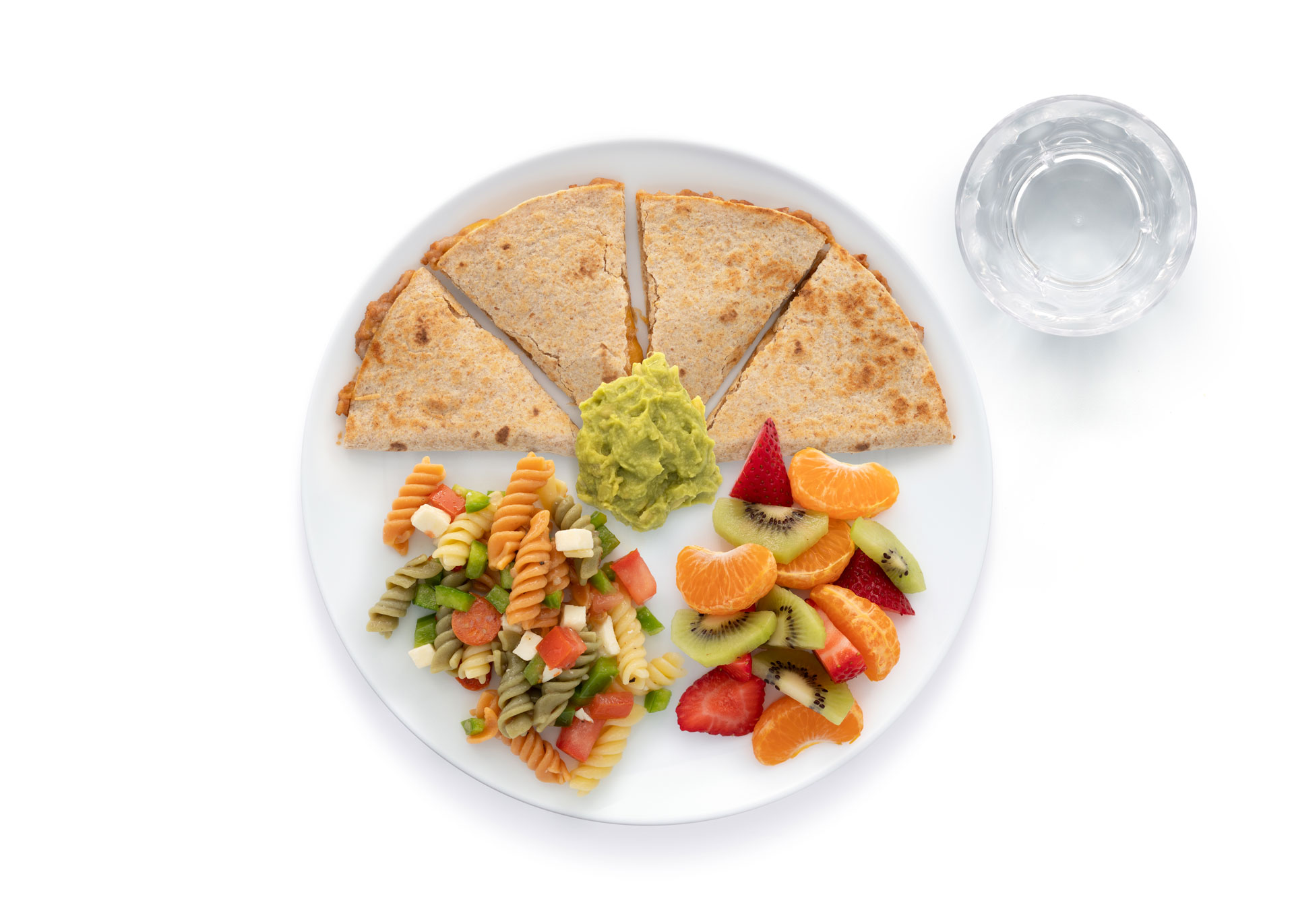
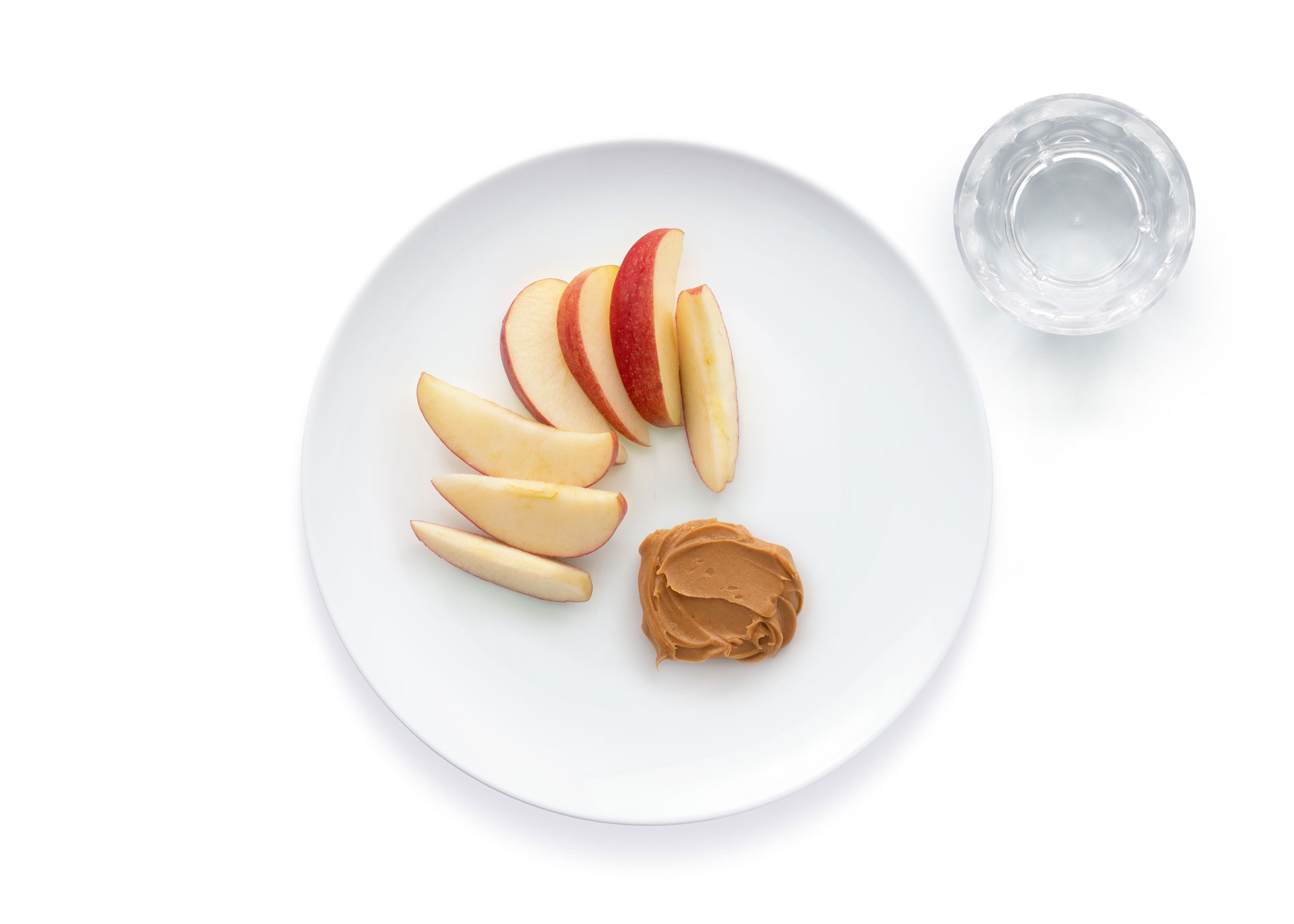
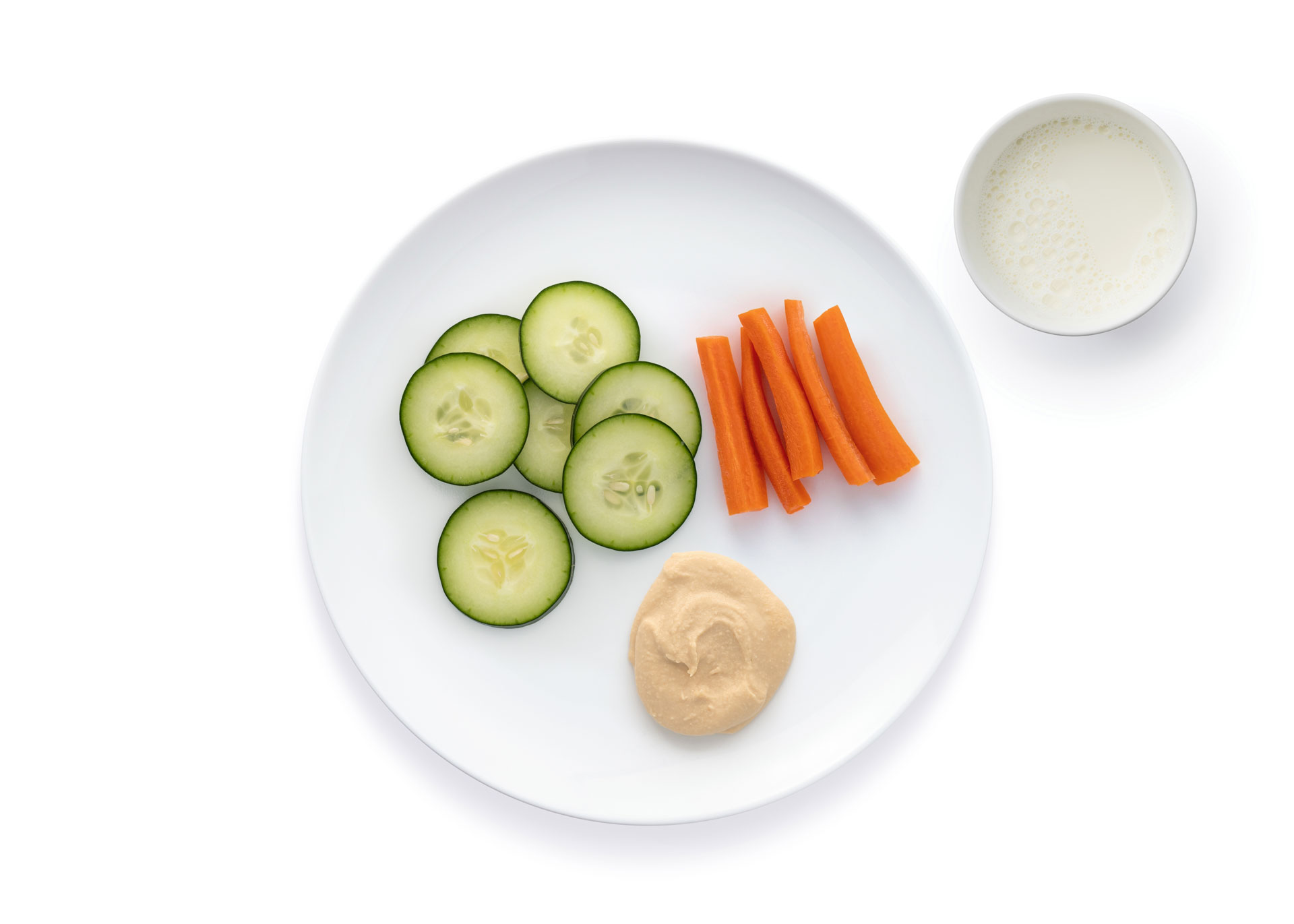
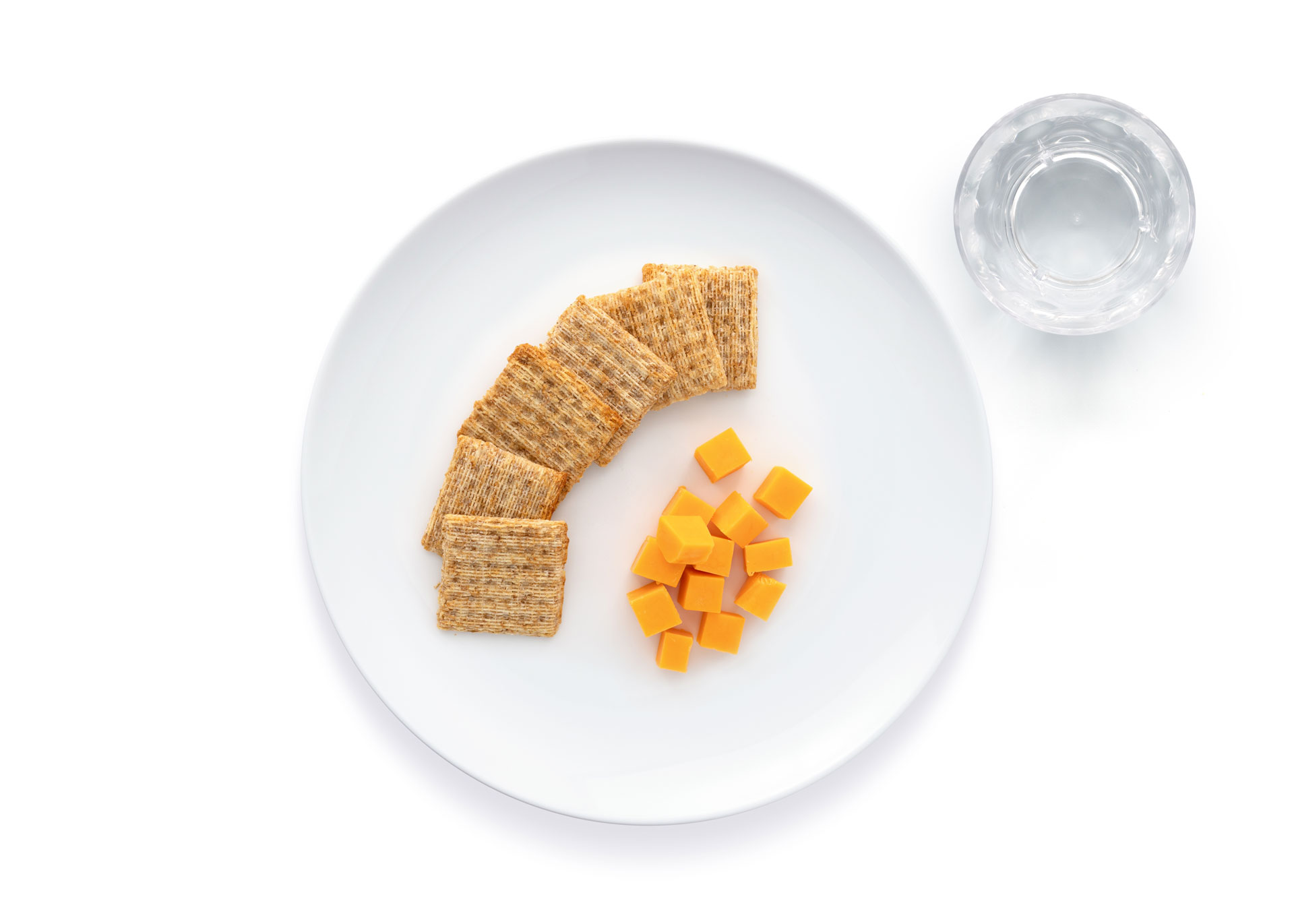
Here are some examples of what meals and snacks might look like on your plate. Create a satisfying, nutrient-rich meal by including 3 or 4 different foods.

Many of these options can be made with WIC-approved foods! Enjoy snacks between meals when you feel hungry. Consider a single food or combine 2 or 3 foods to make the mini meal more sustaining.

Breakfast

banana
scrambled eggs
milk
whole grain toast with avocado
- OR -
mixed fruit
milk
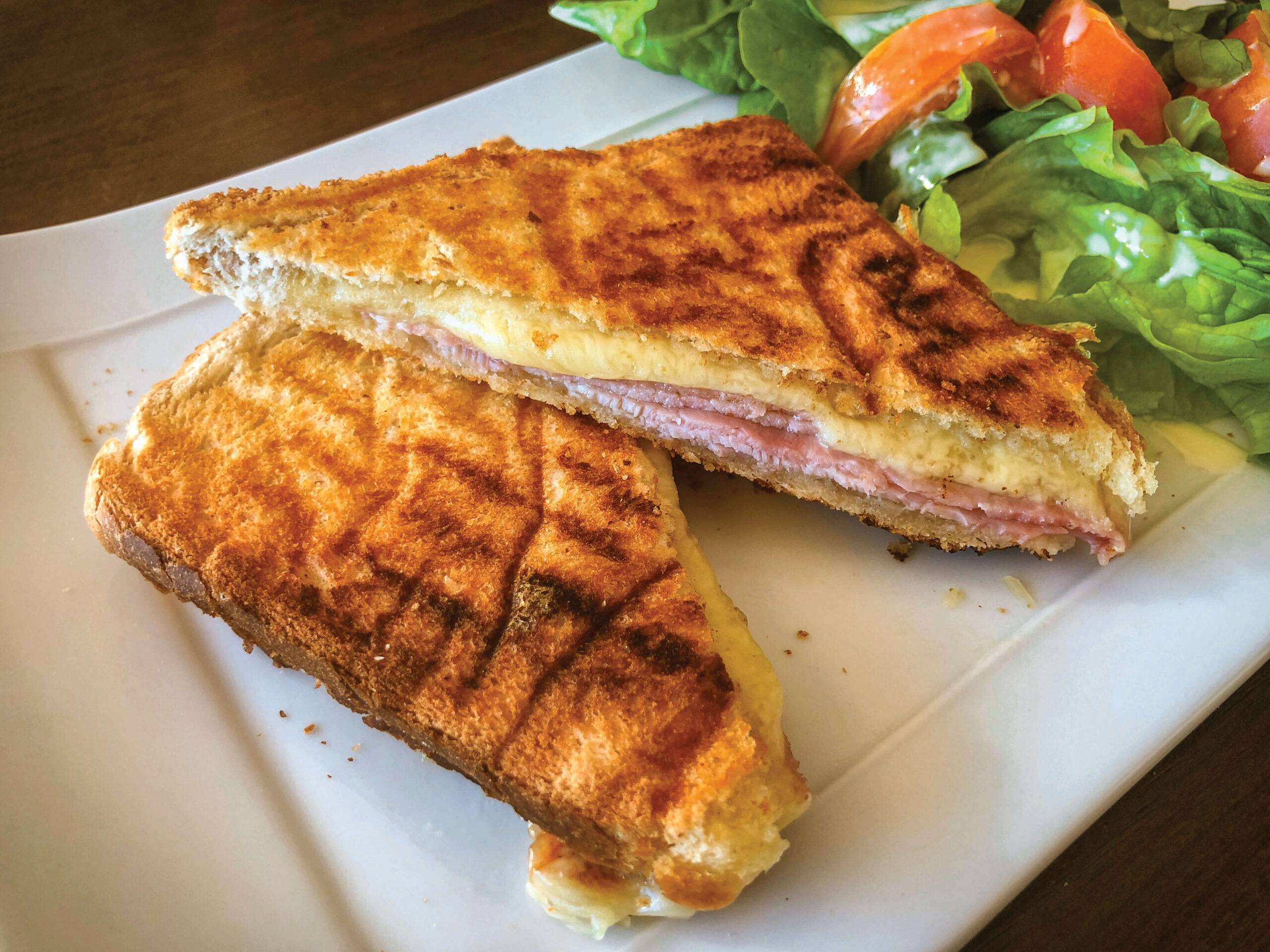
english muffin with ham, egg, and cheese

Lunch

mandarin orange
broccoli florets
milk
cornbread with butter and syrup
bean soup with crackers
- OR -
bean and cheese quesadilla with guacamole
pasta salad
water
mixed fruit

Snacks

apple slices with peanut butter
water
- OR -
sliced cucumbers and carrots with hummus
milk
- OR -
crackers with cheese
water
- OR -
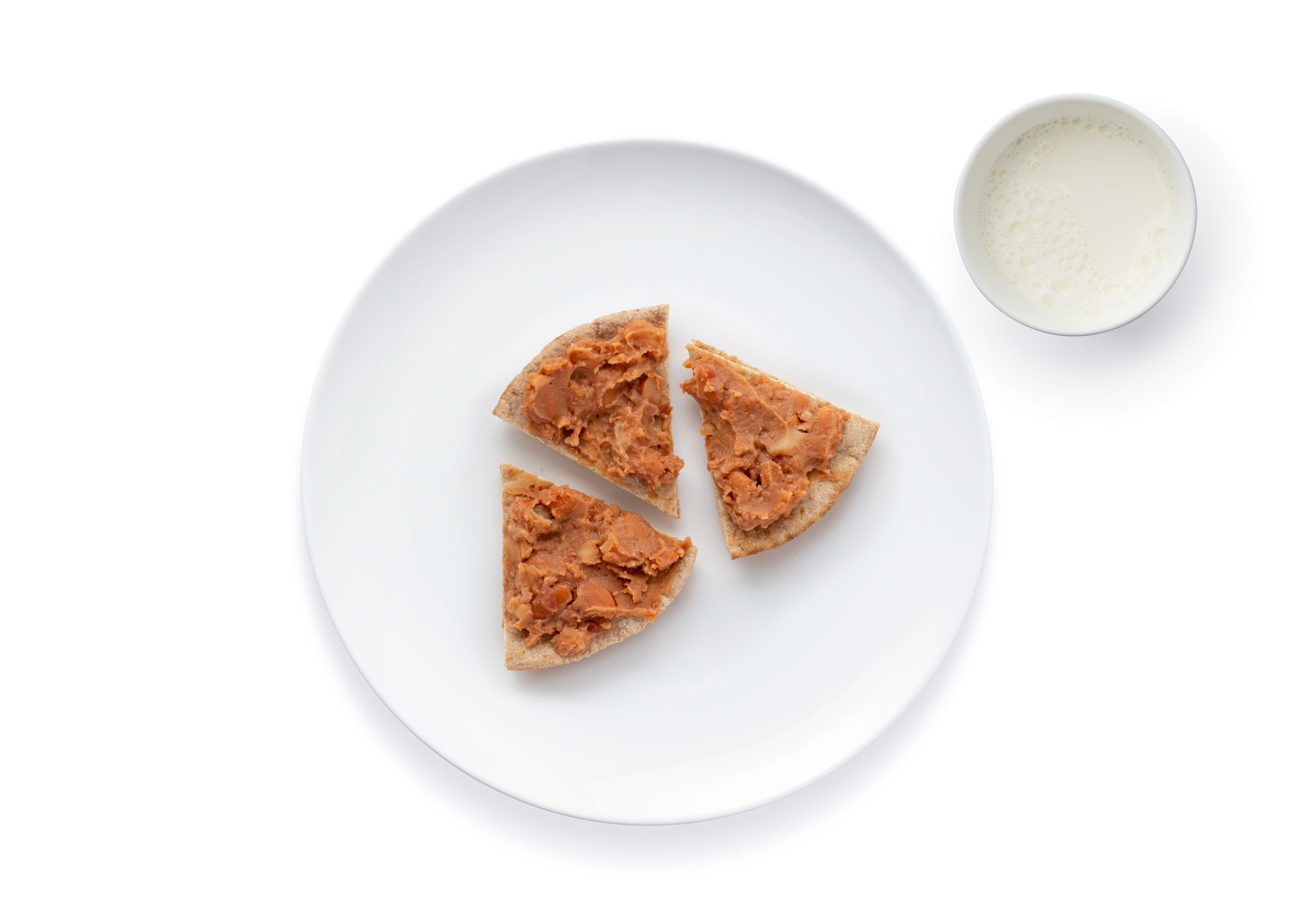
pita wedges with refried beans
MILK
- OR -
yogurt with sliced peaches and granola
water

Dinner

salad with tomato, hard-boiled egg, and dressing
baked potato with butter and sour cream
milk
sliced carrots
baked chicken
- OR -
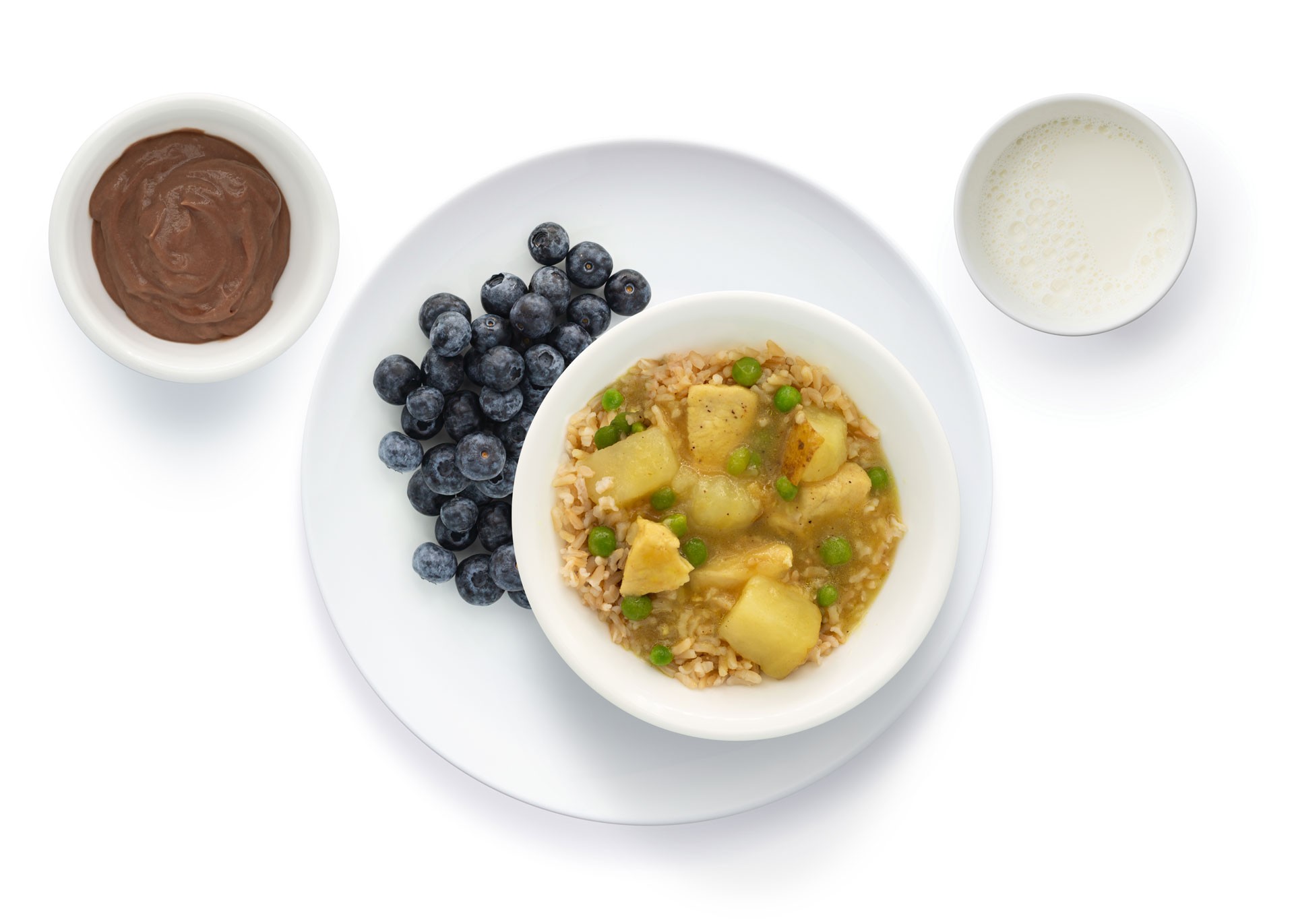
pudding
blueberries
milk
chicken curry with peas, potatoes, and rice

Food Groups

These are examples of foods that are in each food group. I may eat more or less than the amount of each food shown.

GRAINS
VEGETABLES
FRUITS
MILK & DAIRY
PROTEINS
DESSERTS
FATS & SAUCES
COMBINATION FOODS
GRAINS
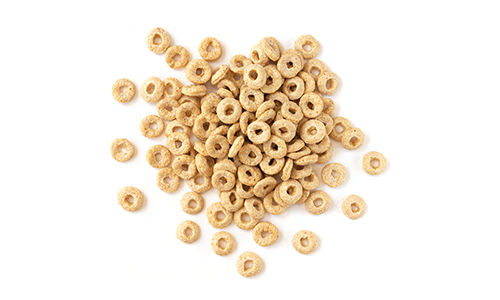
Cereal
Bowl of cereal, whole grain options recommended during pregnancy
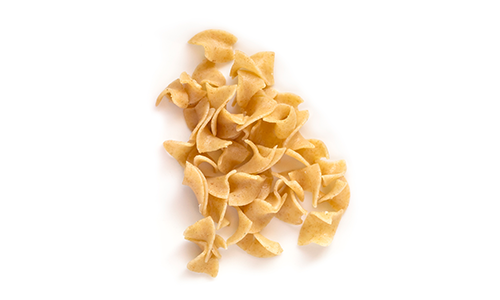
Plate of cooked pasta, a source of whole grains for energy
Pasta
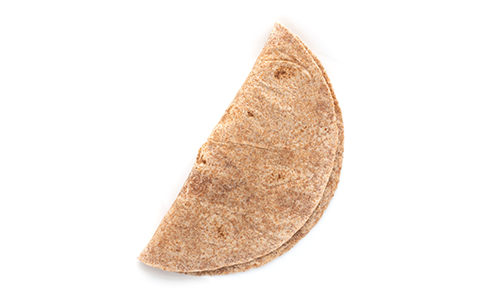
Tortilla
Stack of tortillas, can be whole grain or white
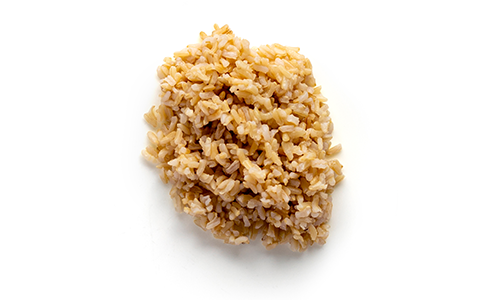
Cooked rice in a bowl, staple grain for meals
Rice
Bread
Slices of bread, including whole grain and white varieties
Whole grain or plain crackers, a quick snack option
Crackers
Examples: whole grain bread, white bread, tortillas, rice, noodles, cereals, crackers, pancakes, French toast, muffins, bagels, dry or cooked cereal.
Whole grains give you lasting energy and help with digestion—important for staying strong during pregnancy.
Enjoy a variety throughout the week based on culture, family traditions, and budget.
VEGETABLES
Green beans Fresh green beans, rich in fiber and vitamins
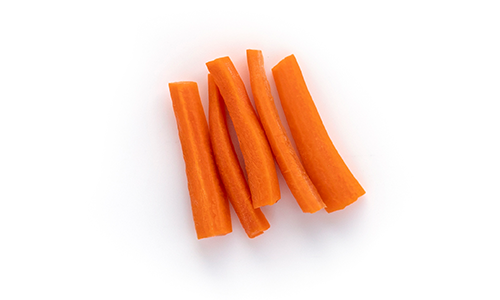
Raw carrots, a source of vitamin A Carrots
Beets Sliced beets, full of iron and folate
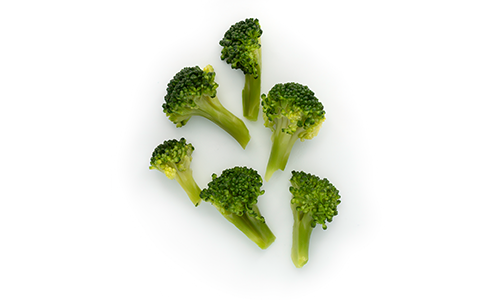
Broccoli florets, high in vitamins and fiber Broccoli
Sweet Potato Cooked sweet potato, rich in beta-carotene
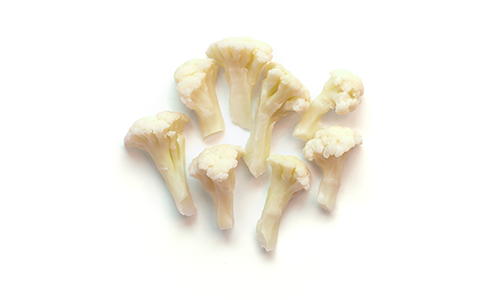
Fresh cauliflower, a vitamin-packed vegetable Cauliflower
Bell peppers Colorful bell peppers, full of vitamins and antioxidants
Examples: beets slices, broccoli, cauliflower, yams, potatoes, carrots, green beans. Colorful veggies are packed with vitamins like folate and iron that support your baby’s growth and help prevent birth defects. Enjoy a variety throughout the week based on culture, family traditions, and budget.
FRUITS
Kiwi Sliced kiwi, rich in vitamin C and fiber
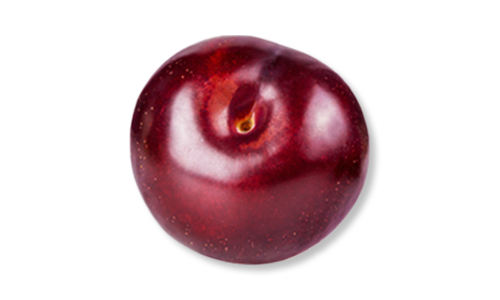
Whole plum, juicy and high in vitamins Plum
Nectarine Ripe nectarine, a sweet fruit full of vitamins
Fresh blueberries, rich in antioxidants and fiber Blueberries
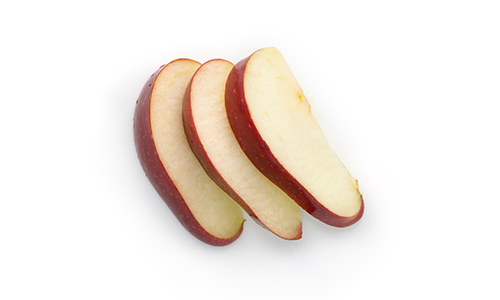
Apples Red and green apples, good source of vitamin C and fiber
Slices of watermelon, hydrating and full of vitamins Watermelon
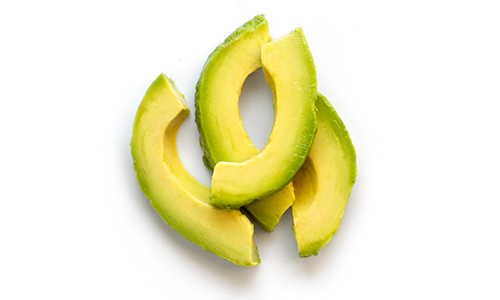
Avocado Ripe avocado, rich in healthy fats and fiber
Examples: applesauce, apple wedges, bigger chunks of banana, pear slices, canned peaches, kiwi, strawberries, watermelon, cantaloupe, honeydew. Fresh or frozen, fruits are full of vitamin C, fiber, and natural sugars—great for your immune system and keeping you regular. Enjoy a variety throughout the week based on culture, family traditions, and budget.
MILK & DAIRY
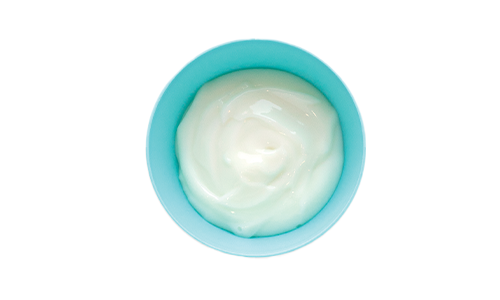
Cup of yogurt, rich in calcium and protein
Yogurt
Sliced Cheese
Slices of cheese, a source of calcium and vitamin D
Glass of milk, provides calcium and vitamin D for strong bones
Milk
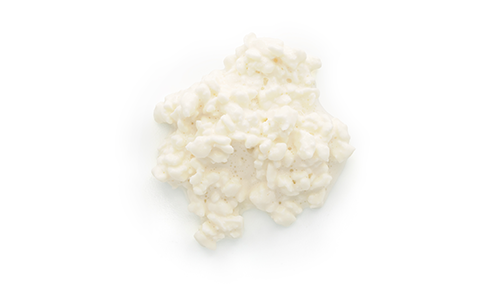
Cottage cheese
Bowl of cottage cheese, high in protein and calcium
String cheese sticks, convenient source of calcium and protein
String cheese
Examples: whole milk, or low-fat or fat-free milk, yogurt, cheese, cottage cheese.
Milk, cheese, and yogurt offer calcium and vitamin D to help build your baby’s bones and teeth while keeping yours strong too.
Enjoy a variety throughout the week based on culture, family traditions, and budget.
PROTEINS
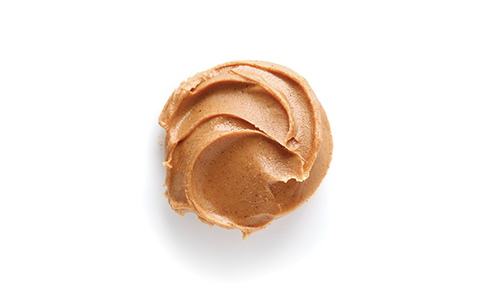
Peanut Butter
Jar of peanut butter, high in protein and healthy fats
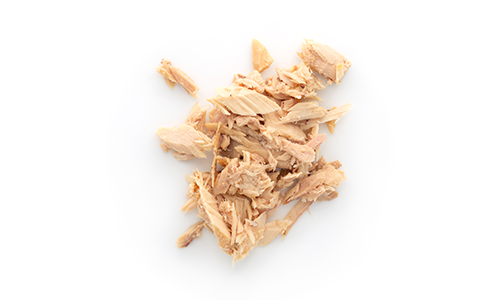
Can of tuna, rich in protein and omega-3s
Tuna
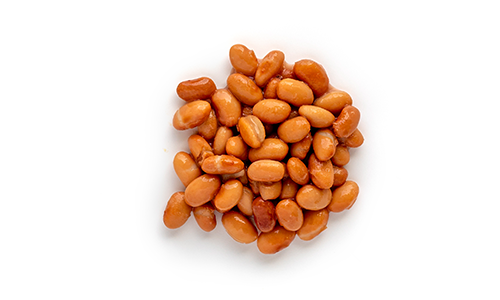
Beans
Cooked beans, plant-based protein and fiber source
Boiled eggs, high in protein and essential nutrients
Eggs
Tofu
Blocks of tofu, plant-based protein option
Cooked beef slices, rich in protein and iron
Beef
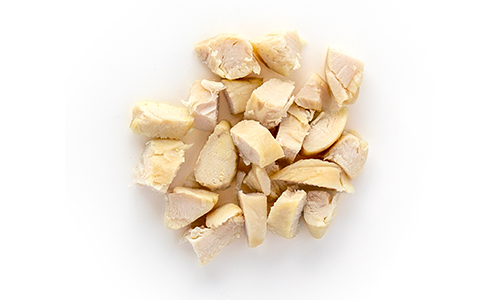
Chicken
Broiled chicken portion, high in protein for energy
Examples: beans or peas, eggs, peanut butter, beef, pork, chicken, and fish.
Protein foods support your baby’s brain and tissue development—and help you stay full and energized.
Enjoy a variety throughout the week based on culture, family traditions, and budget.
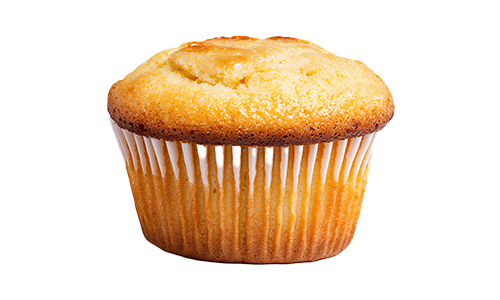
DESSERTS
Vanilla cupcake with frosting, sweet dessert treat
Cupcake
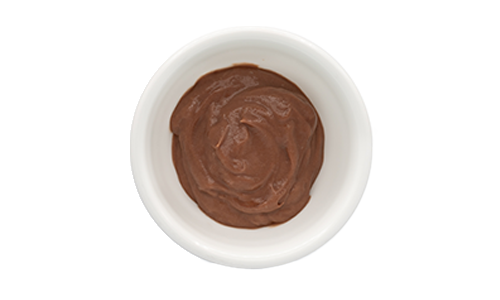
Cup of pudding, creamy dessert snack
Pudding
Chocolate chip cookie, sweet baked treat
Cookie
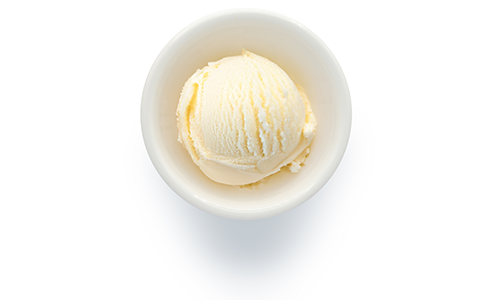
Vanilla ice cream scoop, cold dessert
Ice Cream
Chocolate brownie square, rich dessert treat
Brownie
A sweet treat now and then is totally okay! Enjoy cookies and other desserts as a snack on occasion.
Enjoy a variety throughout the week based on culture, family traditions, and budget.
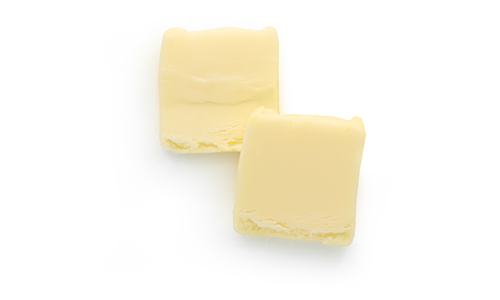
FATS & SAUCES
Pat of butter on a plate, source of fat and energy
Butter
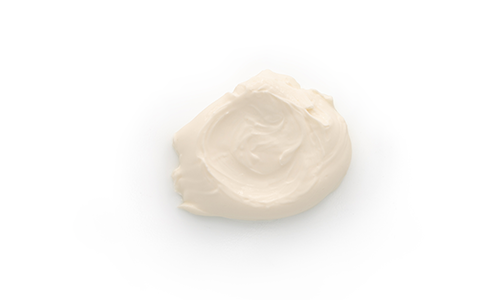
Spread of cream cheese, source of healthy fat and flavor
Cream cheese
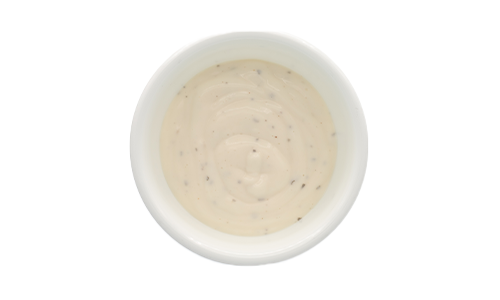
Ranch dressing
Cup of ranch dressing, adds healthy fats and flavor
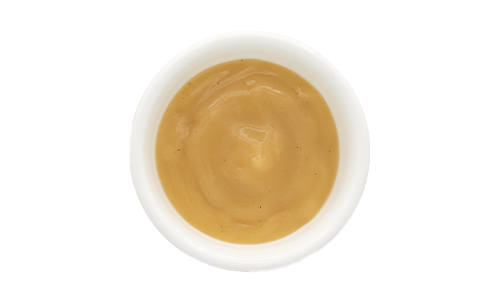
Brown gravy in a bowl, adds fats and flavor to meals
Gravy
You need some fat to grow, provide energy, and make food taste good.
Healthy fats help your baby’s brain develop and your body absorb nutrients.
Examples: butter, sour cream, cream cheese, ranch dressing, other sauces, gravy.
COMBINATION FOODS
Quesadilla with guacamole
Quesadilla with melted cheese and guacamole, a mix of grains, protein, and vegetables
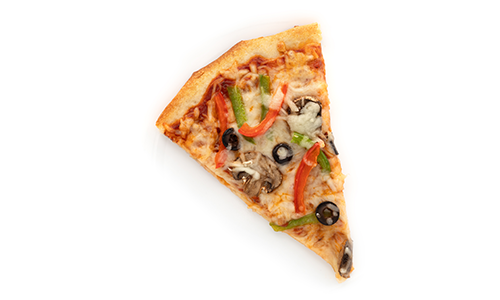
Slice of pizza with cheese and toppings, combines grains, protein, and vegetables
Pizza
Mac n’ Cheese
Bowl of macaroni and cheese, comforting mix of pasta and cheese
Slice of lasagna with layers of pasta, cheese, and sauce
Lasagna
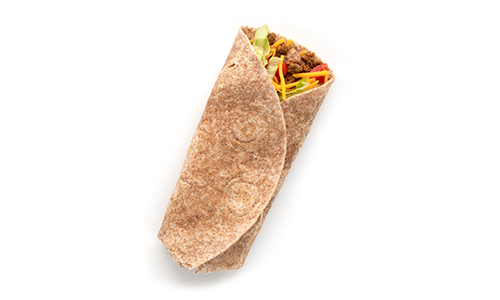
Burrito
Wrapped burrito filled with beans, rice, and vegetables
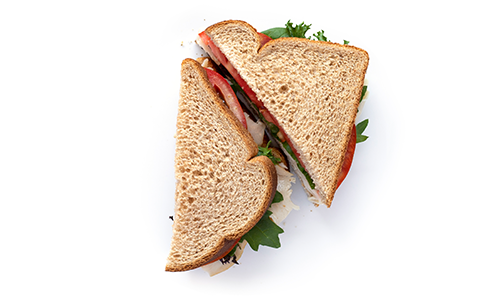
Sandwich with vegetables, protein, and bread, balanced meal option
Sandwich
Some foods are a combination of food groups and make for a tasty meal.
Meals like sandwiches, casseroles, and pizza can be a great way to enjoy a tasty mix of multiple food groups.
Examples: pizza, casseroles, soup, mac n’ cheese, spaghetti, lasagna, burritos, quesadillas, soft tacos, hamburgers, sandwich.


Food Safety Tips for a Healthy Pregnancy

Food borne illness can be hard on you and your baby. Some foods increase your risk for food poisoning. These tips can help you keep you and the foods you handle safe.

Wash your hands with soap and water before you eat or prepare food.

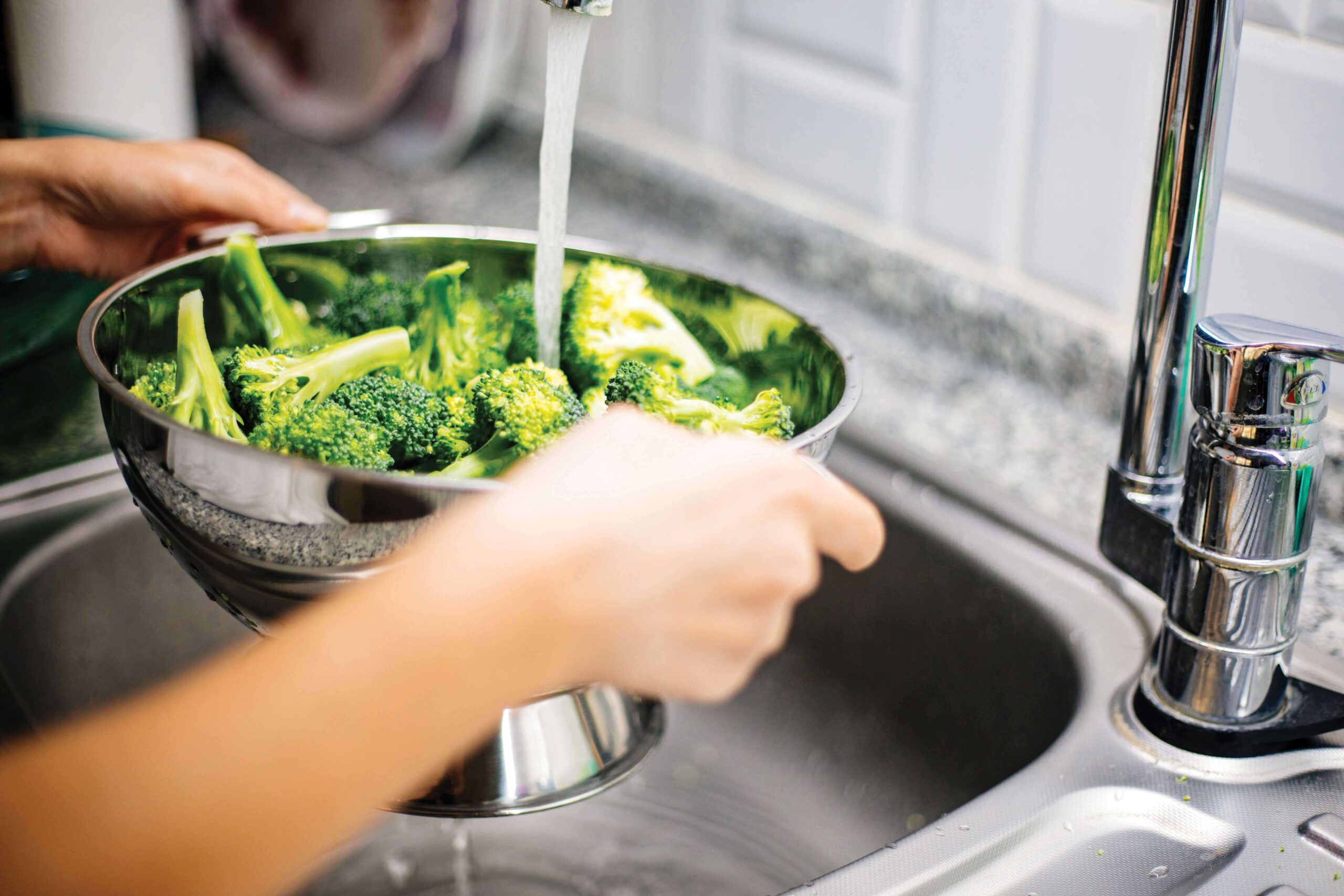
Wash vegetables and fruit with water before eating or cooking.

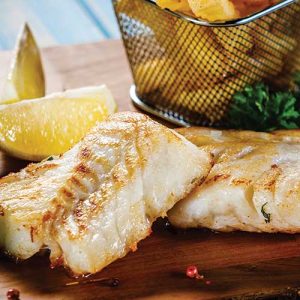
Cook beef, pork, chicken, turkey, fish, and seafood to the well-done stage.

Heat to steaming before eating hot dogs, cold cuts, and deli meats like bologna, salami, or ham.

Ask WIC staff or your healthcare provider what fish is safe and the recommended amounts to eat during pregnancy.​

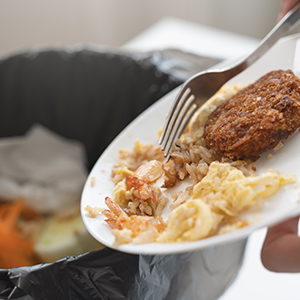
Discard any food that is questionable, sour-tasting, or moldy.

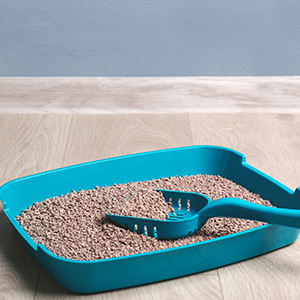
Avoid handling cat litter.

Some foods are not safe for you and your baby when you are pregnant. Do not eat:

  • Tilefish, swordfish, king mackerel, or shark
  • Raw oysters, or fish like sushi, sashimi, or ceviche
  • Undercooked, rare, or raw meat like chicken, beef, or turkey
  • Deli meat, spreads, or patés that haven’t been heated to steaming
  • Raw or soft-cooked eggs
  • Smoked meats
  • Uncooked hotdogs
  • Feta, blue-veined, Brie, or Mexican-style (queso blanco or queso fresco) cheeses
  • Unpasteurized (raw) milk or cheese
  • Unpasteurized juice or cider
  • Raw sprouts, like alfalfa sprouts

Ask your healthcare provider before you take herbs or drink herbal teas; they may not be safe for your baby.

Take Prenatal Vitamins

Prenatal vitamins should have extra iron, folic acid, and iodine to help your baby grow. CHECK THE LABEL! Make sure your prenatal vitamin contains the recommended 27 mg of iron, 150 mcg of iodine, and 400 mcg of folic acid. Check with your healthcare provider to make sure your prenatal vitamin has everything you need.

Don’t take any other vitamins unless prescribed by your healthcare provider.

Get Folic Acid Every Day

Folic acid is a vitamin that every cell in your body needs. Folic acid protects your unborn baby from birth defects in their spine and brain, which develop very early in pregnancy. It is recommended to get at least 400 micrograms (mcg) every day.

  • Take a vitamin that has 400 mcg folic acid in it every day.
  • Consider including folate-rich foods to your meals and snacks.

Folic Acid Rich Foods

The below foods are good sources of folic acid:

  • Enriched pastas, breads, and cereals
  • Spinach and dark greens
  • Peanuts and peanut butter
  • Rice
  • Avocado
  • Brussel sprouts
  • Broccoli
  • Beans
  • Eggs
  • Melon
  • Oranges
  • Turnips
  • Bananas
  • Milk

What about iron?

Iron is needed during pregnancy to support the increased blood mass to both mom and baby. Without enough you can develop anemia which leaves you feeling tired and fatigued and can cause early birth or anemia for your baby. To help, eat foods rich in iron, like red meats, spinach, and foods with Vitamin C (oranges, strawberries, grapefruit, broccoli, orange juice, tomatoes), which helps your body absorb iron.

Iron-Rich Foods
  • Iron-fortified breakfast cereal
  • Cooked dried beans like white beans, lentils, garbanzo beans, or pinto beans
  • Lean red meat
  • Tofu
  • Eggs
  • Greens like spinach, collard greens, and mustard greens
  • Potato with skin
  • Prune juice
  • Whole grain bread

Combine iron rich foods with foods high in Vitamin C. Eating these together helps your body absorb more iron from the food you eat.

Good sources of Vitamin C include:
  • Orange juice
  • Grapefruit
  • Baked potatoes
  • Tomatoes
  • Peppers
  • Broccoli

Be Proud of Your Smile

Pregnant women go through hormonal changes that can impact the health of their mouth.

TO KEEP YOUR TEETH AND GUMS STRONG, BE SURE TO:

  • Brush your teeth (and tongue) at least two times a day
  • Floss your teeth daily
  • Drink water and avoid sugary drinks
  • Get a dental checkup

Use a soft-bristle toothbrush. Brush gently. If your gums bleed when you brush or floss, tell your healthcare provider.

Explore Activities That You Enjoy

Engage in activity because it brings you joy and enhances your life. Find activities that you like to do.

Moving your body helps:

  • Boost your energy
  • Improve your sleep
  • Work off stress
  • Strengthen your muscles

Activity Ideas to Consider

  • Do you feel a need to move? Consider walking, running, biking, or swimming.
  • Do you feel a need for your movement to be constructive? Commuting by walking or biking, gardening, or housecleaning can add movement to your day.
  • Does strengthening and toning your muscles appeal to you? Consider lite weight lifting or pilates. Check with your doctor before starting a weight training program if you've never lifted before.
  • Do you enjoy participating in group activities? Consider Zumba or aerobics.
  • Do you prefer connecting with body, mind, and spirit? Consider yoga, tai chi, or hiking in nature.
  • Do you enjoy movement that incorporates music and choreography? Consider dance or barre.
  • Do you enjoy fun and silliness? Consider a game of catch or tag.

Weight Gain

Weight gain is a natural part of a normal, healthy pregnancy. During pregnancy, it’s common for weight gain to vary. This happens because the baby is growing, and your body is adjusting to support your baby’s growth. At times, you might gain weight more quickly, especially during certain growth spurts of the baby. At other times, weight gain might slow down. It’s important to take care of yourself with food and keep regular check-ups with your healthcare provider to ensure your pregnancy is progressing well. Remember, every pregnancy is unique, so weight gain can differ from one person to another.

Where does pregnancy weight go?

Your baby might weigh in at 7 or 8 pounds (about 3 to 3.6 kilograms). That accounts for some of your pregnancy weight gain. What about the rest? Here’s a sample breakdown:

  • Larger breasts: 1 to 3 pounds (about 0.5 to 1.4 kilograms)
  • Larger uterus: 2 pounds (about 0.9 kilogram)
  • Placenta: 1 1/2 pounds (about 0.7 kilogram)
  • Amniotic fluid: 2 pounds (about 0.9 kilogram)
  • Increased blood volume: 3 to 4 pounds (about 1.4 to 1.8 kilograms)
  • Increased fluid volume: 2 to 3 pounds (about 0.9 to 1.4 kilograms)
  • Fat stores: 6 to 8 pounds (about 2.7 to 3.6 kilograms)

Keep your baby safe

Avoid tobacco, nicotine, alcohol (beer, wine, liquor, or mixed drinks), marijuana, and illegal drugs during pregnancy. Each of these products can negatively impact you and your baby.

We know it can be difficult to stop or reduce use of tobacco, nicotine, alcohol, marijuana, and illegal drugs.

If you are struggling to stop or reduce use, there are resources available to you.

You are not alone.
WE ARE HERE TO SUPPORT YOU.

For support with quitting tobacco or nicotine use, including free coaching, a free quit plan, and free educational materials visit www.quitwyo.org.

For support with quitting alcohol, marijuana, or other illegal drug use contact your healthcare provider or visit www.findtreatment.gov.

Ask your healthcare provider before you take medicine to make sure it is safe for your baby.

Pregnancy Discomforts

Your body changes when you’re pregnant. You may feel sick to your stomach; some smells and foods might make you nauseous or throw up. You may have heartburn. You may feel full quicker than usual.

If you feel sick… (morning sickness):
  • Open the window to let fresh air in and stale air out
  • Get up slowly when you wake up
  • Eat a few crackers before you get out of bed
  • Stay away from smells that make you sick
  • Eat cold foods if the smell of cooked food makes you sick
  • Eat small amounts of food every one or two hours
  • Drink liquids, but take small sips – dehydration can make your nausea worse
  • Try adding protein to each meal or snack: Dairy foods (milk, ice cream, and yogurt), nuts and seeds (including almond butter or peanut butter), or shakes

“Morning sickness” can occur anytime of the day. Contact your doctor if you cannot keep down food or fluids and begin to lose weight.

https://www.acog.org/womens-health/faqs/morning-sickness-nausea-and-vomiting-of-pregnancy
Even if you feel sick, you still need food and liquids. If you can’t keep anything down, call your healthcare provider.
Woman resting on a couch holding her head, appearing unwell and tired

As your baby grows, you might get an upset stomach when you eat. It might be hard to have a bowel movement. Talk to your healthcare provider if you get these problems. Don’t take medicine unless advised by your healthcare provider.

Here are some tips:
If you have heartburn:
  • Eat 5 or 6 small meals, instead of 2 or 3 large ones
  • Avoid fried or greasy foods
  • Eat less spicy foods
  • Drink small sips of water with your meals
  • Sit upright or take a walk after you eat
  • Avoid caffeine in soda, coffee, or tea
If you’re constipated… (can’t poop):
  • Eat foods with fiber like:
  • Vegetables
  • Fruits
  • Beans and peas
  • Whole grain cereals
  • Whole wheat bread and crackers
  • Whole wheat noodles
  • Brown rice
  • Corn tortillas
  • Drink plenty of fluids, like water
  • Walk after you eat

Considering breastfeeding?

Breastmilk has the right amount of nutrients your baby needs for the first 6 months of life. Breastfeeding has benefits for you too! WIC and your medical provider are here to support you!

BREASTFEEDING MOMS SAY…

Nighttime feedings require less effort – I don't need to mix formula or clean bottles.

Breastmilk is always conveniently ready.

Breastfeeding saves me money – I don't need to buy formula or bottles.

“When I breastfeed, I feel proud. My baby grows
healthy and strong with a gift only I can give.”

Breastfeeding Protects Your Baby.

Babies who are breastfed have a lower risk of:

  • SIDS – Sudden Infant Death Syndrome
  • Allergies
  • Illnesses, like colds, respiratory, and ear infections
  • Diarrhea and constipation

Breastfeeding is good for mom, too.

Breastfeeding helps you:

  • May reduce your future risk for type 2 diabetes, high blood pressure, and heart disease
  • May lower your risk of breast and ovarian cancer
  • Reduces the risk of postpartum depression

Breastfeeding Facts

A lot of moms have questions about breastfeeding. Talk with WIC staff about any breastfeeding concerns you may have.

  • Breastfeeding whenever your baby is hungry will allow your body to make all the milk your baby needs.
  • Holding baby skin-to-skin while in the hospital and after going home helps you make milk.
  • Nursing shouldn’t hurt.
    If it hurts, get help. Call your healthcare provider, WIC clinic, local hospital, or La Leche League (LLL).
  • Ask for help at home, especially in the early days.
    Ask family and friends to pitch in with household chores and to watch other children. Dad or another family member can hold baby skin-to-skin, help with baths and playtime. Babies need lots of love and cuddling in addition to feeding time.
  • You can go back to work or school and continue breastfeeding.
    Most states have laws that require workplaces to support breastfeeding employees. There are also laws in all 50 states to protect moms when nursing in public.
  • Moms who nurse should enjoy regular meals to meet their energy needs with foods they enjoy.
    No special food is needed!

For more information on breastfeeding, visit wicbreastfeeding.fns.usda.gov

My Breastfeeding Plan At The Hospital

Tell your nurses and healthcare provider that your goal is to exclusively breastfeed your baby. Ask them to follow these guidelines as long as it is medically safe for your baby and you.

Exclusive Breastfeeding – Please don’t give my baby any formula, water, or glucose water before speaking to my partner or me.

Skin-to-Skin – During my stay, I want to hold my baby skin-to-skin as much as possible.

Breast Pumps – If my baby is unable to breastfeed or is separated from me due to medical reasons, I want to use a breast pump as soon as possible. If I need to pump longer than my hospital stay, please remind me to call my local WIC office.

No Bottles or Pacifiers – Please don’t give my baby artificial nipples. This includes pacifiers or any type of bottle.

Breastfeeding Support – Please help me with breastfeeding during the first hour after my delivery and during the hospital stay.

Take-Home Bags – Please do not send any formula or information about formula home with us when we leave the hospital. Instead, please remind me that I’m giving my baby the best nutrition by choosing to breastfeed.

What About Bottle Feeding?

Formula also provides good nutrition for babies. You can love your baby and do a good job with either breastfeeding or formula-feeding.
Babies grow up either way.

If you don’t like it, don’t breastfeed and don’t feel bad about it. You have to be comfortable with the way you feed your baby to do a good job with it.

Feeding Formula

Whether you choose to feed your baby breast milk or formula, your baby counts on you to help them do well with eating. Formula feeding isn’t hard but does take some learning. For more information on formula feeding, visit the Birth to 6 Month feeding guide.

  • Mixing formula correctly is important. Your baby needs you to follow preparation directions on the can. Remember to always add water to the bottle first and then formula.
  • Make sure you use safe water to mix formulas. The safest water includes:
  • Bottled water: Choose bottled water that is specifically labeled as "purified," "deionized," "distilled," or "nursery water." Avoid spring water.
  • Boiled water: If you are unsure about the safety of your tap water, boil it for 1 minute before using; cool before mixing.
  • Tap water: If you are certain your tap water meets local safety standards, it can be used. Check with your local WIC office, health office, or doctor before using.
  • If others care for your baby, be sure they know how to correctly mix and prepare the formula.
  • Throw away formula left in the bottle after feeding. If you prepare bottles ahead, store them in a refrigerator until you are ready to feed your baby. Prepare just enough bottles for 24 hours.
  • Formula heated in a microwave can burn your baby’s mouth. Warm the bottle in hot water. The milk should feel lukewarm – not hot.
  • Your baby only needs formula in the bottle; never put sweetened drinks or water in your baby’s bottle.
  • Follow your baby's eating and fullness cues. Your baby will eat more or less on different days. Go by their signs of hunger and fullness rather than by the amount they drank. If your baby turns their head, pulls away, or quits drinking they likely need to burp, are full, or both. Follow their cues for responsive, pressure free feeding.

Make Time for Yourself

Having a baby is hard work! At times you may feel tired, emotional, and grumpy. You might even feel sad. Find time to relax and get some rest. If you feel overwhelmed, ask for help.

Ask for help from family and friends.

Talk to your healthcare provider.

Have you been worried about the way you feel?

Deep feelings of sadness, difficulty sleeping, irritability, changes in appetite, and trouble concentrating may be a sign of depression. You can become depressed while pregnant or after you’ve had your baby. It is important to tell a doctor or nurse about your concerns.

If you need immediate help, please call 988 or text WYO to 741741. You will be connected with a trained counselor that provides free emotional support and crisis counseling to people in distress.

Search for Mental Health Treatment Services

To show yourself some love:

  • Try to get enough sleep and rest
  • Take a few minutes every day just for you
  • Spend time with people you enjoy; avoid those you don’t

If you have thoughts of harming yourself or your baby, get immediate help.

For additional support, contact your local WIC Breastfeeding Peer Counselor or WIC Designated Breastfeeding Expert for breastfeeding questions.

Wyoming WIC WDH Public Health

CONTACT US

1-888-996-9378
health.wyo.gov/wic
  • How to apply for WIC

Resources

  • WIC Shopper
  • WIC Smart
  • WIC Breastfeeding Support
  • Wyoming Medicaid
  • Wyoming 211
  • Tell a friend about WIC!
  • Guide to Using Your WIC Benefits
  • Wyoming WIC Facebook
  • Wyoming WIC Instagram
  • Wyoming WIC

USDA is an equal opportunity provider, employer, and lender.

Cookie PolicyPrivacy Policy

© Brush Art Corporation
This website is operated by Brush Art Corporation on behalf of the Wyoming Department of Health.

Install this web app on your iPhone: tap and then Add to Home Screen.

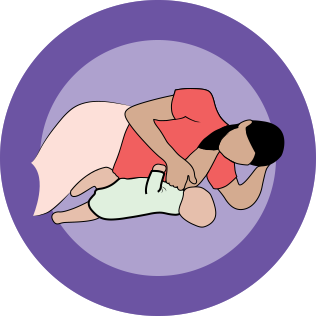
SIDE-LYING HOLD

Side-Lying Hold

  1. For the right breast, lie on your right side with your baby facing you.
  2. Pull your baby close. Your baby’s mouth should be level with your nipple.
  3. In this position, you can cradle your baby’s back with your left arm and support yourself with your right arm and/or pillows.
  4. Keep loose clothing and bedding away from your baby.
  5. Reverse for the left breast.

This hold is useful when:

  • You had a C-section
  • You want to rest while baby feeds
  • You are breastfeeding in the middle of the night
  • You and your baby are comfortable in this position
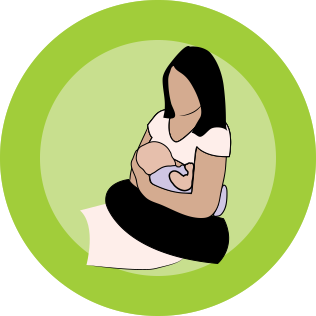
CROSS-CRADLE HOLD

Cross-Cradle Hold

  1. For the right breast, use your left arm to hold your baby’s head at your right breast and baby’s body toward your left side. A pillow across your lap can help support your left arm.
  2. Gently place your left hand behind your baby’s ears and neck, with your thumb and index finger behind each ear and your palm between baby’s shoulder blades. Turn your baby’s body toward yours so your tummies are touching.
  3. Hold your breast as if you are squeezing a sandwich. To protect your back, avoid leaning down to your baby. Instead, bring your baby to you.

  4. As your baby’s mouth opens, push gently with your left palm on baby’s head to help them latch on. Make sure you keep your fingers out of the way.
  5. Reverse for the left breast.

This hold is useful when:

  • Your baby is premature
  • Your baby has a weak suck
  • Your baby needs help to stay latched
  • Your baby needs extra head support
  • You and your baby are comfortable in this position
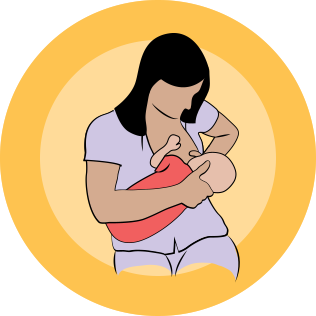
CLUTCH OR “FOOTBALL” HOLD

Clutch or “Football” Hold

  1. For the right breast, hold your baby level, facing up, at your right side.
  2. Put your baby’s head near your right nipple and support their back and legs under your right arm.
  3. Hold the base of your baby’s head with your right palm. A pillow underneath your right arm can help support your baby’s weight.
  4. To protect your back, avoid leaning down to your baby. Bring baby to you instead.
  5. Reverse for the left breast.

This hold is useful when:

  • You had a C-section
  • You have large breasts
  • You have flat or inverted nipples
  • You have a strong milk let-down
  • You are breastfeeding twins
  • Your baby likes to feed in an upright position
  • Your baby has reflux
  • You and your baby are comfortable in this position
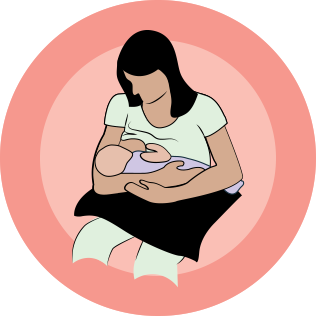
CRADLE HOLD

Cradle Hold

  1. For the right breast, cradle your baby with your right arm. Your baby will be on their left side across your lap, facing you at nipple level.
  2. Your baby’s head will rest on your right forearm with your baby’s back along your inner arm and palm.
  3. Turn your baby’s tummy toward your tummy. Your left hand is free to support your breast, if needed. Pillows can help support your arm and elbow.
  4. To protect your back, avoid leaning down to your baby. Instead, bring your baby to you.
  5. Reverse for the left breast.

This hold is useful when:

  • Your baby needs help latching on
  • You and your baby are comfortable in this position
Laid-Back Hold

Laid-Back Hold

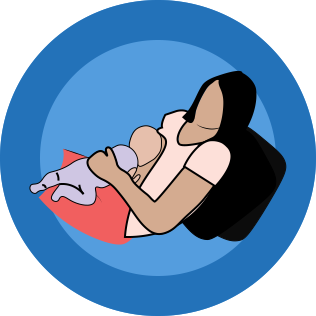
  1. Lean back on a pillow with your baby’s tummy touching yours and their head at breast level. Some moms find that sitting up nearly straight works well. Others prefer to lean back and lie almost flat.
  2. You can place your baby’s cheek near your breast, or you may want to use one hand to hold your breast near your baby. It’s up to you and what you think feels best.
  3. Your baby will naturally find your nipple, latch, and begin to suckle.

This hold is useful when:

  • Your baby is placed on your chest right after birth
  • You have a strong milk let-down
  • You have large breasts
  • You and your baby are comfortable in this position