

Skip to Content Skip to Footer
Wyoming WIC
Wyoming WIC
  • Home
  • Women
    • Women
      Breastfeeding
    • Women
      Healthy Tips for Moms
    • Women
      Postpartum
    • Women
      Pregnant
  • Infants
    • Infants
      Feeding & Nutrition
    • Infants
      Growth & Development
  • Children
    • Children
      Toddlers
    • Children
      2-5 Year Olds
  • Families
    • Families
      Activity and Play
    • Families
      Dads
    • Families
      Food & Family Meals
    • Families
      Immunizations
    • Families
      Safety
  • Live Well Blog
  • Food Shopping Guide
  • Español

Your Family’s Best Shot:
A Vaccine Guide

  • Home
  • Families
  • Immunizations
  • Your Family’s Best Shot: A Vaccine Guide
Mom’s Immunization Station: Your Family’s First Defense
  • Before Pregnancy
  • During Pregnancy
  • Postpartum and Breastfeeding
Childhood’s Shield: Vaccines for Your Little Ones
Teamwork Makes the Dream Work: Vaccinating the Whole Crew
Dose by Dose: Understanding Your Family’s Vaccines
Busting Vaccine Myths
  • Do vaccines cause autism?
  • Do vaccines have harmful ingredients?
  • Do vaccines cause serious side effects?
  • Do too many vaccines at once harm a child’s immune system?
Your Roadmap to Reliable Vaccine Resources
Your Family’s Best Shot A Vaccine Guide

You want the best for your family, and keeping everyone well is a big part of that.

Vaccines are a really important way to protect yourself and your family from serious illnesses.
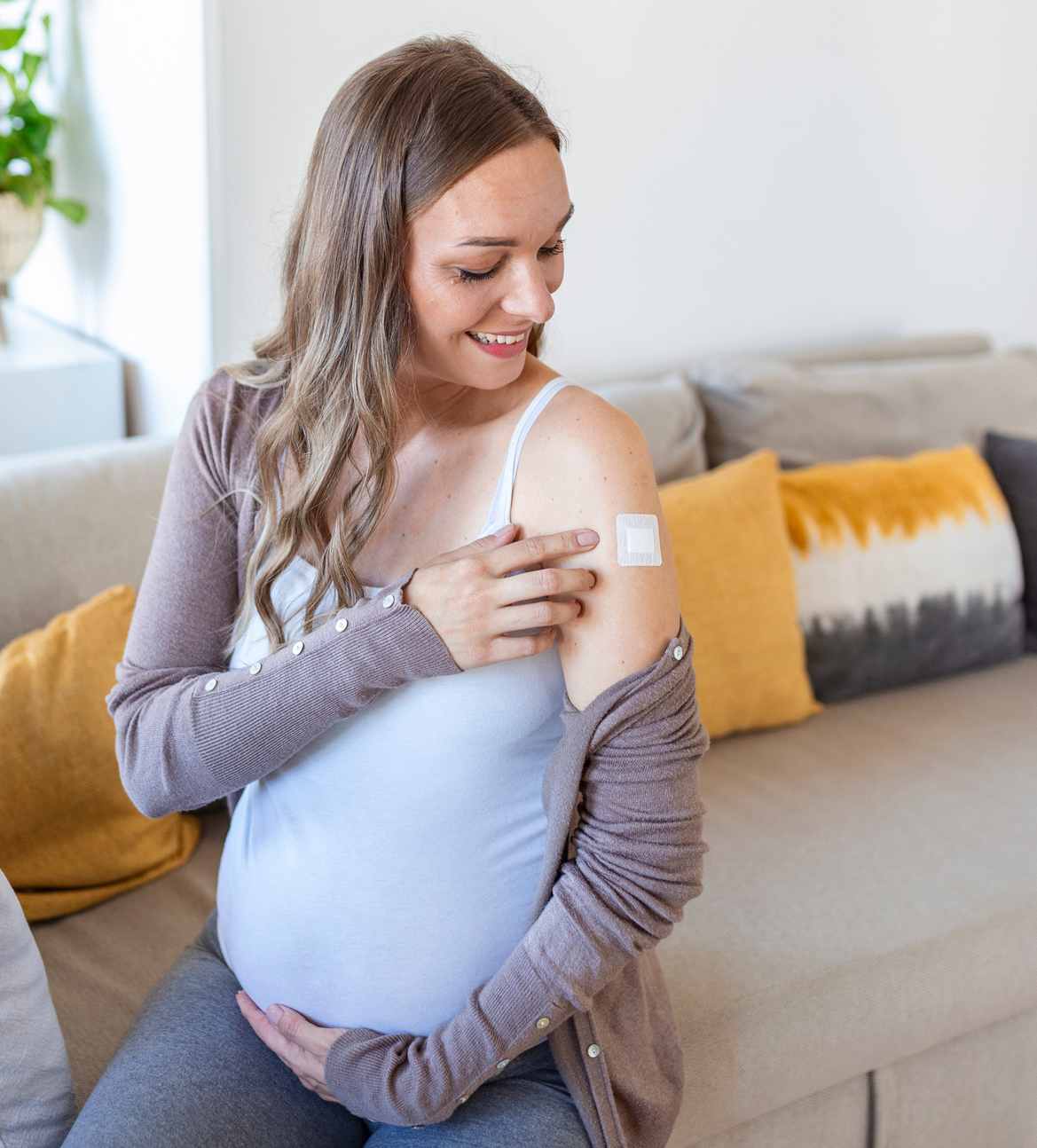
Vaccines work by teaching your body how to fight off harmful germs.

This guide will help you understand which vaccines are important for you, your baby, your children, and other family members. It will also answer common questions you might have about vaccines. Taking steps to get vaccinated helps build a strong circle of protection around your family.

Everyone needs vaccines. Babies, kids, teens, and adults all need different vaccines at different ages to help protect them from serious diseases.

Mom’s Immunization Station: Your Family’s First Defense

It’s important to stay up to date on vaccines, whether you are planning a pregnancy, are pregnant, or have recently given birth. Protecting yourself at any of these times also helps protect your baby from getting sick.

1

Before Pregnancy

It’s important to stay up to date on vaccines, especially if you plan to or could get pregnant. Protecting yourself before you become pregnant will also help protect your baby from getting sick.

Check your vaccine records and make sure you have had the MMR (measles, mumps, rubella) vaccine.

Rubella can cause serious birth defects or miscarriage. If you need this vaccine, get it before pregnancy and wait one month before trying to get pregnant.

2

During Pregnancy

When you are pregnant, protecting yourself with vaccines helps your body make fighters (antibodies) that protect your baby.

Vaccines often suggested for pregnant women include:
  • The flu shot
  • Tdap (which protects against tetanus, diphtheria, and whooping cough)
  • RSV (Respiratory Syncytial Virus)

Your doctor will talk with you about which of these are right for you and when to get them.

Vaccines are carefully studied and safe for you and your baby during pregnancy. The protection you get from vaccines is much greater than any small risks. Taking steps to get vaccinated helps keep both you and your baby well.

3

Postpartum and Breastfeeding

Vaccines continue to protect you and your baby after birth.
If you missed any vaccines before or during pregnancy, talk to your doctor about getting them now.
You are around your baby constantly, so protecting yourself helps protect them.

As a mom, you pass fighters (antibodies) to your baby during pregnancy and through your breastmilk. These special fighters help protect your baby as their own immune system gets stronger and their body learns to fight germs.

Your first milk, called colostrum, is full of powerful fighters (antibodies) that your body makes. These fighters coat your baby’s nose, mouth, and tummy to help protect them from germs in the world around them.

Mature breast milk, which you start making 2-5 days after your baby’s delivery, also has fighters, and it continues to provide protection. If a breastfeeding mother gets a vaccine, they pass some protection on to their baby.

Breastfeeding helps your baby be less likely to get common childhood illnesses. Because your body’s fighters are like a shield against germs you’re already protected from (from shots or past sickness), they help defend your baby from serious sicknesses, as well. Your body’s fighters give a temporary boost while your baby’s own body learns to fight germs.

Most vaccines are safe for breastfeeding individuals.
Always check with your provider if you have questions or concerns.

Childhood’s Shield:
Vaccines for Your Little Ones

Babies and young children need vaccines to help protect them from getting very sick. Doctors follow a schedule to make sure they get shots at the right time. This helps build strong protection before your child is around harmful germs.

Following the recommended vaccine schedule can help:

  • Protect against diseases like measles, mumps, whooping cough, and polio.
  • Keep babies safe before they can fight off illnesses on their own.
  • Slow or stop the spread of diseases in the community.

Following the recommended vaccine schedule gives your child the best protection at the right time. Delaying or skipping vaccines can leave them unprotected when they are most at risk. Some diseases, like whooping cough and measles, spread quickly and can be dangerous for babies and young children.

If you are worried about what vaccines your child needs or when, talk to their doctor.

Catch Up on

Vaccines!

If you missed any vaccines before or during pregnancy, talk to your doctor about getting them now. You can get a copy of your or your child’s immunization record at your WIC appointment, and it will show you which vaccines you or your child might be missing.

Teamwork Makes the Dream Work:
Vaccinating the Whole Crew

Dads play an important role in keeping their family safe.

Support Vaccinations:

You can help make vaccine decisions with your partner and ask your doctor if you have questions.

Protect Your Family:

Getting your own vaccines (like flu and Tdap) lowers the chance of spreading sickness to your baby.

Be a Role Model:

When dads stay up to date on shots, kids learn that vaccines are important.

Anyone who is around your baby needs vaccines too.

Your baby’s immune system is still developing, making them more open to certain infections. Older kids and adults can spread germs to babies, even if they don’t feel sick.

To help protect your baby, everyone around them should be up to date on their vaccines. This includes parents, siblings, grandparents, and babysitters. People should get vaccines at least two weeks before seeing their baby so their body has time to build protection.

Dose by Dose:
Understanding Your Family’s Vaccines

Knowing which vaccines are for what can feel like a lot. This guide gives you a quick look at what some common vaccines protect against and if they are given alone or with other vaccines. Remember, always talk to your healthcare provider before getting any vaccine to make sure it’s the right choice for you or your child.

Click on each disease below to learn which vaccine protects against it and what other vaccines it can be given with.

Chickenpox
COVID-19
Diphtheria
Flu (Influenza)
Hepatitis A
Hepatitis B
HIB
HPV
Measles
Meningococcal
Mumps
Polio
Pneumococcal
Rotavirus
RSV
RUBELLA
Tetanus
Whooping Cough
Chickenpox

Chickenpox

Protects Against:
Chickenpox can cause an itchy rash and fever and sometimes lead to serious skin infections or other problems.

Given with Other Vaccines?
Sometimes given by itself, or as part of the MMRV (Measles, Mumps, Rubella, and Varicella) shot.

Baby has Chickenpox

COVID-19

COVID-19

Protects Against:
Getting very sick from COVID-19 can cause breathing problems and other serious health issues. For children ages 6 months to 17 years, you can talk with your child’s doctor to decide if getting the vaccine is right for your child.

Given with Other Vaccines?
Given by itself.
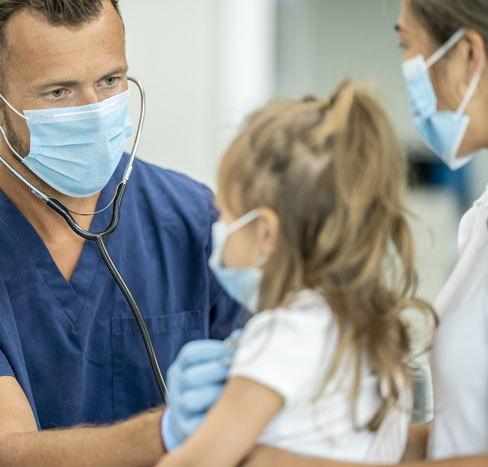
Covid-19

Diphtheria

Diphtheria

Protects Against:
A serious infection that can make it hard to breathe, cause heart problems, and nerve damage.

Given with Other Vaccines?
Yes, always combined with tetanus and whooping cough (DTaP shot).
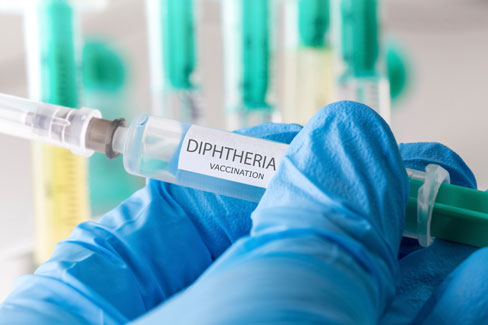
Diphtheria

Flu (Influenza)

Flu (Influenza)

Protects Against:
The flu can cause fever, body aches, and cough, and sometimes lead to serious lung infections or other problems.

Given with Other Vaccines?
Given by itself.

Flu Woman

Hepatitis A

Hepatitis A

Protects Against:
Hepatitis A, a serious liver infection that can cause fever, tiredness, stomach pain, and yellow skin or eyes.

Given with Other Vaccines?
Given by itself.
Hepatitis-A

Hepatitis B

Hepatitis B

Protects Against:
Hepatitis B is a severe, lifelong liver infection that can result in liver damage or cancer.

Given with Other Vaccines?
Given by itself.

Hepatitis-B

HIB

HIB

Protects Against:
Haemophilus influenza type B is a serious germ that can cause brain infection (meningitis), pneumonia, and severe throat swelling.

Given with Other Vaccines?
Sometimes given by itself, or combined with other shots like DTaP-IPV/Hib.

HIB

HPV

HPV

Protects Against:
Human papillomavirus can cause certain cancers (such as cervical, anal, throat, and mouth cancers) later in life.

Given with Other Vaccines?
Given by itself.
HPV

Measles

Measles

Protects Against:
Measles can cause a serious rash, fever, and cough, and can lead to ear infections, pneumonia, or brain swelling.

Given with Other Vaccines?
Yes, always combined with mumps and rubella (MMR shot), or sometimes with mumps, rubella, and chickenpox (MMRV shot).

Measles

Meningococcal

Meningococcal

Protects Against:
Serious bacterial infections can cause meningitis (brain and spinal cord infection) or blood infections.

Given with Other Vaccines?
Given by itself.
Meningococcal

Mumps

Mumps

Protects Against:
Mumps causes fever, headache, and swollen glands under the ears, and it can sometimes lead to hearing loss.

Given with Other Vaccines?
Yes, always combined with measles and rubella (MMR shot), or sometimes with measles, rubella, and chickenpox (MMRV shot).

Mumps

Polio

Polio

Protects Against:
Polio is a serious, potentially fatal disease that can lead to paralysis.

Given with Other Vaccines?
Sometimes given by itself, or combined with other shots like DTaP-IPV.

Polio

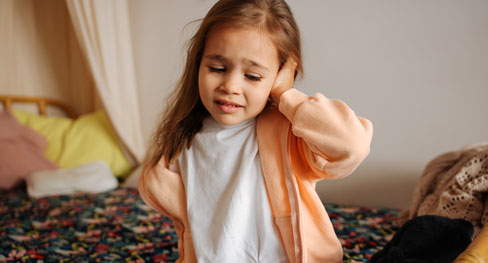
Pneumococcal

Pneumococcal

Protects Against:
Pneumococcal disease can cause serious ear infections, pneumonia, blood infections, and meningitis.

Given with Other Vaccines?
Given by itself.
Pneumococcal

Rotavirus

Rotavirus

Protects Against:
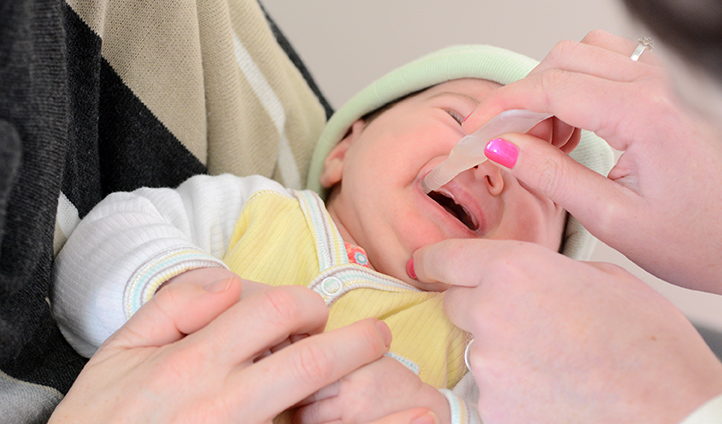
Rotavirus, a common cause of severe diarrhea, throwing up, fever, and stomach pain in babies and young children.

Given with Other Vaccines?
Given by itself (oral dose).
Rotavirus, a common cause of severe diarrhea

RSV

RSV

Protects Against:
Severe RSV, a lung infection that can cause trouble breathing in babies.

Given with Other Vaccines?
Given by itself.

RSV

RUBELLA

RUBELLA

Protects Against:
Rubella (German measles), causes a mild rash but can be very dangerous if a pregnant woman gets it, potentially leading to serious problems for the baby or even a miscarriage.

Given with Other Vaccines?
Yes, always combined with measles and mumps (MMR shot), or sometimes with measles, mumps, and chickenpox (MMRV shot).

RSV

Tetanus

Tetanus

Protects Against:

Tetanus is a serious infection caused by germs found in soil, dust, and animal poop. It enters your body through cuts or wounds, especially deep or dirty ones, and causes painful muscle spasms and stiffness, including “lockjaw.”

The tetanus vaccine is highly effective. You need a booster shot every 10 years to stay protected.

Given with Other Vaccines?
Yes, always combined with diphtheria and whooping cough (DTaP shot).

Tetanus

Whooping Cough

Whooping Cough

Protects Against:
Whooping Cough (pertussis) is a very contagious cough that can be severe and dangerous, especially for babies. It can potentially lead to severe coughing, breathing trouble, pneumonia, seizures, or brain damage.

Given with Other Vaccines?
Yes, always combined with diphtheria and tetanus (DTaP shot).

Whooping-Cough

The DTaP vaccine is given to babies and young children (under 7 years old).

The Tdap vaccine is for older children, adolescents, and adults. Pregnant women are specifically recommended to get a Tdap vaccine during each pregnancy, usually in the third trimester.

For full details on when each vaccine is recommended for you or your child, please visit the CDC’s vaccine schedules:

For Children (Birth through 6 years)
For Older Children (7 through 18 years)
For Adults (19 years and older)

Busting Vaccine Myths

It’s normal to have questions about vaccines. Here are answers to some common concerns:

Do vaccines cause autism?
  • No. Vaccines do not cause autism.
  • A study once claimed there was a link, but it was proven false.
  • Many large studies have shown no connection between vaccines and autism.
  • The Centers for Disease Control and Prevention (CDC) and the World Health Organization (WHO) confirm that vaccines are safe.
Autism Speaks
Frequently Asked Questions about Autism Spectrum Disorder
Safety Information by Vaccine
Do vaccines have harmful ingredients?
  • No. Vaccines are made to be safe.
  • The ingredients help the vaccine work and are used in very small amounts.
  • Scientists carefully test vaccines to make sure they do not cause harm.
CDC Vaccine Basics
Do vaccines cause serious side effects?
  • Typically, side effects are mild, such as a sore arm or low-grade fever.
  • Serious side effects are very rare.
  • The benefits of vaccines in preventing illness are much greater than the small risk of side effects.
CDC Possible Side Effects from Vaccines
Do too many vaccines at once harm a child’s immune system?
  • No. Babies and children can safely get multiple vaccines at the same time.
  • Their immune system can handle multiple vaccines at once.
CDC Multiple Vaccines at Once

Your Roadmap to Reliable Vaccine Resources

You have many ways to get more information and support for vaccines:

1

Talk to your healthcare provider, WIC staff, or local health department if you have any questions or concerns. They are there to help you.

2

Your local WIC office can help you find a current list of healthcare providers in Wyoming.

3

Find reliable information from trusted sources like:

The Centers for Disease Control and Prevention (CDC)
The American College of Obstetricians and Gynecologists (ACOG)
Healthy Children

4

Access your Wyoming Vaccine Records. You can get your vaccine records from your healthcare provider, a Public Health Nursing Office, or the Wyoming Immunization Registry (WyIR).
Vaccine Records and Docket

5

You can also find helpful information from the Wyoming Department of Health.

Patients, Parents, and Guardians

6

You may need a vaccine if traveling to some locations outside of the United States. You can find more information here about travel vaccines.
Travel Vaccines

Vaccines help keep you, your family, and those around you safe. Help protect your children by staying up to date on vaccines and talking to their doctor with any questions or concerns.

Sources

Centers for Disease Control and Prevention. Vaccines for family members and caregivers of pregnant people. CDC. (2025, June 25).
https://www.cdc.gov/vaccines/pregnancy/about/vaccines-family-caregivers.html

Centers for Disease Control and Prevention. Newborn vaccines for immigrants and refugees. CDC. (2025, June 25).
https://www.cdc.gov/immigrant-refugee-health/vaccines/newborn-vaccines.html

Centers for Disease Control and Prevention. How vaccines work. CDC. (2025, June 25).
https://www.cdc.gov/vaccines/parents/diseases/how-vaccines-work.html

Centers for Disease Control and Prevention. How mom and baby are protected through vaccination. CDC. (2025, June 25).
https://www.cdc.gov/vaccines/pregnancy/about/how-mom-baby-protected.html

Centers for Disease Control and Prevention. Vaccinations and medications/drugs during breastfeeding. CDC. (2025, June 25).
https://www.cdc.gov/breastfeeding/breastfeeding-special-circumstances/vaccinations-medications-drugs/vaccinations.html

Centers for Disease Control and Prevention. Reasons to vaccinate your children. CDC. (2025, June 25).
https://www.cdc.gov/vaccines-children/reasons/index.html

Centers for Disease Control and Prevention. Your child needs vaccines as they grow! (Childhood immunization schedule). CDC. (2025, June 20).
https://www.cdc.gov/vaccines/imz-schedules/child-easyread.html

NIH News in Health. Community immunity: How vaccines protect us all. National Institutes of Health. (2011, October).
https://newsinhealth.nih.gov/2011/10/community-immunity

Wyoming WIC WDH Public Health

CONTACT US

1-888-996-9378
health.wyo.gov/wic
  • How to apply for WIC

Resources

  • WIC Shopper
  • WIC Smart
  • WIC Breastfeeding Support
  • Wyoming Medicaid
  • Wyoming 211
  • Tell a friend about WIC!
  • Guide to Using Your WIC Benefits
  • Wyoming WIC Facebook
  • Wyoming WIC Instagram
  • Wyoming WIC

USDA is an equal opportunity provider, employer, and lender.

Cookie PolicyPrivacy Policy

© Brush Art Corporation
This website is operated by Brush Art Corporation on behalf of the Wyoming Department of Health.

Install this web app on your iPhone: tap and then Add to Home Screen.
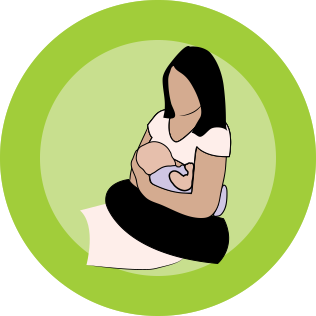
SIDE-LYING HOLD

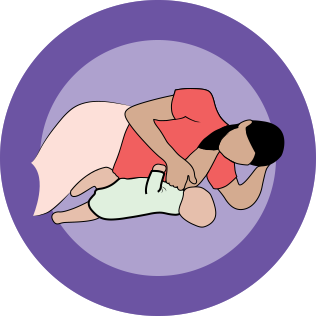
Side-Lying Hold

  1. For the right breast, lie on your right side with your baby facing you.
  2. Pull your baby close. Your baby’s mouth should be level with your nipple.
  3. In this position, you can cradle your baby’s back with your left arm and support yourself with your right arm and/or pillows.
  4. Keep loose clothing and bedding away from your baby.
  5. Reverse for the left breast.

This hold is useful when:

  • You had a C-section
  • You want to rest while baby feeds
  • You are breastfeeding in the middle of the night
  • You and your baby are comfortable in this position
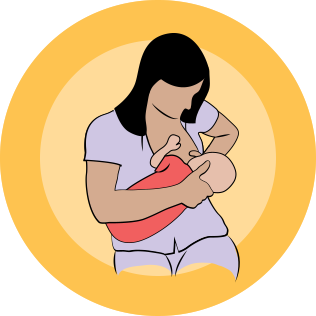
CROSS-CRADLE HOLD

Cross-Cradle Hold

  1. For the right breast, use your left arm to hold your baby’s head at your right breast and baby’s body toward your left side. A pillow across your lap can help support your left arm.
  2. Gently place your left hand behind your baby’s ears and neck, with your thumb and index finger behind each ear and your palm between baby’s shoulder blades. Turn your baby’s body toward yours so your tummies are touching.
  3. Hold your breast as if you are squeezing a sandwich. To protect your back, avoid leaning down to your baby. Instead, bring your baby to you.
  4. As your baby’s mouth opens, push gently with your left palm on baby’s head to help them latch on. Make sure you keep your fingers out of the way.
  5. Reverse for the left breast.

This hold is useful when:

  • Your baby is premature
  • Your baby has a weak suck
  • Your baby needs help to stay latched
  • Your baby needs extra head support
  • You and your baby are comfortable in this position
CLUTCH OR “FOOTBALL” HOLD

Clutch or “Football” Hold

  1. For the right breast, hold your baby level, facing up, at your right side.
  2. Put your baby’s head near your right nipple and support their back and legs under your right arm.
  3. Hold the base of your baby’s head with your right palm. A pillow underneath your right arm can help support your baby’s weight.
  4. To protect your back, avoid leaning down to your baby. Bring baby to you instead.
  5. Reverse for the left breast.

This hold is useful when:

  • You had a C-section
  • You have large breasts
  • You have flat or inverted nipples
  • You have a strong milk let-down
  • You are breastfeeding twins
  • Your baby likes to feed in an upright position
  • Your baby has reflux
  • You and your baby are comfortable in this position
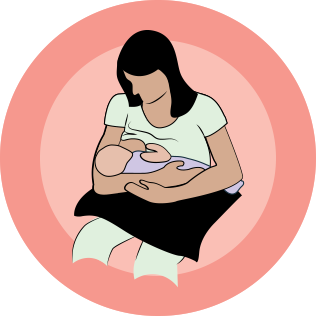
CRADLE HOLD

Cradle Hold

  1. For the right breast, cradle your baby with your right arm. Your baby will be on their left side across your lap, facing you at nipple level.
  2. Your baby’s head will rest on your right forearm with your baby’s back along your inner arm and palm.
  3. Turn your baby’s tummy toward your tummy. Your left hand is free to support your breast, if needed. Pillows can help support your arm and elbow.
  4. To protect your back, avoid leaning down to your baby. Instead, bring your baby to you.
  5. Reverse for the left breast.

This hold is useful when:

  • Your baby needs help latching on
  • You and your baby are comfortable in this position
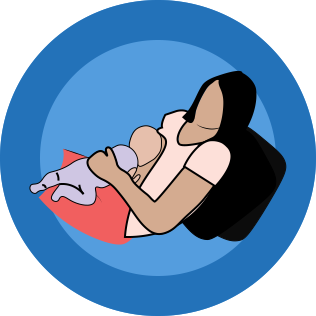
Laid-Back Hold

Laid-Back Hold

  1. Lean back on a pillow with your baby’s tummy touching yours and their head at breast level. Some moms find that sitting up nearly straight works well. Others prefer to lean back and lie almost flat.
  2. You can place your baby’s cheek near your breast, or you may want to use one hand to hold your breast near your baby. It’s up to you and what you think feels best.
  3. Your baby will naturally find your nipple, latch, and begin to suckle.

This hold is useful when:

  • Your baby is placed on your chest right after birth
  • You have a strong milk let-down
  • You have large breasts
  • You and your baby are comfortable in this position