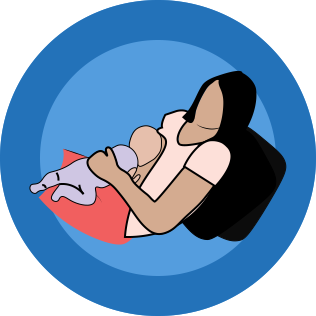
Skip to Content Skip to Footer
Wyoming WIC
Wyoming WIC
  • Home
  • Women
    • Women
      Breastfeeding
    • Women
      Healthy Tips for Moms
    • Women
      Postpartum
    • Women
      Pregnant
  • Infants
    • Infants
      Feeding & Nutrition
    • Infants
      Growth & Development
  • Children
    • Children
      Toddlers
    • Children
      2-5 Year Olds
  • Families
    • Families
      Activity and Play
    • Families
      Dads
    • Families
      Food & Family Meals
    • Families
      Immunizations
    • Families
      Safety
  • Live Well Blog
  • Food Shopping Guide
  • Español

3 TO 3½ YEARS

  • Home
  • Children
  • 2-5 Year Olds
  • 3 – 3.5 Years Old
  • Introduction
  • How much should I eat?
  • Breakfast
  • Lunch
  • Snacks
  • Dinner
  • Food Groups
  • Family Meals
  • Look what I can do!
  • Let's Play
  • Keep Me Safe and Healthy
  • Help Me Have Healthy Teeth
  • Sun Safety
3 – 3.5 Years Old

Being three is fun for me!

I am curious and may ask a lot of questions. I need your help to LEARN NEW THINGS.

I might like a food one day, but not the next. It’s okay if I eat a lot sometimes, and not very much at other times. Some days I may be hungrier than other days; this is normal. I will eat when I am hungry.

I may be cautious about eating new foods. I might need to see a food 10 or more times before I learn to like it. Please keep offering it, but don’t force me to eat. 

REMEMBER:

  • Your job is to offer a variety of foods. You also decide where we eat and what time we will have our meals and snacks.
  • My job is to decide if, what, and how much I will eat from the foods you provide.

I NEED YOU TO TEACH ME:

  • How to behave nicely at the table.
  • How to say “yes, please” and “no, thank you”.
  • That everyone gets a turn having their favorite foods at meals.
  • How to stay calm and not get upset when I see new food.

HERE’S WHAT WILL HELP:

  • Have sit-down meals and snacks at regular times so I have the chance to eat every few hours.
  • Offer mostly water in between meals and snacks.
  • Offer at least one food I like at each meal and snack.
  • Only allow eating at mealtime. Turn off the TV, computers, and phones. Encourage pleasant table talk. Talk with me about the day.
  • Show me how to be a good eater. Seeing you enjoy foods makes me want to try them too.

HOW MUCH SHOULD I EAT?​

As I continue to grow, I continue to learn about new foods. I’m trying new tastes and textures. My foods will change as I learn.

For me, the amounts are still small. I may be eating more whole foods that are soft, cut up, or foods I can pick up by myself.

My appetite can change from day to day. Don’t worry if I eat more one day and less the next. Keep offering me new foods and add on to favorites I enjoy. We’ll learn together. Eating together should be enjoyable for both of us.

Offer meals and snacks about every 2-3 hours, including something before bedtime.

Create a satisfying meal or snack by offering me a few different foods at eating times.

I eat small portions. A serving is about 2-3 tablespoons or a quarter slice of bread. Let me eat until I show you I am full.

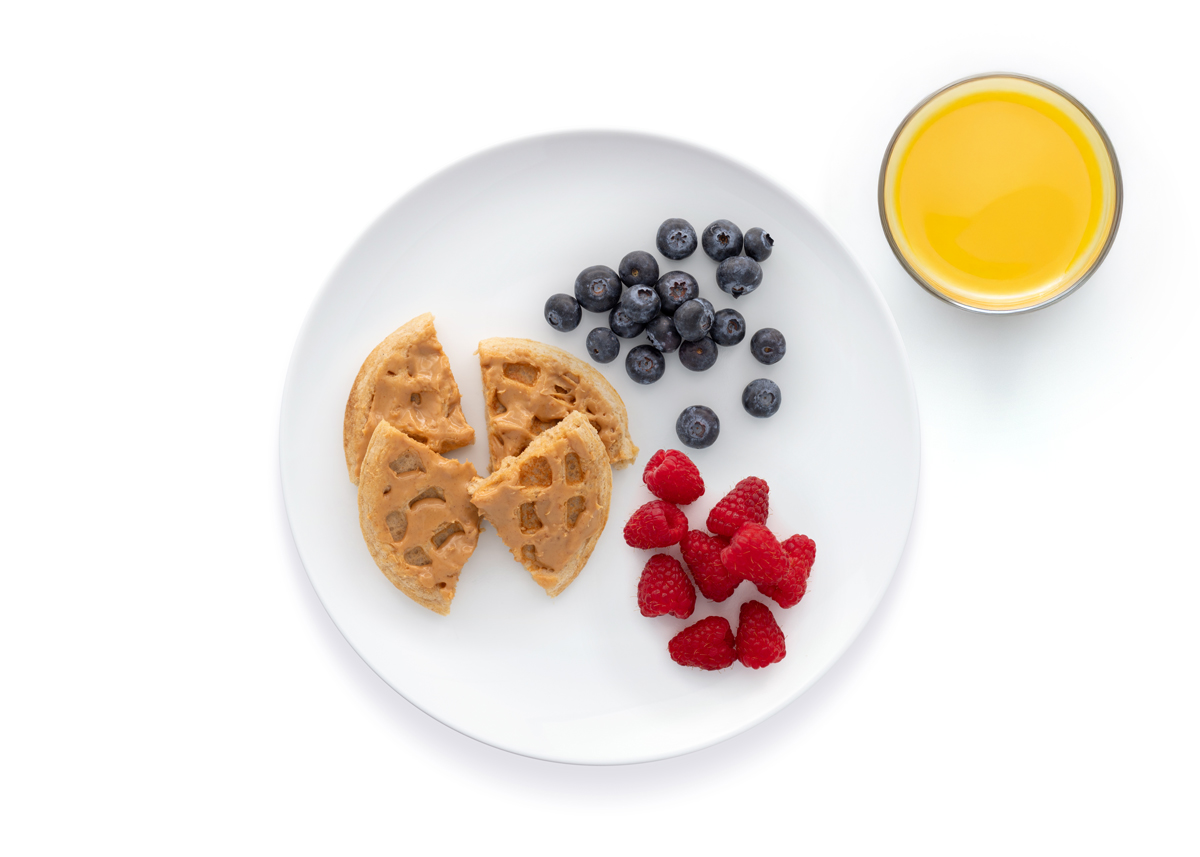
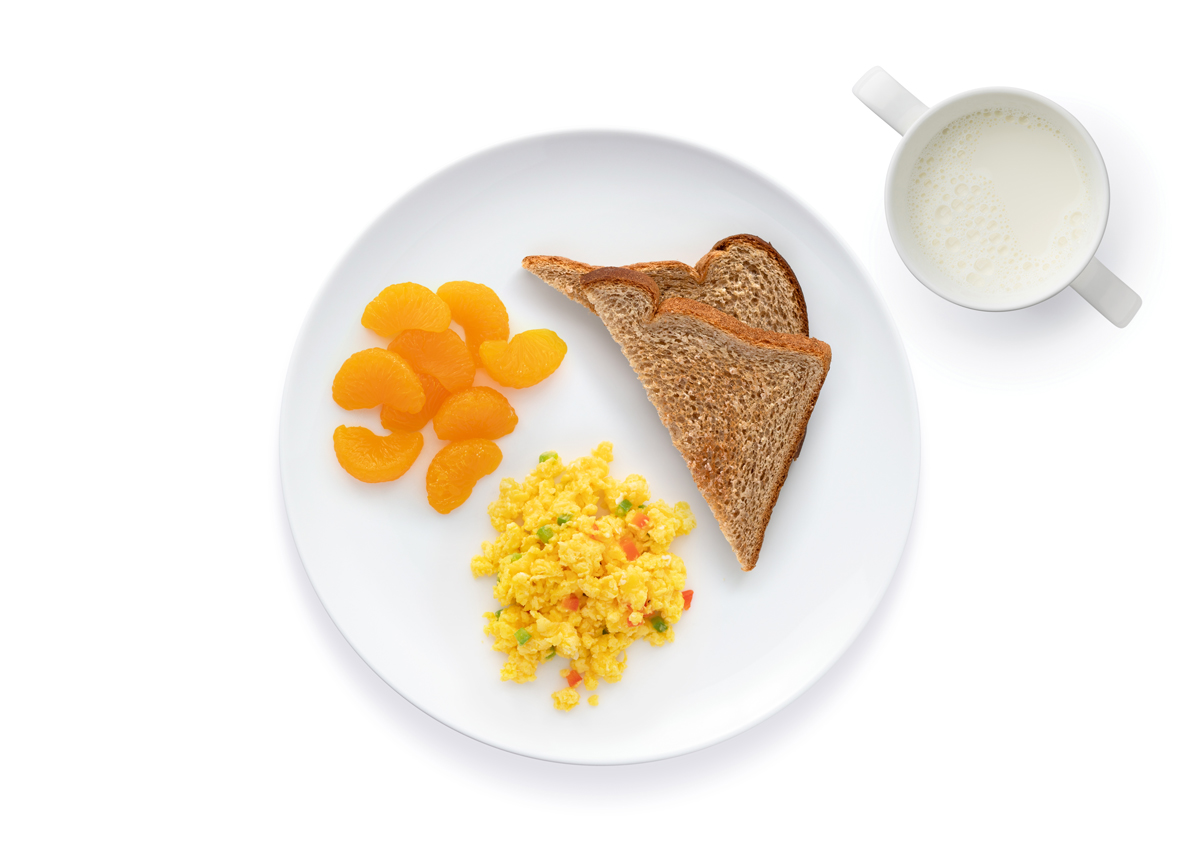
Here are some examples of what meal and snacks might look like on my plate.

Many of these options can be made with WIC-approved foods!

Breakfast

waffle topped with peanut butter
100% fruit juice
blueberries and raspberries
- OR -
mandarin orange slices
milk in an open cup
toast with butter
cheesy scrambled eggs with diced red and green peppers

Lunch

cooked, sliced carrots
halved grapes
water in an open cup
pita with turkey and cheese
- OR -
peas
sliced strawberries
milk in an open cup
chicken nuggets with ketchup

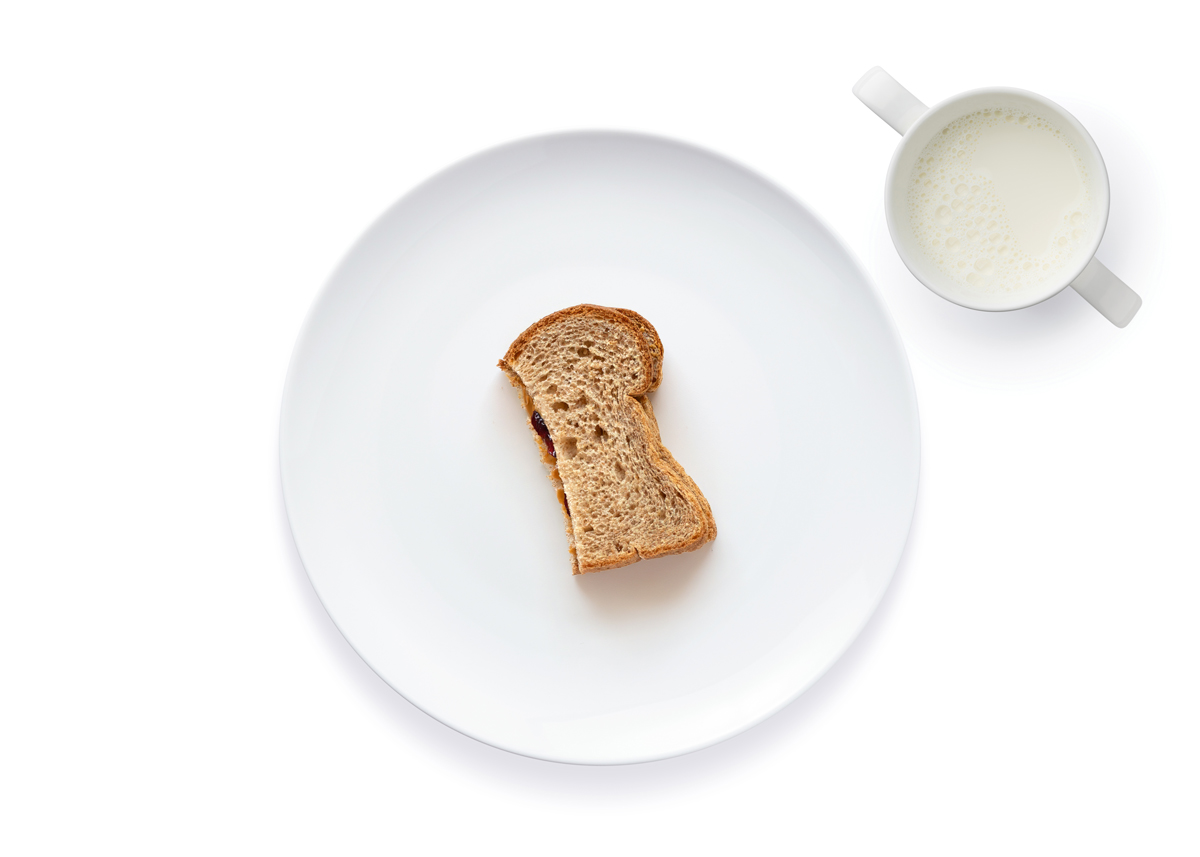
Snacks

small peanut butter sandwich
milk in an open cup
- OR -
crackers with cheese
water in an open cup
- OR -
graham crackers
milk in an open cup
crushed pineapple
- OR -
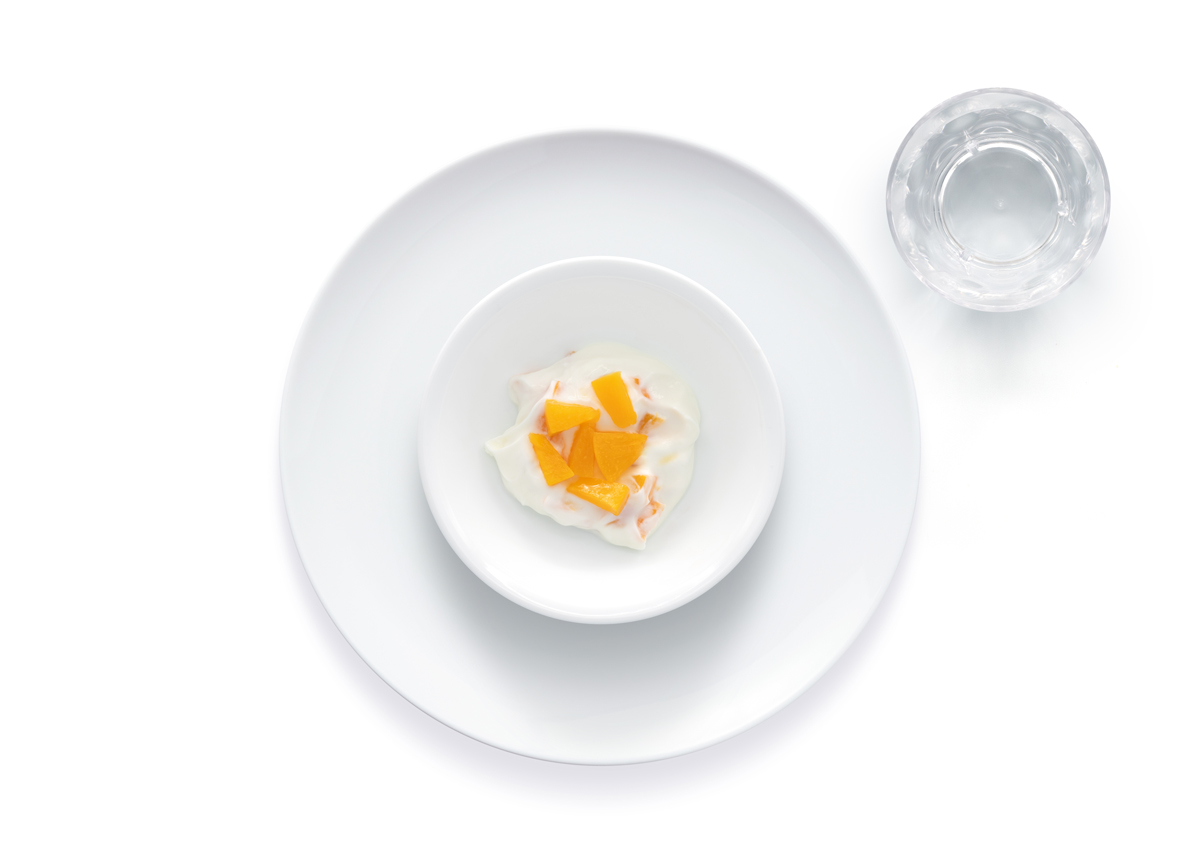
greek yogurt and chopped peaches
water in an open cup

Offer snacks between meals. They help tide me over between meals. Plan for two during the day and one before bed.

Dinner

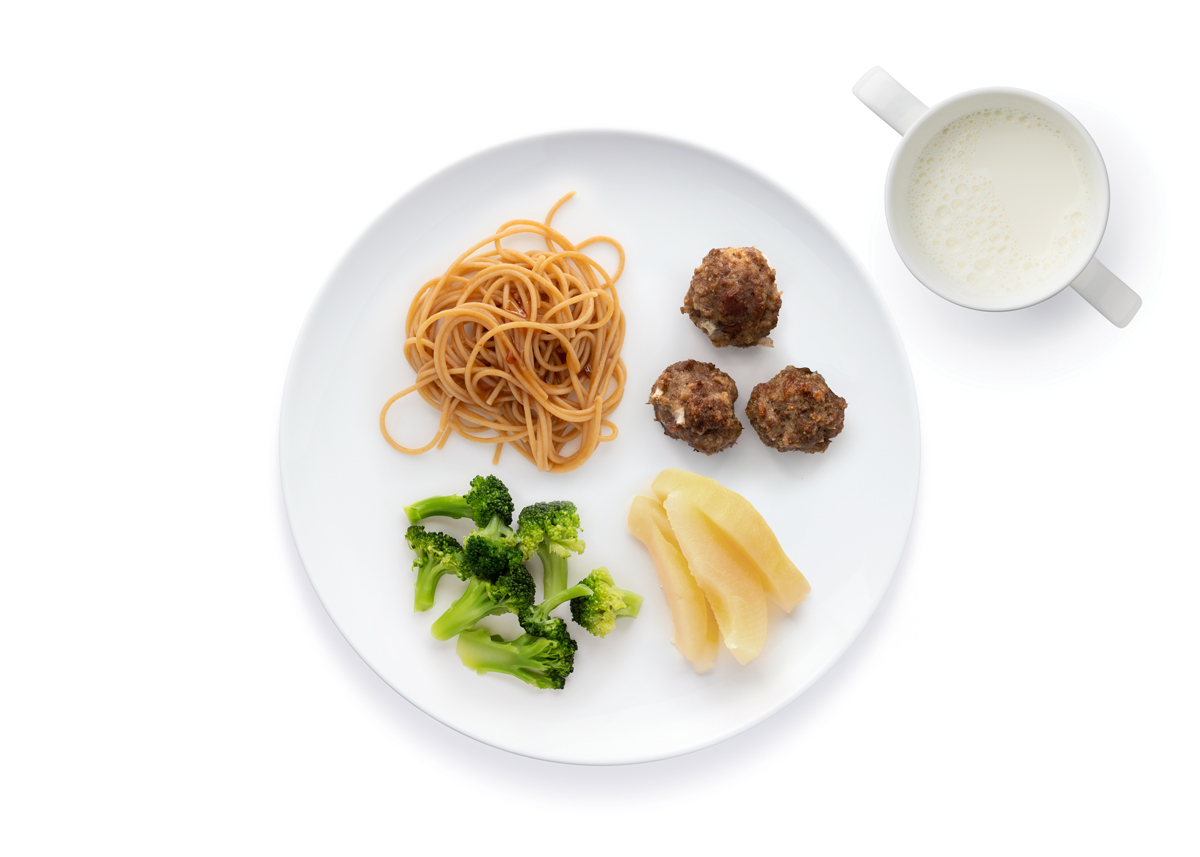
noodles with sesame sauce
cooked broccoli
milk in an open cup
beef meatballs
sliced pear
- OR -
cupcake
teriyaki salmon
milk in an open cup
brown rice with mixed vegetables
sliced grapes
sliced kiwi

A serving at my age is about 2-3 tablespoons of a food. Offer 3-5 food items at a meal and build from there. Let me eat until I show signs I’m full. I might close my lips, turn or shake my head, or raise my arm. Let me stop eating and get down when I’m done.

My eating might vary from day-to-day. Don’t worry, that’s normal for me.

Food Groups

These are examples of foods that are in each food group. I may eat more or less than the amount of each food shown.

GRAINS
VEGETABLES
FRUITS
MILK & DAIRY
PROTEINS
DESSERTS
FATS & SAUCES
COMBINATION FOODS
GRAINS

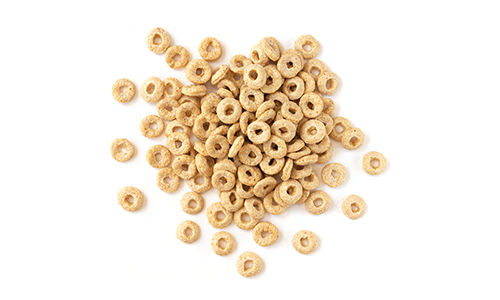
Cereal

group grain Cereal

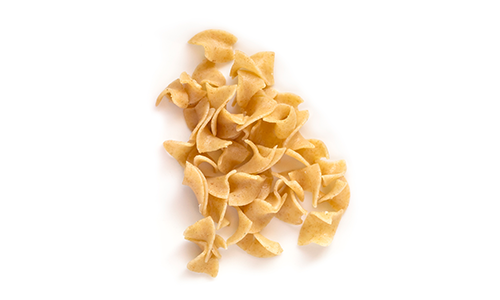
group grain Pasta

Pasta

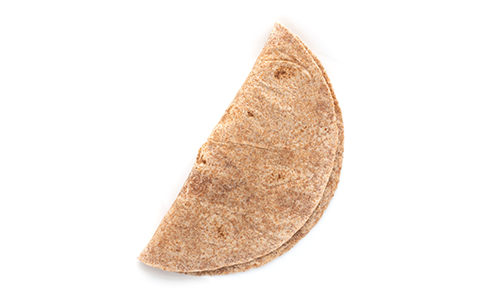
Tortilla

group grain Tortilla

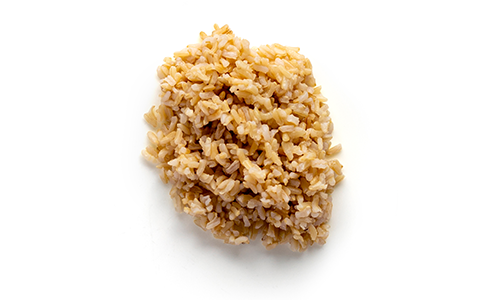
group grain Rice

Rice

Bread

group grain Bread

group grain Crackers

Crackers

Bite-sized pieces.

Examples: whole grain bread, white bread, tortillas, rice, noodles, cereals, crackers, pancakes, French toast, muffins, bagels, dry or cooked cereal.

Offer a variety throughout the week based on culture, family traditions, and budget.

VEGETABLES

Green beans

Green beans vegetable

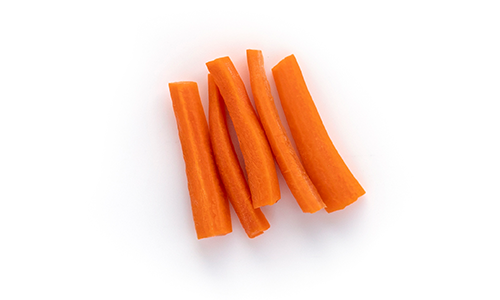
Carrots vegetable

Carrots

Beets

Beets vegetable

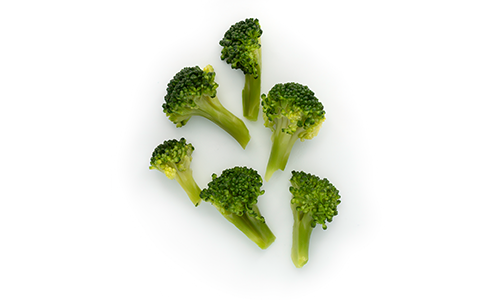
Broccoli vegetable

Broccoli

Sweet Potato

Sweet Potato vegetable

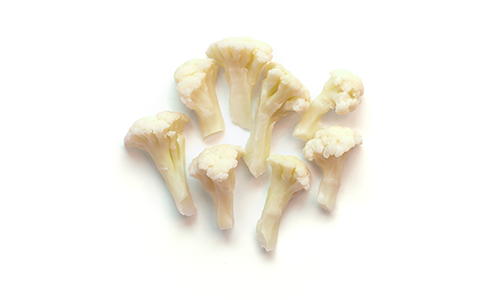
Cauliflower vegetable

Cauliflower

Bell peppers

Bell peppers vegetable

Cooked and mashed, sliced, or chopped veggies.

Examples: beets slices, broccoli, cauliflower, yams, potatoes, carrots, green beans.

Offer a variety throughout the week based on culture, family traditions, and budget.

FRUITS

Kiwi

Kiwi fruit

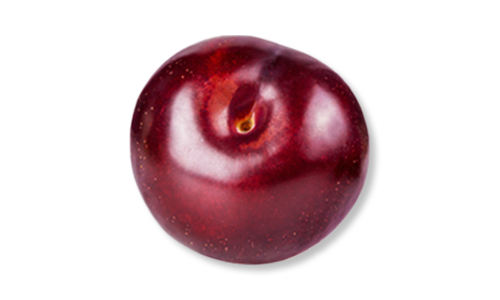
Plum fruit

Plum

Nectarine

Nectarine fruit

Blueberries fruit

Blueberries

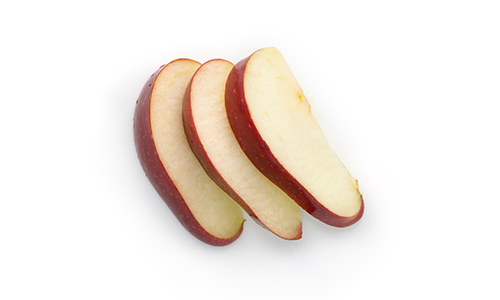
Apples

Apples fruit

Watermelon fruit

Watermelon

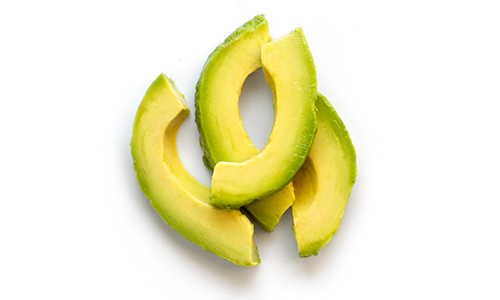
Avocado

Avocado fruit

Mashed, sliced, chopped, canned, or soft fresh fruit.

Examples: applesauce, apple wedges, bigger chunks of banana, pear slices, canned peaches, kiwi, strawberries, cantaloupe, honeydew.

Offer a variety throughout the week based on culture, family traditions, and budget.

MILK & DAIRY

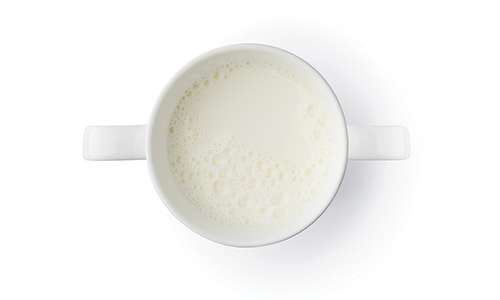
Breastmilk

Breastmilk dairy food

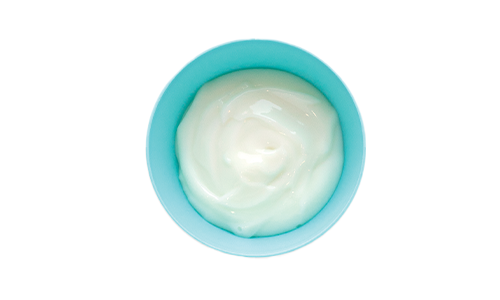
Yogurt dairy food

Yogurt

Sliced Cheese

Sliced Cheese dairy food

Milk dairy food

Milk

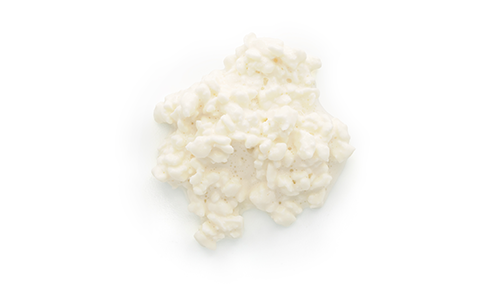
Cottage cheese

Cottage cheese dairy food

String cheese dairy food

String cheese

Examples: whole milk, or low-fat or fat-free milk, yogurt, cheese, cottage cheese.

Offer a variety throughout the week based on culture, family traditions, and budget.

PROTEINS

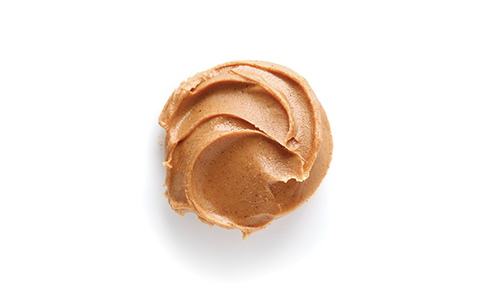
Peanut Butter

Peanut Butter protein

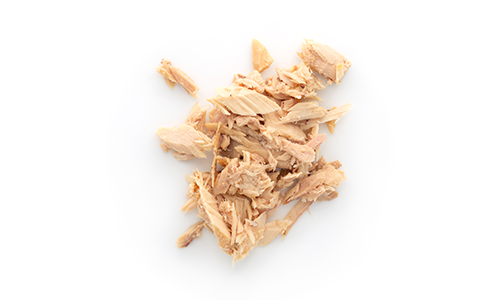
Tuna protein

Tuna

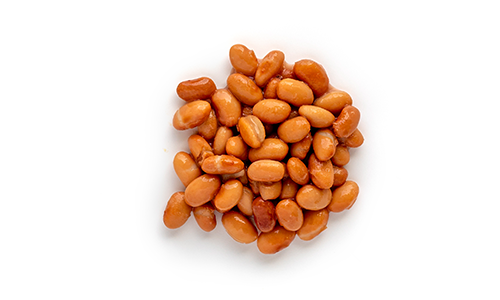
Beans

Beans protein

Eggs protein

Eggs

Tofu

Tofu protein

Beef protein

Beef

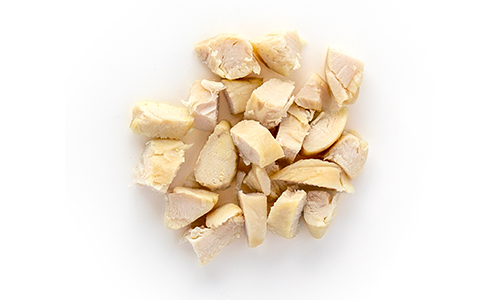
Chicken

Chicken protein

Examples: soft cooked pieces, mashed beans or peas, eggs, peanut butter, cut up hamburger, tofu, and cooked, chopped meat, poultry, or fish.

Offer a variety throughout the week based on culture, family traditions, and budget.

DESSERTS

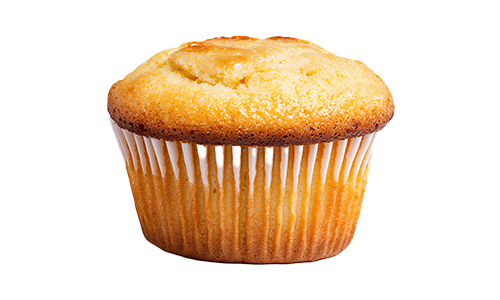
Cupcake

Cupcake dessert

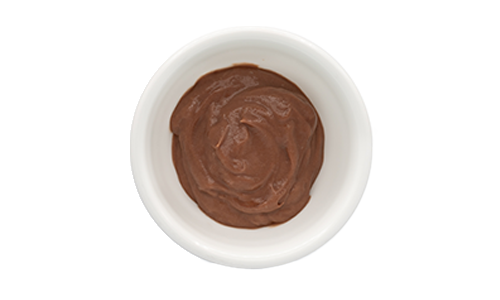
Pudding dessert

Pudding

Cookie

Cookie dessert

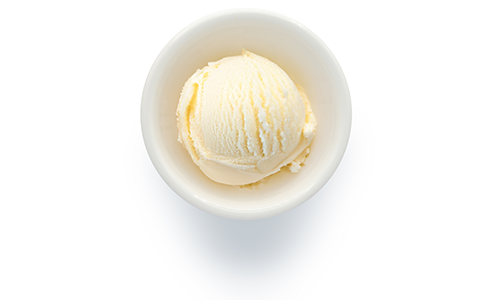
Ice Cream dessert

Ice Cream

Brownie

Brownie dessert

Offer 1 serving of dessert at the same time as the rest of the meal and allow your child to pick when to eat it at the beginning, middle, or end of the meal.

Offer cookies and other desserts as a snack on occasion. You can offer it with milk if you want.

Offer a variety throughout the week based on culture, family traditions, and budget.

FATS & SAUCES

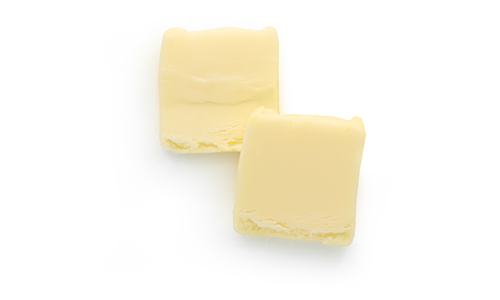
Butter

Butter food fat

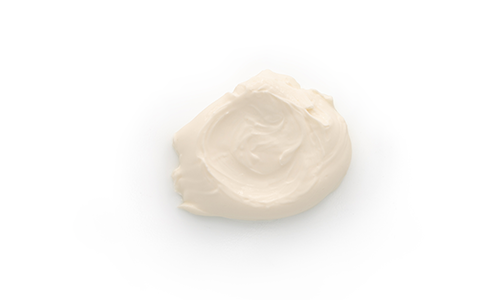
Cream cheese food fat
Cream cheese

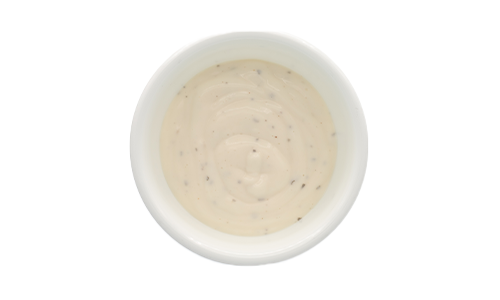
Ranch dressing

Ranch dressing food fat

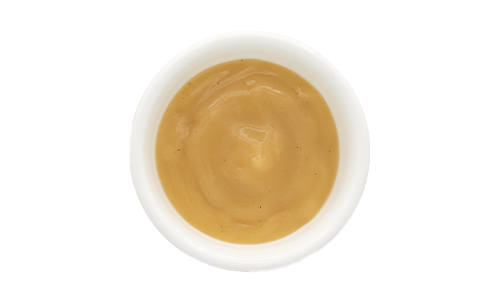
Gravy food fatGravy

Children need some fat to grow, provide energy, and make food taste good.

Examples: butter, sour cream, cream cheese, ranch dressing, other sauces, gravy.

COMBINATION FOODS
Quesadilla with guacamole Quesadilla with guacamole combination meal
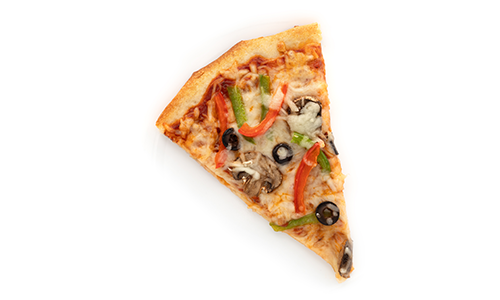
Pizza combination meal Pizza
Mac n’ Cheese Mac n Cheese combination meal
Lasagna combination meal Lasagna
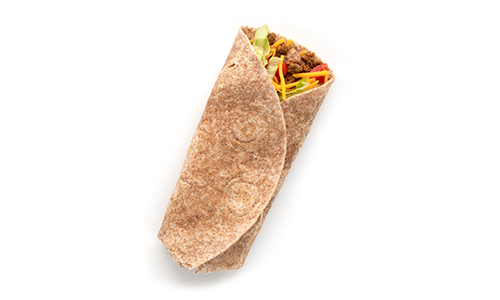
Burrito Burrito combination meal
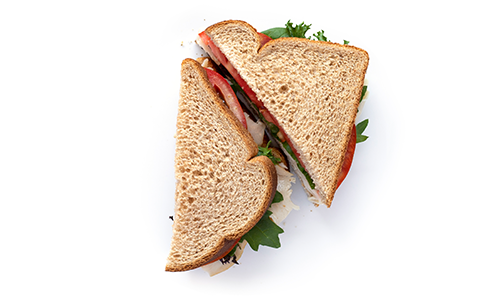
Sandwich combination meal Sandwich
Some foods are a combination of food groups and make for a tasty meal. Examples: pizza, casseroles, soup, mac n’ cheese, spaghetti, lasagna, burritos, quesadillas, soft tacos, hamburgers.

Family Meals

  • Food nourishes my body and helps me grow.
  • It is not helpful to use food as a reward or punishment.
  • I am learning every day! Teach me the names of foods. Talk about their shapes, colors, and tastes. I can learn where different foods come from.
  • Sitting down to eat and drink is a good habit to maintain. Let me sit in my booster seat at the table. I can eat the foods you are eating. I'm learning from watching you.
  • I'm learning table manners and eating skills with my own spoon, plate, and cup.
  • Let's wash our hands together before and after we eat.

Look what I can do!

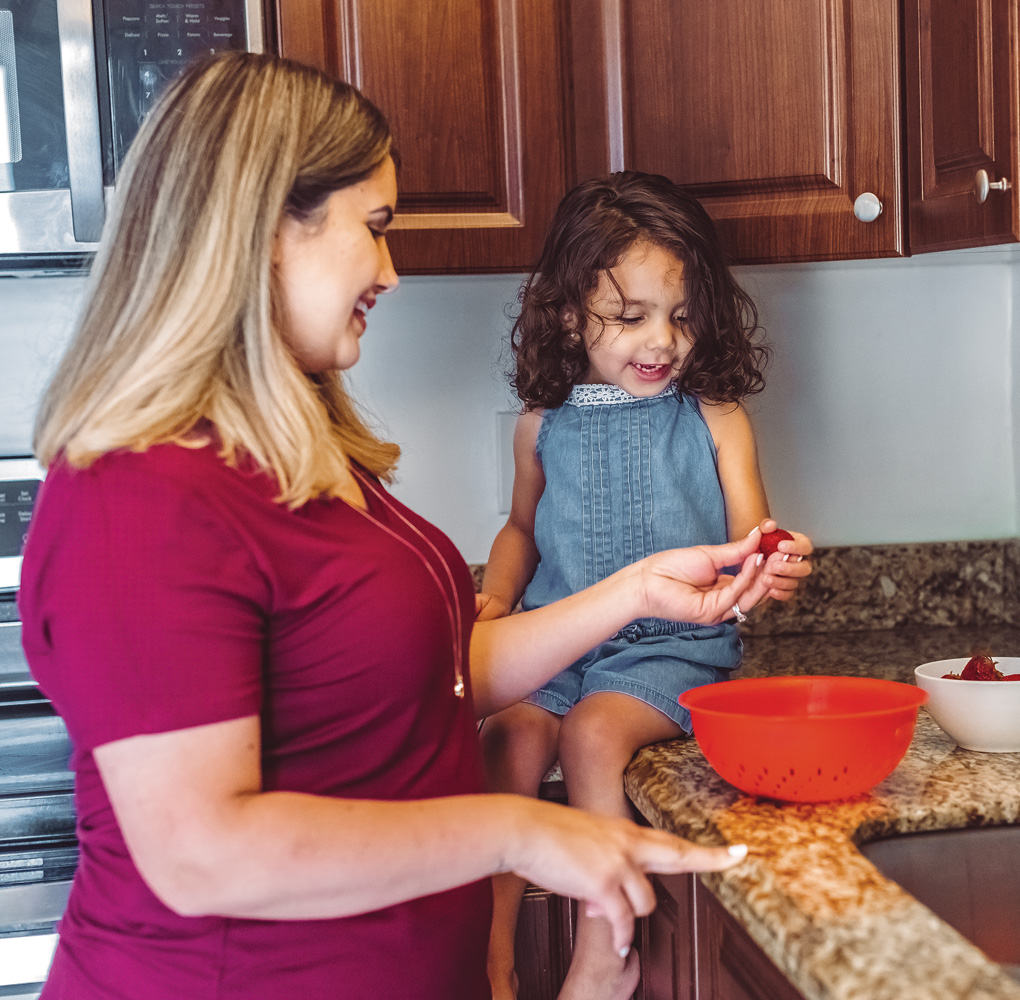
  • I can help you in the kitchen! I like to help you make food. I like to taste things we are making. (Don't give me uncooked foods.)
  • I am learning how to fold and wrap. I can help fold dish towels.
  • I am learning how to pour. I can help pour water into plastic cups with your help.
  • I can use a big spoon to help stir or mix things like dry ingredients for pancakes or cookies.
  • I can shake things using two hands, like plastic bottles of salad dressing. Make sure lids are on tight!
  • When I help you, I feel good.
  • Let's fix food together. I can help put toppings on a pizza.
  • Let me help wash fruits and vegetables.
  • I can put forks, spoons, and napkins on the table.
  • I like to put things in the trash.

Let's play

  • Please help me learn to play with others.
  • Let's find play that I like.
  • Bounce a ball and let me catch it.
  • Roll a ball so I can kick it.
  • I like to run across the playground. I can start and stop easily now.

Keep me safe and healthy

As I continue to grow, I continue to learn about new foods. I’m trying new tastes and textures. My foods will change as I learn.

For me, the amounts are still small. I may be eating more whole foods that are soft, cut up, or foods I can pick up by myself.

I need simple rules. Limit my screen time to one hour or less a day. Set limits on when, where, and how often we have screen time. Talk about what I’m learning as we watch together, and keep me safe from what I shouldn’t see. Let’s focus on each other during meals and snacks, not a screen.

Keep me away from smoke, matches, lighters, and vaping tools. I can be poisoned by swallowing, breathing, or absorbing e-cigarette liquid through my skin or eyes.

Buckle me into my child safety seat when I ride in a car.

If you own a gun, please keep it locked in a safe place.

Offer me safe foods

  • I can take a bite of food. Offer me foods that are easy to bite and chew.
  • Don't give me foods that I can choke on: hard raw vegetables like carrots, spoonfuls of peanut butter, chips, nuts, popcorn, dried fruits, chunks of meat, or hard candy.
  • Please cut grapes and hot dogs the long way, and spread peanut butter thinly on bread.

Help me have healthy teeth

  • Offer foods only at meal and snack time, including foods and drinks with sugar.
  • Help me brush my teeth in the morning and before I go to bed at night.
  • Use a toothbrush with soft bristles and a pea-sized amount of fluoride toothpaste. Make sure I spit out the toothpaste.
  • Please floss my teeth once a day to clean between them.
  • Take me to the dentist twice a year to make sure my teeth are strong.

Sun Safety

  • It's better to dress me in sun-protective clothes, like hats, shirts, and swimsuits with UPF 50, instead of relying only on sunscreen. If you don't have special sun clothes, use tightly woven fabrics and a hat with a wide brim.
  • Try to keep me in the shade from 11 a.m. to 4 p.m. when the sun is strongest. You can check the UV index on your phone; if it's 3 or higher, I need full sun protection.
  • Use mineral sunscreens with zinc oxide or titanium dioxide, especially for my sensitive skin. Stick sunscreen is great for my face and ears. Reapply sunscreen every couple of hours and after I swim.

Even on cloudy days, UV rays can still cause burns, so protect me then too. If you have questions about my skin or sunscreen, ask my doctor.

Wyoming WIC WDH Public Health

CONTACT US

1-888-996-9378
health.wyo.gov/wic
  • How to apply for WIC

Resources

  • WIC Shopper
  • WIC Smart
  • WIC Breastfeeding Support
  • Wyoming Medicaid
  • Wyoming 211
  • Tell a friend about WIC!
  • Guide to Using Your WIC Benefits
  • Wyoming WIC Facebook
  • Wyoming WIC Instagram
  • Wyoming WIC

USDA is an equal opportunity provider, employer, and lender.

Cookie PolicyPrivacy Policy

© Brush Art Corporation
This website is operated by Brush Art Corporation on behalf of the Wyoming Department of Health.

Install this web app on your iPhone: tap and then Add to Home Screen.
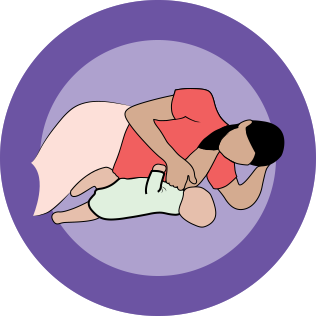
SIDE-LYING HOLD

Side-Lying Hold

  1. For the right breast, lie on your right side with your baby facing you.
  2. Pull your baby close. Your baby’s mouth should be level with your nipple.
  3. In this position, you can cradle your baby’s back with your left arm and support yourself with your right arm and/or pillows.
  4. Keep loose clothing and bedding away from your baby.
  5. Reverse for the left breast.

This hold is useful when:

  • You had a C-section
  • You want to rest while baby feeds
  • You are breastfeeding in the middle of the night
  • You and your baby are comfortable in this position
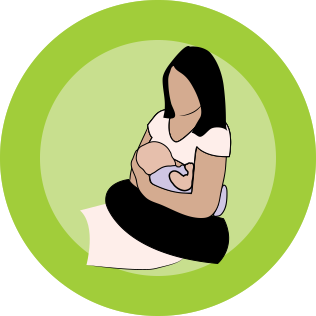
CROSS-CRADLE HOLD

Cross-Cradle Hold

  1. For the right breast, use your left arm to hold your baby’s head at your right breast and baby’s body toward your left side. A pillow across your lap can help support your left arm.
  2. Gently place your left hand behind your baby’s ears and neck, with your thumb and index finger behind each ear and your palm between baby’s shoulder blades. Turn your baby’s body toward yours so your tummies are touching.
  3. Hold your breast as if you are squeezing a sandwich. To protect your back, avoid leaning down to your baby. Instead, bring your baby to you.
  4. As your baby’s mouth opens, push gently with your left palm on baby’s head to help them latch on. Make sure you keep your fingers out of the way.
  5. Reverse for the left breast.

This hold is useful when:

  • Your baby is premature
  • Your baby has a weak suck
  • Your baby needs help to stay latched
  • Your baby needs extra head support
  • You and your baby are comfortable in this position
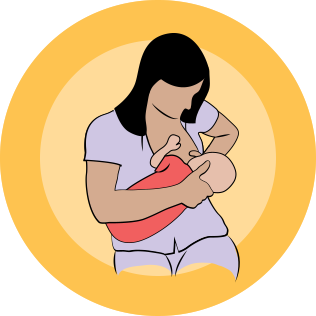
CLUTCH OR “FOOTBALL” HOLD

Clutch or “Football” Hold

  1. For the right breast, hold your baby level, facing up, at your right side.
  2. Put your baby’s head near your right nipple and support their back and legs under your right arm.
  3. Hold the base of your baby’s head with your right palm. A pillow underneath your right arm can help support your baby’s weight.
  4. To protect your back, avoid leaning down to your baby. Bring baby to you instead.
  5. Reverse for the left breast.

This hold is useful when:

  • You had a C-section
  • You have large breasts
  • You have flat or inverted nipples
  • You have a strong milk let-down
  • You are breastfeeding twins
  • Your baby likes to feed in an upright position
  • Your baby has reflux
  • You and your baby are comfortable in this position
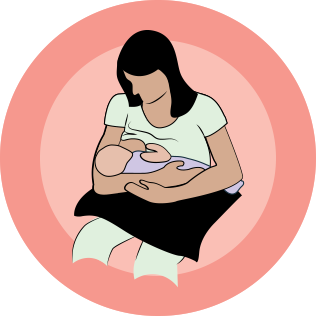
CRADLE HOLD

Cradle Hold

  1. For the right breast, cradle your baby with your right arm. Your baby will be on their left side across your lap, facing you at nipple level.
  2. Your baby’s head will rest on your right forearm with your baby’s back along your inner arm and palm.
  3. Turn your baby’s tummy toward your tummy. Your left hand is free to support your breast, if needed. Pillows can help support your arm and elbow.
  4. To protect your back, avoid leaning down to your baby. Instead, bring your baby to you.
  5. Reverse for the left breast.

This hold is useful when:

  • Your baby needs help latching on
  • You and your baby are comfortable in this position
Laid-Back Hold

Laid-Back Hold

  1. Lean back on a pillow with your baby’s tummy touching yours and their head at breast level. Some moms find that sitting up nearly straight works well. Others prefer to lean back and lie almost flat.
  2. You can place your baby’s cheek near your breast, or you may want to use one hand to hold your breast near your baby. It’s up to you and what you think feels best.
  3. Your baby will naturally find your nipple, latch, and begin to suckle.

This hold is useful when:

  • Your baby is placed on your chest right after birth
  • You have a strong milk let-down
  • You have large breasts
  • You and your baby are comfortable in this position